At Mary Ann Morse at Heritage, residents benefit from competitive pricing that stands out in both Middlesex County and the broader Massachusetts market. For instance, a studio apartment is priced at $3,800 per month, significantly lower than the county average of $5,867 and the state average of $5,312. Similarly, the one-bedroom option at $4,775 offers substantial savings compared to the higher rates seen in the county ($5,920) and state ($5,349). While semi-private accommodations cost $6,000 - slightly below the county's $6,395 but above the state's average of $5,805 - the two-bedroom units are priced at $6,400. This still represents a favorable alternative to both local ($6,960) and statewide averages ($6,151). Overall, Mary Ann Morse at Heritage provides an appealing balance of quality care and affordability in a competitive landscape.
Floor plans
Mary Ann Morse at Heritage
Middlesex County
Massachusetts
Studio
$3,800
$5,867
$5,312
1 Bedroom
$4,775
$5,920
$5,349
Semi-Private
$6,000
$6,395
$5,805
2 Bedrooms
$6,400
$6,960
$6,151
Assisted Living communities with a similar price nearby
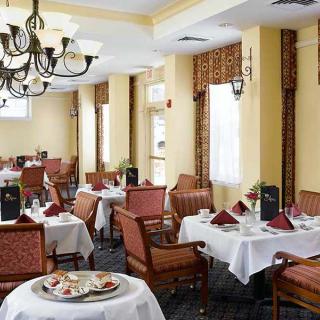
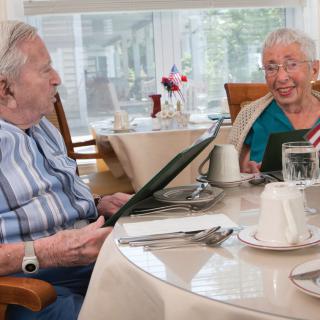
Residents describe dining as high-quality and sometimes restaurant-like.
Several reviews call out especially good meals, with residents and families praising the taste and the overall dining experience. One reviewer compares the kitchen to a restaurant because food is available made-to-order. Another describes the food as excellent in a way that feels like upscale dining, and highlights the dining room setting. A number of residents also mention diners choosing meals with specific needs handled without trouble.
differentiator3 reviews mention this
Memory care is an active program
The memory care area is described as engaging and structured.
Reviews that mention memory care describe a dedicated space where staff actively engage residents in the day-to-day. One reviewer says the memory unit residents participate in a program that feels spontaneous and involved. Another family highlights that there is a separate memory care area for Alzheimer’s, and describes the care as appropriate and tailored to needs. In the short time a resident is there, a family member also reports visible improvements tied to engagement in daily activities.
common2 reviews mention this
Pricing can fit tight budgets
Pricing comes up as both a value and a budget concern.
Some reviewers discuss cost directly during their search, including that the price felt competitive. At the same time, at least one person says the rent seemed very high compared with their budget and moved on to another option. The pricing range for apartments is positioned well against local and state benchmarks, which may explain why cost can read as either manageable or too much depending on individual needs.
caveat5 reviews mention this
Apartment size is a recurring tradeoff
Apartment size is a frequent concern in reviews.
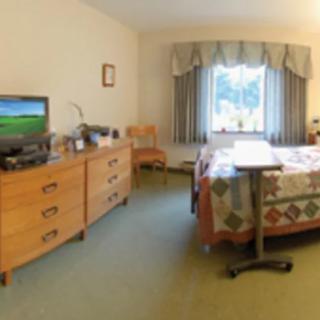
A number of reviewers mention that apartments can feel small, including one description of space that feels claustrophobic. During visits, some families say they did not like the size of one-bedroom options or wanted more room than what was available. Even when the overall experience is positive, at least one review suggests wanting a bigger room or a private sitting room. On the other hand, some residents point to workable layouts for daily living, so the impact appears to depend on the unit type and expectations.
common7 reviews mention this
Homey, clean spaces show up often
Many reviews describe the facility as homey, bright, and well kept.
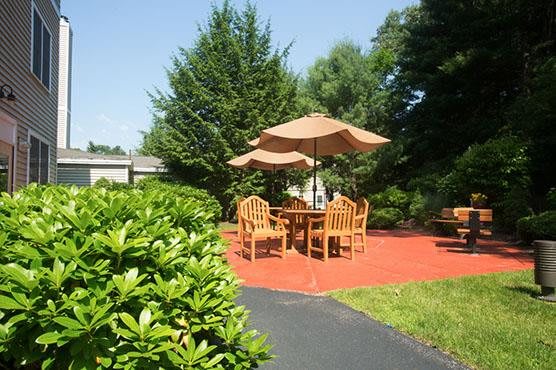
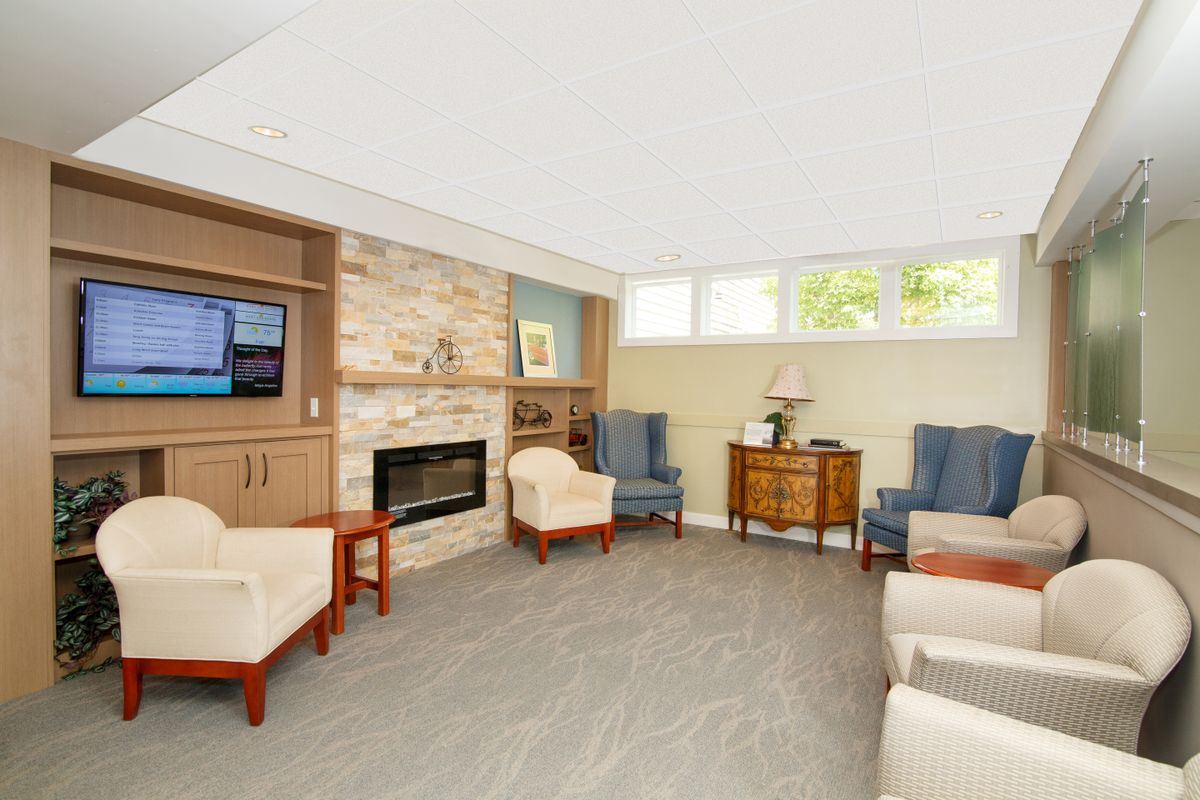
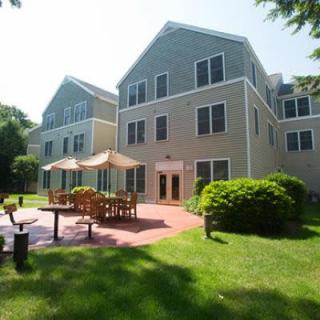
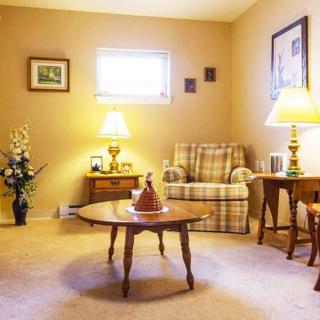
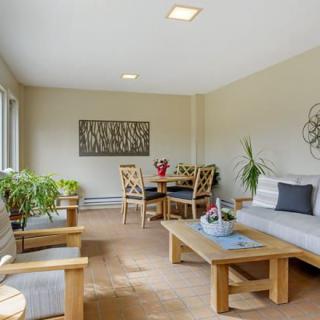
Home-like comfort and cleanliness are mentioned repeatedly, with reviewers calling the building clean and welcoming rather than institutional. Multiple comments highlight the way common areas and rooms feel, including lots of windows and natural light. Some reviewers also mention outdoor space and patios as part of the overall feel. While one review notes the facility is older and worn-looking, several others balance that with comments about ongoing upkeep and how friendly the environment feels day to day.
How we summarize
Counts show how many written reviews mention each theme; a review can touch several themes, and only frequently mentioned themes are displayed.
Features
Housing
98 resident community capacity
1-bedroom apartments
2-bedroom apartments
Studio apartments
Types of Care
Assisted Living
Independent Living
Memory Care
Skilled Nursing Facility
Pets
Cats allowed
Dogs allowed
Amenities
Activities off-site
Activities on-site
Air-conditioning
Beautician on-site
Beauty salon
Cable or satellite TV
Computer center
Devotional services off-site
Devotional services on-site
Dining room
Financing advice
Fitness room
Full kitchen
Fully furnished
Gaming room
Garden
Guasts at mealtime
Guest parking
Handicap accessible
Home sale assistance
Housekeeping services
Indoor common areas
Kitchenette
Laundry
Move-in coordination
Outdoor common areas
Outdoor space
Party space
Private bathrooms
Private cleaning services
Resident parking
Respite or short term stays offered
Restaurant-style dining
Small library
TV room
Telephone
VA Benefits Consultation
Wellness center
Wheelchair accessible showers
Wi-Fi/high-speed internet available
Transportation
Gen Edw L Logan International (22 miles away)
Worcester Regional (23 miles away)
Community operated transportation
Transportation & parking
Transportation arrangement
Transportation arrangement (non-medical)
Transportation to doctors appointments
Care Services
12-16 hour nursing
24-hour call system
24-hour supervision
Activities of daily living assistance
Ambulatory care
Assistance with bathing
Assistance with dressing
Assistance with transfers
Diabetes diet
Hospice care
Incontinence care
Meal preparation and service
Medication management
Mental wellness program
Physical therapy
Psychiatric care
Special dietary restrictions
Dining
Diabetes diet
Gluten-free
Guest meals
International cuisine
Low / no sodium
Low fat
Meals provided
No Sugar
Professional chef
Restaurant style dining
Special dietary restrictions
Special dining programs
Vegan
Vegetarian
Activities
Activities off-site
Art classes
Arts and crafts
Book club
Catholic services
Community-sponsored activities
Concierge services
Cooking classes
Cooking club
Devotional activities offsite
Devotional activities on-site
Educational speakers / life long learning
Fitness programs
Games
Gardening club
Jewish services
Live musical performances
Other religious services
Planned day trips
Protestant services
Religious services
Resident-run activities
Scheduled daily activities
Stories
Tai Chi
Visiting Rabbi
Visiting chaplain or priest
Wii bowling
Yoga / chair yoga
Languages Spoken
English
Nearby Places of Interest
This part of Framingham, Massachusetts offers a convenient and bustling suburban environment with a variety of amenities within close proximity. With multiple pharmacies, medical facilities, places of worship, restaurants, cafes, transportation options, theaters, parks, and hospitals nearby, seniors can easily access essential services and enjoy recreational activities. The area provides a mix of chain establishments like CVS Pharmacy and Starbucks as well as local gems like Karma Coffee and Longfellow's Wayside Inn for dining options. Additionally, the presence of reputable medical practices such as Post Road Pediatrics and New England Eye Center ensures quality healthcare access. Overall, this neighborhood presents a vibrant and well-equipped community for senior living.
Pharmacies
CVS Pharmacy (0.1 miles)
CVS Pharmacy (2 miles)
Walgreens (2.1 miles)
Sudbury Pharmacy (2.1 miles)
Walgreens (2.2 miles)
CVS Pharmacy (2.4 miles)
Walmart Pharmacy (2.7 miles)
Physicians
Post Road Pediatrics (2.1 miles)
New England Eye Center - Framingham (2.4 miles)
Framingham Pediatrics (2.5 miles)
Jacob Goldberg (2.9 miles)
Medical Associates of Greater Boston PC (3.9 miles)
Charles River Medical Associates Radiology (5.5 miles)
Role Ellen B Speech Language Pathologist (7.9 miles)
Places of Worship
St Bridget's Church & School (2.2 miles)
Temple Shir Tikva (4.9 miles)
Restaurants
KFC (2.4 miles)
Chick-Fil-A (2.6 miles)
Longfellow's Wayside Inn (2.6 miles)
Subway (2.8 miles)
BJ's Restaurant & Brewhouse (2.9 miles)
The Cheesecake Factory (3.3 miles)
Dave & Buster's (3.4 miles)
Cafes
Panera Bread (2.5 miles)
Karma Coffee (3.1 miles)
Starbucks (3.9 miles)
The Bagel Table (5 miles)
Starbucks (7.9 miles)
New City Microcre (8.1 miles)
Panera Bread (9.4 miles)
Transportation
Framingham Logan Express (2.8 miles)
South Acton Mbta Commuter Rail Station (9.1 miles)
At Mary Ann Morse at Heritage, residents benefit from competitive pricing that stands out in both Middlesex County and the broader Massachusetts market. For instance, a studio apartment is priced at $3,800 per month, significantly lower than the county average of $5,867 and the state average of $5,312. Similarly, the one-bedroom option at $4,775 offers substantial savings compared to the higher rates seen in the county ($5,920) and state ($5,349). While semi-private accommodations cost $6,000 - slightly below the county's $6,395 but above the state's average of $5,805 - the two-bedroom units are priced at $6,400. This still represents a favorable alternative to both local ($6,960) and statewide averages ($6,151). Overall, Mary Ann Morse at Heritage provides an appealing balance of quality care and affordability in a competitive landscape.
The range of features provided by Heritage for memory care services significantly enhances the quality of life for residents dealing with dementia or Alzheimer's disease. With 24-hour supervision, caregivers ensure that residents are safe and secure at all times, while personalized assistance with activities of daily living--such as bathing, dressing, and transfers--promotes independence and dignity. Incontinence care is handled compassionately to minimize discomfort and embarrassment, fostering a supportive environment. Meal preparation and service cater to individual dietary needs, ensuring nourishment is both enjoyed and beneficial. Medication management alleviates concerns about adherence to prescribed treatments, while a mental wellness program provides essential cognitive stimulation through engaging activities tailored to residents' interests. Additionally, physical therapy supports mobility and physical health, which can enhance overall well-being and maintain functional abilities in seniors navigating these challenging conditions.
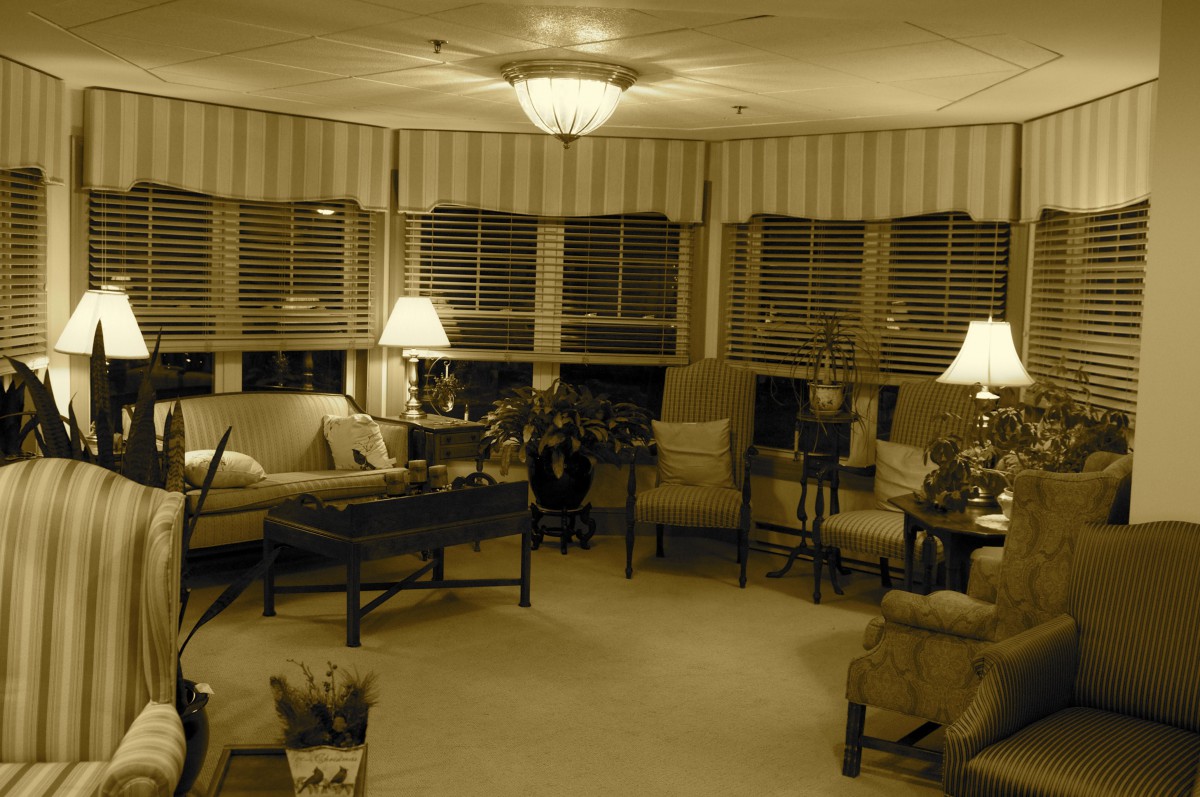
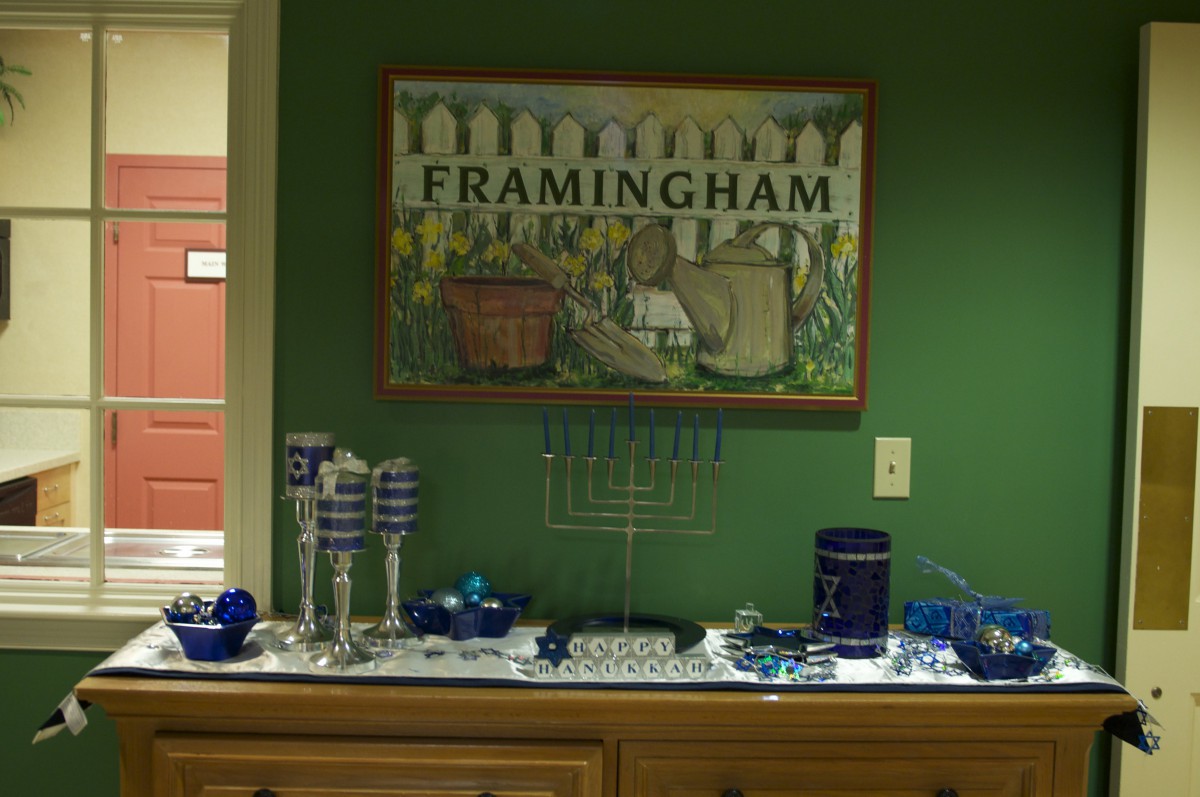
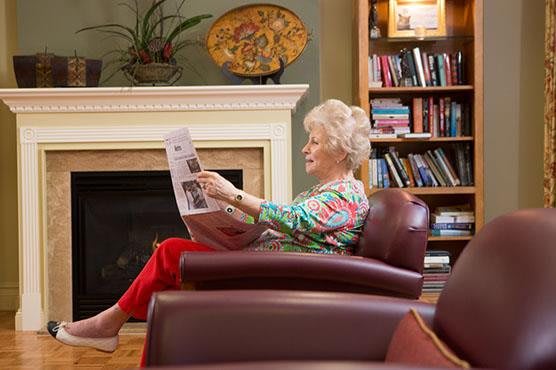
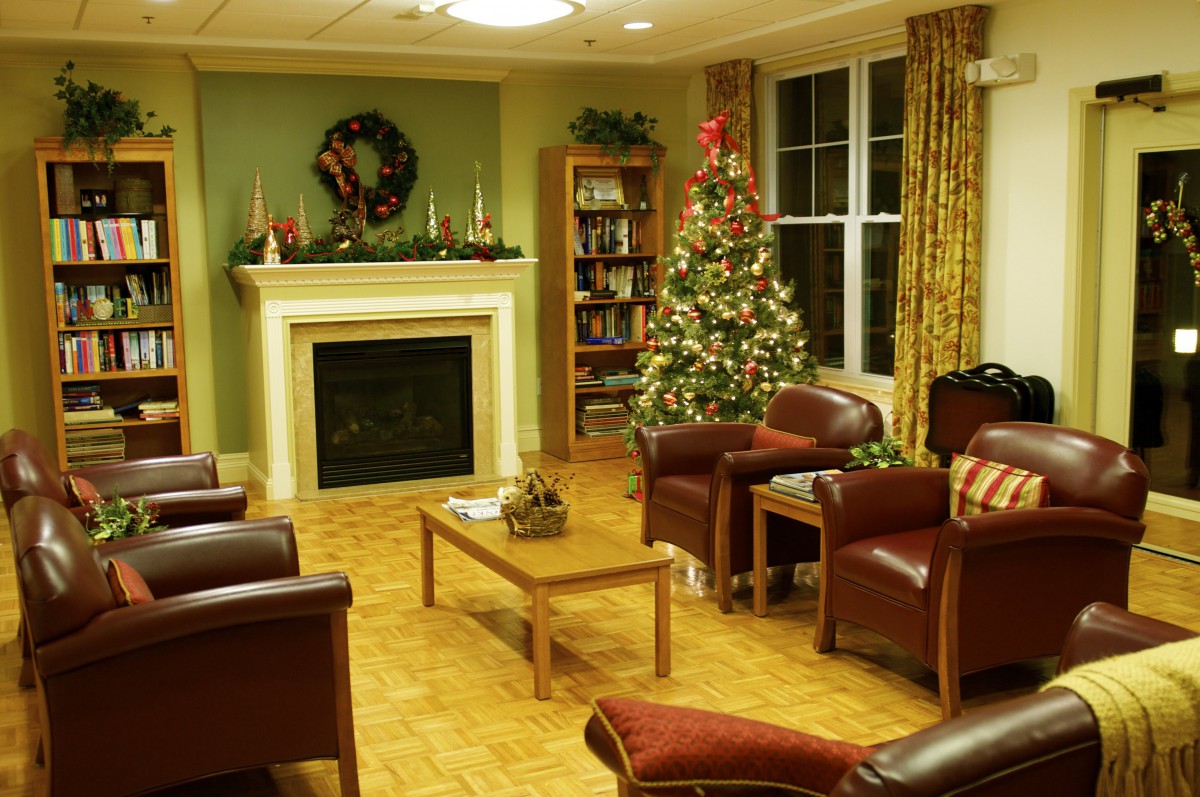
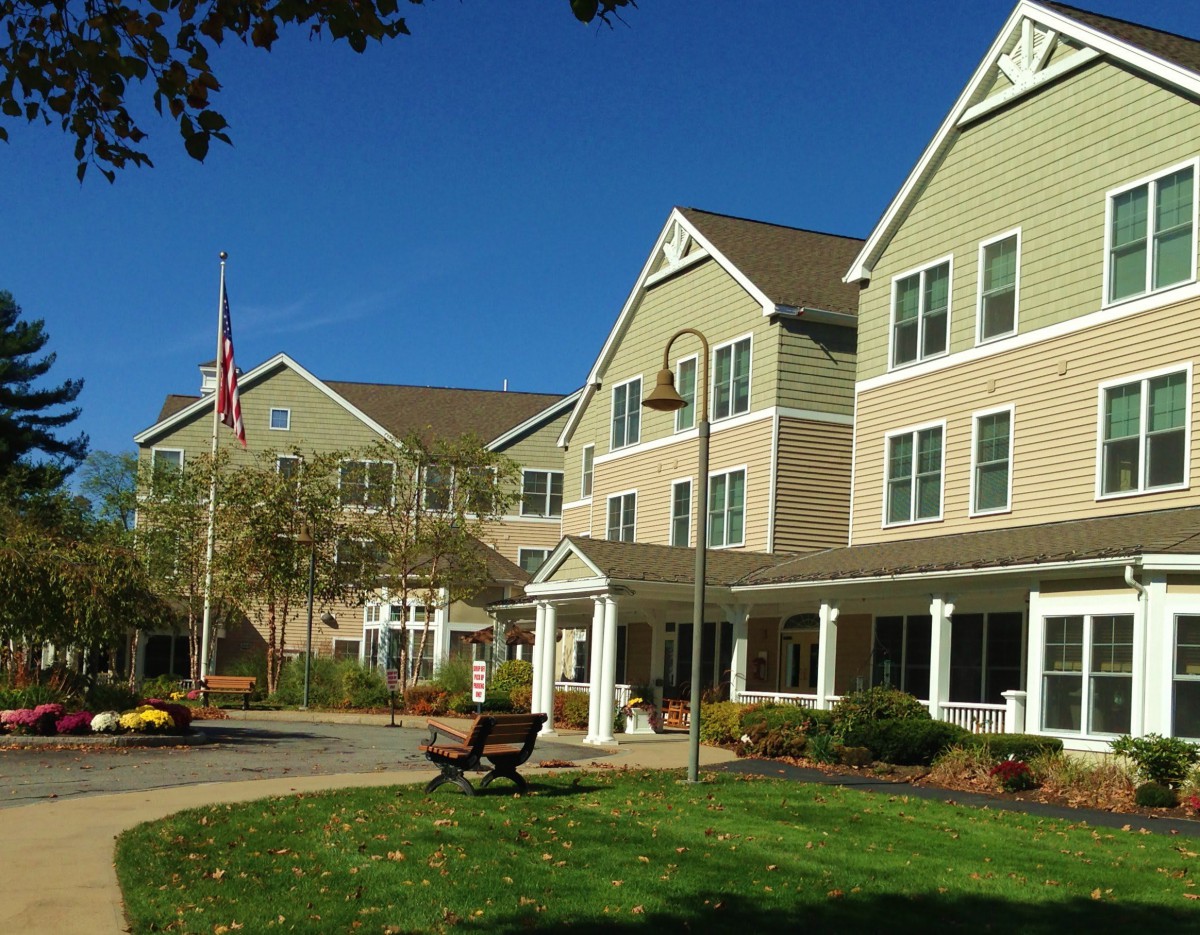
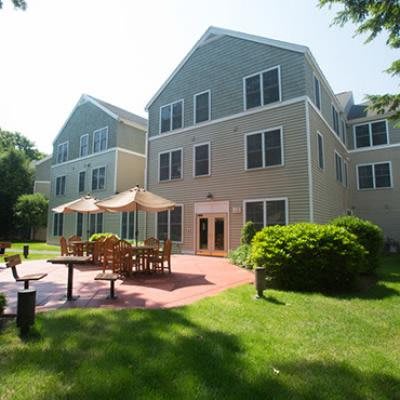
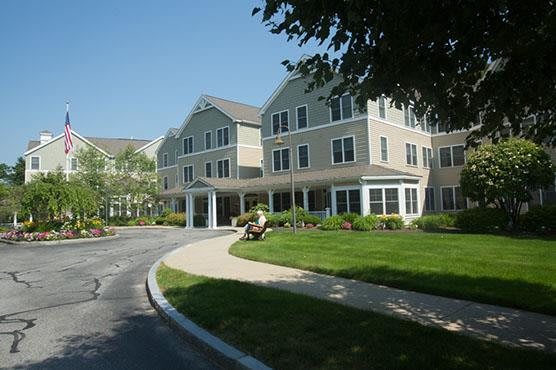
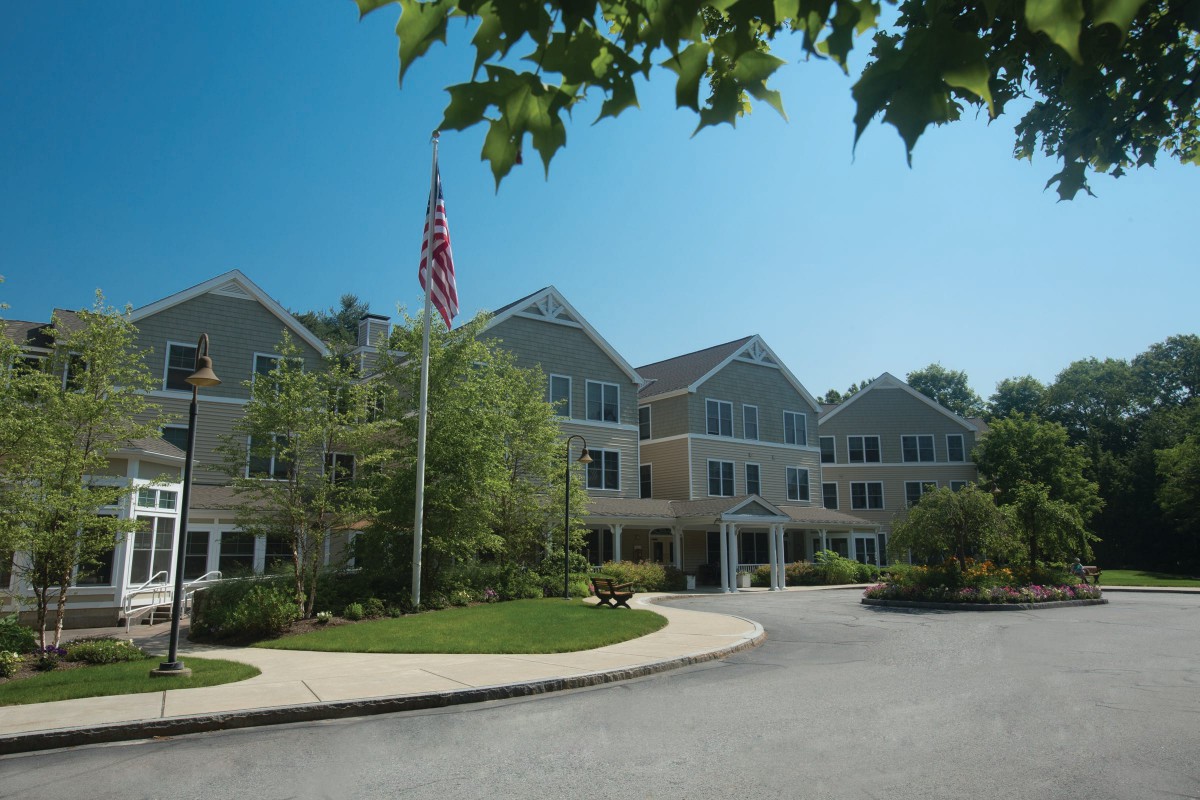
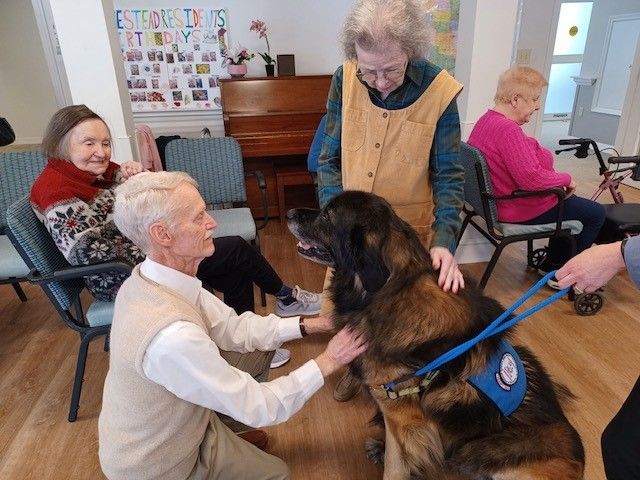
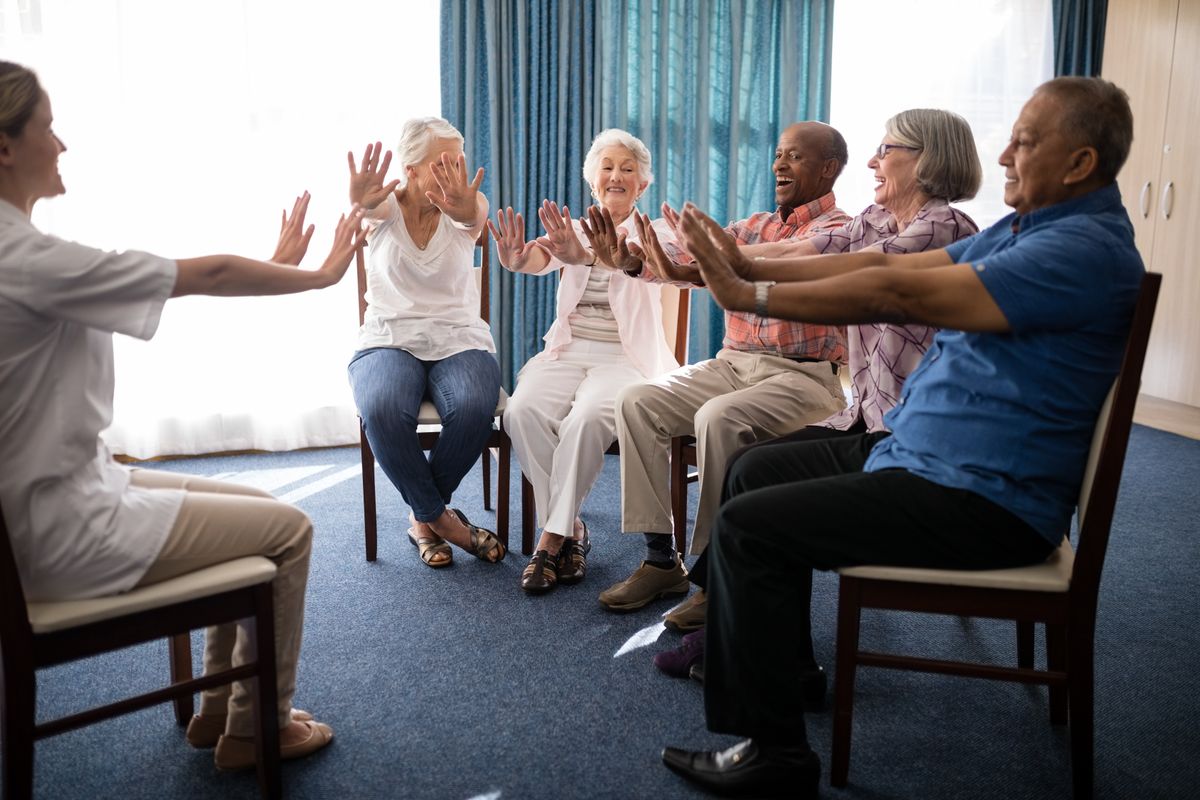
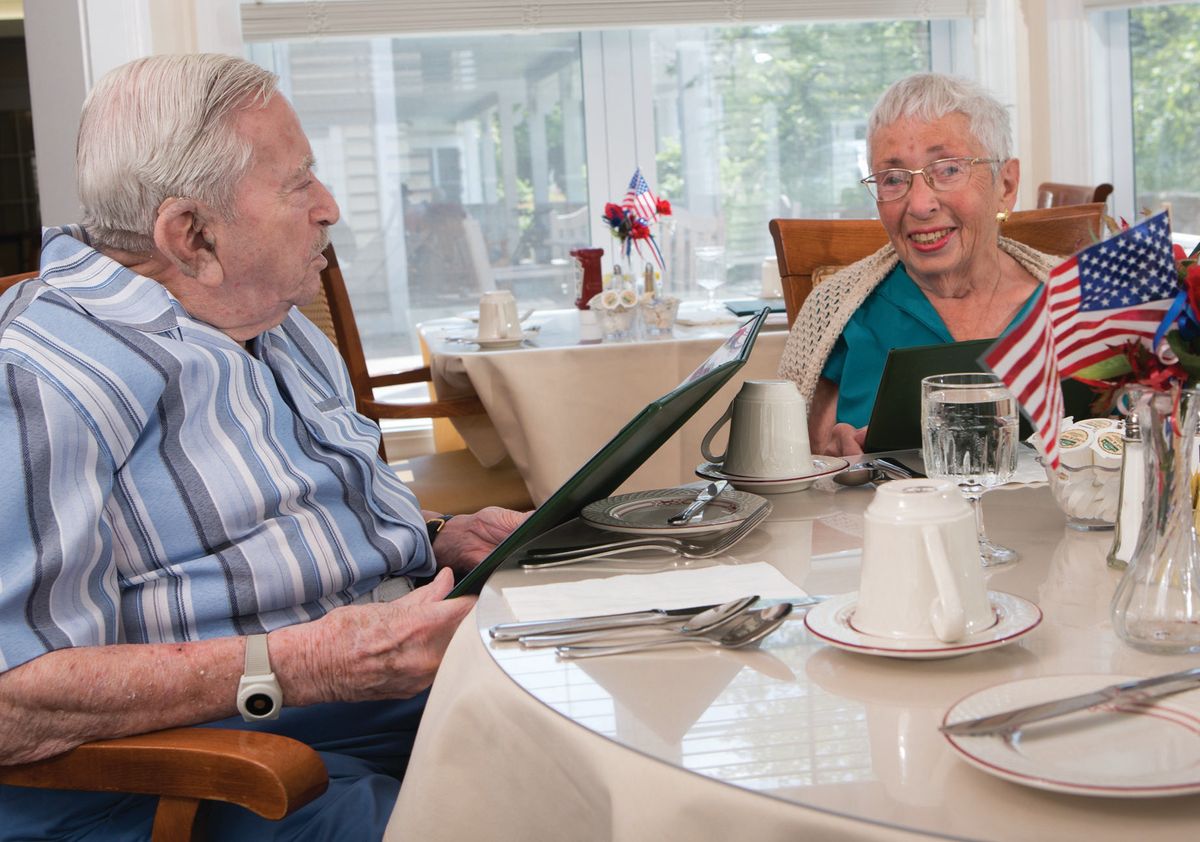
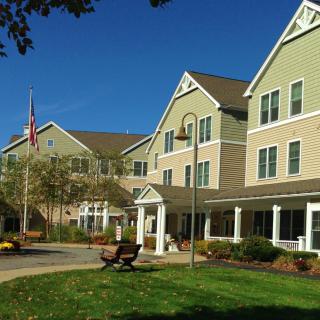
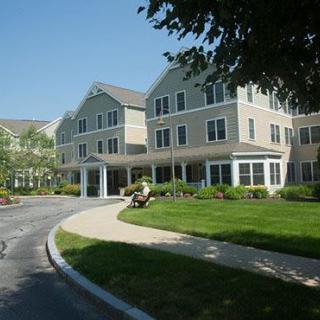
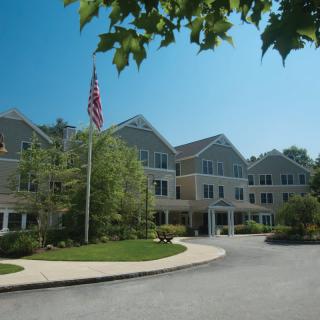
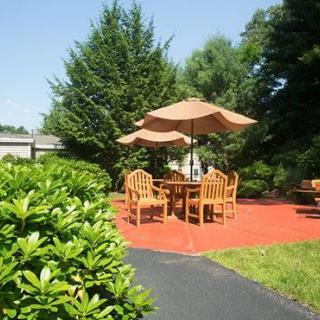
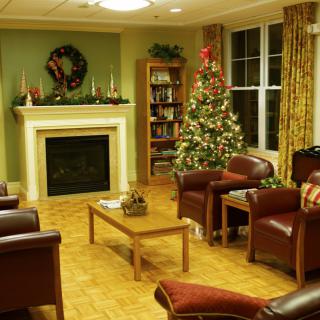
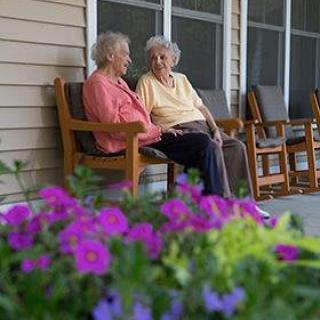
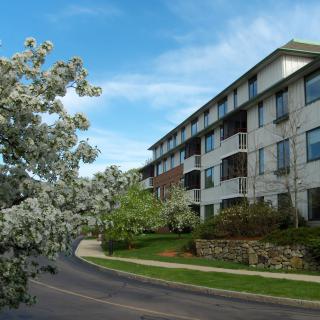
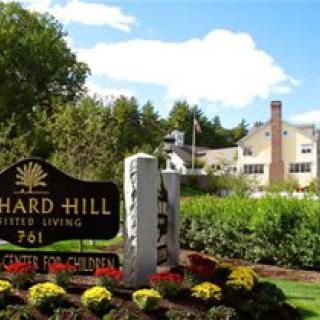
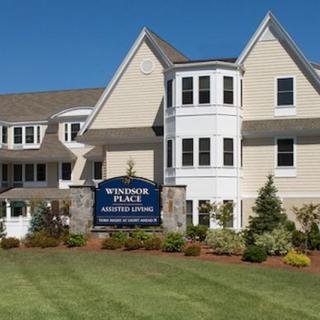
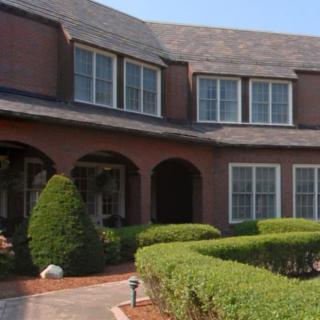
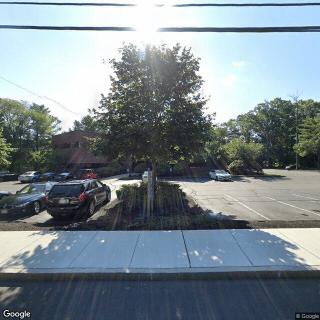
Mary Ann Morse at Heritage on seniors.fyi includes 16 photos including images showing trees, interior, landscaping, living room, building, dining, fireplace, flag, and more.
Nearby Communities
Shillman House
Framingham, MA
4.5 from 33 reviews
$2,800 to $3,300 / month
Caring staff, clean environment, engaging activities, and great value.
Oak Knoll Healthcare Center
Framingham, MA
2.7 from 15 reviews
Clean facility with friendly, caring staff and good dining for some residents.
Oak Knoll Health Care Ctr
Framingham, MA
3.3 from 14 reviews
Some families report attentive rehab care and a pleasant environment.
St Patrick's Manor
Framingham, MA
4.3 from 87 reviews
$2,570 to $3,400 / month
Compassionate staff with a strong memory-care focus and engaging daily activities.
Carmel Terrace
Framingham, MA
4.8 from 43 reviews
$5,599 to $7,500 / month
Friendly staff, strong sense of community, and abundant amenities.
Sudbury River Home Care
Framingham, MA
4.7 from 39 reviews
Courteous, reliable caregivers with quick emergency response.
The Branches Of Framingham
Framingham, MA
4.4 from 74 reviews
$4,106 to $6,996 / month
Friendly, caring staff and engaging activities in a clean, modern setting.
Brookdale Cushing Park
Framingham, MA
4.3 from 102 reviews
$3,570 to $5,245 / month
Beautiful, clean facility with friendly staff and versatile care options.
Sundown syndrome, or sundowning, is a phenomenon in dementia patients characterized by increased confusion and agitation during late afternoon and evening, influenced by factors like disrupted circadian rhythms and fatigue. Effective caregiver strategies include establishing routines and managing environmental light while addressing caregiver stress through support services.
Delirium is a rapidly onset, reversible cognitive disturbance often caused by acute medical issues, while dementia is a gradual and irreversible decline due to chronic neurodegenerative diseases. Accurate differentiation between the two is essential for appropriate treatment and management in older adults.
Dementia, including Alzheimer’s disease, is often mischaracterized in terms of lethality as it leads to complications that can be fatal rather than being a direct cause of death; it causes a progressive decline in cognitive and physical health, making patients vulnerable to infections and other health crises. Effective management of nutrition, hydration, and communication is crucial in patient care, with palliative care becoming vital in advanced stages to enhance comfort and quality of life while caregivers play a key role amidst the challenges posed by the disease.
Get PricingAsk A QuestionSchedule A TourContact Senior Advisor
By clicking submit, you agree to our Partner's Terms of Use. You
also consent to receive calls and texts, which may be autodialed, from our Partner. Your consent is not a condition to
using our Partner's service. Please visit our Partner's Privacy Policy for information about their privacy practices.









 98 resident community capacity
 1-bedroom apartments
 Assisted Living
 Independent Living
 Memory Care
 Skilled Nursing Facility
 Cats allowed
 Dogs allowed
 Activities off-site
 Air-conditioning
 Beautician on-site
 Cable or satellite TV
 Computer center
 Devotional services off-site
 Dining room
 Financing advice
 Fitness room
 Full kitchen
 Fully furnished
 Gaming room
 Garden
 Guest parking
 Handicap accessible
 Housekeeping services
 Indoor common areas
 Laundry
 Move-in coordination
 Outdoor common areas
 Party space
 Private bathrooms
 Respite or short term stays offered
 Restaurant-style dining
 Small library
 Telephone
 Wellness center
 Wheelchair accessible showers
 Wi-Fi/high-speed internet available
 Gen Edw L Logan International (22 miles away)
 Community operated transportation
 12-16 hour nursing
 24-hour call system
 Ambulatory care
 Assistance with bathing
 Assistance with dressing
 Assistance with transfers
 Diabetes diet
 Hospice care
 Incontinence care
 Medication management
 Mental wellness program
 Physical therapy
 Psychiatric care
 Special dietary restrictions
 Art classes
 Book club
 Catholic services
 Concierge services
 Cooking classes
 Educational speakers / life long learning
 Games
Games Jewish services
 Live musical performances
 Planned day trips
 Wii bowling
 English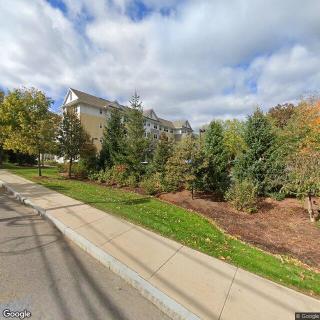
 Caring staff, clean environment, engaging activities, and great value.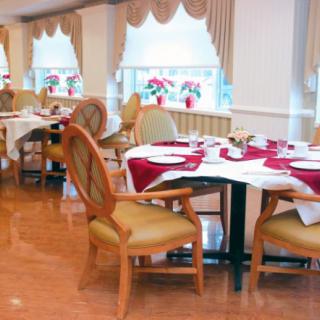



 Comprehending Evening Confusion in Dementia: Causes, Manifestations, and Support
 Delirium and Dementia: Unraveling the Key Differences
 Are Dementia and Alzheimer's Disease Lethal? A Comprehensive Exploration