
9 Arbetter Dr, Framingham, MA 01701
To contact a resident: (508) 877-3300
For more information about senior living options: (866) 208-4318
Overall Review of Oak Knoll Health Care Ctr
Pros
 Bethany Health Care Center is described as a great place to work.
- The staff are noted for the chance to work with residents, which they value.
- The second floor is highlighted as a place that fills staff with love.
- Residents have given staff many compliments that they will carry with them forever.
- The facility is described as very nice, with rehab care deemed the best, and the reviewer would choose it again.
Cons
 The facility was not very clean.
- The food was very unhealthy and it was difficult to get the kitchen to accommodate the mother's preferences.
- The administrator was repeatedly unavailable, making it hard to get decisions or assistance.
- The staff were rude, disrespectful, and uncaring.
- The staff did not believe the brother's reports of falls and treated him like a problem.
- Basic care, such as helping to the bathroom and providing water, was lacking.
- The place was described as a hell hole with no customer support, and the lack of care nearly caused the mother's death.
Review
Oak Knoll Health Care Ctr in Framingham is best suited for families seeking short-term rehabilitation with on-site therapy and a generally pleasant facility environment, provided they can tolerate variability in daily care and gaps in administrative accessibility. For residents who prioritize a clear rehab pathway and can navigate uneven customer-service across shifts, Oak Knoll can deliver useful outcomes. It is not a universal fit, however; long-term care demands steady, proactive daily support and timely leadership access, and those needs may be at risk here.
Those who should actively consider alternatives are families anxious about consistent daily caregiving, clear lines of communication, and dependable supervision. The strongest warning signs center on accessibility: administrators who are repeatedly unavailable, slow to respond, or hard to reach; and a pattern of frontline staff whose interactions feel disrespectful or indifferent. For anyone who requires reliable help with bathing, mobility, meals, and essential routines, or who expects prompt, real-time collaboration with leadership, other communities are likely a safer bet.
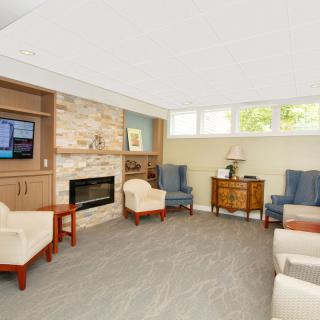
On the upside, Oak Knoll does offer a well-maintained facility and, on some floors, staff who genuinely care for residents. Positive notes about rehab care indicate that skilled therapy can produce meaningful gains for those who arrive with specific functional goals. A portion of families would choose Oak Knoll again for the rehab potential and the general environment, which shows that the building’s feel and some staff engagement can support recovery and comfort when the care plan aligns with real needs.
Yet the major cons consistently cited in reviews eclipse these gains. Recurrent complaints point to cleanliness issues, dissatisfaction with the kitchen and dietary responsiveness, and a dietician who is difficult to reach. More troubling are accounts of unavailability or perceived lack of compassion from leadership, and reports of residents not receiving basic care or being treated as problems to manage rather than individuals needing help. When leadership seems detached from frontline caregiving, the perceived quality of daily life deteriorates, and trust erodes quickly.
From a decision-making perspective, Oak Knoll’s rehab strengths must be weighed against persistent care and communication gaps. Pros offset by the negative pattern only if the rehab plan is the sole criterion and the family commits to rigorous oversight and frequent on-site checks. For almost every other priority, consistency in daily assistance, respectful treatment, timely responses from administration, these red flags carry real risk. Families should demand concrete care plans, assigned point people, and evidence of reliable responsiveness before counting on Oak Knoll as a long-term home.
In the end, Oak Knoll Health Care Ctr presents a mixed, high-stakes equation. It is not a top pick for families prioritizing steady, compassionate daily care or transparent leadership. For those with a primary focus on rehab outcomes and the capacity to do diligent, hands-on evaluation, there may be value after careful on-site review and corroboration of current staffing and processes. Otherwise, widening the search to communities with demonstrably steadier daily care, stronger administrative accessibility, and consistently clean environments is the prudent course.
 Skilled Nursing Facility
 Gen Edw L Logan International (21 miles away)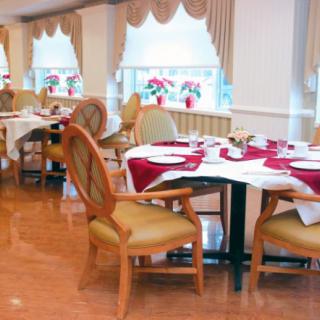



 In-Depth Look at the VA Aid and Attendance Program
 Nurturing Our Loved Ones: A Daughter's Journey in Caring for Her Mother
 Nurturing Our Elders: Linda's Journey of Supporting Her Mother