
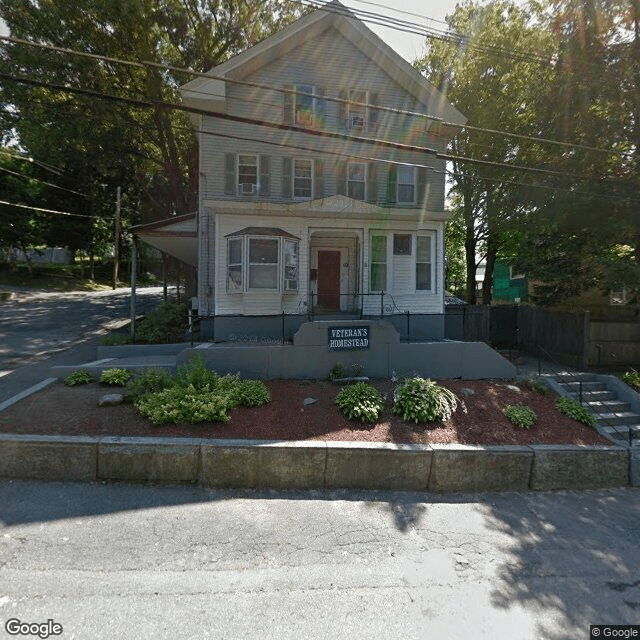
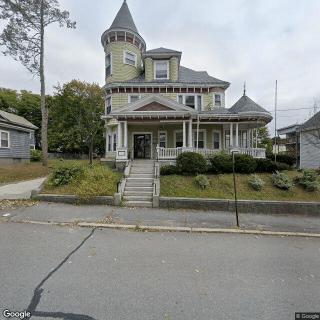
69 High St, Fitchburg, MA 01420
To contact a resident: (978) 353-0234
For more information about senior living options: (866) 208-4318
Overall Review of Veterans Homestead
Pros
 They are good guys doing a good service.
- The people residing there are kind and quite polite.
- It is the best organization in the US for helping veterans.
Cons
 This is no longer a Veterans Homestead, it's now a halfway house for recovering addicts.
Review
This community is best suited for veterans who want a peer-driven, veteran-focused gathering and social environment, and who are comfortable with a recovery-supportive living model rather than a traditional assisted-living arrangement. In practical terms, it serves best those who prioritize camaraderie, informal support, and a sense of purpose within a close-knit group. Families pursuing formal licensed care, dementia-specific programming, or clinical oversight should not treat this as a substitute for standard assisted living; those needs point toward other local options that provide licensed medical or memory-care services.
Those who may want to consider alternatives are primarily families and residents seeking structured, regulated care. If the goal is ongoing medication management, predictable daily routines with licensed staff, or comprehensive safety measures tied to a licensed facility, look for communities with clearly documented licensing, standard operating procedures, and certified caregivers. If dementia care or mobility-linked assistance is a priority, or if a highly predictable, formalized care plan is required, this location is unlikely to meet those expectations. Additionally, if the current branding or status, being described by some reviewers as no longer a Veterans Homestead and more of a halfway house, does not align with long-term goals, it’s wise to explore other options before committing.
From the feedback, the strongest positives center on the human side: residents described as kind and polite, with a palpable sense of camaraderie and purpose. Several reviewers praised the mission to help veterans and highlighted the sense of community as a meaningful benefit. The sentiment that “the best organization in the US for helping our veterans” reflects a powerful, mission-driven vibe that can translate into daily support, easy social connection, and a non-clinical but engaged living environment. For someone who wants lightweight structure, social engagement, and a veteran-centric network, these elements can be compelling and practically useful.
Yet the most consequential drawback surfaced clearly in several accounts: the site is perceived by some as no longer operating as a traditional Veterans Homestead and, instead, functioning as a recovery-oriented halfway house for addicts. That framing carries real implications for safety expectations, resident turnover, and the kind of programming available. The ambiguity about status and purpose can undermine stability for veterans seeking a predictable, purpose-built living situation. For families, this translates into questions about oversight, eligibility, and alignment with long-term goals; for residents, it raises considerations about daily routine, supervision, and potential exposure to active recovery dynamics.
In weighing pros against the main cons, the social capital and peer connection can offset some downsides for a very specific audience: veterans who want a low-key, community-driven environment and who are comfortable with a recovery-services orientation. The drawback, uncertainty about licensing, formal care levels, and consistent programming, narrows the fit to those who do not require traditional assisted living or regulated care. For those who do need clear clinical oversight, medication management, or dementia-specific services, the offset falls away and the model becomes a mismatch. Practical decision-making should thus hinge on a precise intake conversation: confirm current status, licensing, and the exact nature of daily programming; tour with questions about safety protocols and staff coverage; and speak with current residents about their experiences.
The bottom line is practical and decisive: this community is not a universal fit for all veterans or families. It works best for individuals who value a veteran-centered, peer-led social environment and are open to, or even seek, a recovery-support orientation. For anyone chasing licensed care, structured routines, or dementia care, alternatives that offer clear licensing, explicit staffing levels, and defined medical oversight will deliver more predictable outcomes. Prospective families should act with diligence, seek updated status confirmations, request documentation on licensing, and compare with nearby assisted-living options to determine which path best aligns with safety, care needs, and personal goals.
 Board and Care Home
 Worcester Regional (23 miles away)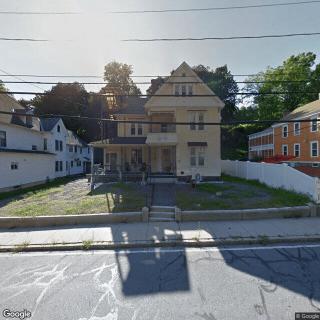

 A Comprehensive Exploration of Common Misunderstandings about Powers of Attorney
 Senior Move Management: Understanding the Role, Value, and Associated Costs
 Weight Training for Seniors: Building Strength and Vitality