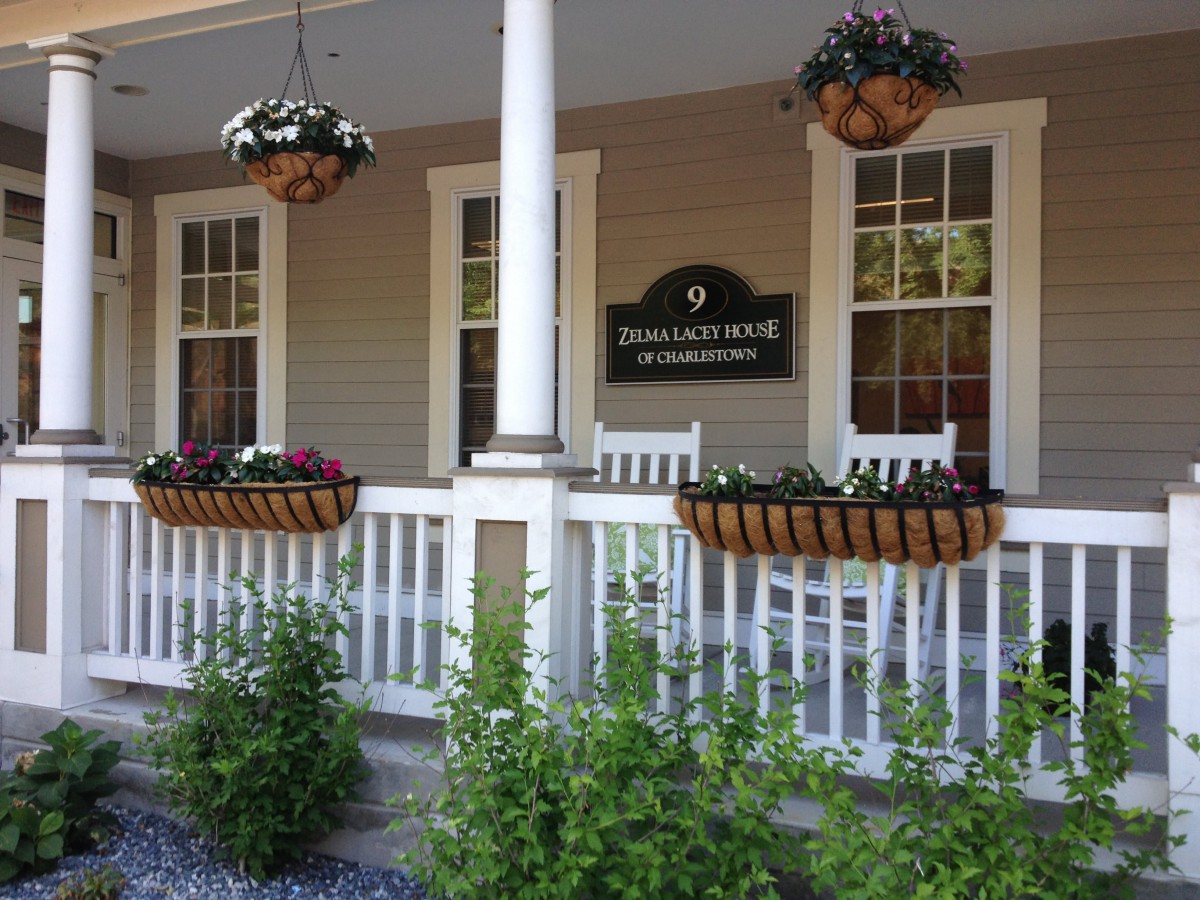
9 West School Street, Charlestown, MA 02129
For more information about senior living options: (866) 208-4318
Zelma Lacey House Costs & Pricing
Zelma Lacey House offers competitive pricing in comparison to both Suffolk County and the broader Massachusetts market. For instance, a studio apartment at Zelma Lacey is priced at $3,200 per month, significantly lower than the average cost of $5,278 in Suffolk County and $5,312 statewide. Similarly, their one-bedroom units are available for $3,500, offering substantial savings compared to the county's average of $5,439 and the state's average of $5,349. This positioning makes Zelma Lacey House an attractive option for those seeking quality living accommodations while being mindful of their budget in a region where housing costs can be quite high.
| Floor plans | Zelma Lacey House | Suffolk County | Massachusetts |
|---|---|---|---|
| Studio | $3,200 | $5,278 | $5,312 |
| 1 Bedroom | $3,500 | $5,439 | $5,349 |
Assisted Living communities with a similar price nearby
-
from +$200 / mo
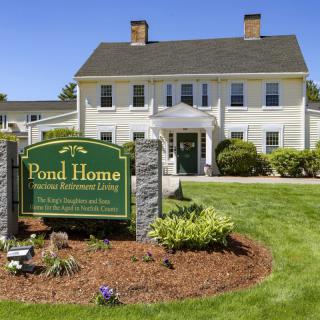
Pond Home
$3,400 to $5,076 / month25.0 miles away -
from -$270 / mo

The Willows Retirement Community
$2,930 to $4,850 / month24.2 miles away -
from +$150 / mo
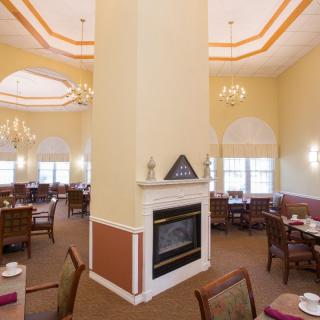
Benchmark Senior Living at Chelmsford Crossings
$3,350 to $4,550 / month21.3 miles away -
from +$600 / mo
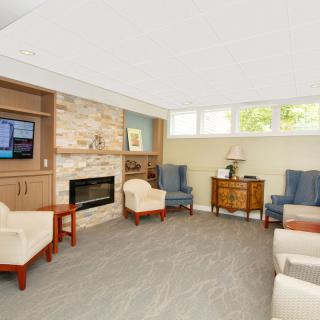
Mary Ann Morse at Heritage
$3,800 to $6,400 / month19.0 miles away -
from +$550 / mo
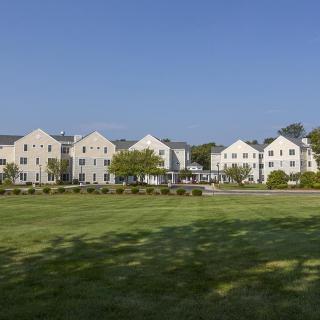
Ashland Farm At North Andover
$3,750 to $6,050 / month22.7 miles away
Overall Review of Zelma Lacey House
Pros
 The staff won over Mary and made it feel like home.
- The staff there are top notch and went well beyond expectations.
- Zelma Lacey is described as a ten out of ten.
- The admissions director was very great and helpful, making the aunt comfortable with moving in.
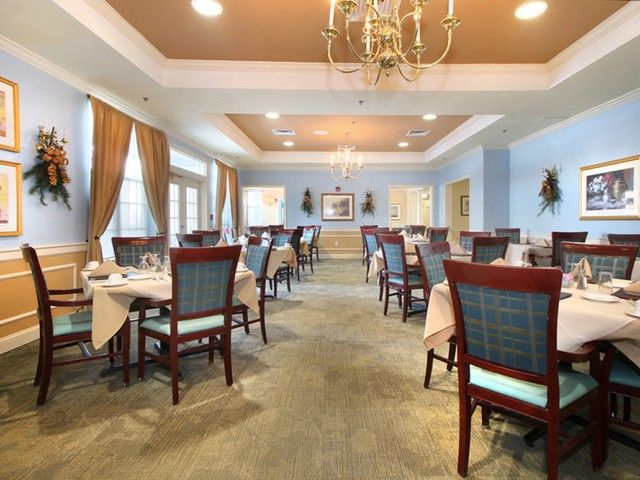
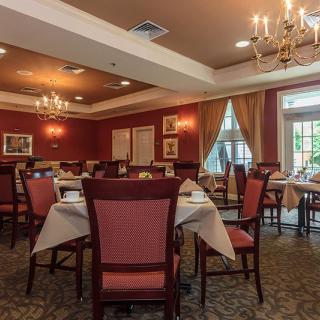
- The meals were delicious and nutritious, and she ate well there.
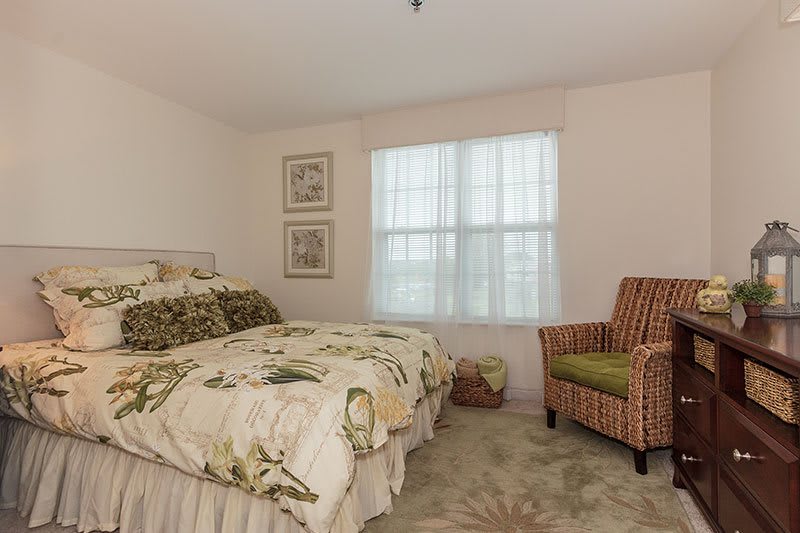
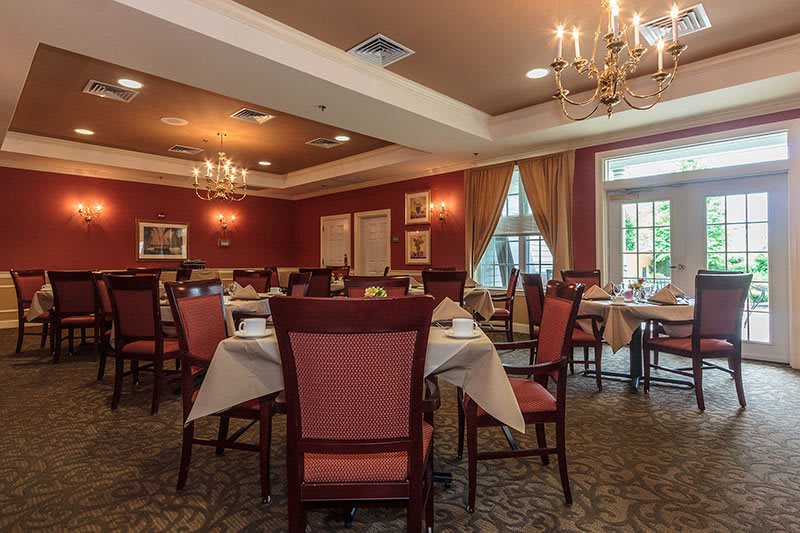
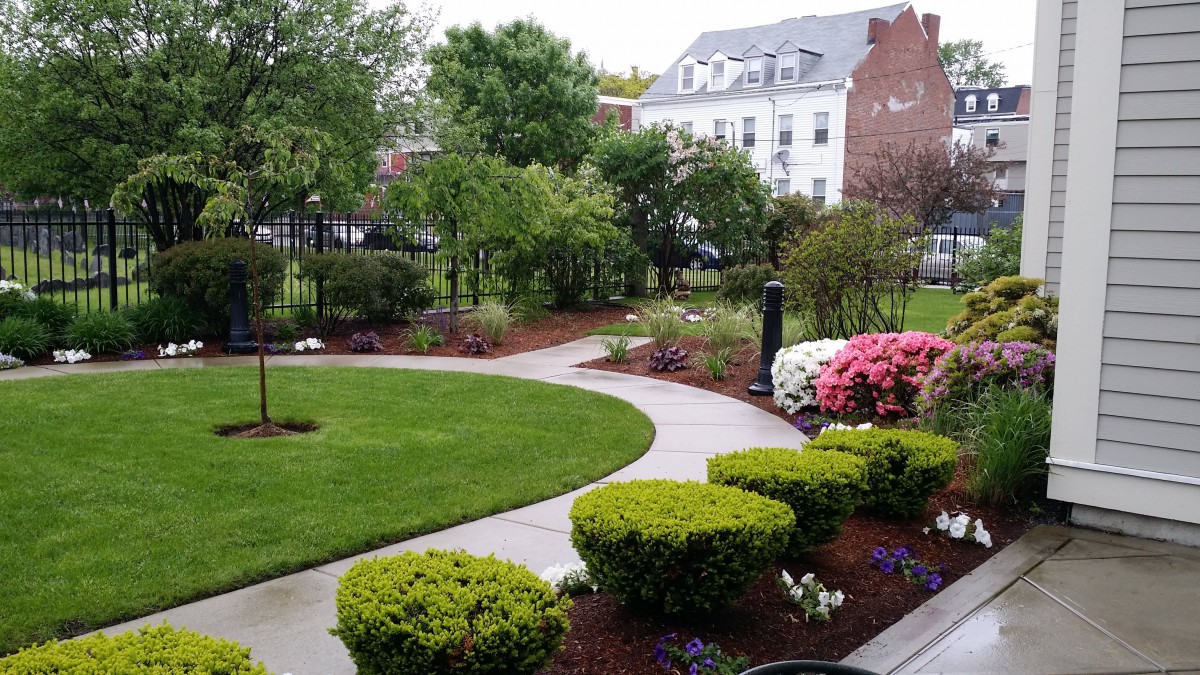
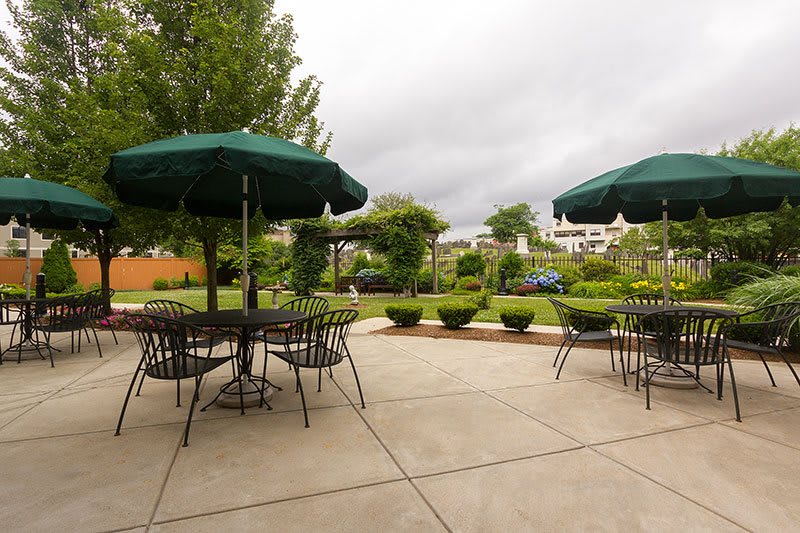
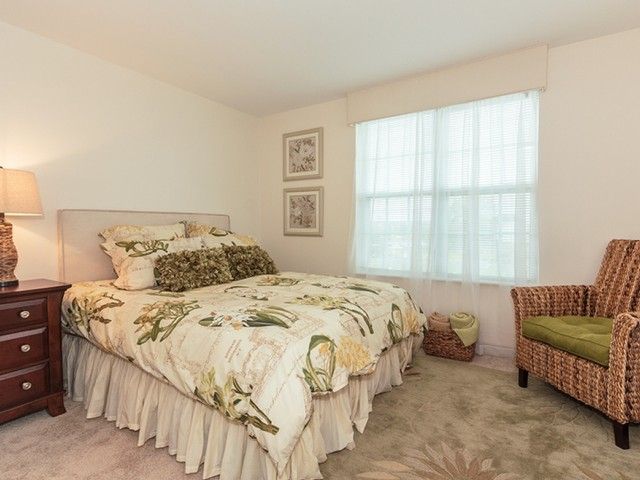
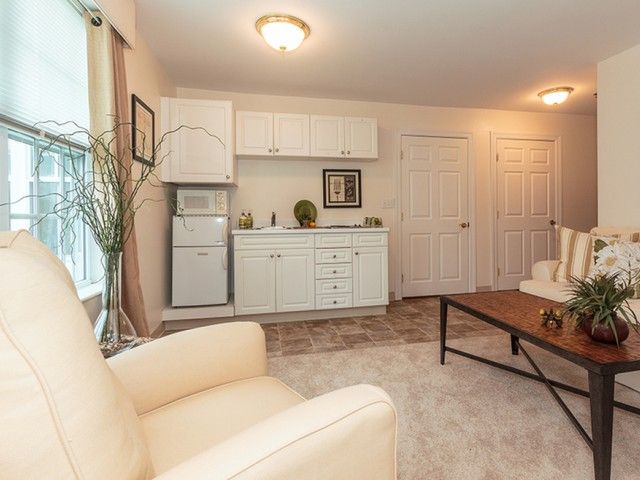
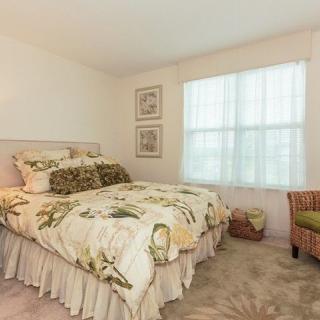
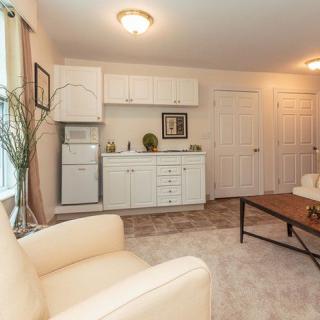
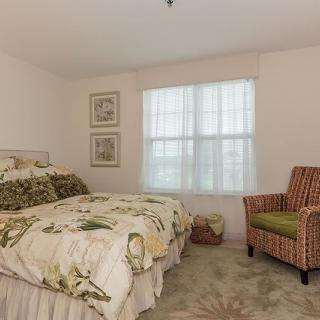
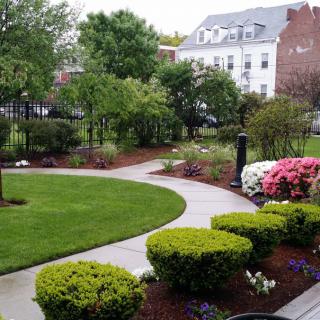
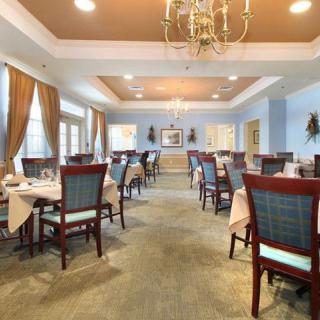
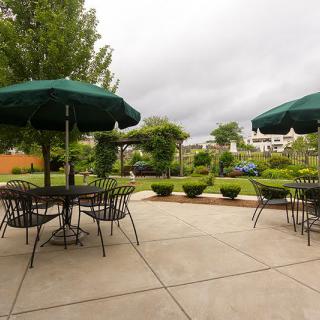
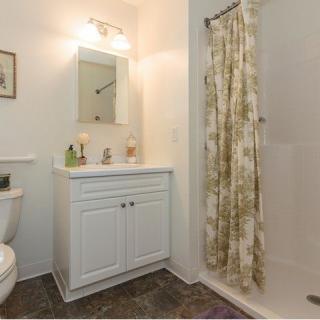
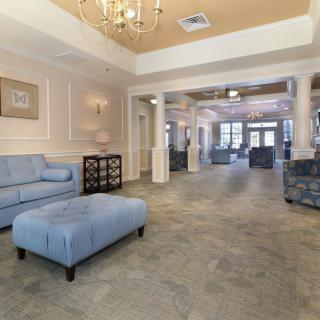
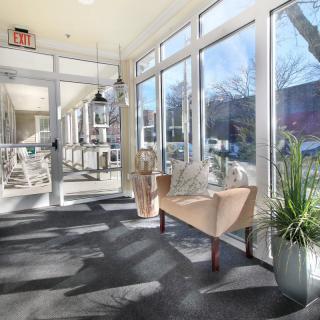
- The facility is clean, cheerful, and homey, with charming rooms and a landscaped patio.
- They would recommend the care and the value to other families.
- The marketing manager made every effort to ensure the stay was comfortable and the room well appointed.
Cons
 It was very difficult for Mary to consider moving to assisted living.
- There is a depressing grave site behind the building.
- The price is still pretty high.
- The location is too far.
Review
Zelma Lacey House in Charlestown is best suited for seniors who want a hands-on, compassionate assisted-living experience where staff build real relationships and daily life feels like home. This community shines for residents who are transitioning from independence but still need help with routine tasks, meals, and local outings, and for families that value a facilitative admissions process that eases the move. The environment is clearly built around warmth, cleanliness, and a domestic vibe, from charming rooms to a landscaped patio, so those who prize a home-like, non-clinical atmosphere will feel at ease. The staff’s commitment to resident welfare is repeatedly highlighted, with caregivers who stay engaged and consistently attentive.
Alternatives may be worth considering for several reasons. If cost is a primary driver, Zelma Lacey sits at the higher end of the market, so other options with more affordable rates warrant comparison. For families where proximity is non-negotiable, the Charlestown location can be a hurdle, as one reviewer noted being “too far” for easy visits. And for residents who require more intensive clinical oversight, memory-focused programming, or a more modern, urban setting with different amenities, exploring facilities that emphasize different care models may be prudent. In short, budget and visitation practicality, plus a need for specialized medical services, are the most obvious reasons to widen the search.
The strongest positives revolve around people and daily life. The care team earns consistent praise for its warmth, responsiveness, and willingness to go beyond expectations, creating a sense of trust and security that matters when a move is needed. The admissions experience stands out as a meaningful doorway, with staff who are patient, understanding, and effective at easing nerves about transition. Residents consistently report good meals with variety and nutrition, alongside a pace of activities and social opportunities that keep life engaging. The atmosphere feels cheerful and homey, and the rooms, décor, and outdoor spaces reinforce that domestic feel. Even respite stays are described as clean, well cared-for, and successfully aligned with an aging loved one’s needs.
The main drawbacks appear more in context than as deal-breakers. Price is the most commonly cited constraint, with comments suggesting the cost is "pretty high" even after attempts at value. Aesthetic and mood factors also surface in a lighter form, such as the perception of a somber backdrop created by a grave site behind the building, which can affect some residents or family members’ emotional response. Location-based caveats, namely, the distance involved for visiting family or friends, also matter for those who want frequent, convenient access. These factors can temper enthusiasm for Zelma Lacey if affordability or ease of access is a high priority, or if a resident is especially sensitive to surroundings.
Still, the positives often outweigh these concerns for the right resident. The extraordinary staff dedication and close-knit, home-like environment create a quality of life that can justify higher costs for families who value personal attention and emotional comfort. The admissions team, in particular, acts as a critical facilitator, helping families feel confident about the move and the ongoing care plan. The combination of nutritious meals, engaging activities, cleanliness, and a reassuring, friendly staff culture tends to produce resident satisfaction that is hard to match in facilities that feel more clinical or impersonal. For seniors who prioritize relational care and a sense of belonging, Zelma Lacey can deliver meaningful, everyday quality.
For families weighing next steps, a practical plan is essential. Schedule a thorough tour and request a detailed, itemized cost breakdown to understand what is included and what requires additional purchase. Talk with the admissions director about transition support, respite availability, and how care plans adapt over time as needs evolve. Consider potential visitation logistics and whether the commute aligns with family routines. If the priority is a warm, staff-driven environment with home-like charm and dependable daily life, Zelma Lacey House stands out in Charlestown as a strong, even compelling option. If cost, distance, or the need for heavier clinical oversight dominates the decision, it is wise to compare closely with alternatives that better fit those criteria.
 66 resident community capacity
 Assisted Living
 Respite Care
 Cats allowed
 Activities off-site
 Air-conditioning
 Beautician on-site
 Cable or satellite TV
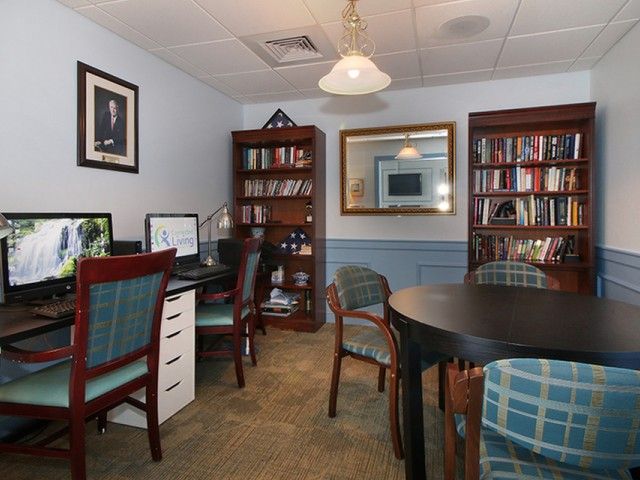
 Computer center
 Devotional services off-site
 Dining room
 Fitness room
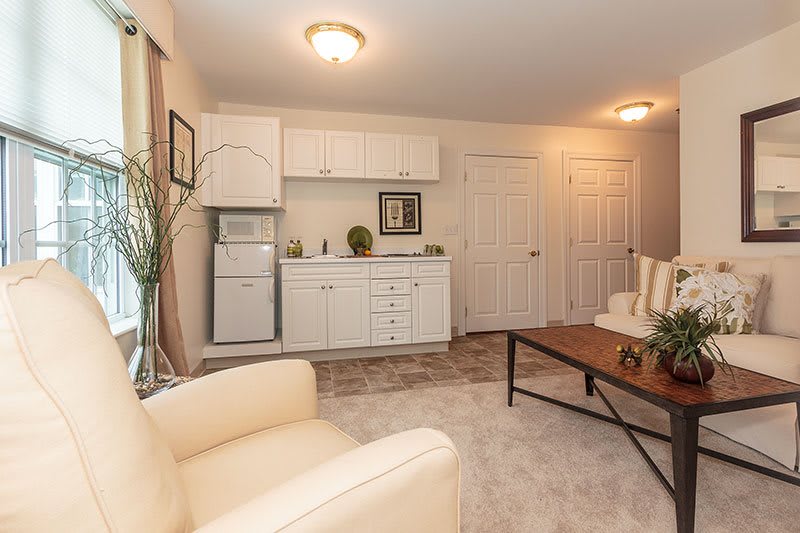
 Fully furnished
 Gaming room
 Garden
 Ground floor units
 Handicap accessible
 Housekeeping services
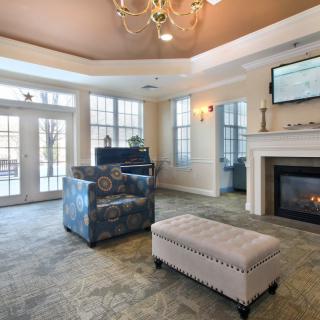
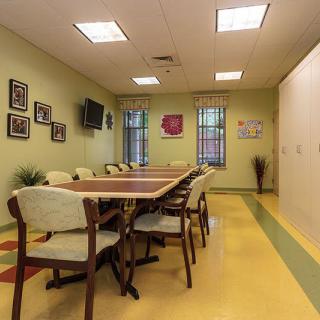
 Indoor common areas
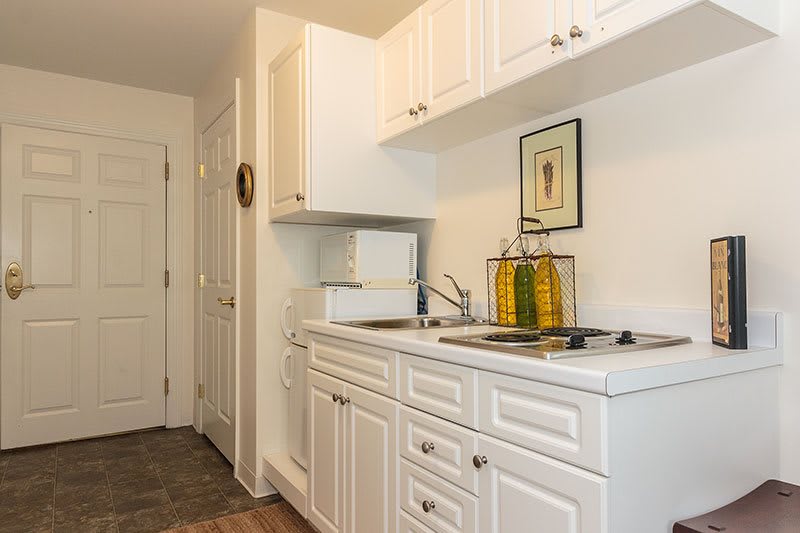
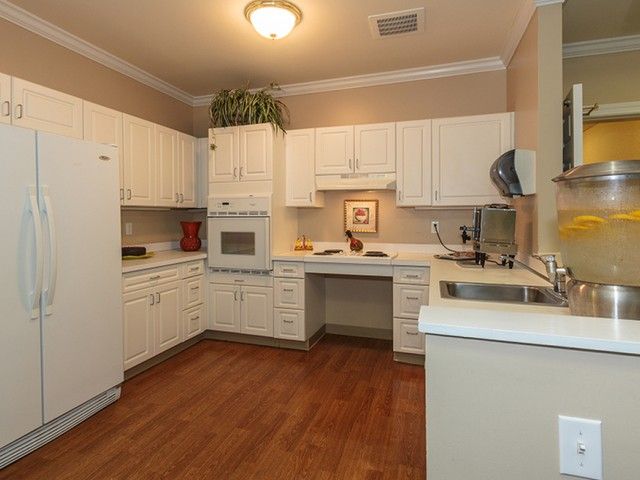
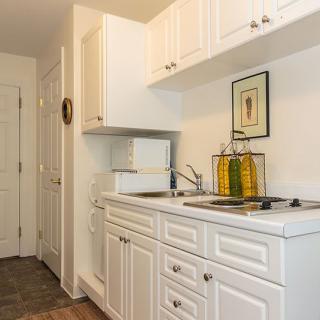
 Kitchenette
 Move-in coordination
 Outdoor common areas
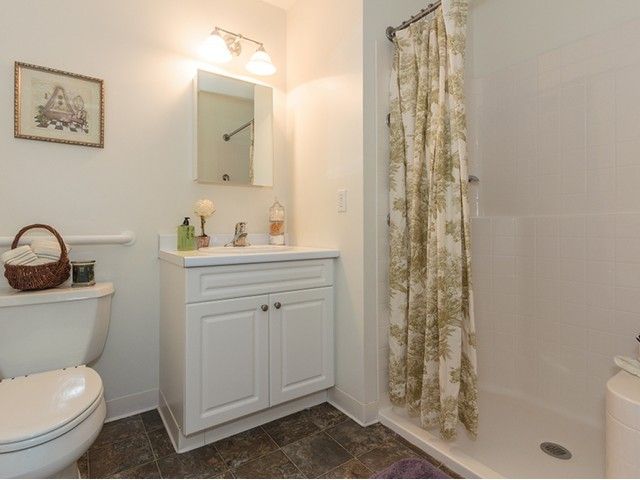
 Private bathrooms
 Restaurant-style dining
 Small library
 Telephone
 Wellness center
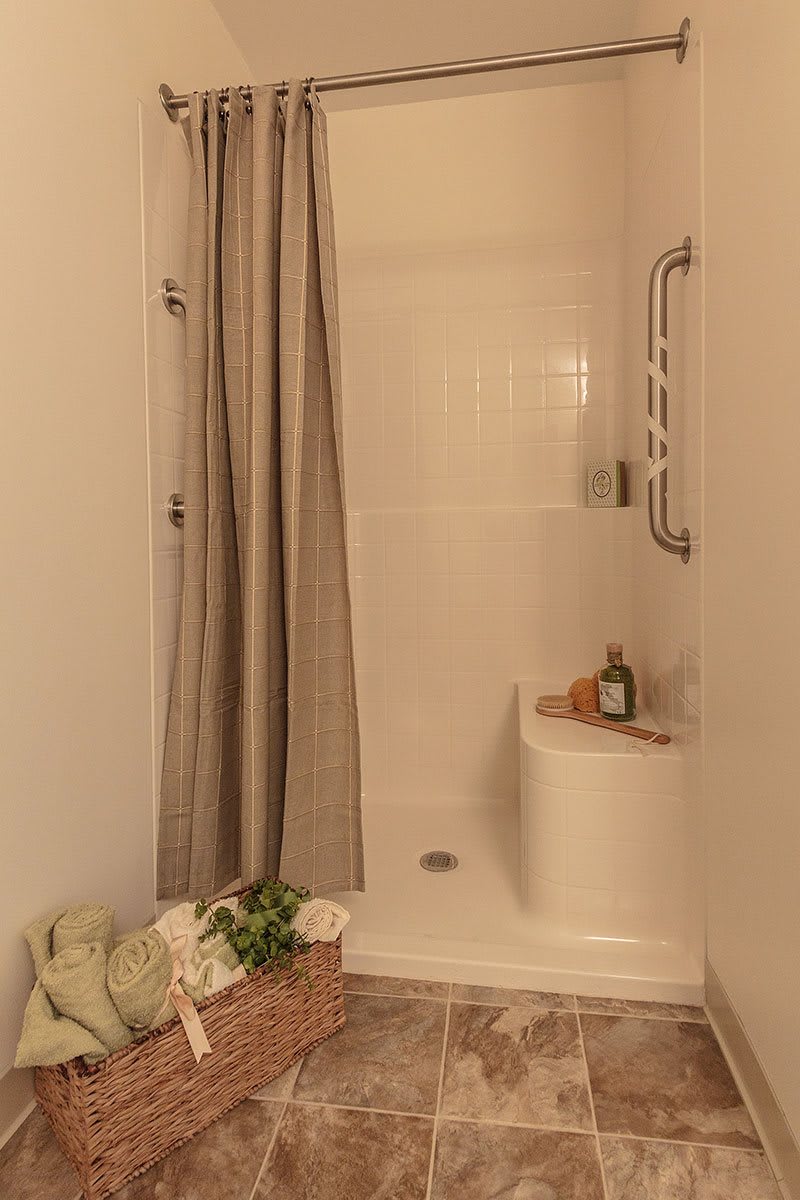
 Wheelchair accessible showers
 Wi-Fi/high-speed internet available
 Gen Edw L Logan International (3 miles away)
 Community operated transportation
 12-16 hour nursing
 24-hour call system
 Ambulatory care
 Assistance with bathing
 Assistance with dressing
 Assistance with transfers
 Diabetes diet
 Incontinence care
 Medication management
 Mental wellness program
 Special dietary restrictions
 Art classes
 Catholic services
 Concierge services
 Cooking classes
 Day trips and outings
 Educational speakers / life long learning
 Happy hour
 Live musical performances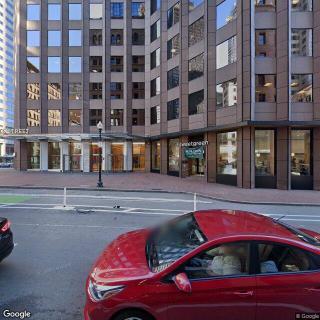

 Assisted Living Support for Veterans: A Complete and Detailed Overview
 Exploring the Contrasts Between Assisted Living and Skilled Nursing
 8 Key Indicators That Suggest It May Be Time to Transition from Assisted Living to Skilled Nursing Care