

129 Dodge Street Suite 1, Beverly, MA 01915
To contact a resident: (978) 232-9988
For more information about senior living options: (866) 208-4318
Overall Review of Comfort Keepers
Pros
 The reviewer cares about their mom's safety and well-being.
- The reviewer highlights the importance of proper emergency training for aides.
- The reviewer emphasizes timely communication with family during emergencies.
- The reviewer advocates for improved responsiveness and safety in care.
Cons
 The reviewer would not recommend the service to anyone.
- The reviewer’s mom had a fall while the caregivers were taking care of her.
- The mom fell when the aide was out of the room.
- The aide tried to call the reviewer three times before calling 911.
- Not all aides are properly trained for emergency situations.
Review
Comfort Keepers in Beverly, MA is best suited for families seeking in-home, one-on-one non-medical care and companionship where the client’s health status is relatively stable and a strong family or caregiver presence can fill gaps between visits. The model prioritizes the home setting, personal attention, and flexibility over clinical structure, making it appealing to those who want independence preserved and daily routines maintained without moving to a facility. Yet the sole negative report available highlights a sobering reality: safety oversight cannot be assumed, and that risk must be weighed heavily in any decision about care at home.
Those who should seriously consider alternatives are families facing significant fall risk or complex medical needs that require immediate, professional escalation. The account describes a fall occurring while the aide was out of the room, with emergency contact attempts lagging before calling 911, and a pillow placed under the head that suggests improper positioning. Such details scream insufficient emergency readiness and training gaps. For households that demand rapid, reliable response, consistent staff competence, or around-the-clock oversight, a provider with verifiable, standardized emergency protocols or a facility-based option will be a more prudent choice.
In terms of advantages, in-home care can deliver intimate attention and continuity in familiar surroundings, which often improves mood, motivation, and daily functioning for well-controlled conditions. Family involvement can complement professional care, enabling tailored support that aligns with routines and preferences. However, the core drawback exposed here, suboptimal emergency handling, undermines these benefits. The value of home-based care evaporates when danger arises and the response is delayed, mismanaged, or inadequately trained.
The main con highlighted by the experience is not easily offset by the usual in-home care strengths. A consistently trained staff, clear escalation protocols, and reliable supervision are essential safeguards that convert the theoretical safety advantage of home care into real protection. Without them, the advantages of personalized attention and home comfort remain theoretical rather than tangible. Prospects for stronger performance would depend on the agency’s demonstrated commitment to immediate emergency response, regular training updates, and robust oversight by supervisors or nurses who can intervene without delay.
Families evaluating Comfort Keepers should insist on concrete demonstrations of safety systems before committing. Key questions should cover staff training in fall prevention and emergency procedures, wait times for escalation to professional responders, incident reporting mechanisms, and whether there is 24/7 supervisory support. Request a clear care plan with defined escalation steps, a transfer protocol when medical needs exceed comfort care, and opportunities to trial the service with rigorous ongoing reviews. If fall risk is a live concern, insist on references that address safety outcomes and on-site oversight that can adapt quickly to changing needs.
The takeaway is straightforward: Comfort Keepers may be suitable for households prioritizing home-based companionship and flexible scheduling when risk is low and family oversight is strong. For families confronting meaningful fall risk, complex medical needs, or a demand for consistently rapid emergency action, alternatives should be pursued. This could mean a different home-care provider with proven emergency protocols or a facility-based option offering 24/7 professional coverage. The decision hinges on whether safety guarantees can be demonstrated and trusted, not on temperament or convenience alone.
 Gen Edw L Logan International (16 miles away)

 Financing Long-Term Nursing Home Care Through Social Security: A Thorough Exploration
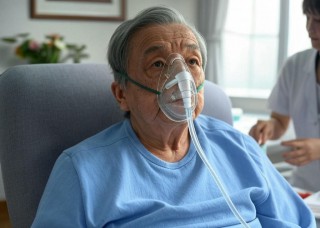 Essential Knowledge on Pneumonia in Older Adults
 Exploring Palliative Care in the Home: A Comprehensive Overview