Carleton Willard Village in Bedford, MA

Save

  • Interior

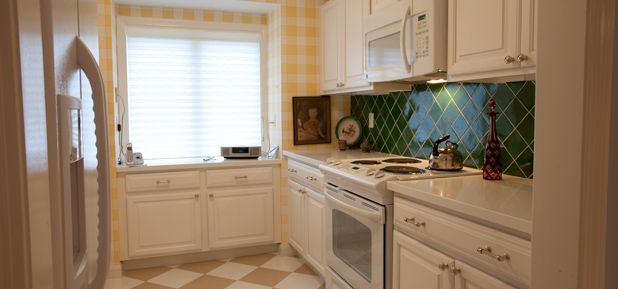
    A cozy kitchen with white cabinets and a green tile backsplash.
  • Outdoors

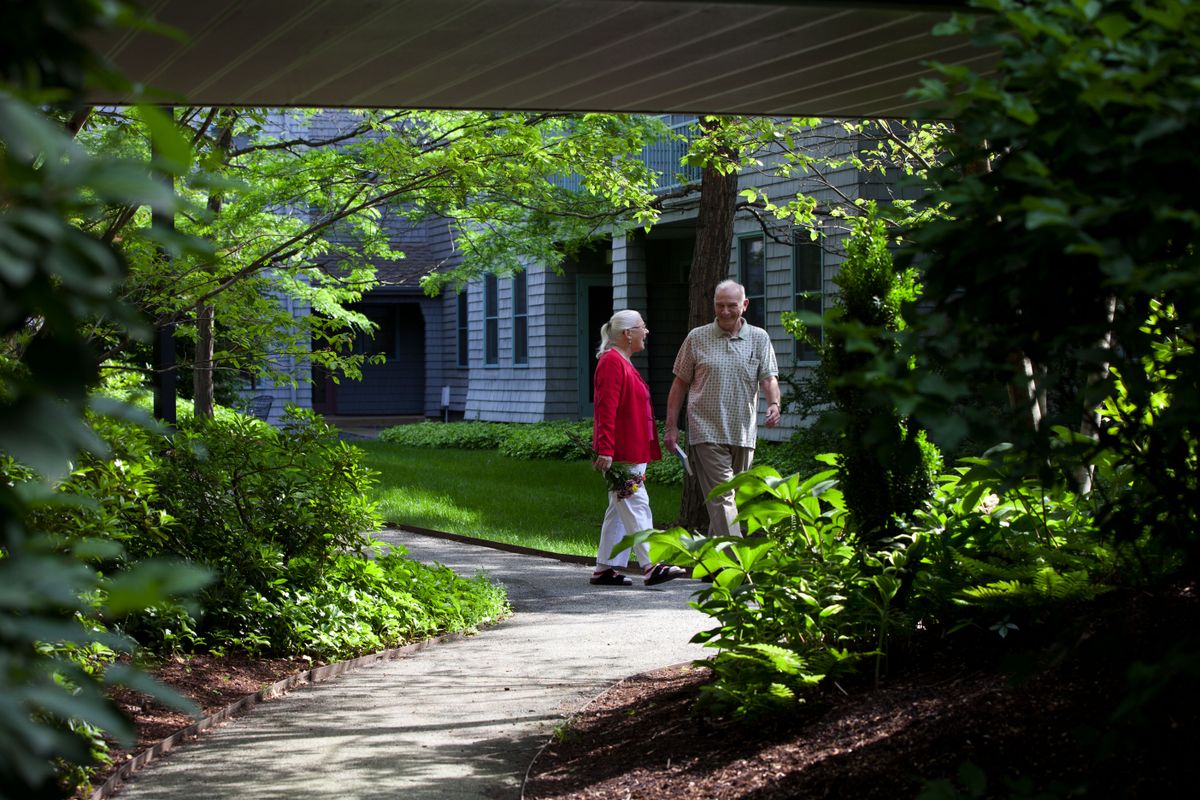
    A couple taking a walk through a lush garden path surrounded by trees.
  • Decor

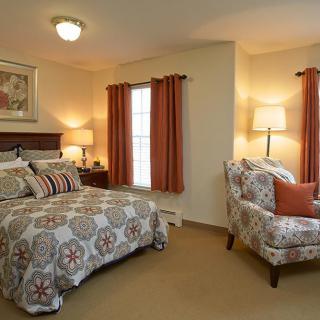
    A cozy bedroom interior with floral wallpaper and elegant furnishings.
  • Living Room

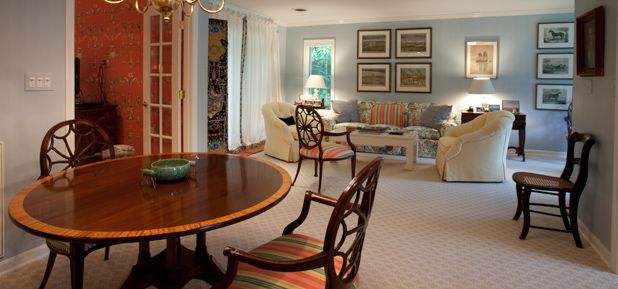
    A traditionally decorated living room featuring a dining area with elegant furniture.
  • Wall Art

    A cozy living room with red floral wallpaper, featuring a sofa, armchair, and home office corner.
  • Gym

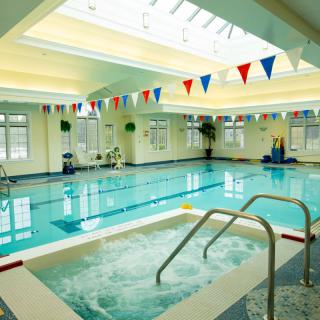
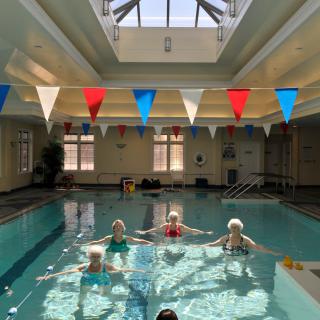
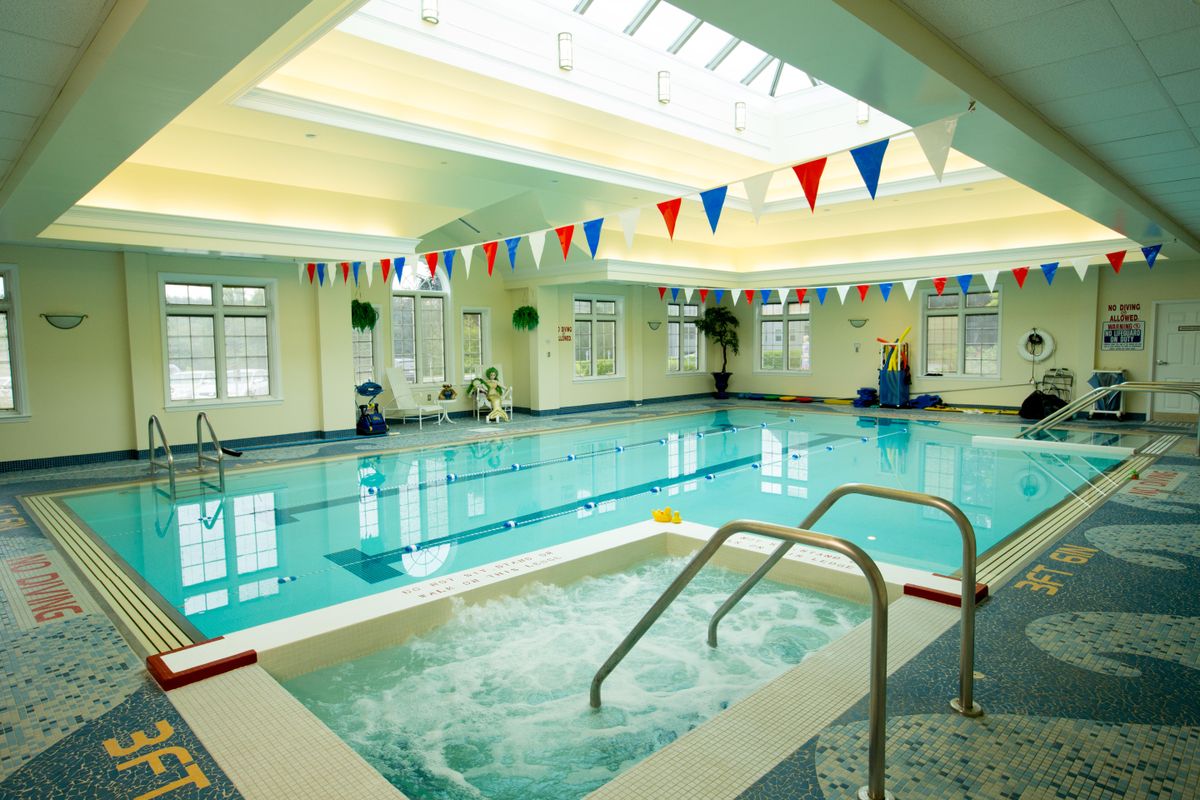
    An indoor swimming and jacuzzi area with bunting flags at a leisure center.
  • Swimming Pool

    An elderly woman participates in a water aerobics class using pool noodle floats.
  • Billiards

    Two older men playing billiards in a room with blue walls and window blinds.
  • Indoor Pool

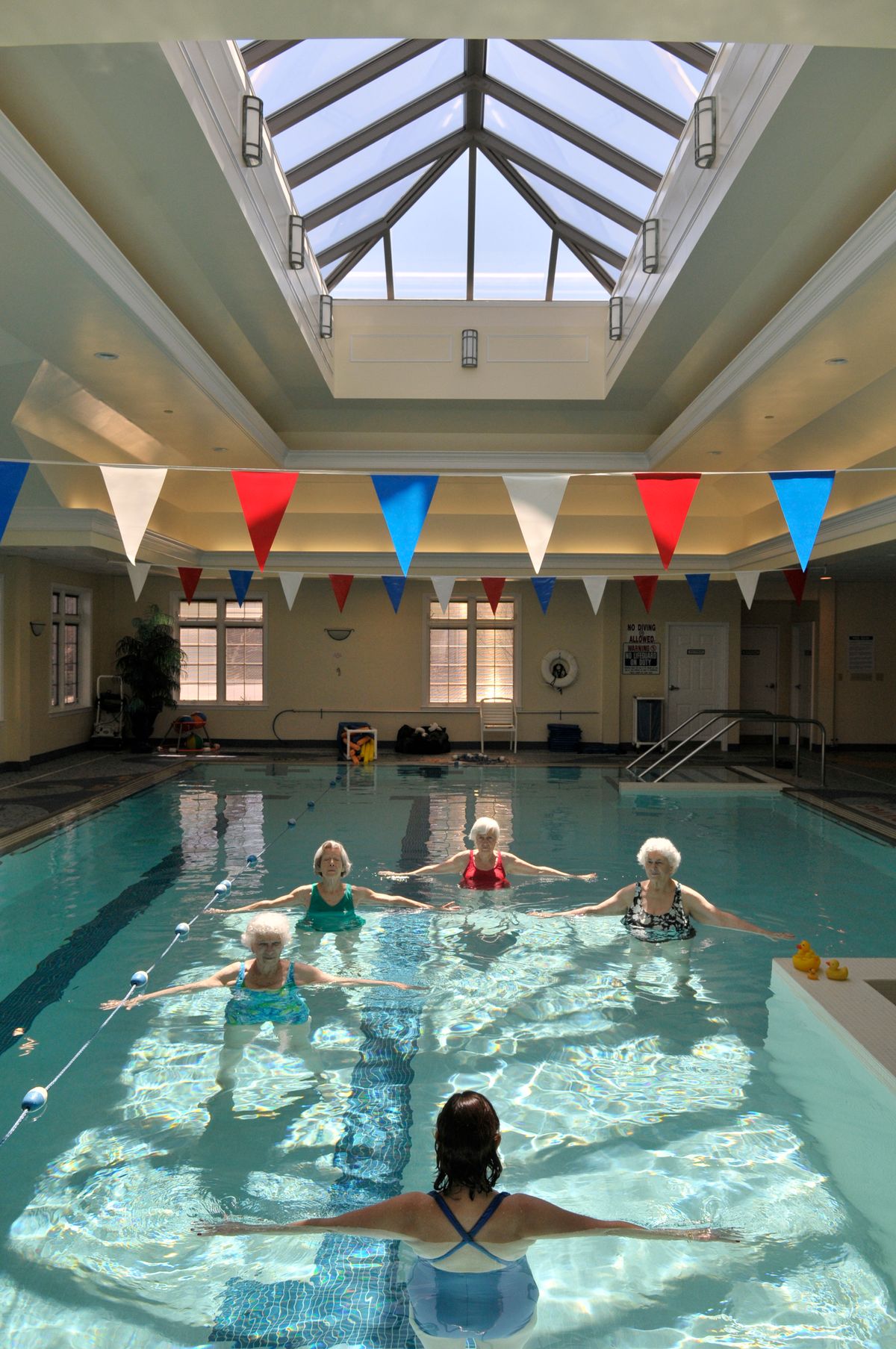
    A group of seniors participate in a water exercise class in an indoor pool, illuminated by natural sunlight streaming through the skylight.
  • Shrubs

    A person tending to a garden with lush greenery.

Carleton Willard Village in Bedford, MA

100 Old Billerica Road, Bedford, MA 01730

For more information about senior living options: (844) 490-3973

4.5 from 37 reviews
5 stars
28
4 stars
6
3 stars
0
2 stars
0
1 stars
3

Assisted Living Continuing Care Retirement Community (CCRC) Independent Living Memory Care Respite Care Skilled Nursing Facility

Overall Review of Carleton Willard Village

Pros

  • pro The staff who work directly with their father are very caring and genuinely concerned about his well-being.
  • pro Romeo is highly knowledgeable and takes pride in his work, and he praises Carleton-Willard Village's high standards.
  • pro It is a great retirement community with excellent care.
  • pro The memory care staff are invested in their work and treat residents with respect and dignity, and the environment is well kept.
  • pro The leadership team is very involved on site and responds promptly to patient needs and family questions.
  • pro The facilities are beautiful, well maintained, and comfortable, with a wide range of activities.
  • pro The community offers a complete Lifecare continuum in a village-like setting, which residents appreciate.
  • pro There is a wonderful outdoor pond with koi and turtles, and on-site dining and services that enhance visits.

Cons

  • pro They were promised full support after moving their father to CWV's nursing center, but evenings and weekends lack basic help and simple needs like using his phone go unmet.
  • pro Despite raising these concerns, CWV has not meaningfully acknowledged the need for change.
  • pro The management for the dining district is horrible.
  • pro It became clear that Carleton Willard was inept at taking care of residents in greatest need of sympathy and quality care, once Alzheimer's progressed.
  • pro The grandfather was confined to a depressing, dirty, and frightening wing that worsened his condition.
  • pro The staff were unsupportive and unapologetic for what they put relatives through, and the facility would not be advised for anyone at risk of developing mentally debilitating conditions.

Review

Carleton Willard Village is best suited for families seeking a true continuing-care campus that can move a resident from independent living into assisted living, memory care, and skilled nursing without leaving the community. The Lifecare model on offer appeals to planners who want long-term certainty, with an on-site memory care unit and a full nursing continuum, all within a village-like setting. The grounds are well-kept, the dining spaces inviting, and the overall campus feels stable and dignified - qualities that matter when aging in place is the goal. For residents whose needs will clearly escalate, CWV provides a thoughtful, comprehensive home base that minimizes transfers and upheaval.

This community is not ideal for households that require highly consistent daily support around the clock, particularly evenings and weekends. In one case, promises of full support for a loved one in the nursing center clashed with actual service gaps after hours, leaving basic needs unmet and undermining confidence in the care plan. Dining management has drawn criticism from families seeking smoother operations in the dining district, and some communication about problems has lagged. The Lifecare financial structure - significant upfront buy-in with ongoing costs and the potential for reduced returns - also warrants careful scrutiny for families balancing care quality with budget realities. Prospective residents in urgent need of reliable 24/7 touchpoints or flexible financial arrangements may want to weigh alternatives.

The strongest offset to these operational concerns is the campus's depth of care options and the standout performance of the Ross Worthen Memory Care Unit. Families repeatedly commend the staff's investment, compassion, and professional handling of both residents and their families. In memory care, activities are thoughtfully designed to engage residents, with consistent emphasis on dignity, safety, and meaningful engagement. The leadership team - program managers and nurse managers who are onsite and responsive - helps sustain a sense of continuity and accountability. This level of involvement from on-site leadership, paired with a well-resourced memory care team, makes CWV a compelling choice for families prioritizing high-quality dementia-focused care within a Lifecare framework.

Yet the negative threads present in the mix cannot be ignored. A pattern of uneven day-to-day responsiveness surfaces in some accounts, particularly when attention to basic needs and immediate concerns seems inconsistent. The dining experience, a crucial daily touchpoint for residents and families, can be uneven, signaling that the promised standard is not uniformly realized across all shifts or units. A few families describe troubling episodes tied to dementia care, including the use of antipsychotics, which underscores the importance of stringent oversight, transparent care planning, and ongoing dialogue with the care team. These cautions are not universal verdicts on CWV, but they signal that personal care expectations must be clarified and monitored closely.

For families evaluating CWV, the practical path is to demand specifics before committing. Seek concrete commitments on shift coverage - especially evenings and weekends - so that the level of support is predictable. Request a current, detailed memory-care activity calendar and a written description of what constitutes "full support" on a daily basis, including assistance with communication devices, mobility, and personal care. Tour the Ross Worthen unit with a critical eye toward staffing patterns, response times, and how families participate in ongoing care planning. Clarify room availability, current wait times, and the exact financial terms of the Lifecare model to ensure alignment with long-term budgeting. Listen to current families, observe staff interactions, and press for transparency at every step.

In sum, Carleton Willard Village stands as a compelling option for families seeking a long-term, continuum-based care environment with robust memory care, dedicated staff across units, and a campus atmosphere that fosters activity and belonging. It is not a hands-off investment; it demands rigorous evaluation of staffing reliability, dining governance, and the economics of Lifecare. For those who can navigate the financials and insist on strong on-site leadership paired with high-quality dementia care, CWV represents a sound, dignified home for aging in place. For those constrained by budget, timing, or the need for consistently seamless daily support, it is prudent to explore alternatives that may deliver steadier day-to-day service or lower upfront commitments.

Features

Housing

  • 100 resident community capacity 100 resident community capacity

Types of Care

  • Assisted Living Assisted LivingAssisted living facilities provide crucial support and care for seniors who may need help with daily tasks such as medication management, bathing, and meal preparation. These communities offer a safe and comfortable environment where seniors can maintain their independence while receiving the assistance they need to thrive in their golden years.
  • Continuing Care Retirement Community (CCRC) Continuing Care Retirement Community (CCRC)Continuing Care Retirement Communities (CCRCs) are important for seniors because they provide a range of housing options and care services all in one location. This allows seniors to age in place and receive the level of care they need as their health changes, without having to move to a new facility. CCRCs provide a sense of security and peace of mind for seniors and their families, knowing that they will be taken care of no matter what the future holds.
  • Independent Living Independent LivingIndependent living communities are important for seniors because they offer a safe and supportive environment where older adults can live independently while still having access to amenities and services that enhance their quality of life. These communities provide social opportunities, recreational activities, and assistance with daily tasks, promoting overall well-being and allowing seniors to maintain their independence for as long as possible.
  • Memory Care Memory CareMemory care is crucial for seniors as it provides specialized support and services for individuals with dementia or Alzheimer's disease. These programs offer a safe and secure environment where residents receive personalized care, cognitive stimulation, and help with daily activities. Memory care helps seniors maintain their independence, quality of life, and dignity while also providing peace of mind for their families.
  • Respite Care Respite CareRespite care provides temporary relief for caregivers, allowing them to recharge and attend to their own needs. It also gives seniors the opportunity to socialize, receive professional care, and experience a change of scenery, promoting overall well-being and reducing feelings of isolation.
  • Skilled Nursing Facility Skilled Nursing FacilitySkilled Nursing Facilities are crucial for seniors as they provide round-the-clock medical care, rehabilitation services, and assistance with daily activities. These facilities ensure that seniors receive the specialized care they need to maintain their health and well-being as they age.

Amenities

  • Activities on-site Activities on-siteActivities on-site are important for seniors because they provide opportunities for socialization, mental stimulation, physical activity, and overall well-being. Engaging in activities can help seniors stay active, maintain their independence, and improve their quality of life.
  • Air-conditioning Air-conditioningAir conditioning is important for seniors as they are more vulnerable to heat-related illnesses and may have underlying health conditions that make it difficult for them to regulate their body temperature. It helps to keep them comfortable, safe, and healthy in hot weather.
  • Beauty salon Beauty salonBeauty salons are important for seniors because they provide a space for them to feel pampered, socialize, and maintain their personal grooming and hygiene. Regular visits to a beauty salon can help boost seniors' self-esteem and overall well-being.
  • Cable or satellite TV Cable or satellite TVCable or satellite TV is important for seniors because it provides entertainment, news, and companionship, helping to combat loneliness and boredom. It also offers a wide range of programming options tailored to different interests and preferences.
  • Computer center Computer centerA computer center is essential for seniors as it provides access to technology, communication tools, and resources that can enhance their daily lives. It allows them to stay connected with loved ones, engage in online activities, and learn new skills, ultimately promoting socialization and mental stimulation.
  • Continuing learning programs Continuing learning programsContinuing learning programs are important for seniors to keep their minds active, maintain cognitive function, and prevent mental decline. These programs also provide social interaction, a sense of purpose, and opportunities for personal growth and fulfillment in their later years.
  • Devotional services off-site Devotional services off-siteDevotional services off-site are important for seniors as they provide spiritual nourishment, social engagement, and a sense of community outside of the senior living facility. This can enhance overall well-being and help combat feelings of isolation and loneliness often experienced by older adults.
  • Fitness room Fitness roomHaving a fitness room in a senior living community is essential for seniors to stay active, maintain their physical health, and improve their overall well-being. Regular exercise can help prevent falls, reduce the risk of chronic diseases, and promote mental sharpness. It also provides social opportunities for residents to connect with others and enjoy a sense of community.
  • Fully furnished Fully furnishedFully furnished senior living communities are important for seniors because they provide convenience, comfort, and a hassle-free moving experience. Seniors can easily settle into their new living space without the stress of having to buy and move furniture. This allows them to focus on enjoying their new home and community.
  • Gaming room Gaming roomGaming rooms are important for seniors as they provide a fun and engaging environment for socializing, cognitive stimulation, and physical activity. Games can improve memory, problem-solving skills, and overall mental well-being while fostering friendships and reducing feelings of isolation.
  • Garden GardenGardens are important for seniors as they provide a peaceful and therapeutic environment for relaxation, physical activity, and socialization. Being in nature has been shown to reduce stress, improve mood, and promote overall well-being. Gardens also offer opportunities for seniors to engage in gardening activities, which can improve mobility, flexibility, and cognitive function. Additionally, gardens create a sense of community and connection with others who share a passion for plants and outdoor spaces.
  • Housekeeping services Housekeeping servicesHousekeeping services are important for seniors because they help maintain a clean and safe living environment, promote independence, and reduce the risk of accidents or illnesses. Additionally, having assistance with household chores can alleviate physical strain and allow seniors to focus on other aspects of their well-being.
  • Indoor common areas Indoor common areasIndoor common areas are crucial for seniors as they provide a space for socialization, recreation, and community engagement, promoting overall well-being and reducing feelings of isolation and loneliness.
  • Kitchenette KitchenetteKitchenettes are important for seniors living in senior living communities because they provide the convenience and independence of being able to prepare simple meals and snacks in the comfort of their own living space. This can help promote a sense of autonomy and well-being for seniors, allowing them to maintain some level of control over their dietary choices and daily routines.
  • Move-in coordination Move-in coordinationMove-in coordination is important for seniors because it helps ease the transition into their new living environment. It ensures that all logistics, such as packing, organizing movers, and setting up utilities are taken care of, allowing seniors to focus on settling in and adjusting to their new home. Having a smooth move-in process can alleviate stress and anxiety, making the transition smoother and more enjoyable for seniors.
  • Outdoor space Outdoor spaceOutdoor spaces are important for seniors as they provide opportunities for physical activity, social interaction, exposure to natural light and fresh air, and a sense of connection to nature. Having access to outdoor spaces can improve overall well-being and quality of life for older adults living in senior communities.
  • Private bathrooms Private bathroomsPrivate bathrooms are important for seniors in senior living communities because they provide independence, dignity, and comfort. Having a private bathroom allows seniors to maintain their personal hygiene routines without the need for assistance, promoting a sense of autonomy and privacy. Additionally, private bathrooms help prevent the spread of infections and provide a safe and clean environment for seniors to navigate safely.
  • Restaurant-style dining Restaurant-style diningRestaurant-style dining is important for seniors because it allows them to enjoy delicious, nutritious meals in a social and upscale setting. This enhances their dining experience, promotes healthy eating habits, and fosters socialization with fellow residents, ultimately contributing to their overall well-being and quality of life.
  • Small library Small librarySmall libraries are important for seniors as they provide access to a variety of reading materials, including books, newspapers, and magazines. This can help stimulate their minds, keep them engaged, and provide a sense of community through book clubs and other social activities. Additionally, reading has been shown to improve cognitive function and overall mental well-being in older adults.
  • Telephone TelephoneTelephones are important for seniors as they provide a lifeline for communication with loved ones, emergency services, and healthcare providers. They offer a sense of security and independence, enabling seniors to stay connected and access assistance when needed.
  • Wellness center Wellness centerWellness centers are important for seniors because they offer a variety of programs and services that promote physical, mental, and emotional well-being. These centers provide opportunities for exercise, socialization, education, and relaxation, helping seniors maintain their overall health and quality of life.
  • Wi-Fi/high-speed internet available Wi-Fi/high-speed internet availableWi-Fi/high-speed internet is important for seniors to stay connected with loved ones, access online resources, and participate in virtual activities to combat feelings of loneliness and isolation. It also allows them to easily manage healthcare needs, access entertainment, and engage in lifelong learning opportunities.

Transportation

  • Gen Edw L Logan International (16 miles away) Gen Edw L Logan International (16 miles away)
  • Community operated transportation Community operated transportationCommunity operated transportation is crucial for seniors as it provides them with the means to access essential services, social activities, and medical appointments. It allows seniors to maintain their independence and quality of life by ensuring they can participate in activities outside of their homes. Additionally, community-operated transportation services offer a safe and reliable way for seniors to travel without having to rely on family or friends for assistance.
  • Transportation arrangement Transportation arrangementTransportation arrangements are crucial for seniors as they may face challenges with driving, mobility, or access to public transportation. Having reliable transportation services ensures that seniors can easily attend appointments, social activities, and maintain their independence and quality of life.
  • Transportation arrangement (non-medical) Transportation arrangement (non-medical)Transportation arrangements are essential for seniors as they provide access to essential services, activities, and social interactions outside the home. This service helps maintain independence, mobility, and overall well-being for seniors who may have limited transportation options.

Care Services

  • 24-hour call system 24-hour call system24-hour call systems are important for seniors because they provide peace of mind and immediate assistance in case of emergencies. This technology ensures that help is always available, promoting safety and security for elderly individuals living alone or in assisted living facilities.
  • 24-hour nursing 24-hour nursing24-hour nursing is important for seniors because it provides round-the-clock medical care and support, ensuring their health and safety are consistently monitored and attended to. This level of care can help prevent emergencies, manage chronic conditions, and provide peace of mind for both seniors and their families.
  • 24-hour supervision 24-hour supervision24-hour supervision is important for seniors to ensure their safety, well-being, and access to immediate assistance in case of emergencies or health issues. This constant support provides peace of mind for both seniors and their loved ones, allowing them to age in place with dignity and security.
  • Activities of daily living assistance Activities of daily living assistanceActivities of daily living assistance are important for seniors because they provide essential support with tasks such as eating, bathing, dressing, and mobility. This assistance helps seniors maintain their independence, dignity, and overall quality of life as they age.
  • Ambulatory care Ambulatory care"Ambulatory care services provide essential medical support and treatment to seniors without requiring hospitalization, allowing them to maintain their independence and quality of life while managing chronic conditions or receiving routine medical care."
  • Assistance with bathing Assistance with bathingAssistance with bathing is crucial for seniors as it helps maintain personal hygiene, prevents infections, and ensures their overall well-being and comfort. It also provides a sense of dignity and independence for seniors who may struggle with this task on their own.
  • Assistance with dressing Assistance with dressingAssistance with dressing is important for seniors because it helps maintain their independence, promotes personal hygiene, prevents accidents and injuries, and improves overall quality of life. This service ensures that seniors can continue to dress comfortably and confidently, despite any physical limitations they may have.
  • Assistance with transfers Assistance with transfersAssistance with transfers is crucial for seniors as it helps prevent falls and injuries, maintains their independence, and ensures they can safely navigate their living environment. It also provides peace of mind for both seniors and their loved ones.
  • Care with behavioral issues Care with behavioral issuesCare with behavioral issues is important for seniors because it ensures they receive the specialized support and attention they need to manage their unique challenges and maintain their quality of life. This type of care helps address issues such as dementia, aggression, anxiety, depression or mood swings, allowing seniors to live comfortably and safely in a senior living community.
  • Coordination with health care providers Coordination with health care providersCoordination with health care providers is crucial for seniors to ensure proper medical care, medication management, and overall well-being. This collaboration helps prevent overlapping treatments, track progress more effectively, and provide comprehensive support tailored to individual needs.
  • Diabetes diet Diabetes dietA diabetes diet is crucial for seniors as it helps manage blood sugar levels, reduce risks of complications, and improve overall health and well-being. By following a balanced and nutritious diet tailored to their specific needs, seniors can better control their diabetes and enhance their quality of life.
  • Diabetic care Diabetic careDiabetic care is crucial for seniors as they are more susceptible to developing diabetes due to aging and other health conditions. Proper management of diabetes can help prevent complications such as heart disease, vision loss, and nerve damage, improving the overall quality of life for seniors in senior living communities.
  • Meal preparation and service Meal preparation and serviceMeal preparation and service are crucial for seniors as they may have limited mobility or energy to cook nutritious meals. Having access to healthy and convenient food options can ensure they are getting the proper nutrition needed to maintain their overall health and well-being.
  • Medication management Medication managementMedication management is crucial for seniors to ensure they are taking the right medications at the correct dosages and times. This helps prevent adverse drug interactions, reduces the risk of medication errors, and promotes overall health and well-being. Proactive management also allows for adjustments as needed based on changing health conditions or new prescriptions.
  • Physical therapy Physical therapyPhysical therapy is essential for seniors to maintain and improve their mobility, strength, and overall quality of life. It helps reduce pain, prevent falls, and enhance independence in daily activities. By promoting movement and function, physical therapy can help seniors stay active, healthy, and engaged in their communities.
  • Rehabilitation program Rehabilitation programRehabilitation programs are vital for seniors as they provide specialized care and therapies to help them regain independence, mobility, and overall quality of life after an injury or illness. These programs offer individualized support and services to promote recovery and prevent further decline in physical and mental health.
  • Special dietary restrictions Special dietary restrictionsSpecial dietary restrictions are important for seniors because age-related changes in metabolism and health conditions can make it difficult for their bodies to process certain foods. By following a diet tailored to their specific needs, seniors can maintain their overall health and well-being, manage chronic conditions, and reduce the risk of complications such as malnutrition or food interactions with medications.

Dining

  • Diabetes diet Diabetes dietA diabetes diet is crucial for seniors as it helps manage blood sugar levels, reduce risks of complications, and improve overall health and well-being. By following a balanced and nutritious diet tailored to their specific needs, seniors can better control their diabetes and enhance their quality of life.
  • Meals provided Meals provided"Meals provided" are crucial for seniors in assisted living communities as it ensures they have access to nutritious, balanced meals without the stress of meal planning and preparation. This can help promote overall health and well-being for seniors who may have limited mobility or cognitive abilities.
  • Special dietary restrictions Special dietary restrictionsSpecial dietary restrictions are important for seniors because age-related changes in metabolism and health conditions can make it difficult for their bodies to process certain foods. By following a diet tailored to their specific needs, seniors can maintain their overall health and well-being, manage chronic conditions, and reduce the risk of complications such as malnutrition or food interactions with medications.

Activities

  • Activities on-site Activities on-siteActivities on-site are important for seniors because they provide opportunities for socialization, mental stimulation, physical activity, and overall well-being. Engaging in activities can help seniors stay active, maintain their independence, and improve their quality of life.
  • Community-sponsored activities Community-sponsored activitiesCommunity-sponsored activities are important for seniors as they provide opportunities for social interaction, mental stimulation, and physical activity. These activities can help improve overall well-being, combat loneliness and isolation, and promote a sense of belonging and purpose among older adults.
  • Concierge services Concierge servicesConcierge services are essential for seniors as they provide assistance with daily tasks and errands, enhance their quality of life by offering convenience and personalized care, and promote a sense of safety and security.
  • Devotional activities offsite Devotional activities offsiteDevotional activities offsite are important for seniors because they provide social engagement, spiritual growth, and a sense of community outside of their living environment. This can improve overall well-being, mental health, and combat feelings of isolation or loneliness.
  • Fitness programs Fitness programsFitness programs are crucial for seniors as they help improve strength, flexibility, balance, and overall well-being. Staying active can reduce the risk of chronic diseases, improve mental health, and enhance quality of life in older adults.
  • Planned day trips Planned day tripsPlanned day trips are important for seniors because they offer opportunities for socialization, mental stimulation, and physical activity. They provide a change of scenery and help seniors stay engaged and connected to their community, promoting overall well-being and quality of life.
  • Resident-run activities Resident-run activitiesResident-run activities are important for seniors as they encourage social interaction, creativity, and a sense of autonomy. These activities empower seniors to stay engaged and active in their community while fostering meaningful connections with their peers.
  • Scheduled daily activities Scheduled daily activitiesScheduled daily activities are important for seniors because they provide structure, socialization, mental stimulation, and physical activity. Engaging in regular activities can improve overall well-being and quality of life for seniors living in a community setting.

Description

Carleton Willard Village in Bedford, MA is a premier senior living community that offers a wide range of care services for seniors. Whether individuals require assistance with daily activities, memory care support, or skilled nursing services, this community provides comprehensive and compassionate care.

The community boasts an array of amenities to enhance residents' quality of life. A beauty salon ensures that residents can maintain their personal grooming needs conveniently on-site. Cable or satellite TV is available in each residence for entertainment purposes. Community-operated transportation makes it easy for residents to access local areas of interest and appointments. A computer center allows residents to stay connected with loved ones and engage in online activities. Continuing learning programs provide opportunities for intellectual stimulation and personal growth. A fitness room is also available for residents to stay active and maintain their physical well-being.

Residents can enjoy fully furnished accommodations that provide comfort and convenience. They can also relax and socialize in the gaming room or outdoor spaces such as the garden. Housekeeping services ensure that residences are kept clean and tidy at all times. Private bathrooms offer privacy and independence, while restaurant-style dining provides nutritious meals prepared by skilled chefs. The community also offers a small library for book lovers.

Carleton Willard Village aims to meet the individualized needs of its residents by providing various care services. With 24-hour nursing supervision, assistance with daily activities such as bathing, dressing, and transfers is readily available. The staff is trained to handle behavioral issues sensitively and professionally. There is close coordination with health care providers to ensure seamless medical care management for residents.

For those with special dietary restrictions or diabetic care requirements, personalized meal plans are offered to meet their nutritional needs effectively. Medication management ensures that medications are taken correctly and on time. Physical therapy services help individuals regain or maintain their mobility, while rehabilitation programs facilitate recovery after illness or surgery.

Residents have access to transportation arrangements for non-medical purposes such as shopping trips or social outings. The wellness center promotes overall well-being by offering various health-related programs and services. Wi-Fi and high-speed internet are available throughout the community.

Carleton Willard Village also offers a variety of engaging activities to keep residents active and entertained. Concierge services ensure that residents have access to assistance when needed. Fitness programs cater to different levels of physical abilities. Planned day trips and resident-run activities provide opportunities for socialization and enjoyment. Scheduled daily activities ensure there is always something exciting happening within the community.

With several nearby amenities such as cafes, parks, pharmacies, physicians, restaurants, transportation options, theaters, and hospitals, Carleton Willard Village offers convenience and ease of access for residents' needs.

Overall, Carleton Willard Village provides a warm and supportive environment where seniors can age gracefully while receiving the care they require. With a wide range of amenities, care services, dining options, and stimulating activities, residents can enjoy an enriching and fulfilling lifestyle in this assisted living community.

Nearby Places of Interest

Pharmacies

  • CVS Pharmacy (1.1 miles)
  • Wegmans (1.9 miles)
  • CVS Pharmacy (3 miles)
  • Walgreens (3.6 miles)
  • CVS Pharmacy (5.1 miles)
  • Walgreens (5.4 miles)
  • CVS Pharmacy (5.7 miles)

Restaurants

  • McDonald's (1.1 miles)
  • Bedford Farms (1.4 miles)
  • Ninety-Nine Restaurant & Pub (1.9 miles)
  • Revolution Hall (2 miles)
  • sweetgreen (2.4 miles)
  • Shake Shack (2.5 miles)
  • The Cheesecake Factory (2.7 miles)

Physicians

  • Fresenius Medical Care (2 miles)
  • Laser Gentle Medical Spa (2.2 miles)
  • Lahey Clinic Ophthalmology (3 miles)
  • Harvard Vanguard Medical Associates (3.8 miles)
  • Lahey Lexington (5.6 miles)
  • Harvard Vanguard Medical Associates (7.2 miles)
  • Harvard Vanguard Medical Associates (7.5 miles)

Theaters

  • AMC Burlington Cinema 1 (2.4 miles)

Cafes

  • Pressed Cafe (2.7 miles)
  • Haute Coffee (5.5 miles)
  • Starbucks (5.8 miles)
  • Perfecto's Caffe (6.8 miles)
  • Donelans cafe (8 miles)
  • Starbucks (8.5 miles)
  • Whole Foods Market (9.4 miles)

Hospitals

  • Lahey Clinic (3 miles)
  • Emerson Hospital - Main Campus (6.8 miles)
  • Tewksbury Hospital (7.6 miles)
  • McLean Hospital (8.2 miles)
  • Ascendant Healthcare (9 miles)

Transportation

  • Hanscom Field (BED) (3.1 miles)
  • Ballardvale Mbta Station (5.3 miles)

Parks

  • Mary Cummings Park (3.4 miles)
  • Rindge Park (6 miles)
  • Prospect Hill Park (7.3 miles)
  • Cat Rock Park (8 miles)
  • Sheepfold, Middlesex Fells Reservation (8.4 miles)
  • Middlesex Fells Reservation (9.4 miles)

Places of Worship

  • Our Lady's Church (6.6 miles)
  • First Baptist Church (7.7 miles)
  • St Agnes Parish-Arlington (8.1 miles)

Frequently Asked Questions

Where is Carleton Willard Village?
Does Carleton Willard Village provide care for residents with dementia or Alzheimer's disease?
What photos are available for Carleton Willard Village in Bedford, Massachusetts?

Nearby Communities

  • Right at Home - Bedford,  MA

    Right at Home - Bedford, MA

    Bedford, MA

    4.7 from 20 reviews
     

    pro Peaceful Bedford location with personalized care and convenient access to nearby healthcare, dining, transportation, and entertainment.

  • Stonebridge At Burlington

    Stonebridge At Burlington

    Burlington, MA

    4.7 from 97 reviews
    $6,425 to $8,515 / month

    pro Caring staff, strong sense of community, and engaging activities in a well-equipped setting.

  • The Residence at Bedford

    The Residence at Bedford

    Bedford, MA

    4.8 from 27 reviews
    $6,100 to $8,800 / month

    pro Beautiful design with attentive staff and quality dining.

  • Independence Home Care Inc

    Independence Home Care Inc

    Burlington, MA

    4.7 from 11 reviews
     

    pro Very convenient location with multiple nearby amenities (cafes, parks, pharmacies, physicians, restaurants, theaters, and hospitals).

  • Atria Longmeadow Place

    Atria Longmeadow Place

    Burlington, MA

    4.7 from 99 reviews
    $5,595 to $8,995 / month

    pro Welcoming staff, a clean, well-maintained campus, and a lively activity calendar that fosters community.

  • Privatus Care Solutions

    Privatus Care Solutions

    Burlington, MA

    3.7 from 10 reviews
     

    pro Excellent access to nearby health services and social amenities.

  • Sunrise Of Burlington

    Sunrise Of Burlington

    Burlington, MA

    4.2 from 56 reviews
    $6,990 to $9,150 / month

    pro Caring staff, engaging activities, and a clean, welcoming environment.

  • Brightview Concord River

    Brightview Concord River

    Billerica, MA

    4.5 from 62 reviews
    $4,165 to $7,790 / month

    pro Excellent dining, attractive rooms, and friendly staff with ample activities.

  • Benchmark Senior Living At Billerica Crossings

    Benchmark Senior Living At Billerica Crossings

    Billerica, MA

    4.5 from 76 reviews
    $3,050 to $5,300 / month

    pro Attentive staff, clean apartment-style living with engaging activities and varied dining.

Related Resources

  • reminiscence therapyExploring the Power of Reminiscence Therapy for Individuals With Dementia

    Reminiscence therapy helps individuals with dementia recall past memories through structured discussions and meaningful objects, enhancing mood, relationships, and sense of identity while celebrating their lives. It can be practiced in formal settings or at home, requiring sensitivity to personal histories and cultural backgrounds.

  • reminiscence therapyAn In-Depth Look at Reminiscence Therapy in Dementia Care

    Reminiscence therapy is a structured method for older adults, especially those with dementia, to share life stories using prompts and sensory cues, fostering emotional well-being, social engagement, and self-identity. It aims to improve quality of life by enhancing interpersonal connections and cognitive stimulation while requiring careful facilitation to avoid distressing memories.

  • dementia hallucinationsDementia-Related Hallucinations: Causes, Experiences, and Practical Approaches

    Dementia, particularly Lewy body dementia, often involves hallucinations that can significantly distress both patients and caregivers due to disruptions in sensory processing and neurotransmitter imbalances. Effective management includes compassionate communication, environmental adjustments, and a multidisciplinary approach to care while addressing the emotional needs of caregivers.