

574 Newport Ave, Attleboro, MA 02703
To contact a resident: (508) 761-5115
For more information about senior living options: (866) 208-4318
Victorian Mansion, Inc. Costs & Pricing
Victorian Mansion, Inc. offers competitive pricing for its accommodations compared to both Bristol County and the broader Massachusetts market. For a semi-private room, Victorian Mansion charges $2,550 per month, significantly lower than the county's average of $5,997 and the state average of $5,805. Similarly, the cost for a private room at Victorian Mansion is set at $3,450, which still represents a considerable savings when juxtaposed with Bristol County's rate of $6,165 and Massachusetts' average of $6,090. This pricing structure not only highlights the value that Victorian Mansion provides but also positions it as a more affordable option without compromising on quality or care.
| Floor plans | Victorian Mansion, Inc. | Bristol County | Massachusetts |
|---|---|---|---|
| Semi-Private | $2,550 | $5,997 | $5,805 |
| Private | $3,450 | $6,165 | $6,090 |
Senior living communities with a similar price nearby
-
About the same

Unique HomeCare Services
$2,600 to $5,300 / month23.0 miles away -
from -$175 / mo
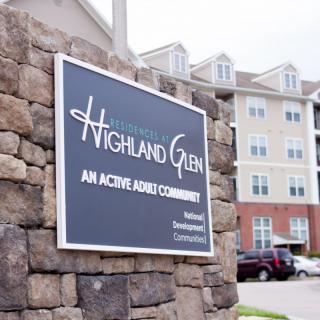
Residences at Highland Glen
$2,375 to $3,150 / month21.7 miles away -
from +$445 / mo
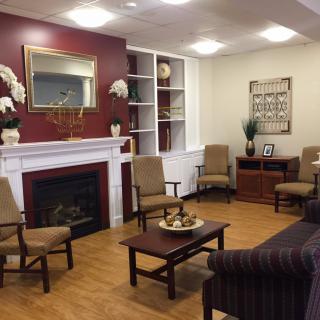
Prosper at Fall River
$2,995 to $3,350 / month18.4 miles away -
from -$195 / mo
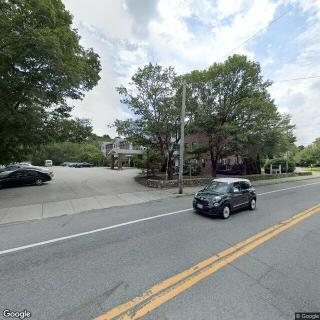
Wyndemere Woods
$2,355 to $2,755 / month8.6 miles away -
from +$500 / mo
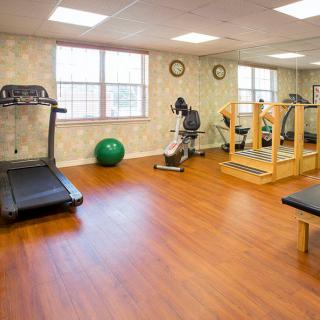
Greenwich Farms At Warwick
$3,050 to $6,200 / month13.2 miles away
Overall Review of Victorian Mansion, Inc.
Pros
 Victorian Mansion is not a corporate institutional place; it is a warm, loving, open home that is clean as a whistle and beautiful.
- Gorgeous flowers from its garden adorn residents’ rooms, creating a welcoming atmosphere.
- The staff hug residents and are welcoming beyond expectations.
- It is the perfect non-corporate, warm, and loving spot for a mother.
- Visits are easy and convenient, with twice-weekly trips from Boston Back Bay and pickups by staff and the owner.
Cons
 They were disappointed that there was only one bathroom for the entire first floor.
Review
This community is best suited for families seeking a non-corporate, home-like assisted living experience where warmth, personal attention, and a intimate setting take precedence over formal institutional polish. In Attleboro, Victorian Mansion presents itself as a small, person-centered alternative to large corporate campuses, appealing to families who value a genuinely homelike atmosphere, direct caregiver relationships, and a sense that the environment is crafted around individual residents rather than corporate metrics. It suits elders who respond well to a staff that feels more like a close-knit team than a faceless operations group, and to those who prioritize meaningful daily interactions over standardized programming.
What stands out in the reviews is a consistently warm, affection-forward tone from staff and leadership. Residents arrive to a welcoming environment with garden flowers in their rooms, and the staff are described as hugging and genuinely caring, creating a sense of belonging from day one. The owner’s involvement and the willingness of staff to pick up the patient and her family at convenient times further illustrate a level of personal commitment that is rare in larger facilities. The setting is repeatedly described as open, clean, and aesthetically pleasing, an important factor for families who equate beauty with well-being and safety. For families traveling from distant locations, the ability to visit with ease and rely on transportation support becomes a meaningful, practical advantage.
The primary drawback that springs from the limited footprint is practical more than philosophical: only one bathroom on the entire first floor. This constraint translates into potential scheduling friction and privacy considerations, especially for residents who may require more frequent or private bathroom access. It also highlights the realities of a smaller, home-style floor plan where shared spaces are limited and routine logistics can become a focal point for daily life. The reviews do not suggest broader staffing shortages or care gaps, but the bathroom bottleneck is a concrete element that families must weigh against the otherwise seamless, personal approach.
Despite that con, the pros tend to offset the main drawback for the right resident. The undeniable warmth of the staff, the home-like ambiance, and the sense that care is tailored rather than standardized can compensate for a tighter physical footprint. The patient’s emotional well-being appears to be a central priority, as evidenced by social warmth, garden aesthetics, and a culture of personal attention. The facility’s size and non-corporate identity contribute to a feeling of safety and belonging that can reduce stress for both residents and their families. In short, for seniors who prize connection, dignity, and a less institutional rhythm, these positives often trump the single-bathroom limitation.
Those who may want to consider alternatives are clear. If the priority list includes multiple baths on each floor, larger-scale amenities, or more formal, regimented programming, a more traditional or bigger assisted living campus should be explored. For residents requiring advanced medical oversight, frequent therapy sessions, or memory care with specialized protocols, a facility with broader on-site medical staffing and dedicated memory support would be a more predictable match. Additionally, families seeking a neutral, less intimate atmosphere may find a more standardized environment preferable to a home-like setting, where personal touch can occasionally feel more palpable than professional distance.
In the end, Victorian Mansion represents a compelling option for families prioritizing warmth, individualized attention, and a non-institutional vibe over formal size and structure. It earns credibility from a 4.5 average rating across four reviews, underscored by stories of welcoming staff, personal care, and a setting that feels like home. The single-floor bathroom issue is a tangible trade-off that must be weighed against the strength of human connection and the sense of belonging delivered daily. For suitable candidates, this is a practical, compassionate choice that delivers meaningful peace of mind for both residents and their families.
 Board and Care Home
 Activities off-site
 Devotional services off-site
 Indoor common areas
 Outdoor common areas
 Private
 Private bathrooms
 Respite or short term stays offered
 Theodore F Green State (14 miles away)
 Diabetic care
 Meals provided
 8 Essential Assistive Devices for Older Adults
 Navigating the Financial Road to Nursing Home Care: In-Depth Guidance and Resources
 Supportive Employee Benefits That Help Caregivers Attain Better Work-Life Harmony