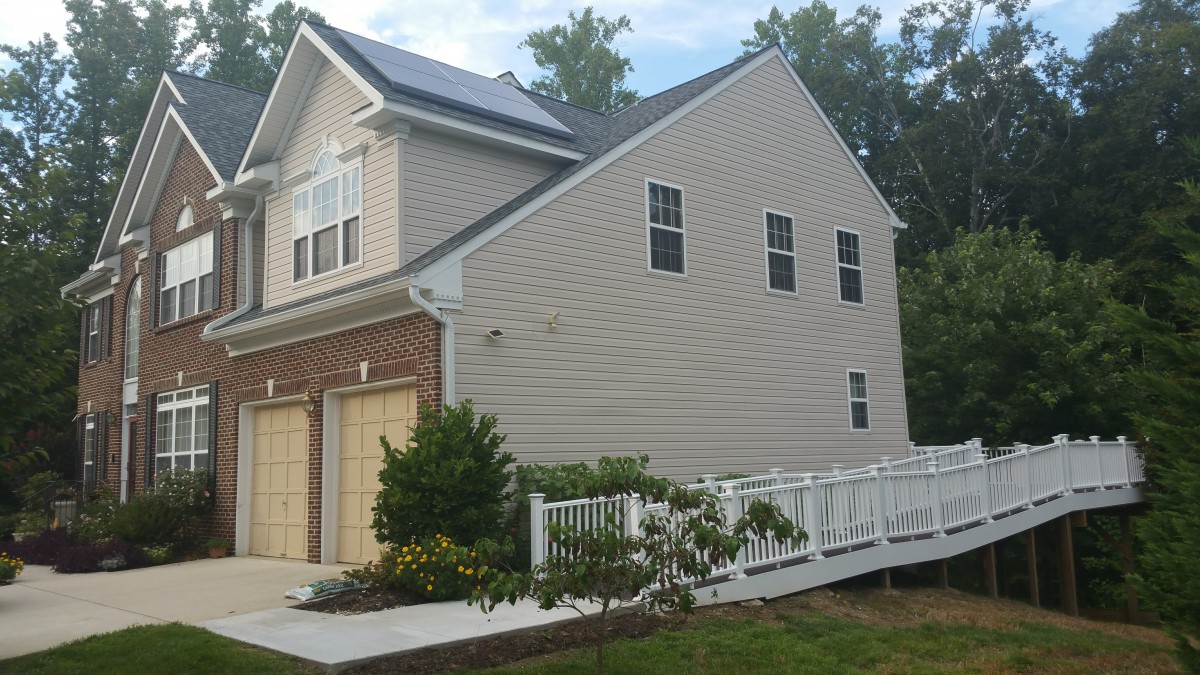
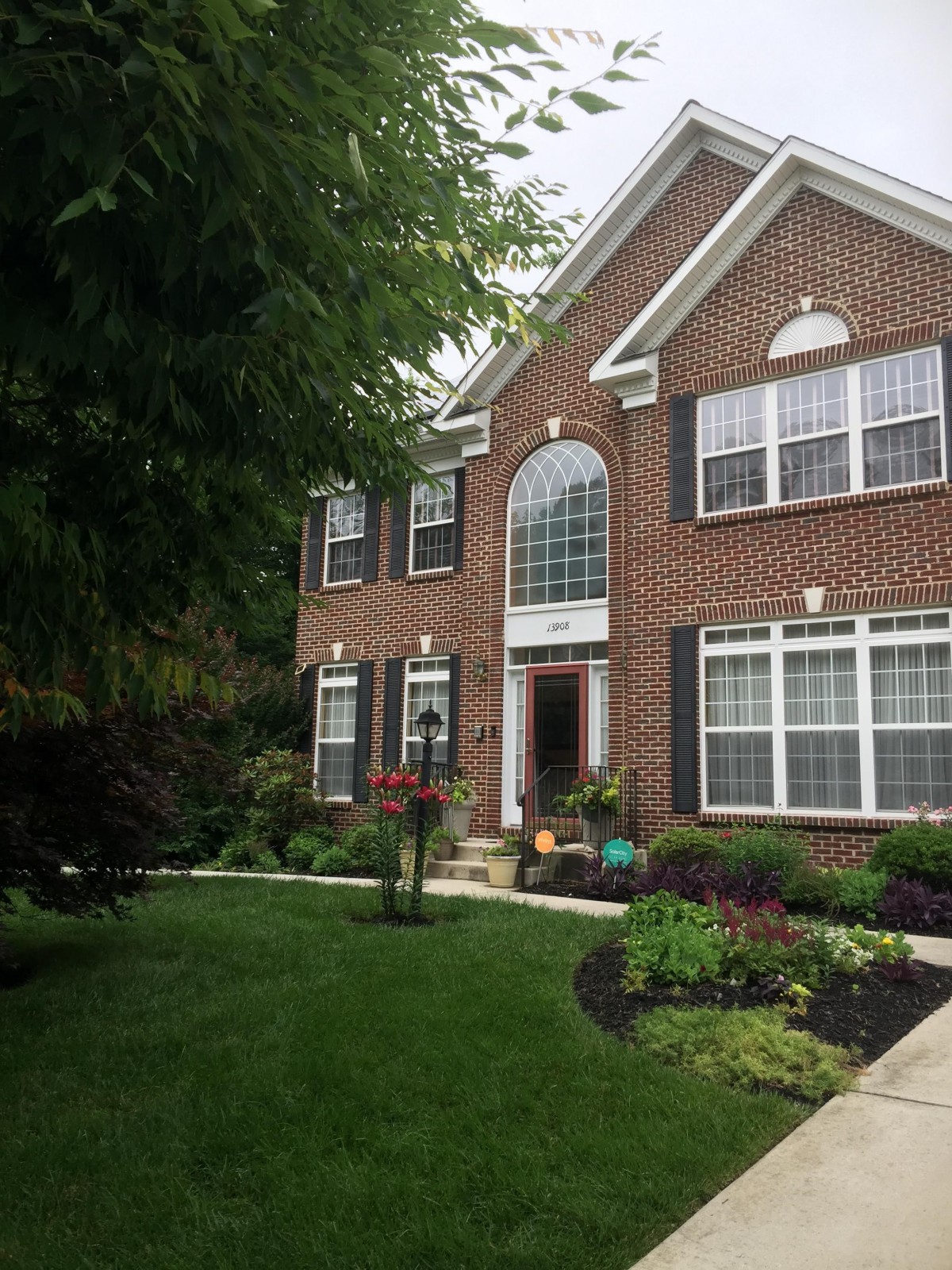
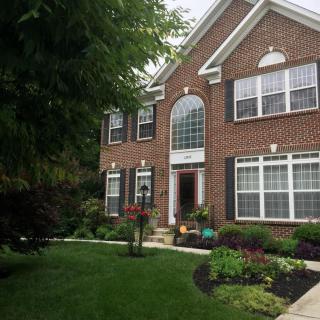
13908 Edsall Street, Upper Marlboro, MD 20772
To contact a resident: (240) 602-7099
For more information about senior living options: (866) 208-4318
Beulah Spring Assisted Living Costs & Pricing
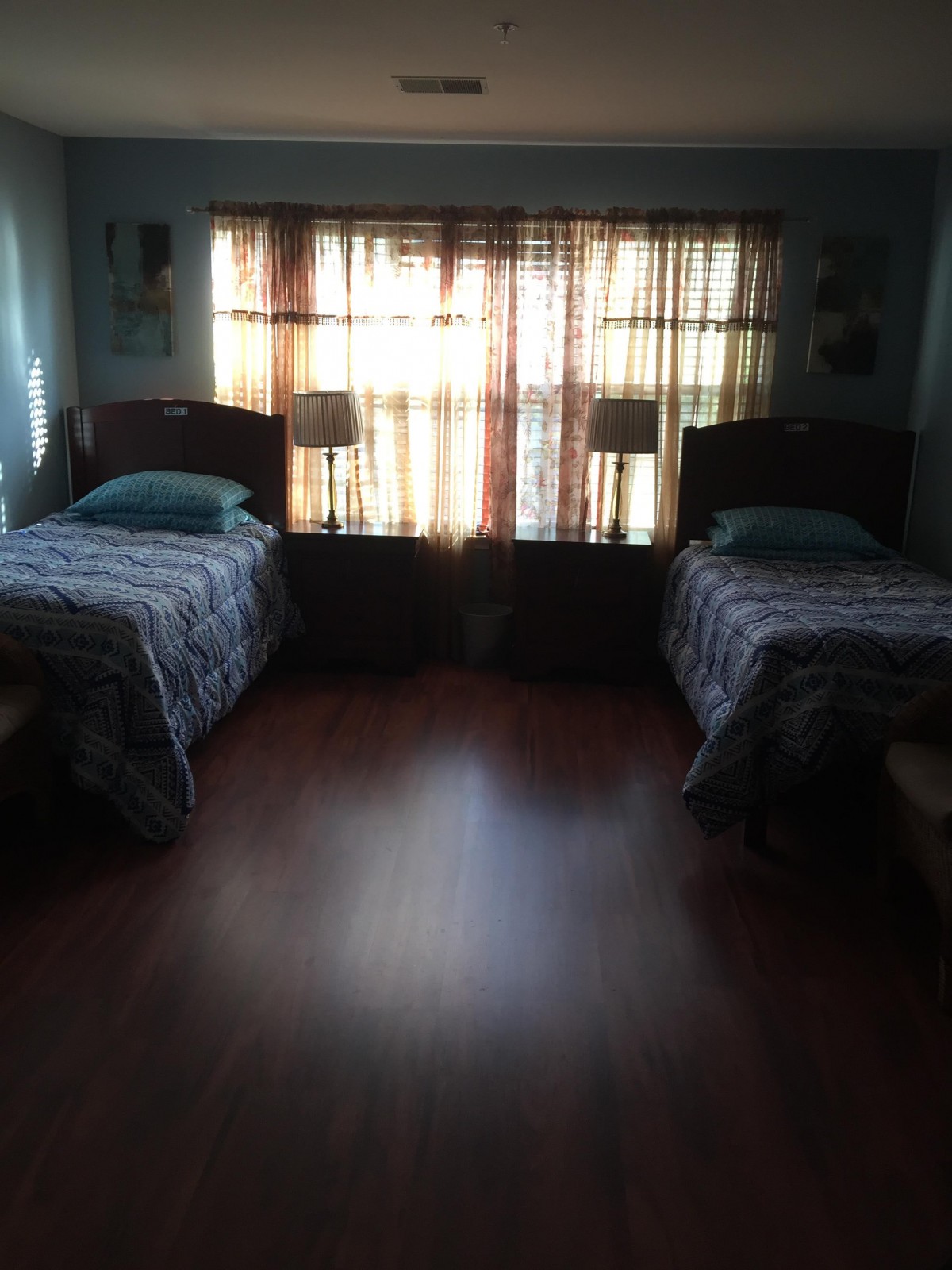
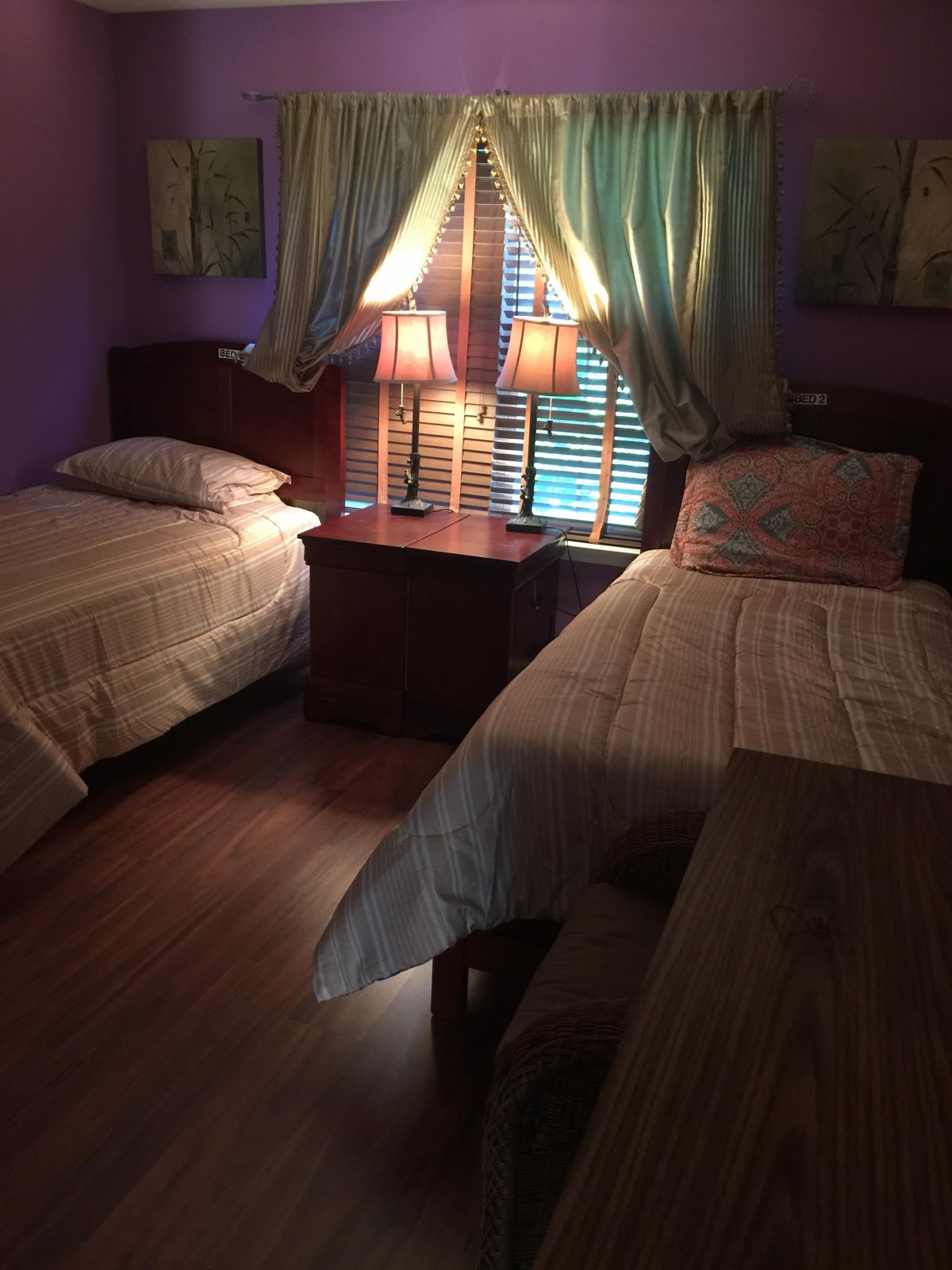
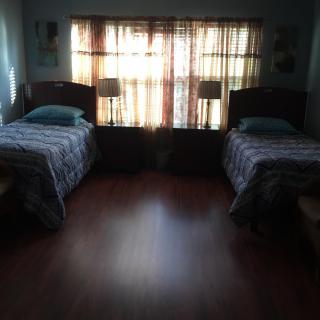
Beulah Spring Assisted Living offers competitive pricing for its residents when compared to both Prince George's County and the broader state of Maryland. With a monthly rate of $3,000 for semi-private rooms, Beulah Spring sits slightly below the county average of $3,058, presenting an appealing option for those seeking affordable care without compromising quality. Similarly, the cost for a private room at Beulah Spring is set at $4,000, which remains in line with local expectations yet offers a more budget-friendly alternative compared to the county's average of $3,792 and the state's typical rate of $4,112. This strategic pricing underscores Beulah Spring's commitment to providing value while ensuring residents receive the attentive care they deserve.
| Floor plans | Beulah Spring Assisted Living | Prince George's County | Maryland |
|---|---|---|---|
| Semi-Private | $3,000 | $3,058 | $3,545 |
| Private | $4,000 | $3,792 | $4,112 |
Senior living communities with a similar price nearby
-
About the same
Hands & Hearts Assisted Living Silver Springs
$3,000 to $3,500 / month21.2 miles away -
from -$300 / mo
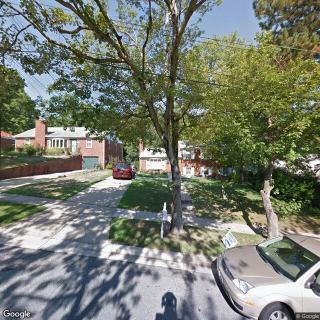
Lifesprings Eldercare II
$2,700 to $3,100 / month7.1 miles away -
from -$500 / mo
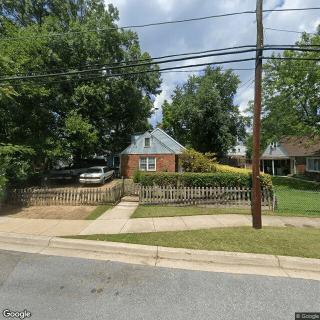
Amazing Grace Senior Care
$2,500 to $3,000 / month11.0 miles away -
from -$150 / mo

Cascadia Courts II, LLC
$2,850 / month24.0 miles away -
from +$500 / mo
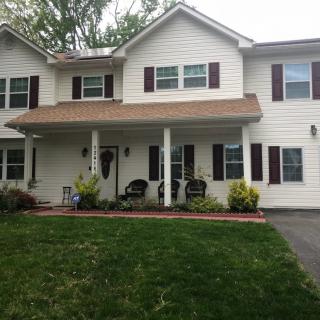
Unique Care Assisted Living
$3,500 to $4,000 / month12.0 miles away
Overall Review of Beulah Spring Assisted Living
Pros
 The staff are kind and the residents look happy to be there.
- Beulah Spring Assisted Living is a godsend for families seeking a home-like atmosphere.
- The owner is a godsend and the care aides are awesome.
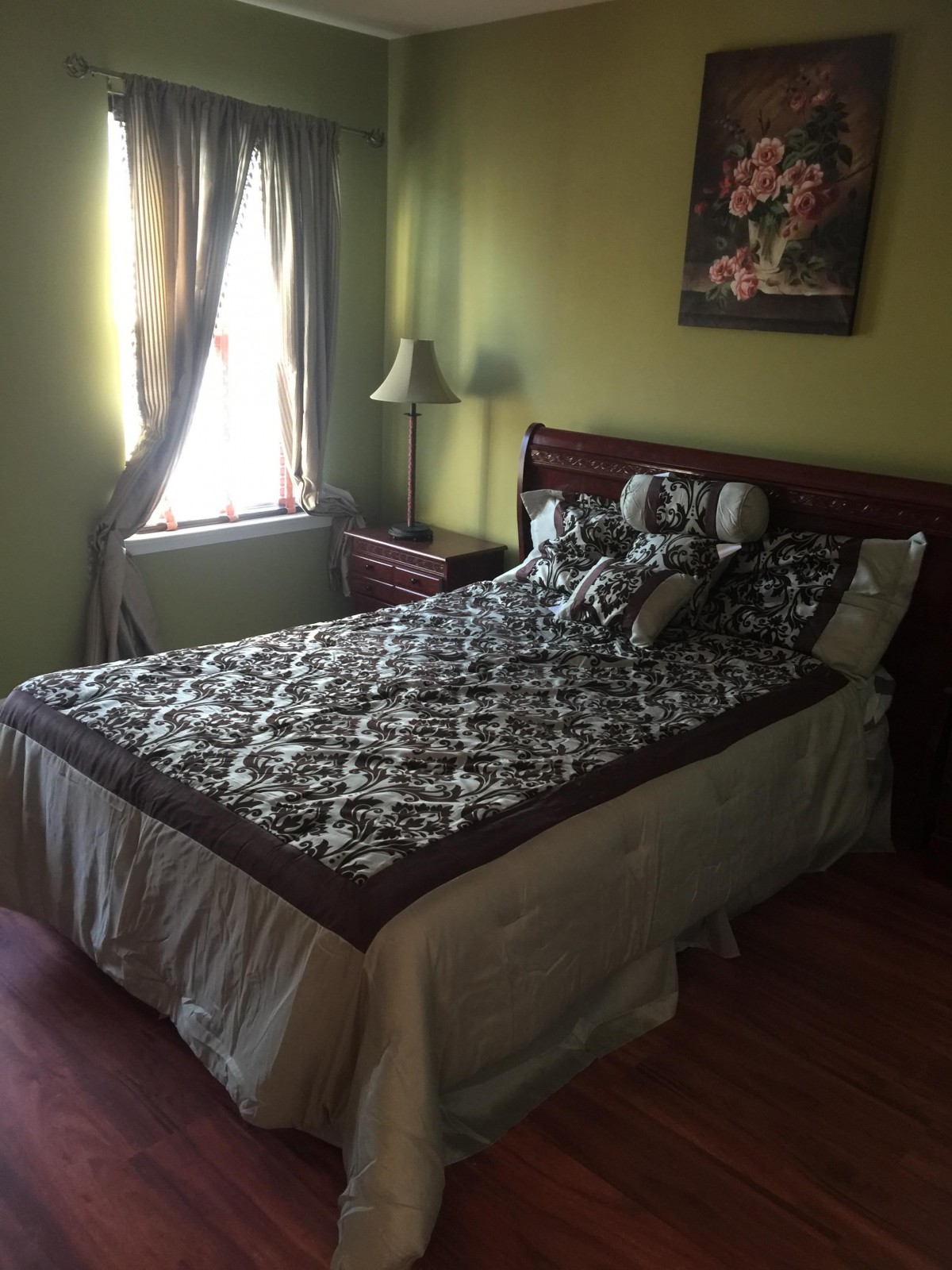
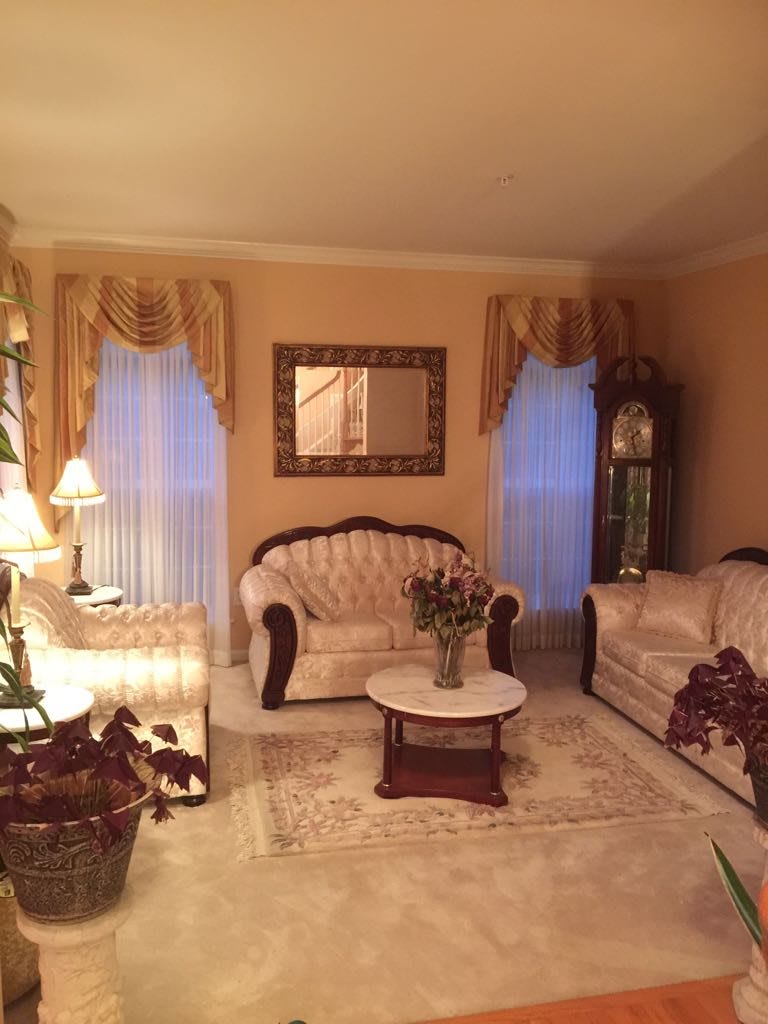
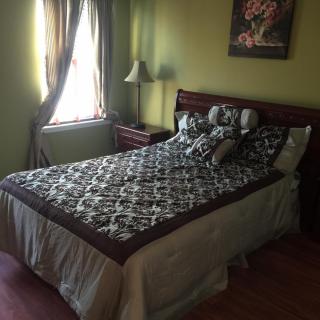
- The home is very clean and well kept, and the rooms are well kept.
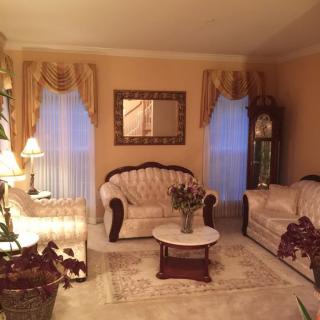
- The facility is a lovely place with a great location.
Cons
 They describe Beulah Springs Assisted Living as the worst and say it has worsened over time.
- They point to recurring staff issues and the owner's nonchalant attitude toward residents, calling it the place from hell.
- They note that several families with loved ones in the facility moved them to another facility.
- They issue a warning to others not to take their family members there.
Review
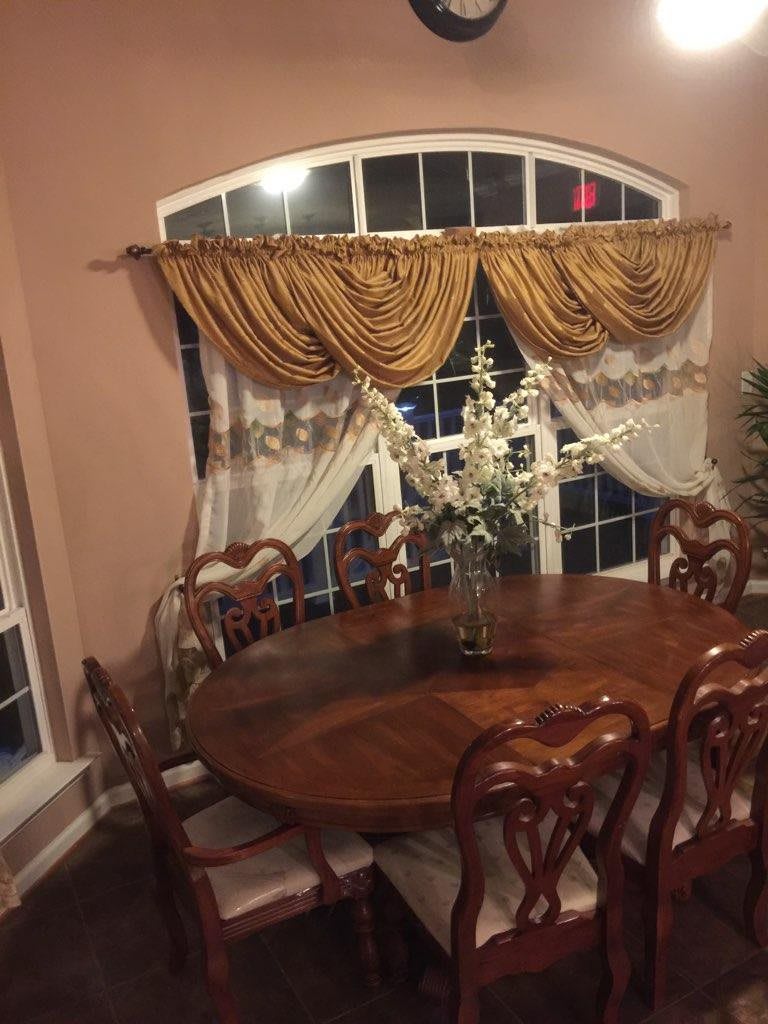
Beulah Spring Assisted Living in Upper Marlboro is best suited for families seeking a small, home-like setting where affordability and personal attention matter most, and where dementia care can be accommodated without forcing families into the higher price tier of larger facilities. The strongest signals from current residents and their families point to a warm, intimate environment with a hands-on owner and attentive aides. The home feels clean and well maintained, and rooms are kept in good condition, which supports daily comfort and dignity. For households prioritizing a nurturing atmosphere over clinical formality, Beulah Spring offers a compelling balance of heart and practicality that can keep a loved one settled and content.
That said, potential residents should explicitly consider alternatives if the plan hinges on highly structured clinical oversight or a consistently stable caregiving team. The memory care landscape in some facilities emphasizes regimented routines, formal medical supervision, and transparent staffing models that remain constant across shifts. If a sense of reliability and predictability is non-negotiable, especially for someone with advanced dementia or complex medical needs, there are other communities that might deliver a more tightly managed program. Families with tighter budget constraints could still find solid value elsewhere, but the trade-off often involves a different balance of intensity, oversight, and pace of daily life.
On the positive side, the strongest attributes center on a homey, approachable feel. Reviewers describe kind staff and residents who appear content, and they repeatedly highlight the owner and care aides as dedicated, personable, and responsive. Cleanliness and the housekeeping standard are repeatedly called out as reliable strengths, with rooms described as neat and well kept. The combination of a supportive staff and a comforting, domestic environment can significantly ease the transition for a resident who benefits from routine, familiar faces, and a sense of being cared for in a less institutional setting.
However, the most serious caveat surfaces in the one sharply negative account, which paints a stark contrast to the favorable feedback. That review cites recurring staff turnover and a perceived lack of attentiveness from management, describing the experience as deteriorating over time and insinuating a general disregard for resident welfare. While single anecdotes require cautious weighting, the concerns touch a core risk for any small, intimate operation: when staff changes are frequent and leadership signals drift, consistency of care can suffer, especially for residents with memory impairment or heightened needs. This implies that care quality may fluctuate by shift and that response times and problem resolution could be uneven.
Weighing the pros against the cons yields a pragmatic conclusion: Beulah Spring can deliver meaningful value for families prioritizing a warm, home-like setting and cost-conscious care, particularly for residents who thrive on personal attention and a relaxed daily rhythm. Yet the outlier and the ambiguity around management responsiveness cannot be dismissed, because stability matters as much as kindness in sustained well-being. The facility’s mid-range overall rating reflects genuine strengths, but also signals that outcomes may depend heavily on the current staffing team and the day-to-day leadership mood.
For the decisive choice, prospective buyers should plan a comprehensive due-diligence visit and ask pointed questions up front. Key conversations should focus on current caregiver-to-resident ratios, the frequency of staff turnover, how strata of care are managed across shifts, and what concrete steps exist to address resident concerns quickly and transparently. Inquire about dementia-specific programming, safety protocols, and the involvement of medical oversight or on-site professionals. If the answers align with a stable, attentive, home-like routine, Beulah Spring stands as a genuine fit. If not, the risks of inconsistency and delayed responses point toward seeking alternatives that offer stronger governance and more predictable care.
 Board and Care Home
 Activities on-site
 Air-conditioning
 Bath tubs
 Beautician on-site
 Cable or satellite TV
 Devotional services on-site
 Indoor common areas
 Private
 Respite or short term stays offered
 Wi-Fi/high-speed internet available
 Ronald Reagan Washington National (14 miles away)
 Ambulatory care
 High acuity care
 Incontinence care
 Medication management
 Anytime dining
 Art classes
 BBQs or picnics
 Day trips and outings
 Stretching classes

 Understanding the Sandwich Generation: Stress and Responsibilities for Multigenerational Caregivers
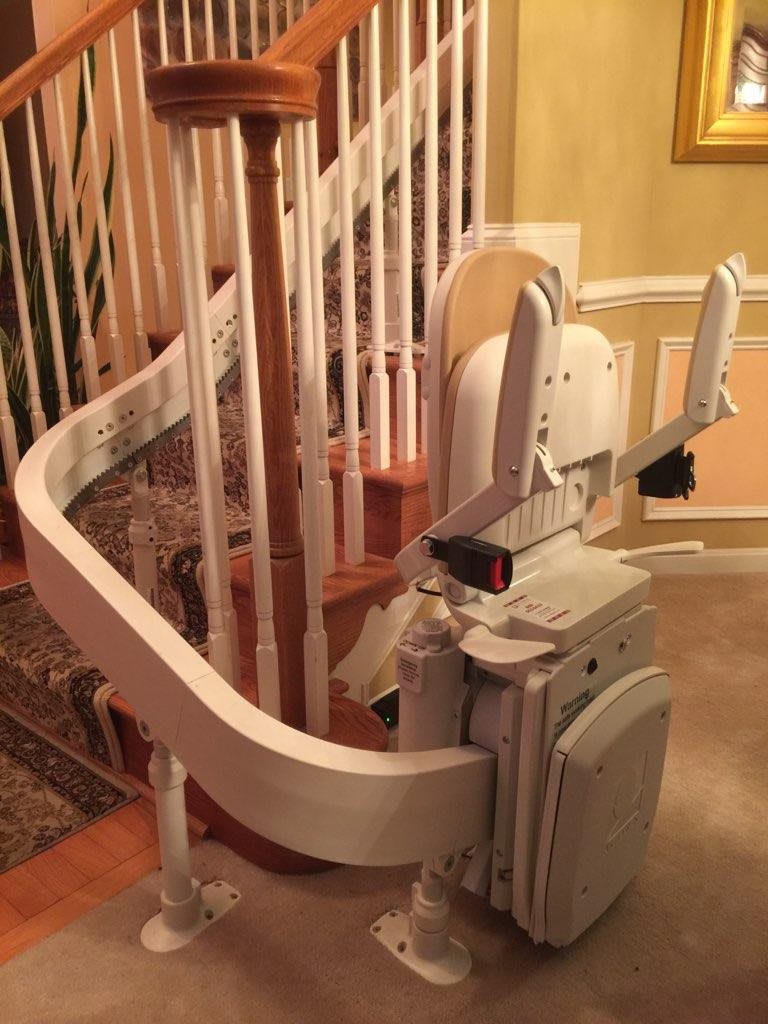
 8 Essential Assistive Devices for Older Adults
 Navigating the Financial Road to Nursing Home Care: In-Depth Guidance and Resources