Beas Hive Assisted Living

Save
Beas Hive Assisted Living Beas Hive Assisted Living Beas Hive Assisted Living Beas Hive Assisted Living

Beas Hive Assisted Living

7410 South Osborne Road, Upper Marlboro, MD 20772

For more information about senior living options: (844) 490-3973

3 from 4 reviews
5 stars
2
4 stars
0
3 stars
0
2 stars
0
1 stars
2

Assisted Living Board and Care Home Independent Living

What level of care are you interested in?

Assisted Living

Memory Care

Independent Living

Skilled Nursing Facility

Continuing Care Retirement Community (CCRC)CCRC

Other


Request a tour at Beas Hive Assisted Living

    Overall Review of Beas Hive Assisted Living

    Pros

    • pro The reviewer notes that Bea's Hive cared for their father for about three years with no major complaints about the care.
    • pro The reviewer would highly recommend Bea's Hive to anyone needing assisted living.

    Cons

    • pro Placing their mother in the facility was a huge mistake, citing issues like men sharing bathrooms with women and an incident where a man in a wheelchair knocked her down with no apology and no caregivers available.
    • pro Move-in preparation was inadequate; the room was not move-in ready and required multiple complaints to fix.
    • pro The owner refused to allow a baby monitor, falsely claiming Maryland law prohibited it.
    • pro The owner asserted cameras were not allowed, which the reviewer says is incorrect since Maryland allows elder monitoring.
    • pro The owner suggested placing cameras only in public areas and would need residents' permission for a private-room camera, which the reviewer found illogical.
    • pro After delays and heated disputes about state laws, the mother was forced to move out within 24 hours of move-in.
    • pro The experience was traumatic for both the dementia patient and the caregiver, and the contract did not state cameras were forbidden, yet the owner's stance was a red flag.
    • pro They would not recommend Bea Hive for elderly individuals who cannot speak or defend themselves.

    Review

    Bea's Hive has been a watchful eye on two very different experiences, and those experiences sit side by side as a stark reminder that elder care can vary dramatically from one resident to the next. In one account, the decision to place a loved one there quickly devolved into a series of alarming safety lapses and unsettling gaps in care. The writer describes a situation where men and women were sharing bathrooms in the same facility, and where a man in a wheelchair knocked their mother down and injured her. The fallout was indignity and fear: no apology, and no caregivers seemingly available when help was needed. The reviewer's reaction is blunt and clear: if possible, they would give zero stars, a reflection of a trust broken in a moment when protection and dignity should have been paramount.

    The second account shifts to a different Bea's Hive location and a different set of concerns, but with echoes of the same underlying worry about pet policies and safety. This reviewer attempted to move their mother into Bea's Hive but encountered a room that was not move-in ready, which required repeated complaints to the owner just to get the space prepared. After the mother finally moved in, the owner took a hard line on monitoring, telling the family that baby monitors were not allowed and asserting, incorrectly, that Maryland law prohibited cameras for elder monitoring. The reviewer insists that Maryland law actually permits cameras to monitor elders in many circumstances, and the dispute became a focal point of tension. Instead of offering a straightforward solution, the owner proposed placing cameras only in public areas or asked to check with other residents to obtain consent for a private camera, a move the reviewer found nonsensical and a violation of the privacy of the other residents.

    The clash over monitoring policies had consequences beyond semantics. After several rounds of heated discussion about state law, the reviewer faced delays that culminated in a painful decision: they were forced to move their mother out of Bea's Hive less than 24 hours after moving her in. The trauma of this experience was twofold - first for the mother, who lives with dementia, and second for the caregiver who was left feeling unsupported and unsettled by the institution's stance on safety and privacy. What struck this reviewer most was that there was no mention in the contract about monitors or cameras, yet the staff insisted on their prohibition. The insistence to limit or reframe monitoring devices seemed, to them, a red flag - especially given the vulnerability of an elderly, nonverbal, or distressed resident.

    Amid the harsh portrait of these difficult episodes, another part of the community story emerges: a father's long tenure at Bea's Hive. This reviewer notes that their father lived at Bea's Hive for about three years and, aside from one incident, there were no significant complaints about the level of care provided. In a striking contrast to the mother's experiences, this part of the story ends with a strong endorsement: Bea's Hive would be highly recommended to anyone seeking assisted living for a loved one in need of support. The juxtaposition underscores how experiences can diverge dramatically even within the same brand or facility network, leaving prospective families to weigh the balance of safety, care, and policy clarity across locations.

    Taken together, these experiences paint a complex picture of Bea's Hive. The negative episodes emphasize real concerns about physical safety, staff availability, and the handling of privacy and monitoring. The confrontation over Maryland law and the proposed - and somewhat inconsistent - approaches to camera use highlight how policy communications can either reassure families or sow doubt about whether residents are truly protected. The positive note about the father's three-year stay offers a counterpoint that care quality may be solid in some circumstances, suggesting that residents' needs and experiences can vary widely even within the same organization. For families exploring elder care options, these accounts advocate for thorough due diligence: visiting multiple locations, asking precise questions about safety practices, monitoring policies, and privacy rights, and seeking out clear, written policies before making a decision that will affect a loved one's daily life and security.

    In the end, the message is nuanced and urgent: care decisions are intensely personal and situational. The most important takeaway is to insist on transparent conversations about safety protocols, to verify what is allowed or prohibited by law in your jurisdiction, and to ensure that any care plan aligns with your loved one's needs and rights. If a facility cannot provide clear answers or appears to pivot on policy when it matters most, that red flag is worth serious consideration. While one family celebrates a successful, long-term placement, another exposes unsettling gaps that demand attention and reform, underscoring the reality that finding the right fit for an elder loved one can be a challenging journey with outcomes that are not always predictable or uniform.

    Features

    Housing

    • 6 resident community capacity 6 resident community capacity

    Types of Care

    • Assisted Living Assisted LivingAssisted living facilities provide crucial support and care for seniors who may need help with daily tasks such as medication management, bathing, and meal preparation. These communities offer a safe and comfortable environment where seniors can maintain their independence while receiving the assistance they need to thrive in their golden years.
    • Board and Care Home Board and Care HomeBoard and care homes provide a smaller, more intimate setting for seniors who require assistance with daily tasks but do not need the level of care offered by a nursing home. They offer personalized care, meals, and social activities in a homelike environment, ensuring that seniors receive individualized attention and support in their golden years.
    • Independent Living Independent LivingIndependent living communities are important for seniors because they offer a safe and supportive environment where older adults can live independently while still having access to amenities and services that enhance their quality of life. These communities provide social opportunities, recreational activities, and assistance with daily tasks, promoting overall well-being and allowing seniors to maintain their independence for as long as possible.

    Amenities

    • Cable or satellite TV Cable or satellite TVCable or satellite TV is important for seniors because it provides entertainment, news, and companionship, helping to combat loneliness and boredom. It also offers a wide range of programming options tailored to different interests and preferences.
    • Dining room Dining roomDining rooms are important for seniors as they provide a space for socialization, connection, and nutritious meals. They offer opportunities for residents to bond over shared meals, foster a sense of community, and promote healthy eating habits. Dining rooms also ensure that seniors have access to well-balanced meals tailored to their dietary needs and preferences.
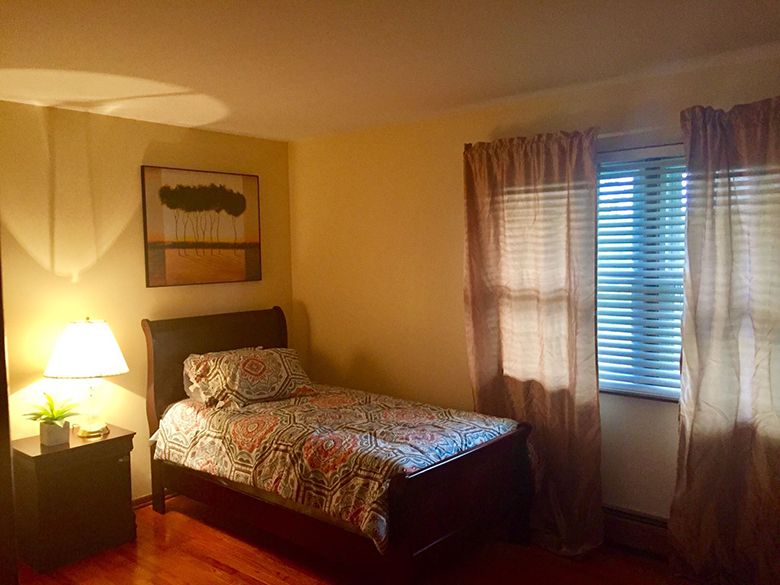
    • Fully furnished Fully furnishedFully furnished senior living communities are important for seniors because they provide convenience, comfort, and a hassle-free moving experience. Seniors can easily settle into their new living space without the stress of having to buy and move furniture. This allows them to focus on enjoying their new home and community.
    • Garden GardenGardens are important for seniors as they provide a peaceful and therapeutic environment for relaxation, physical activity, and socialization. Being in nature has been shown to reduce stress, improve mood, and promote overall well-being. Gardens also offer opportunities for seniors to engage in gardening activities, which can improve mobility, flexibility, and cognitive function. Additionally, gardens create a sense of community and connection with others who share a passion for plants and outdoor spaces.
    • Housekeeping services Housekeeping servicesHousekeeping services are important for seniors because they help maintain a clean and safe living environment, promote independence, and reduce the risk of accidents or illnesses. Additionally, having assistance with household chores can alleviate physical strain and allow seniors to focus on other aspects of their well-being.
    • Move-in coordination Move-in coordinationMove-in coordination is important for seniors because it helps ease the transition into their new living environment. It ensures that all logistics, such as packing, organizing movers, and setting up utilities are taken care of, allowing seniors to focus on settling in and adjusting to their new home. Having a smooth move-in process can alleviate stress and anxiety, making the transition smoother and more enjoyable for seniors.
    • Outdoor space Outdoor spaceOutdoor spaces are important for seniors as they provide opportunities for physical activity, social interaction, exposure to natural light and fresh air, and a sense of connection to nature. Having access to outdoor spaces can improve overall well-being and quality of life for older adults living in senior communities.
    • Telephone TelephoneTelephones are important for seniors as they provide a lifeline for communication with loved ones, emergency services, and healthcare providers. They offer a sense of security and independence, enabling seniors to stay connected and access assistance when needed.
    • Wi-Fi/high-speed internet available Wi-Fi/high-speed internet availableWi-Fi/high-speed internet is important for seniors to stay connected with loved ones, access online resources, and participate in virtual activities to combat feelings of loneliness and isolation. It also allows them to easily manage healthcare needs, access entertainment, and engage in lifelong learning opportunities.

    Transportation

    • Ronald Reagan Washington National (14 miles away) Ronald Reagan Washington National (14 miles away)

    Care Services

    • 24-hour supervision 24-hour supervision24-hour supervision is important for seniors to ensure their safety, well-being, and access to immediate assistance in case of emergencies or health issues. This constant support provides peace of mind for both seniors and their loved ones, allowing them to age in place with dignity and security.
    • Activities of daily living assistance Activities of daily living assistanceActivities of daily living assistance are important for seniors because they provide essential support with tasks such as eating, bathing, dressing, and mobility. This assistance helps seniors maintain their independence, dignity, and overall quality of life as they age.
    • Assistance with bathing Assistance with bathingAssistance with bathing is crucial for seniors as it helps maintain personal hygiene, prevents infections, and ensures their overall well-being and comfort. It also provides a sense of dignity and independence for seniors who may struggle with this task on their own.
    • Assistance with dressing Assistance with dressingAssistance with dressing is important for seniors because it helps maintain their independence, promotes personal hygiene, prevents accidents and injuries, and improves overall quality of life. This service ensures that seniors can continue to dress comfortably and confidently, despite any physical limitations they may have.
    • Assistance with transfers Assistance with transfersAssistance with transfers is crucial for seniors as it helps prevent falls and injuries, maintains their independence, and ensures they can safely navigate their living environment. It also provides peace of mind for both seniors and their loved ones.
    • Coordination with health care providers Coordination with health care providersCoordination with health care providers is crucial for seniors to ensure proper medical care, medication management, and overall well-being. This collaboration helps prevent overlapping treatments, track progress more effectively, and provide comprehensive support tailored to individual needs.
    • Diabetes diet Diabetes dietA diabetes diet is crucial for seniors as it helps manage blood sugar levels, reduce risks of complications, and improve overall health and well-being. By following a balanced and nutritious diet tailored to their specific needs, seniors can better control their diabetes and enhance their quality of life.
    • Meal preparation and service Meal preparation and serviceMeal preparation and service are crucial for seniors as they may have limited mobility or energy to cook nutritious meals. Having access to healthy and convenient food options can ensure they are getting the proper nutrition needed to maintain their overall health and well-being.
    • Medication management Medication managementMedication management is crucial for seniors to ensure they are taking the right medications at the correct dosages and times. This helps prevent adverse drug interactions, reduces the risk of medication errors, and promotes overall health and well-being. Proactive management also allows for adjustments as needed based on changing health conditions or new prescriptions.
    • Special dietary restrictions Special dietary restrictionsSpecial dietary restrictions are important for seniors because age-related changes in metabolism and health conditions can make it difficult for their bodies to process certain foods. By following a diet tailored to their specific needs, seniors can maintain their overall health and well-being, manage chronic conditions, and reduce the risk of complications such as malnutrition or food interactions with medications.
    • Transportation arrangement (medical) Transportation arrangement (medical)Transportation arrangements for medical purposes are essential for seniors as they may have difficulty driving themselves to appointments or accessing public transportation. Having reliable and safe transportation options ensures that seniors can receive timely medical care and maintain their health and well-being.
    • Transportation to doctors appointments Transportation to doctors appointmentsTransportation to doctors' appointments is crucial for seniors as it ensures they have access to necessary medical care and support for their health needs. Without reliable transportation, seniors may struggle to attend important appointments, leading to potential delays in treatment and health complications. Providing transportation services helps seniors maintain their overall well-being and quality of life.

    Dining

    • Diabetes diet Diabetes dietA diabetes diet is crucial for seniors as it helps manage blood sugar levels, reduce risks of complications, and improve overall health and well-being. By following a balanced and nutritious diet tailored to their specific needs, seniors can better control their diabetes and enhance their quality of life.
    • Special dietary restrictions Special dietary restrictionsSpecial dietary restrictions are important for seniors because age-related changes in metabolism and health conditions can make it difficult for their bodies to process certain foods. By following a diet tailored to their specific needs, seniors can maintain their overall health and well-being, manage chronic conditions, and reduce the risk of complications such as malnutrition or food interactions with medications.

    Activities

    • Community-sponsored activities Community-sponsored activitiesCommunity-sponsored activities are important for seniors as they provide opportunities for social interaction, mental stimulation, and physical activity. These activities can help improve overall well-being, combat loneliness and isolation, and promote a sense of belonging and purpose among older adults.
    • Scheduled daily activities Scheduled daily activitiesScheduled daily activities are important for seniors because they provide structure, socialization, mental stimulation, and physical activity. Engaging in regular activities can improve overall well-being and quality of life for seniors living in a community setting.

    Description

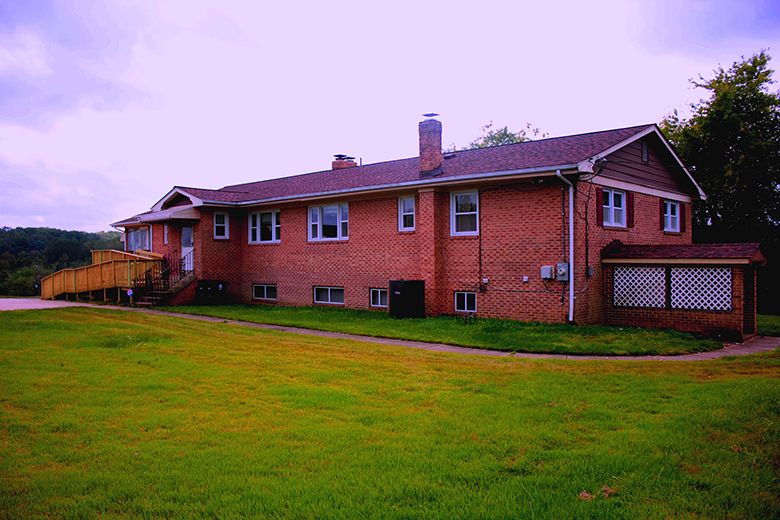
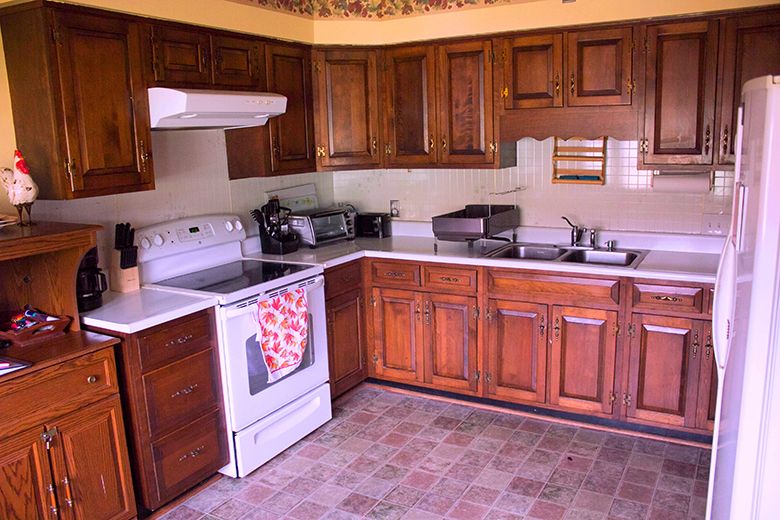
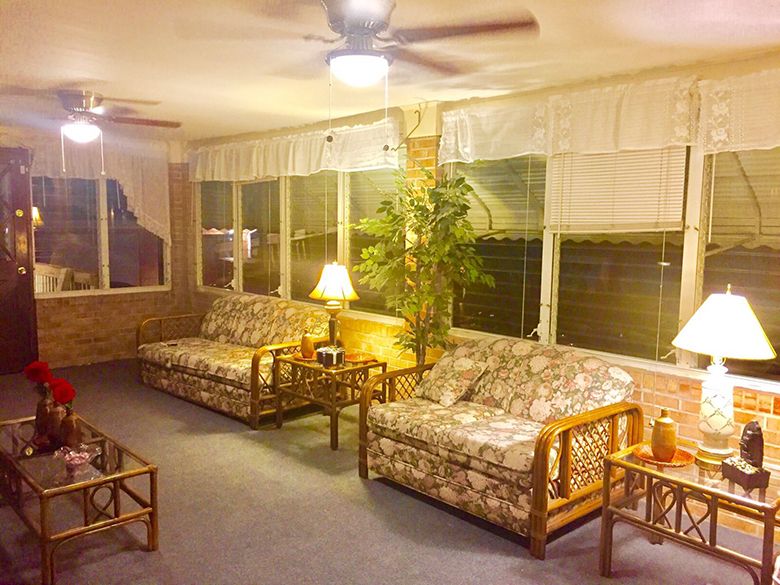
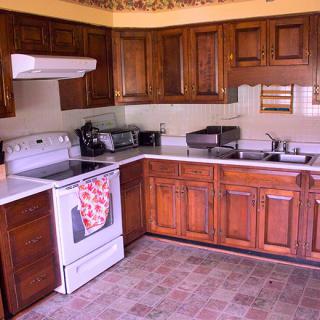
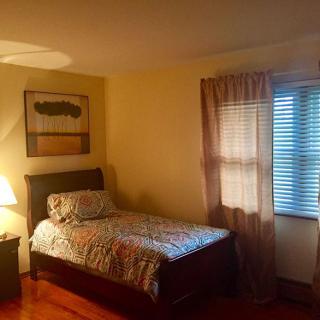
    Beas Hive Assisted Living in Upper Marlboro, MD offers a comfortable and supportive environment for seniors in need of board and care home or independent living services. Our community is fully furnished and provides a range of amenities to enhance the quality of life for our residents.

    Residents can enjoy delicious meals in our dining room, where special dietary restrictions are catered to. Housekeeping services ensure that the community remains clean and well-maintained at all times. Our beautiful outdoor space and garden offer a tranquil setting for relaxation and socialization.

    At Beas Hive Assisted Living, we understand the importance of coordinating the move-in process seamlessly. Our staff is dedicated to assisting with this transition to make it as smooth as possible for our residents.

    To ensure the well-being of our residents, we provide assistance with activities of daily living such as bathing, dressing, and transfers. Our team also coordinates with health care providers for any specialized care needed. Medication management services are available, along with meal preparation tailored to specific dietary requirements.

    Transportation arrangements for medical appointments are taken care of by our staff, allowing residents to easily access necessary healthcare services. Additionally, transportation to doctors' appointments is provided when needed.

    Engagement is key to maintaining an active lifestyle, which is why we offer a variety of scheduled daily activities that cater to different interests and abilities.

    Located in Upper Marlboro, MD, Beas Hive Assisted Living benefits from its proximity to cafes, parks, pharmacies, physicians' offices, restaurants, and hospitals. This convenient location allows easy access to various amenities and healthcare facilities for the comfort and convenience of our residents.

    At Beas Hive Assisted Living in Upper Marlboro, MD, we strive to create a warm and caring environment where seniors can thrive while receiving personalized support tailored to their unique needs.

    Nearby Places of Interest

    Pharmacies

    • CVS Pharmacy (0.5 miles)
    • CVS Pharmacy (3 miles)
    • Walgreens (4.9 miles)
    • CVS Pharmacy (5 miles)
    • Shoppers Food & Pharmacy (6.2 miles)
    • CVS Pharmacy (6.3 miles)
    • Walgreens (6.3 miles)

    Parks

    • Marlton Community Park (1.8 miles)
    • Mellwood Park (2.2 miles)
    • Watkins Regional Park (6.9 miles)
    • Cedarville State Forest (9.8 miles)
    • Pinefield (10.1 miles)
    • Allen Pond Park (10.8 miles)
    • L'Enfant Square (11 miles)

    Restaurants

    • McDonald's (1.8 miles)
    • McDonald's (4.2 miles)
    • Arby's (4.4 miles)
    • Fop 89 (4.6 miles)
    • Popeyes Louisiana Kitchen (4.6 miles)
    • McDonald's (4.8 miles)
    • McDonald's (5 miles)

    Physicians

    • Childrens Pediatricians (3 miles)
    • Weinstein Eye Associates (3.6 miles)
    • Dr Jenkin's Office (8.8 miles)
    • Calvert Orthopaedic & Sports Medicine Center (8.8 miles)
    • Southern Maryland Oral Maxillofacial Surgery (8.8 miles)
    • South River Pediatrics (8.8 miles)
    • Dr Bhargesh P. Mehta, MD (8.8 miles)

    Cafes

    • Panera Bread (4.6 miles)
    • Starbucks (6.4 miles)
    • Starbucks (9 miles)
    • Starbucks (9.6 miles)
    • Starbucks (11.7 miles)

    Hospitals

    • MedStar Southern Maryland Hospital Center (4.8 miles)
    • Riverside Medical District Heights (6.9 miles)
    • St Elizabeths Hospital (11 miles)
    • Bowie Health Center-Emergency Medical Care (11.6 miles)

    Places of Worship

    • Maryland Gospel Assembly (6.7 miles)
    • St Marys Catholic Church (10.6 miles)

    Theaters

    • Xscape 14 (8.6 miles)

    Transportation

    • Benning Road Metro Station (10.3 miles)
    • New Carrollton Amtrak Station (11.8 miles)

    Frequently Asked Questions

    Where is Beas Hive Assisted Living?
    What photos are available for Beas Hive Assisted Living in Upper Marlboro, Maryland?

    Nearby Communities

    Related Resources

    • when to move from assisted living to memory careWhen to Transition from Assisted Living to Memory Care: Key Indicators, Steps, and Finding the Right Community

      Transitioning from assisted living to memory care is driven by an individual's cognitive decline and specific needs, requiring careful evaluation of indicators like increased confusion and wandering. The process involves consulting medical professionals, researching suitable communities, considering financial and legal aspects, and ensuring effective communication for personalized care plans.

    • assisted living vs memory careAssisted Living and Memory Care: Understanding Their Core Differences

      Assisted living provides moderate support for seniors seeking independence, while memory care offers specialized support for individuals with dementia or cognitive impairments through structured routines and trained staff. Key differences include care approaches, environment security measures, staff training levels, activity types, and cost considerations.

    • assisted living activitiesBeyond the Bingo Hall: 50+ Enriching Activities for Seniors in Assisted Living
      Assisted living communities offer diverse activities beyond traditional games to enhance seniors' physical health, cognitive well-being, emotional enrichment, and social connections, including fitness classes, creative expression, and intergenerational interactions. These enriching programs foster community bonds and support residents' independence and happiness.


    Get Pricing Ask A Question Schedule A Tour Contact Senior Advisor