
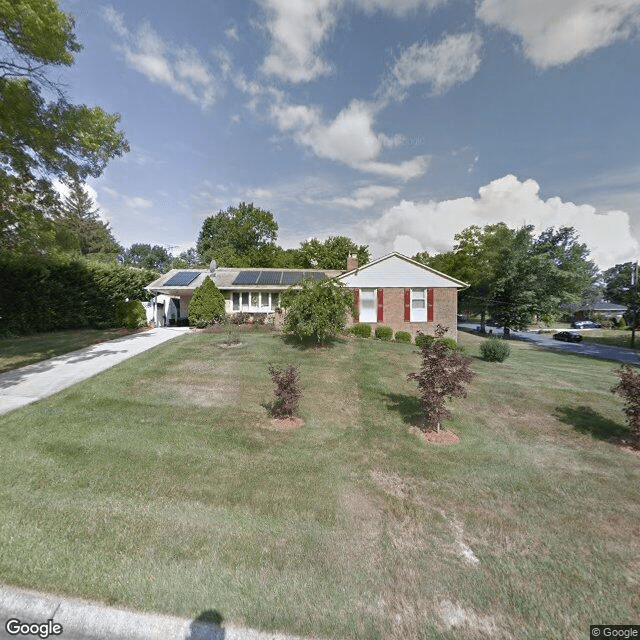
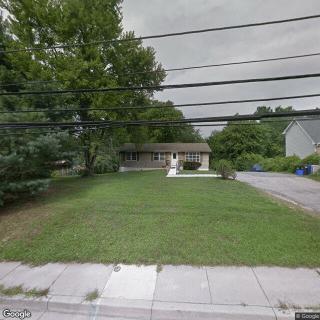
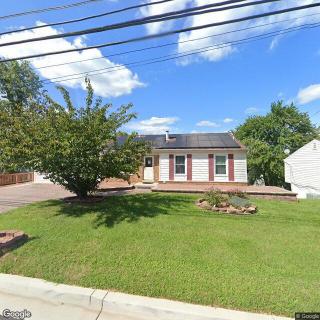
12608 Summerwood Drive, Silver Spring, MD 20904
To contact a resident: (301) 572-5452
For more information about senior living options: (866) 208-4318
Overall Review of Pleasantville
Pros
 The home offers loving care and a welcoming atmosphere.
- It provides music, activities, a good dietary menu, and on-site caregiving with in-home doctor visits and nursing care.
- Residents receive attentive care with a 3-to-5 caregiver ratio.
- The care is excellent, and the staff have excellent knowledge of senior and memory care.
- Pleasantville is the perfect fit for the reviewer’s mom.
- The staff and owner are knowledgeable and qualified to provide attentive care.
- Pleasantville provides love and concern beyond basic medical attention.
- Albertha is lovely, with a clean and well-kept facility.
- Beacon Spring offers an appealing atmosphere, with a mobility-friendly floor plan and private room access.
Cons
 The former assisted living place left the mom unattended most of the day.
- Larger assisted living facilities are no longer suitable for these patients.
Review
Pleasantville in Silver Spring is best suited for seniors who need memory-care level support but thrive in a small, home-like setting. This community prioritizes hands-on, personalized attention over campus-scale amenities, and that approach matters for families seeking consistent, tailored care. With about five residents and a staffing ratio of two to three caregivers per shift (roughly 3 to 5 support staff for five residents), Pleasantville delivers reliable supervision, rapid response, and close caregiver-resident relationships. In-home medical presence, including doctor visits and nursing care, complements a well-structured menu, music and activity programming, and an atmosphere that avoids a TV-centered daily routine. For families prioritizing warmth, continuity, and meaningful daily engagement, Pleasantville checks the critical boxes.
Those weighing alternatives should be aware of who may not be the best fit. If the aim is a larger, more impersonal campus with a broad spectrum of on-site services, Pleasantville may not satisfy that desire. For seniors who require extensive rehab services, frequent hospital-level monitoring, or a wide array of on-site amenities and private suites, bigger assisted-living facilities can offer more options. The small-scale model also implies limited capacity and fewer openings, which can be a constraint during transitions or when respite care is needed. Families seeking greater privacy or a more expansive floor plan, where a private room is readily available or where mobility challenges are accommodated by a larger, modern layout, may want to compare nearby alternatives.
The strengths of Pleasantville are concrete and lived-in. The care team is repeatedly praised for its loving approach and deep knowledge of senior and memory-care needs. Residents benefit from attentive caregiving, regular medical oversight, and a daily rhythm that blends essential medical attention with genuine concern and affection. The environment supports emotional well-being in ways that matter to someone dealing with memory impairment, small acts of kindness, predictable routines, and activities that foster engagement. The quality of daily life is as much about the intangible comfort and sense of safety as it is about the clinical aspects of care, and Pleasantville delivers on those intangible aspects with credibility.
That said, the intimate scale brings some practical trade-offs. A five-resident model naturally limits the social pool and may feel restricting for a family seeking a broader social ecosystem or more dynamic programming. Staffing continuity becomes even more vital in a small home; turnover or gaps can have outsized impact on day-to-day stability. The respite care option exists but is inherently constrained by capacity, which matters for families navigating hospital stays or short-term transitions. While medical attention is solid, the visible depth of a larger medical-infrastructure can be less apparent here, so prospective families should verify the exact range of on-site specialists and off-site partnerships to ensure alignment with anticipated health needs.
For families evaluating Pleasantville, a practical due-diligence checklist will pay dividends. Schedule a thorough visit, observe activity levels, and interrogate the weekly calendar to understand how memory-support strategies are implemented. Confirm the room configurations and mobility accommodations, including whether private rooms are available and how they’re accessed within the home’s layout. Ask about doctor visit frequency, nursing coverage hours, and the protocol for after-hours emergencies. Seek transparency on admission criteria, anticipated costs, and what happens if care needs intensify over time. These conversations reveal how Pleasantville’s core strengths, personalized, attentive care and a compassionate atmosphere, translate into day-to-day life for a loved one.
Ultimately, Pleasantville stands out for families prioritizing genuine engagement, high caregiver presence, and a respectful, home-like daily experience for a loved one with memory-care needs. It delivers a dependable, emotionally supportive environment where the person can thrive through meaningful interactions and consistent staffing. If independence, a broad social network, or expansive medical programming are top priorities, it makes sense to explore nearby options that emphasize larger scale and more extensive amenities. Pleasantville is a strong, well-aligned choice for those who value intimate, attentive care and want a setting that treats daily life as something meaningful to protect and nurture.
 Activities on-site
 Air-conditioning
 Bath tubs
 Indoor common areas
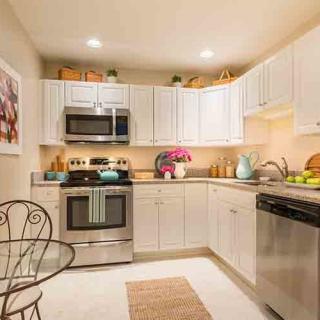
 Kitchenette
 Outdoor common areas
 Respite or short term stays offered
 Wi-Fi/high-speed internet available
 Ronald Reagan Washington National (15 miles away)
 Diabetic care
 High acuity care
 Incontinence care
 Medication management
 Low / no sodium
 BBQs or picnics
 Bible study group
 Birthday parties
 Book club
 Day trips and outings
 Gardening club
 Live musical performances
 Live well programs
 Other religious services
 Resident band or musicians
 Comprehensive Look at Senior Blood Pressure Charts: Normal and Elevated Levels by Age
 Top Canine Companions for Older Adults
 Comprehensive Guide to Blood Pressure Charts for Older Adults: Understanding Normal and High Readings by Age