
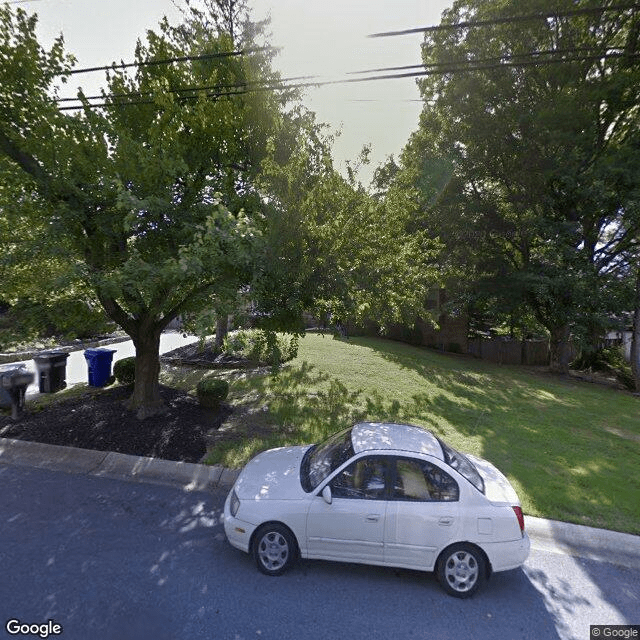
12705 Summerwood Drive, Silver Spring, MD 20904
For more information about senior living options: (866) 208-4318
Summerwood Garden Costs & Pricing
Summerwood Garden offers competitive pricing for its accommodations, with monthly costs that reflect a balanced option within the broader context of Prince George's County and Maryland. For semi-private rooms, residents can expect to pay $3,100, which is slightly above the county average of $3,058 but falls below the state average of $3,545. In terms of private rooms, Summerwood Garden's rate of $3,600 is more affordable than the county's average of $3,792 and significantly lower than the state's rate of $4,112. These pricing structures position Summerwood Garden as an attractive choice for those seeking quality care at reasonable rates in both local and state contexts.
| Floor plans | Summerwood Garden | Prince George's County | Maryland |
|---|---|---|---|
| Semi-Private | $3,100 | $3,058 | $3,545 |
| Private | $3,600 | $3,792 | $4,112 |
Assisted Living communities with a similar price nearby
-
from +$400 / mo
Best Home for Mom and Dad
$3,500 to $4,500 / month8.5 miles away -
from +$100 / mo

Mumsey's Residential Care
$3,200 to $5,400 / month24.2 miles away -
from -$125 / mo
Gneale Home Care
$2,975 / month20.4 miles away -
from -$400 / mo
Lifesprings Eldercare II
$2,700 to $3,100 / month18.0 miles away -
from +$400 / mo
Greenway Manor
$3,500 to $3,800 / month16.6 miles away
Overall Review of Summerwood Garden
Pros
 The owner, Ms. Joseph, is a registered nurse who has successfully run the facility for six years.
- Ms. Joseph collaborates with medical colleagues (MDs and RNs) to provide additional services.
- The facility takes residents out once a week for a meal or a visit to a mall, offering social outings.
- The price range of around $5,000 is reasonable.
- The facility accepts assignment of benefits from LTC insurance, facilitating access to benefits.
Cons
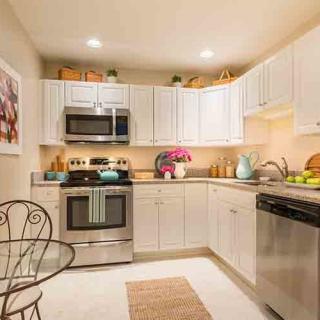
 The home appeared somewhat dark and cramped.
- The residents generally just sit about.
- The chair lift between floors creates a narrow space and may present issues for those with depth perception or ambulatory issues.
Review
Summerwood Garden is best suited for seniors who want a compact, home-like setting with hands-on medical oversight on site. The owner, a registered nurse, has run the house for six years and coordinates care with physicians and nurses who visit as needed. This arrangement appeals to families prioritizing safety, reliability, and straightforward medical coordination over a facility with a large activity staff or resort-style amenities. At roughly $5,000 per month, the pricing lands in a reasonable range for an intimate, physician-directed environment that accepts long-term care insurance benefits, making it a sensible option for those who value clarity of care over bells and whistles.
This community will be most comfortable for residents who do not require heavy daily programming but do require dependable medical oversight. The on-site nursing leadership and external medical support create a safety net that can be reassuring for seniors with chronic conditions who need occasional monitoring, rather than constant hands-on care. However, those who expect a bustling social calendar, frequent organized activities, or robust on-site therapy may find the offerings too lean. Alternatives should be considered for seniors who crave daily structured engagement or who need more diverse programming to sustain motivation and interaction.
The key advantages, personalized medical coordination, stable leadership, and a homey, single-family environment, partly offset the main drawbacks. The presence of an RN-led operation and access to MDs and RNs through the owner’s network helps ensure medical issues are managed promptly, a critical factor for families seeking continuity of care. A small footprint often translates to more attentive, responsive staff oversight in practice, which can reduce ambiguity in daily routines and medication management. The affordability and LTC insurance acceptance further lessen financial uncertainty, particularly for ongoing care needs that evolve over time.
Yet the cons are tangible and must be weighed carefully. The house feels dark and cramped, with coexistence spaces yielding limited bustle and stimulation. The layout includes a chair lift between the first floor and basement, producing a narrow pathway that may challenge residents with depth perception or limited mobility. The result is a setting that can feel confining, especially for seniors who rely on a more accessible, open-plan environment or who benefit from frequent, varied activities. Activity programming exists but is modest, one to two visits by an activity professional or physical therapist per week, leaving many days with limited engagement beyond routine tasks and visits.
The pros’ strength lies in medical oversight and the consistent, home-centered atmosphere, which can actualize a dependable layer of security for families prioritizing medical contact and comfort. For residents who value a calm, predictable routine and can manage within a smaller social milieu, the arrangement can deliver solid quality of life with a clear hand guiding health needs. The weekly outings for meals or mall trips provide occasional social relief and variety, a welcome counterbalance to the otherwise quiet rhythms of the day. When care needs are mostly custodial with periodic medical checks, Summerwood Garden can be a cost-effective, low-stress option.
In deciding, families should align expectations with the realities of the space and programming. If the senior requires daily social stimulation, frequent on-site activities, or easy access between living areas without navigating stairs or narrow routes, alternatives, such as larger assisted living communities with more robust activity schedules or facilities offering barrier-free layouts, should be explored. If medical oversight and a small, intimate environment are valued above all, this community warrants serious consideration, with careful checks on the current caregiver roster, the exact scope of physician access, and the real-world experience of residents living within the home.
 8 resident community capacity
 Assisted Living
 Board and Care Home
 Activities off-site
 Cable or satellite TV
 Dining room
 Fully furnished
 Garden
 Housekeeping services
 Indoor common areas
 Move-in coordination
 Outdoor common areas
 Private
 Respite or short term stays offered
 Telephone
 Wi-Fi/high-speed internet available
 Ronald Reagan Washington National (16 miles away)
 24-hour supervision
 Assistance with bathing
 Assistance with dressing
 Assistance with transfers
 Diabetes diet
 Diabetic care
 High acuity care
 Incontinence care
 Meal preparation and service
 Medication management
 Special dietary restrictions
 Transportation arrangement (medical)
 Transportation to doctors appointments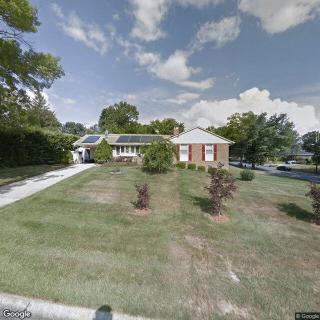
 Comprehensive Residential Support and Assisted Living Solutions for Individuals with Disabilities
 Comprehensive Supportive Living Arrangements for Adults with Disabilities
 Funding and Affording Assisted Living: A Thorough Overview