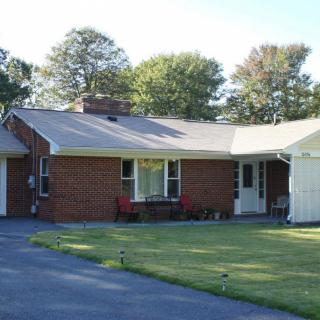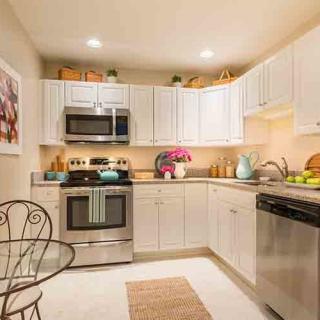
Jeya's Assisted Living Facility 2 in Silver Spring, MD

Save
Jeya's Assisted Living Facility 2

Jeya's Assisted Living Facility 2 in Silver Spring, MD

13104 Bellevue Street, Silver Spring, MD 20904

For more information about senior living options: (844) 490-3973

5 from 6 reviews
5 stars
6
4 stars
0
3 stars
0
2 stars
0
1 stars
0

Assisted Living Board and Care Home

Jeya's Assisted Living Facility 2 Costs & Pricing

At Jeya's Assisted Living Facility 2, the cost for a semi-private room is set at $3,500 per month, which positions it competitively within Prince George's County where the average price for similar accommodations is approximately $3,058. This pricing reflects a commitment to providing quality care and services that exceed local standards. For those seeking more privacy, the private room rate at Jeya's is $4,000 monthly. This is slightly below Maryland's average of $4,112 for private accommodations, indicating that Jeya's not only offers a comfortable living environment but also does so at a reasonable price point compared to both county and state averages. Overall, Jeya's Assisted Living Facility 2 provides an appealing balance of affordability and quality care in the region.

Floor plansJeya's Assisted Living Facility 2Prince George's CountyMaryland
Semi-Private$3,500$3,058$3,545
Private$4,000$3,792$4,112

Overall Review of Jeya's Assisted Living Facility 2

Pros

  • pro JK House of Grace II is described as a warm, home-like environment where residents are cared for with compassion and respect.
  • pro The staff are fabulous - kind, attentive, and patient.
  • pro Staff treat residents like family, providing peace of mind to their loved ones.
  • pro Meals are homemade daily, healthy, and delicious, making residents feel comfortable and cared for.
  • pro JK House of Grace II is more than a place to live - it is a home filled with love and dignity.
  • pro The environment and quality of care are outstanding, with outside medical professionals noting it as superior to other facilities.
  • pro The four homes offer a safe, peaceful, and loving environment for family members.

Cons

  • pro One reviewer expressed concern about having two levels and only one staff member on duty at night.

Review

This community is best suited for families seeking a truly intimate, home-like memory-care option where residents receive exceptionally individualized attention. The model centers on small, privately run homes that typically house about 6?8 residents, creating a setting that feels more like a family residence than a traditional campus. In this environment, care is delivered with warmth, dignity, and a steady sense of routine: home-cooked meals, familiar daily activities, and opportunities for social engagement that mimic a loved one's prior life - Bible study, casual gatherings, arts and crafts, and celebratory meals. The recurring theme is that staff treat residents as beloved members of the family, which translates into a calm, reassuring atmosphere for families seeking peace of mind.

That said, this approach is not for every situation. Families with loved ones who require intensive medical oversight, 24/7 skilled nursing on-site, or a wide breadth of clinical therapies may want to consider larger, more hospital-like communities. A notable caveat from those familiar with the setting is the staffing structure at night: some homes run on a lean schedule with one staff member covering two levels. For families needing constant, on-demand night coverage or rapid responses to acute needs, this arrangement can be a meaningful downside and warrants careful verification during visits.

The primary positives center on staff caliber and the home-like rhythm. The caregivers are described as exceptionally kind, patient, and consistently hands-on, creating an atmosphere where residents are treated with genuine respect and affection. Families report a sense of comfort knowing their loved one is in a setting that prioritizes personal touch over formal routine, with meals that are homemade and healthful, contributing to both comfort and appetite. The smaller scale also enables frequent, meaningful interactions - regular activities, celebrations, and even spiritual or social programming that give residents purpose and a recognizable daily structure. External observers, including visiting medical professionals in some accounts, repeatedly praise the level of care and the overall environment as being superior to other memory-care options the families had experienced.

Nonetheless, the same features that people lean on for reassurance can appear as drawbacks for others. The small, home-based model inherently carries fewer on-site specialists and less hospital-like coverage than larger facilities. The night staffing concern mentioned above is a concrete example: with only one staff person on the night shift for multiple levels, there can be slower or less immediate responses in emergencies or during hours when daytime staff are not present. Prospective families should weigh the value of a tranquil, intimate setting against the need for brisk access to broader clinical resources and rapid nighttime support.

In balancing the pros and cons, the strengths often outweigh the downsides for residents who value belonging, continuity, and a dignified day-to-day existence. The intimate environment fosters trust and continuity of relationships, which in turn reduces anxiety for both residents and families. The high level of attentiveness, combined with predictable routines and a strong sense of community - further reinforced by shared activities and celebrations - provides a sense of security hard to reproduce in larger communities. When families can align their expectations with what this model can deliver, the result is a living arrangement that feels like an extension of home, with care that emphasizes personhood and comfort as much as clinical immediacy.

For families weighing a choice, these considerations guide a practical decision. Seek this model if the priority is a warm, neighborly atmosphere where staff know residents well and care routines feel personal and steady. Verify that night coverage meets comfort standards: confirm the number of residents per caregiver after hours, and ask about procedures for urgent needs that may arise at night. Compare with alternatives that offer larger staff teams, more medical oversight, or specialty programs if those features are essential. Finally, arrange visits to observe how staff interact with residents, how meals are prepared, and how activities are integrated into daily life; the decision hinges on aligning the residence's intimate, home-like strengths with the resident's medical needs, personality, and family expectations.

Features

Housing

  • 5 resident community capacity 5 resident community capacity

Types of Care

  • Assisted Living Assisted LivingAssisted living facilities provide crucial support and care for seniors who may need help with daily tasks such as medication management, bathing, and meal preparation. These communities offer a safe and comfortable environment where seniors can maintain their independence while receiving the assistance they need to thrive in their golden years.
  • Board and Care Home Board and Care HomeBoard and care homes provide a smaller, more intimate setting for seniors who require assistance with daily tasks but do not need the level of care offered by a nursing home. They offer personalized care, meals, and social activities in a homelike environment, ensuring that seniors receive individualized attention and support in their golden years.

Amenities

  • Activities off-site Activities off-siteEngaging in off-site activities is crucial for seniors to maintain social connections, stay active, and stimulate their minds. It promotes overall well-being and helps combat feelings of isolation and loneliness.
  • Activities on-site Activities on-siteActivities on-site are important for seniors because they provide opportunities for socialization, mental stimulation, physical activity, and overall well-being. Engaging in activities can help seniors stay active, maintain their independence, and improve their quality of life.
  • Bath tubs Bath tubsBath tubs are important for seniors because they provide a safe and relaxing way to bathe, helping to prevent slips and falls while promoting independence and overall well-being.
  • Cable or satellite TV Cable or satellite TVCable or satellite TV is important for seniors because it provides entertainment, news, and companionship, helping to combat loneliness and boredom. It also offers a wide range of programming options tailored to different interests and preferences.
  • Devotional services off-site Devotional services off-siteDevotional services off-site are important for seniors as they provide spiritual nourishment, social engagement, and a sense of community outside of the senior living facility. This can enhance overall well-being and help combat feelings of isolation and loneliness often experienced by older adults.
  • Devotional services on-site Devotional services on-siteDevotional services on-site provide seniors with spiritual support and a sense of community, as well as an opportunity for reflection and guidance during their senior living experience. This can promote emotional well-being and connection to others, leading to a more fulfilling and enriching lifestyle in their later years.
  • Dining room Dining roomDining rooms are important for seniors as they provide a space for socialization, connection, and nutritious meals. They offer opportunities for residents to bond over shared meals, foster a sense of community, and promote healthy eating habits. Dining rooms also ensure that seniors have access to well-balanced meals tailored to their dietary needs and preferences.
  • Fully furnished Fully furnishedFully furnished senior living communities are important for seniors because they provide convenience, comfort, and a hassle-free moving experience. Seniors can easily settle into their new living space without the stress of having to buy and move furniture. This allows them to focus on enjoying their new home and community.
  • Garden GardenGardens are important for seniors as they provide a peaceful and therapeutic environment for relaxation, physical activity, and socialization. Being in nature has been shown to reduce stress, improve mood, and promote overall well-being. Gardens also offer opportunities for seniors to engage in gardening activities, which can improve mobility, flexibility, and cognitive function. Additionally, gardens create a sense of community and connection with others who share a passion for plants and outdoor spaces.
  • Housekeeping services Housekeeping servicesHousekeeping services are important for seniors because they help maintain a clean and safe living environment, promote independence, and reduce the risk of accidents or illnesses. Additionally, having assistance with household chores can alleviate physical strain and allow seniors to focus on other aspects of their well-being.
  • Indoor common areas Indoor common areasIndoor common areas are crucial for seniors as they provide a space for socialization, recreation, and community engagement, promoting overall well-being and reducing feelings of isolation and loneliness.
  • Move-in coordination Move-in coordinationMove-in coordination is important for seniors because it helps ease the transition into their new living environment. It ensures that all logistics, such as packing, organizing movers, and setting up utilities are taken care of, allowing seniors to focus on settling in and adjusting to their new home. Having a smooth move-in process can alleviate stress and anxiety, making the transition smoother and more enjoyable for seniors.
  • Outdoor common areas Outdoor common areasOutdoor common areas are important for seniors as they provide a space for socialization, physical activity, and relaxation. Being outside in nature can improve mood and overall well-being, while also encouraging movement and engagement with others. These spaces can help combat feelings of isolation and promote a sense of community among residents.
  • Outdoor space Outdoor spaceOutdoor spaces are important for seniors as they provide opportunities for physical activity, social interaction, exposure to natural light and fresh air, and a sense of connection to nature. Having access to outdoor spaces can improve overall well-being and quality of life for older adults living in senior communities.
  • Private PrivatePrivacy is important for seniors as it allows them to maintain their independence, dignity, and sense of control over their own lives. It also gives them the space and freedom to relax, reflect, and engage in activities that bring them joy and fulfillment. Creating private spaces within senior living facilities is crucial for promoting overall well-being and quality of life.
  • Respite or short term stays offered Respite or short term stays offeredRespite or short term stays provide seniors with a temporary solution when their regular caregiver is unavailable, offering them the opportunity to receive additional care and support during times of need, while also giving caregivers a chance to rest and recharge.
  • Telephone TelephoneTelephones are important for seniors as they provide a lifeline for communication with loved ones, emergency services, and healthcare providers. They offer a sense of security and independence, enabling seniors to stay connected and access assistance when needed.
  • Wi-Fi/high-speed internet available Wi-Fi/high-speed internet availableWi-Fi/high-speed internet is important for seniors to stay connected with loved ones, access online resources, and participate in virtual activities to combat feelings of loneliness and isolation. It also allows them to easily manage healthcare needs, access entertainment, and engage in lifelong learning opportunities.

Transportation

  • Ronald Reagan Washington National (15 miles away) Ronald Reagan Washington National (15 miles away)
  • Baltimore-Washington International (17 miles away) Baltimore-Washington International (17 miles away)

Care Services

  • 24-hour supervision 24-hour supervision24-hour supervision is important for seniors to ensure their safety, well-being, and access to immediate assistance in case of emergencies or health issues. This constant support provides peace of mind for both seniors and their loved ones, allowing them to age in place with dignity and security.
  • Activities of daily living assistance Activities of daily living assistanceActivities of daily living assistance are important for seniors because they provide essential support with tasks such as eating, bathing, dressing, and mobility. This assistance helps seniors maintain their independence, dignity, and overall quality of life as they age.
  • Ambulatory care Ambulatory care"Ambulatory care services provide essential medical support and treatment to seniors without requiring hospitalization, allowing them to maintain their independence and quality of life while managing chronic conditions or receiving routine medical care."
  • Assistance with bathing Assistance with bathingAssistance with bathing is crucial for seniors as it helps maintain personal hygiene, prevents infections, and ensures their overall well-being and comfort. It also provides a sense of dignity and independence for seniors who may struggle with this task on their own.
  • Assistance with dressing Assistance with dressingAssistance with dressing is important for seniors because it helps maintain their independence, promotes personal hygiene, prevents accidents and injuries, and improves overall quality of life. This service ensures that seniors can continue to dress comfortably and confidently, despite any physical limitations they may have.
  • Assistance with transfers Assistance with transfersAssistance with transfers is crucial for seniors as it helps prevent falls and injuries, maintains their independence, and ensures they can safely navigate their living environment. It also provides peace of mind for both seniors and their loved ones.
  • Coordination with health care providers Coordination with health care providersCoordination with health care providers is crucial for seniors to ensure proper medical care, medication management, and overall well-being. This collaboration helps prevent overlapping treatments, track progress more effectively, and provide comprehensive support tailored to individual needs.
  • Diabetes diet Diabetes dietA diabetes diet is crucial for seniors as it helps manage blood sugar levels, reduce risks of complications, and improve overall health and well-being. By following a balanced and nutritious diet tailored to their specific needs, seniors can better control their diabetes and enhance their quality of life.
  • Diabetic care Diabetic careDiabetic care is crucial for seniors as they are more susceptible to developing diabetes due to aging and other health conditions. Proper management of diabetes can help prevent complications such as heart disease, vision loss, and nerve damage, improving the overall quality of life for seniors in senior living communities.
  • High acuity care High acuity careHigh acuity care is important for seniors because it provides specialized medical attention and support for individuals with complex medical needs. This level of care ensures that seniors receive the appropriate treatment and assistance to maintain their health and quality of life as they age.
  • Meal preparation and service Meal preparation and serviceMeal preparation and service are crucial for seniors as they may have limited mobility or energy to cook nutritious meals. Having access to healthy and convenient food options can ensure they are getting the proper nutrition needed to maintain their overall health and well-being.
  • Medication management Medication managementMedication management is crucial for seniors to ensure they are taking the right medications at the correct dosages and times. This helps prevent adverse drug interactions, reduces the risk of medication errors, and promotes overall health and well-being. Proactive management also allows for adjustments as needed based on changing health conditions or new prescriptions.
  • Special dietary restrictions Special dietary restrictionsSpecial dietary restrictions are important for seniors because age-related changes in metabolism and health conditions can make it difficult for their bodies to process certain foods. By following a diet tailored to their specific needs, seniors can maintain their overall health and well-being, manage chronic conditions, and reduce the risk of complications such as malnutrition or food interactions with medications.
  • Transportation arrangement (medical) Transportation arrangement (medical)Transportation arrangements for medical purposes are essential for seniors as they may have difficulty driving themselves to appointments or accessing public transportation. Having reliable and safe transportation options ensures that seniors can receive timely medical care and maintain their health and well-being.
  • Transportation to doctors appointments Transportation to doctors appointmentsTransportation to doctors' appointments is crucial for seniors as it ensures they have access to necessary medical care and support for their health needs. Without reliable transportation, seniors may struggle to attend important appointments, leading to potential delays in treatment and health complications. Providing transportation services helps seniors maintain their overall well-being and quality of life.

Dining

  • Diabetes diet Diabetes dietA diabetes diet is crucial for seniors as it helps manage blood sugar levels, reduce risks of complications, and improve overall health and well-being. By following a balanced and nutritious diet tailored to their specific needs, seniors can better control their diabetes and enhance their quality of life.
  • Meals provided Meals provided"Meals provided" are crucial for seniors in assisted living communities as it ensures they have access to nutritious, balanced meals without the stress of meal planning and preparation. This can help promote overall health and well-being for seniors who may have limited mobility or cognitive abilities.
  • Special dietary restrictions Special dietary restrictionsSpecial dietary restrictions are important for seniors because age-related changes in metabolism and health conditions can make it difficult for their bodies to process certain foods. By following a diet tailored to their specific needs, seniors can maintain their overall health and well-being, manage chronic conditions, and reduce the risk of complications such as malnutrition or food interactions with medications.
  • Vegetarian VegetarianA vegetarian diet is important for seniors because it can help lower the risk of chronic diseases, maintain a healthy weight, and provide essential nutrients needed for aging bodies. Additionally, plant-based diets are often easier on digestive systems and can contribute to overall well-being in older adults.

Activities

  • Activities off-site Activities off-siteEngaging in off-site activities is crucial for seniors to maintain social connections, stay active, and stimulate their minds. It promotes overall well-being and helps combat feelings of isolation and loneliness.
  • Activities on-site Activities on-siteActivities on-site are important for seniors because they provide opportunities for socialization, mental stimulation, physical activity, and overall well-being. Engaging in activities can help seniors stay active, maintain their independence, and improve their quality of life.
  • Adventist services Adventist servicesAdventist services are important for seniors as they provide a sense of community, spiritual support, and opportunities for social engagement and growth. These services can help seniors stay connected, find purpose and meaning in their lives, and improve their overall well-being during their golden years.
  • Community-sponsored activities Community-sponsored activitiesCommunity-sponsored activities are important for seniors as they provide opportunities for social interaction, mental stimulation, and physical activity. These activities can help improve overall well-being, combat loneliness and isolation, and promote a sense of belonging and purpose among older adults.
  • Devotional activities offsite Devotional activities offsiteDevotional activities offsite are important for seniors because they provide social engagement, spiritual growth, and a sense of community outside of their living environment. This can improve overall well-being, mental health, and combat feelings of isolation or loneliness.
  • Devotional activities on-site Devotional activities on-siteDevotional activities on-site provide seniors with a sense of community, spiritual fulfillment, and emotional support, promoting overall well-being and a positive sense of purpose in their lives.
  • Scheduled daily activities Scheduled daily activitiesScheduled daily activities are important for seniors because they provide structure, socialization, mental stimulation, and physical activity. Engaging in regular activities can improve overall well-being and quality of life for seniors living in a community setting.

Description

Welcome to Jeya's Assisted Living Facility 2, a warm and inviting board and care home located in the heart of Silver Spring, MD. Our community is dedicated to providing a comfortable and supportive environment for residents seeking assistance with daily living activities while enjoying a vibrant lifestyle.

At Jeya's, we offer a comprehensive range of care services tailored to meet the unique needs of each resident. Our compassionate staff is trained to assist with activities of daily living, including bathing, dressing, transfers, and medication management. We also provide specialized care for residents with diabetes and cater to various dietary preferences, ensuring that every meal is not only nutritious but also delicious.

Our facility boasts an array of amenities designed to enhance the quality of life for our residents. Enjoy engaging activities on-site or participate in community-sponsored events that foster social interaction and personal enrichment. Residents can relax in our beautifully landscaped outdoor spaces or cozy indoor common areas, perfect for connecting with friends or enjoying quiet moments.

Dining at Jeya's is a delightful experience, featuring well-balanced meals prepared with special dietary restrictions in mind, including vegetarian options. Our dining room offers a welcoming atmosphere where residents can share meals and create lasting memories together.

Convenience is key at Jeya's Assisted Living Facility 2. We are ideally situated near parks for leisurely strolls, pharmacies for easy access to medications, physicians for medical consultations, restaurants for dining out options, and places of worship nearby for spiritual enrichment.

Whether you need short-term respite care or long-term support, we are committed to offering personalized move-in coordination services and transportation arrangements for medical appointments so that you can focus on what matters most, your health and happiness.

Experience the perfect blend of independence and assistance at Jeya's Assisted Living Facility 2, where our mission is to empower residents to live life to the fullest in a nurturing environment.

Nearby Places of Interest

This part of Silver Spring, Maryland offers a convenient and vibrant community with a variety of amenities nearby. You will find multiple dining options including popular chains such as McDonald's and Jollibee, as well as local cafes like Lost Sock Roasters and Vigilante Coffee. There are also pharmacies like Kaiser Permanente and Walgreens in close proximity for your healthcare needs. Additionally, there are several places of worship, parks for outdoor activities, transportation options such as the Greenbelt Metro Station, and reputable physicians and hospitals for medical care. Overall, this area provides a comfortable and well-rounded environment for senior living with easy access to essential services and recreational facilities.

Restaurants

  • McDonald's (0.8 miles)
  • McDonald's (0.8 miles)
  • First Watch (5.1 miles)
  • Jollibee (6.3 miles)
  • Looney's Pub (6.4 miles)
  • McDonald's (6.5 miles)
  • Denizens Brewing Co. (6.7 miles)

Pharmacies

  • Kaiser Permanente - Pharmacy (0.8 miles)
  • Walgreens (3.4 miles)
  • Herbiculture (3.6 miles)
  • CVS Pharmacy (3.7 miles)
  • Walgreens (4.1 miles)
  • CVS Pharmacy (4.4 miles)
  • Greenbelt Co-op Supermarket & Pharmacy (5.3 miles)

Places of Worship

  • College Park United Methodist Church (3.5 miles)
  • Christ Congregational Church (5.1 miles)
  • Saint Andrew Kim Catholic Church (8.2 miles)
  • Basilica of the National Shrine of the Immaculate Conception (9.2 miles)

Transportation

  • Greenbelt Station (3.7 miles)
  • Greenbelt Metro Station (3.7 miles)
  • College Park - University of Maryland Metro Station (5.6 miles)
  • Glenmont Metro Station (5.9 miles)
  • Forest Glen Metro Station (6.2 miles)
  • Prince George's Plaza Metro Station (6.5 miles)
  • West Hyattsville Metro Station (7.3 miles)

Parks

  • Duvall Playground (3.9 miles)
  • High Ridge Park (5.7 miles)
  • Georgian Forest Park & Tennis Courts (6.3 miles)
  • Fort Slocum Park (7.9 miles)
  • Winding Creek Local Park (8 miles)
  • Rock Creek Park (8.6 miles)
  • Chevy Chase Park (8.7 miles)

Physicians

  • Allergy Partners of Metro DC (4.3 miles)
  • Eternal Dermatology (6.5 miles)
  • Sheikh, Sarah Capital Womens Care (7.1 miles)
  • Maple Lawn Surgery Center (7.1 miles)
  • Rochelle Hardy Md (7.7 miles)
  • Ford Medical Associates (7.7 miles)
  • Potomac Valley Orthopedic (7.8 miles)

Hospitals

  • Holy Cross Hospital (5.9 miles)
  • Medstar Washington Hospital Center (9.8 miles)

Cafes

  • Lost Sock Roasters (7.2 miles)
  • Vigilante Coffee (7.4 miles)
  • Starbucks (8 miles)
  • Starbucks (8.4 miles)
  • Tatte Bakery & Cafe (9.7 miles)
  • Starbucks (9.8 miles)

Frequently Asked Questions

How much does it cost to live at Jeya's Assisted Living Facility 2 in Silver Spring, MD?
Where is Jeya's Assisted Living Facility 2?

Nearby Communities

  • Hands & Heart 2

    Hands & Heart 2

    Silver Spring, MD


    pro Small, intimate community with personalized care and daily living support.

  • Agape - Silver Spring

    Agape - Silver Spring

    Silver Spring, MD

     
    $2,500 to $3,000 / month

    pro Small, personalized setting with affordable pricing.

  • Beltsville Elderly Care Home

    Beltsville Elderly Care Home

    Beltsville, MD


    pro Peaceful location with nearby medical care and amenities.

  • Beltsville Elderly Care Home III

    Beltsville Elderly Care Home III

    Beltsville, MD


    pro Small, intimate setting with personalized care and comprehensive support (24/7 supervision, ADL assistance, medical coordination, and diabetes-friendly dining).

  • S & L Assisted Living

    S & L Assisted Living

    Silver Spring, MD


    pro Comprehensive care (24/7 supervision, ADL help, medication management) with diabetes-friendly dining and medical transportation.

  • Beacon Spring Assisted Living,  LLC

    Beacon Spring Assisted Living, LLC

    Silver Spring, MD

    5 from 3 reviews
    $5,048 / month

    pro Calm, peaceful environment with strong leadership.

  • Riderwood

    Riderwood

    Silver Spring, MD

    4.1 from 70 reviews
    $5,283 to $9,400 / month

    pro Active community with attentive staff and varied dining options.

  • Avonlea Ridge Assisted Living

    Avonlea Ridge Assisted Living

    Silver Spring, MD

    4.2 from 9 reviews
    $3,500 to $5,000 / month

    pro Caring, experienced staff in a home-like, clean environment with personalized care.

  • Wilshire Estates Gracious Retirement Living

    Wilshire Estates Gracious Retirement Living

    Silver Spring, MD

    4.5 from 72 reviews
    $3,387 / month

    pro Helpful, attentive staff; clean facilities; extensive amenities and activities.

Related Resources

  • independent living vs assisted livingExploring the Path to Senior Living: A Comprehensive Look at Independent Living and Assisted Living

    The article examines senior housing options, detailing the distinctions between independent living and assisted living, along with the emerging "independent assisted living" model that blends both approaches. It highlights the importance of assessing individual needs, preferences, and financial factors in making informed decisions about suitable living arrangements for seniors.

  • is assisted living tax deductibleIs Assisted Living Deductible on Your Taxes? Understanding the Complexities of Assisted Living Expenses and Deductions

    The deductibility of assisted living expenses on taxes hinges on factors like the individual's medical condition and service nature, typically requiring the resident to be "chronically ill" per IRS definitions. Taxpayers may deduct eligible medical expenses related to personal care services but generally not rent unless primarily for medical care, and they should maintain thorough documentation to support claims while considering itemizing versus standard deductions.

  • va benefits for assisted livingAssisted Living Support for Veterans: A Complete and Detailed Overview

    The guide highlights the importance of assisted living facilities for aging veterans needing daily support, discusses unique challenges they face, and outlines available financial assistance from the VA, including the Aid and Attendance program. It emphasizes understanding eligibility criteria and navigating the VA system to access necessary benefits effectively.