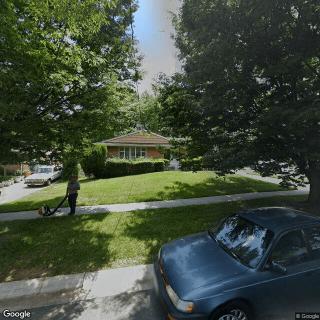
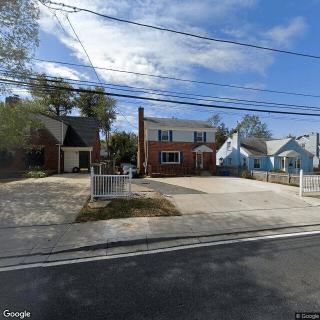
J'Rose Assisted Living in Silver Spring, MD

Information last verified:

808 East Franklin Avenue, Silver Spring, MD 20901

For more information about senior living options: (844) 490-3973

3.3 from 7 reviews
5 stars
4
4 stars
0
3 stars
0
2 stars
0
1 stars
3

Overall Review of J'Rose Assisted Living

Pros

  • pro JK House of Grace II provides a warm, home-like environment where residents are cared for with compassion and respect.
  • pro The staff are fabulous—kind, attentive, and patient, and treat residents like family.
  • pro Meals are homemade daily, healthy, and delicious, making residents feel comfortable and cared for.
  • pro The environment is safe, peaceful, and loving for families seeking care.
  • pro External medical professionals have noted that the level of care and the environment are consistently superior to what they have seen at other facilities.
  • pro The Khader family and their staff lovingly care for each resident with respect, kindness, and encouragement.

Cons

  • pro The majority of staff do not speak English.
  • pro There is poor personal care.
  • pro Staff do not use gait belts with walking or transfers.
  • pro The facility has been reported to the state for negligence.
  • pro Avoid this place at all costs.
  • pro There is not much grace to be found at The JK House of Grace.
  • pro They would not put anyone you care about here.
  • pro Zero stars.
  • pro The father was admitted to this facility against their wishes because they lacked medical POA.
  • pro Within two months, he was immobile and fully dependent.
  • pro Residents are routinely restrained in recliners with legs elevated and backs reclined, limiting mobility.
  • pro He fell and sustained a severe head injury and was not given appropriate emergency care.
  • pro Staff were told he needed immediate medical intervention, but to no avail.
  • pro The facility failed to provide the proper standard of care, constituting negligence and a breach of duty.
  • pro People are easily discarded here and left to die with no oversight.

Review

This community is best suited for families seeking a small, home-like setting where residents can be known personally by staff and where family involvement is encouraged. It can work well for seniors who prioritize a warm, intimate atmosphere and daily routines that feel like a home, with attentive interactions from caregivers who remember preferences and histories. However, for households that require consistently English-speaking staff, rigorous medical oversight, and dependable safety protocols, alternatives should be considered. The choice hinges on whether the priority is a cozy, neighborly environment or uninterrupted, clearly documented care standards and rapid responses to medical or cognitive needs.

What the feedback consistently signals is a wide gulf in experience within the same market. Some families describe a setting that feels like a blessing, friendly, patient staff, homemade meals, and a sense that a loved one is treated with dignity and affection. Yet others report serious breakdowns in day-to-day care, with concerns about language barriers, minimal personal care, and a reluctance or failure to use standard safety tools during transfers. The rating pattern, multiple high marks alongside multiple grave concerns, points to variability in leadership, staffing, and accountability. For families weighing options, that variability translates into a need for highly individualized due diligence: visits, conversations with current residents and families, and a careful read of how staff are trained to handle mobility, daily hygiene, and cognitive care.

Several red flags emerge when care quality is examined through the most alarming accounts. Language barriers among staff can hinder timely communication about resident needs, changes in condition, or safety instructions. Reports of poor personal care and a troubling lack of gait-belts use during transfers raise immediate safety questions for anyone with mobility challenges. The most serious narratives describe neglect and slow or absent medical intervention after injuries, culminating in falls, hospitalizations, and, in extreme cases, bereavement under care that felt mismanaged or unresponsive. Such accounts are not transient complaints; they carry implications for state oversight, licensure status, and the ongoing viability of a trusted care relationship. In decision-making terms, these concerns demand transparent, verifiable evidence of staffing ratios, training standards, and incident-response protocols before any commitment is made.

To balance the calculus, it is essential to weigh favorable examples from comparable operators in the same sphere. Some families recount a different experience, small, family-run homes with a “home-like” rhythm, where care teams are described as kind, patient, and deeply devoted to residents. In those cases, specialists note strong engagement through regular activities, home-cooked meals, and rituals that provide emotional comfort. Medical professionals visiting these environments sometimes voice reassuring impressions about the overall safety culture and the attentiveness of staff. This contrast underscores a critical point for families: quality in this sector is not monolithic. The variance highlights the need for on-site validation, a clear understanding of who operates the home, and a review of the operator’s track record, including any independent assessments or state findings.

The practical takeaway centers on verifiable criteria and disciplined appraisal. Prospective residents and their families should insist on concrete evidence of English-speaking staffing continuity, certified training in safe transfers and dementia care, and documented daily care plans that specify gait-support strategies, skin checks, oral and personal hygiene routines, and timely access to medical services. Demand to see incident logs, staffing schedules, and a routine for preventive care as well as emergency responsiveness. If exploring a small, homelike option, insist on a clearly defined caregiver-to-resident ratio, predictable schedules, and opportunities to observe daytime interactions. If a facility cannot demonstrate consistent practices in these areas, the prudent move is to keep looking, prefer alternatives with transparent governance, regular external reviews, and a demonstrated record of safeguarding residents’ mobility, dignity, and medical needs.

In the end, the choice comes down to balancing comfort against safety and oversight. For families who prize a gentle, intimate setting and can actively supervise and communicate about care, a small home with a proven ethic of warmth can be a fit, provided its leadership shows consistent, documentable quality controls and a reliable ability to manage medical and cognitive needs. For those whose loved ones require strong English-language communication, rapid medical responsiveness, and rigorous safety practices, alternatives with a clearer track record of compliance and more robust clinical oversight should be prioritized. When evaluating J’Rose or any similar option, the prudent approach is deliberate, evidence-based, and uncompromising on critical safety and care standards, start with a full tour, request current care plans and incident histories, talk to multiple staff members, and insist on references who can attest to sustained quality rather than episodic commendations.

Features

Housing

  • 8 resident community capacity 8 resident community capacity

Types of Care

  • Assisted Living Assisted LivingAssisted living facilities provide crucial support and care for seniors who may need help with daily tasks such as medication management, bathing, and meal preparation. These communities offer a safe and comfortable environment where seniors can maintain their independence while receiving the assistance they need to thrive in their golden years.

Amenities

  • Cable or satellite TV Cable or satellite TVCable or satellite TV is important for seniors because it provides entertainment, news, and companionship, helping to combat loneliness and boredom. It also offers a wide range of programming options tailored to different interests and preferences.
  • Dining room Dining roomDining rooms are important for seniors as they provide a space for socialization, connection, and nutritious meals. They offer opportunities for residents to bond over shared meals, foster a sense of community, and promote healthy eating habits. Dining rooms also ensure that seniors have access to well-balanced meals tailored to their dietary needs and preferences.
  • Fully furnished Fully furnishedFully furnished senior living communities are important for seniors because they provide convenience, comfort, and a hassle-free moving experience. Seniors can easily settle into their new living space without the stress of having to buy and move furniture. This allows them to focus on enjoying their new home and community.
  • Garden GardenGardens are important for seniors as they provide a peaceful and therapeutic environment for relaxation, physical activity, and socialization. Being in nature has been shown to reduce stress, improve mood, and promote overall well-being. Gardens also offer opportunities for seniors to engage in gardening activities, which can improve mobility, flexibility, and cognitive function. Additionally, gardens create a sense of community and connection with others who share a passion for plants and outdoor spaces.
  • Housekeeping services Housekeeping servicesHousekeeping services are important for seniors because they help maintain a clean and safe living environment, promote independence, and reduce the risk of accidents or illnesses. Additionally, having assistance with household chores can alleviate physical strain and allow seniors to focus on other aspects of their well-being.
  • Move-in coordination Move-in coordinationMove-in coordination is important for seniors because it helps ease the transition into their new living environment. It ensures that all logistics, such as packing, organizing movers, and setting up utilities are taken care of, allowing seniors to focus on settling in and adjusting to their new home. Having a smooth move-in process can alleviate stress and anxiety, making the transition smoother and more enjoyable for seniors.
  • Outdoor space Outdoor spaceOutdoor spaces are important for seniors as they provide opportunities for physical activity, social interaction, exposure to natural light and fresh air, and a sense of connection to nature. Having access to outdoor spaces can improve overall well-being and quality of life for older adults living in senior communities.
  • Telephone TelephoneTelephones are important for seniors as they provide a lifeline for communication with loved ones, emergency services, and healthcare providers. They offer a sense of security and independence, enabling seniors to stay connected and access assistance when needed.
  • Wi-Fi/high-speed internet available Wi-Fi/high-speed internet availableWi-Fi/high-speed internet is important for seniors to stay connected with loved ones, access online resources, and participate in virtual activities to combat feelings of loneliness and isolation. It also allows them to easily manage healthcare needs, access entertainment, and engage in lifelong learning opportunities.

Transportation

  • Ronald Reagan Washington National (11 miles away) Ronald Reagan Washington National (11 miles away)
  • Baltimore-Washington International (21 miles away) Baltimore-Washington International (21 miles away)

Care Services

  • 24-hour supervision 24-hour supervision24-hour supervision is important for seniors to ensure their safety, well-being, and access to immediate assistance in case of emergencies or health issues. This constant support provides peace of mind for both seniors and their loved ones, allowing them to age in place with dignity and security.
  • Activities of daily living assistance Activities of daily living assistanceActivities of daily living assistance are important for seniors because they provide essential support with tasks such as eating, bathing, dressing, and mobility. This assistance helps seniors maintain their independence, dignity, and overall quality of life as they age.
  • Assistance with bathing Assistance with bathingAssistance with bathing is crucial for seniors as it helps maintain personal hygiene, prevents infections, and ensures their overall well-being and comfort. It also provides a sense of dignity and independence for seniors who may struggle with this task on their own.
  • Assistance with dressing Assistance with dressingAssistance with dressing is important for seniors because it helps maintain their independence, promotes personal hygiene, prevents accidents and injuries, and improves overall quality of life. This service ensures that seniors can continue to dress comfortably and confidently, despite any physical limitations they may have.
  • Assistance with transfers Assistance with transfersAssistance with transfers is crucial for seniors as it helps prevent falls and injuries, maintains their independence, and ensures they can safely navigate their living environment. It also provides peace of mind for both seniors and their loved ones.
  • Coordination with health care providers Coordination with health care providersCoordination with health care providers is crucial for seniors to ensure proper medical care, medication management, and overall well-being. This collaboration helps prevent overlapping treatments, track progress more effectively, and provide comprehensive support tailored to individual needs.
  • Diabetes diet Diabetes dietA diabetes diet is crucial for seniors as it helps manage blood sugar levels, reduce risks of complications, and improve overall health and well-being. By following a balanced and nutritious diet tailored to their specific needs, seniors can better control their diabetes and enhance their quality of life.
  • Meal preparation and service Meal preparation and serviceMeal preparation and service are crucial for seniors as they may have limited mobility or energy to cook nutritious meals. Having access to healthy and convenient food options can ensure they are getting the proper nutrition needed to maintain their overall health and well-being.
  • Medication management Medication managementMedication management is crucial for seniors to ensure they are taking the right medications at the correct dosages and times. This helps prevent adverse drug interactions, reduces the risk of medication errors, and promotes overall health and well-being. Proactive management also allows for adjustments as needed based on changing health conditions or new prescriptions.
  • Special dietary restrictions Special dietary restrictionsSpecial dietary restrictions are important for seniors because age-related changes in metabolism and health conditions can make it difficult for their bodies to process certain foods. By following a diet tailored to their specific needs, seniors can maintain their overall health and well-being, manage chronic conditions, and reduce the risk of complications such as malnutrition or food interactions with medications.
  • Transportation arrangement (medical) Transportation arrangement (medical)Transportation arrangements for medical purposes are essential for seniors as they may have difficulty driving themselves to appointments or accessing public transportation. Having reliable and safe transportation options ensures that seniors can receive timely medical care and maintain their health and well-being.
  • Transportation to doctors appointments Transportation to doctors appointmentsTransportation to doctors' appointments is crucial for seniors as it ensures they have access to necessary medical care and support for their health needs. Without reliable transportation, seniors may struggle to attend important appointments, leading to potential delays in treatment and health complications. Providing transportation services helps seniors maintain their overall well-being and quality of life.
Dining

  • Diabetes diet Diabetes dietA diabetes diet is crucial for seniors as it helps manage blood sugar levels, reduce risks of complications, and improve overall health and well-being. By following a balanced and nutritious diet tailored to their specific needs, seniors can better control their diabetes and enhance their quality of life.
  • Special dietary restrictions Special dietary restrictionsSpecial dietary restrictions are important for seniors because age-related changes in metabolism and health conditions can make it difficult for their bodies to process certain foods. By following a diet tailored to their specific needs, seniors can maintain their overall health and well-being, manage chronic conditions, and reduce the risk of complications such as malnutrition or food interactions with medications.

Activities

  • Community-sponsored activities Community-sponsored activitiesCommunity-sponsored activities are important for seniors as they provide opportunities for social interaction, mental stimulation, and physical activity. These activities can help improve overall well-being, combat loneliness and isolation, and promote a sense of belonging and purpose among older adults.
  • Scheduled daily activities Scheduled daily activitiesScheduled daily activities are important for seniors because they provide structure, socialization, mental stimulation, and physical activity. Engaging in regular activities can improve overall well-being and quality of life for seniors living in a community setting.

Description

Welcome to J'Rose Assisted Living, a compassionate and welcoming community located in the heart of Silver Spring, MD. Our facility is designed to provide a comfortable and engaging living environment for seniors, ensuring they receive the support they need while enjoying their independence.

At J'Rose, residents can take advantage of an array of amenities that enhance their quality of life. Our beautifully furnished accommodations are complemented by inviting outdoor spaces and a serene garden, perfect for relaxation and socialization with nature. Enjoy delicious meals in our communal dining room, where we cater to special dietary restrictions with care and attention. Additionally, residents benefit from housekeeping services and move-in coordination to make their transition as smooth as possible.

We prioritize the well-being of our residents through a variety of personalized care services tailored to individual needs. Our dedicated staff provides assistance with activities of daily living including bathing, dressing, transfers, and medication management. We also coordinate health care providers and offer specialized meal preparation for those with diabetes or other dietary considerations.

Life at J'Rose is vibrant and fulfilling! We offer scheduled daily activities that foster social engagement and mental stimulation. Residents can explore nearby cafés, parks, restaurants, and places of worship while having convenient access to pharmacies and healthcare professionals, all just a short distance away.

Transportation arrangements are readily available for medical appointments or outings to enjoy the local community's offerings. With high-speed internet access and telephone services provided, residents can stay connected with loved ones at all times.

Discover a supportive home at J'Rose Assisted Living where comfort meets exceptional care, your new beginning is just around the corner!

Nearby Places of Interest

This part of Silver Spring, Maryland offers a convenient and diverse range of amenities for seniors looking to settle down in the area. With multiple places of worship nearby, including Christ Congregational Church and College Park United Methodist Church, residents have easy access to spiritual support. The proximity of several pharmacies such as Walgreens and CVS Pharmacy ensures easy access to medications and healthcare supplies. Nearby hospitals like Holy Cross Hospital and Medstar Washington Hospital Center provide quality healthcare services. There are also various dining options available ranging from fast food chains like McDonald's to more upscale cafes like Lost Sock Roasters and Vigilante Coffee. Residents can enjoy the outdoors at parks like Fort Slocum Park and Rock Creek Park, while transportation options such as the Metro stations make it easy to get around the city. Overall, this neighborhood offers a mix of conveniences suitable for seniors seeking a comfortable living environment with access to essential services.

Places of Worship

  • Christ Congregational Church (1.1 miles)
  • College Park United Methodist Church (4 miles)
  • Basilica of the National Shrine of the Immaculate Conception (5.5 miles)

Pharmacies

  • Walgreens (1.5 miles)
  • CVS Pharmacy (1.7 miles)
  • Walgreens (1.8 miles)
  • CVS Pharmacy (2.4 miles)
  • CVS Pharmacy (2.5 miles)
  • CVS Pharmacy (2.8 miles)
  • CVS Pharmacy (3.5 miles)

Hospitals

  • Holy Cross Hospital (2.2 miles)
  • Medstar Washington Hospital Center (5.9 miles)
  • Children's National Medical Center (6 miles)
  • Howard University Hospital (6.7 miles)

Restaurants

  • McDonald's (2.2 miles)
  • Denizens Brewing Co. (2.4 miles)
  • McDonald's (3.6 miles)
  • Jollibee (3.8 miles)
  • Chick-Fil-A (3.9 miles)
  • McDonald's (3.9 miles)
  • McDonald's (5.9 miles)

Transportation

  • Forest Glen Metro Station (2.6 miles)
  • Prince George's Plaza Metro Station (3.9 miles)
  • West Hyattsville Metro Station (4.2 miles)
  • College Park - University of Maryland Metro Station (4.3 miles)
  • Greenbelt Metro Station (4.5 miles)
  • Greenbelt Station (4.5 miles)
  • Glenmont Metro Station (4.6 miles)

Cafes

  • Lost Sock Roasters (3 miles)
  • Vigilante Coffee (5.1 miles)
  • Tatte Bakery & Cafe (5.7 miles)
  • Starbucks (6.9 miles)
  • Starbucks (6.9 miles)
  • The Coffee Bar (7 miles)
  • Unconventional Diner (7.5 miles)

Parks

  • Fort Slocum Park (3.8 miles)
  • Duvall Playground (3.9 miles)
  • Rock Creek Park (4.3 miles)
  • Chevy Chase Park (4.5 miles)
  • Georgian Forest Park & Tennis Courts (5.5 miles)
  • Winding Creek Local Park (5.9 miles)
  • Meridian Hill Park (6.6 miles)

Physicians

  • Mary's Center (4.2 miles)
  • Capitol Medical Group (4.5 miles)
  • Children's National - Main Hospital (6 miles)
  • Foxhall Pediatrics (7.3 miles)

Theaters

  • Alamo Drafthouse Cinema DC Bryant Street (6.3 miles)

Frequently Asked Questions

Where is J'Rose Assisted Living?

Nearby Communities

  • J'Rose Assisted Living Facility I

    J'Rose Assisted Living Facility I

    Silver Spring, MD

    5 from 2 reviews
     

    pro Caring staff and home-like ambience.

  • Ednor's Elderly Home Care

    Ednor's Elderly Home Care

    Silver Spring, MD

    4 from 4 reviews
     

    pro Intimate, personalized care with comprehensive services (ADL support, medication management, diabetes diet, transportation).

  • Heritage Care,  Inc.

    Heritage Care, Inc.

    Silver Spring, MD


    pro Personalized care with high-acuity support and private bathrooms in a convenient, hospital-accessible location.

  • Althea Woodland Nursing Home

    Althea Woodland Nursing Home

    Silver Spring, MD

    3.5 from 22 reviews
     

    pro Small, personalized care with attentive staff in a calm, residential setting.

  • Elder Companion Home Of Md I

    Elder Companion Home Of Md I

    Silver Spring, MD

    5 from 1 review
     

    pro Small, intimate 8-resident setting with personalized care and comprehensive services.

  • Jeya's Assisted Living Facility

    Jeya's Assisted Living Facility

    Silver Spring, MD

    4.6 from 10 reviews
    $3,000 to $4,000 / month

    pro Caring, responsive staff and owner; small, home-like community; affordable pricing.

  • Sligo Creek Center

    Sligo Creek Center

    Takoma Park, MD

    3.3 from 94 reviews
     

    pro Small, personalized SNF with 24-hour supervision, comprehensive daily living support, and on-site amenities.

  • Charter House

    Charter House

    Silver Spring, MD

    3.9 from 50 reviews
    $1,026 to $1,800 / month

    pro Affordable pricing, walkable location, and active resident programs

  • Jenkins Home Health Care Inc

    Jenkins Home Health Care Inc

    Silver Spring, MD


    pro Great access to parks, pharmacies, restaurants, and a nearby hospital for convenient living.

Related Resources

  • assisted living waiver programA Detailed Exploration of Assisted Living Medicaid Waivers Across the United States
    Medicaid waivers for assisted living services provide vital support for seniors and individuals with disabilities in need of long-term care, with varying state-specific eligibility criteria and benefits. These waivers cover personal care and case management but often do not fully cover room and board, leading to waiting lists for many applicants.

  • assisted living for disabled adultsComprehensive Residential Support and Assisted Living Solutions for Individuals with Disabilities

    The article examines the complexities of assisted living for individuals with disabilities, emphasizing the need for tailored care solutions that enhance quality of life and social inclusion, while addressing financial challenges and advocating for community integration. It discusses various housing options, the importance of financial assistance through public benefits, and highlights trends towards integrated and technology-driven solutions in disability-focused housing.

  • assisted living for disabled adultsComprehensive Supportive Living Arrangements for Adults with Disabilities

    Assisted living for adults with disabilities has transformed to provide personalized care and support services aimed at improving residents' quality of life while balancing independence and assistance. However, low-income individuals often face challenges in affording these services, requiring navigation of various financial resources and advocacy for better policies and solutions.