Althea Woodland Nursing Home in Silver Spring, MD

Save

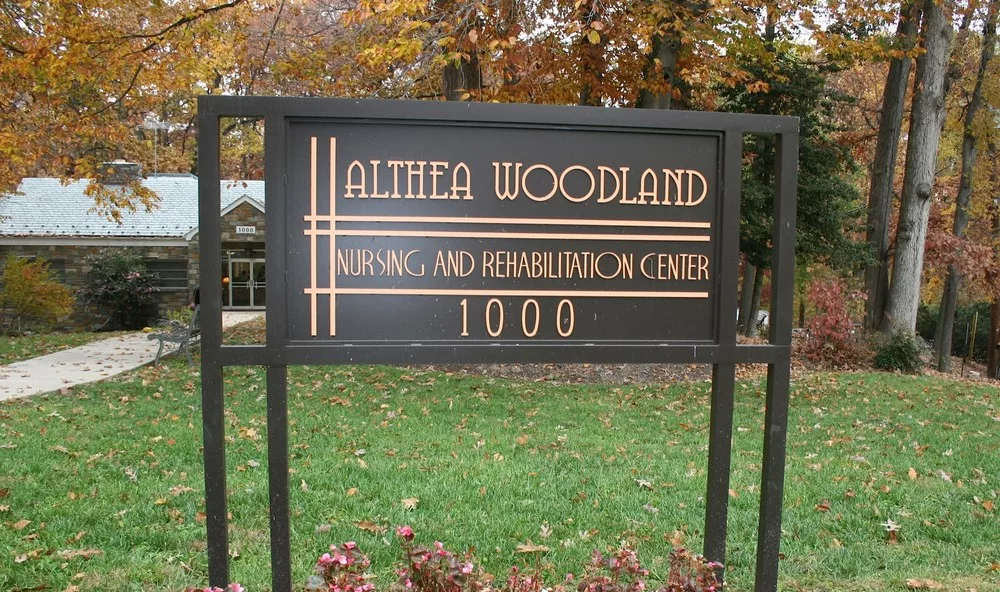
  • Outdoors

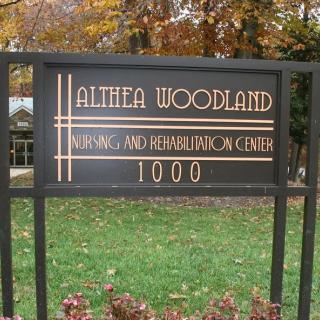
    A sign for the Althea Woodland Nursing and Rehabilitation Center set in a grassy area with fall foliage.
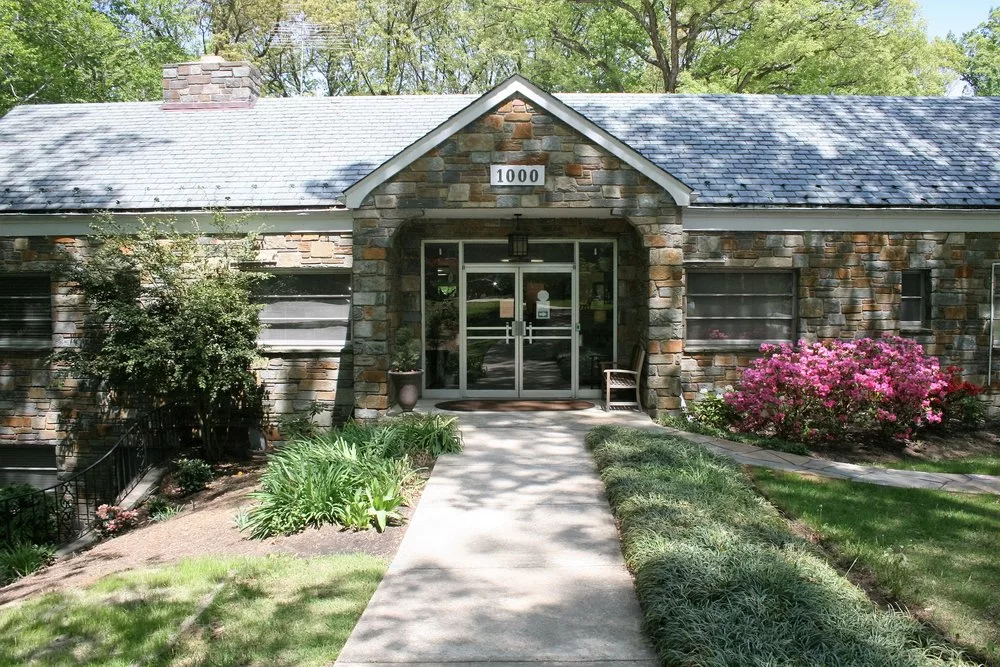
  • Building

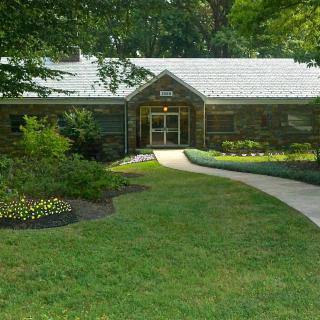
    A small brick house with a well-maintained garden and pathway leading to the entrance.
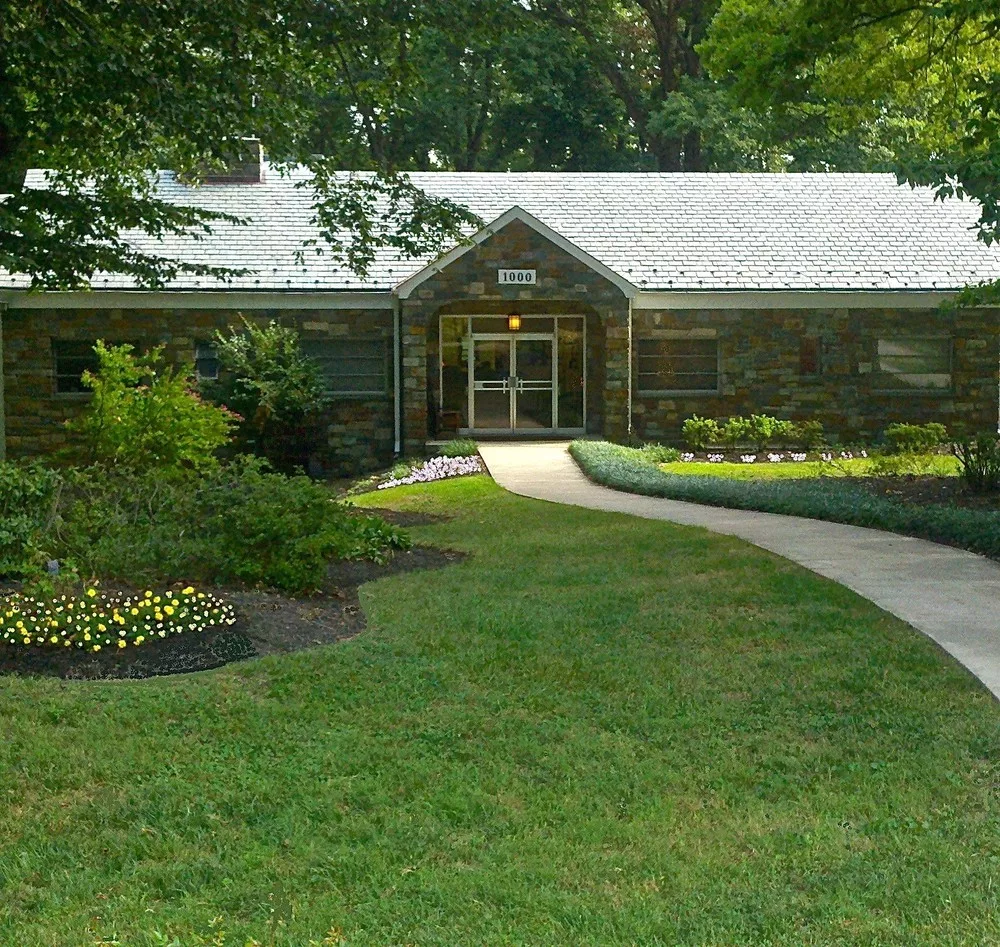
  • Trees

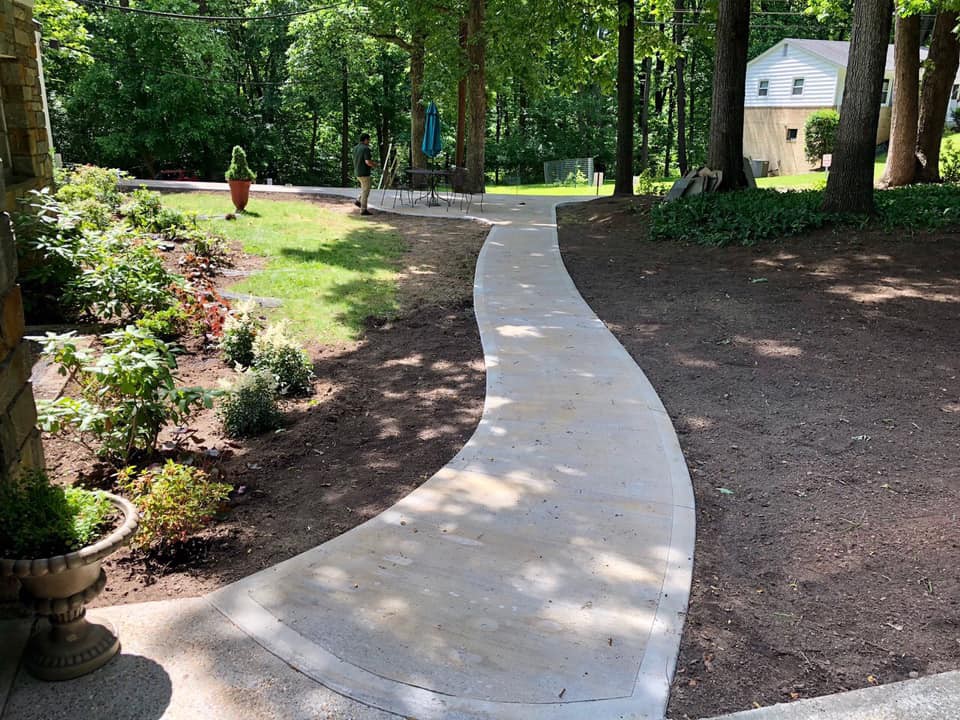
    A curving concrete pathway winds through a landscaped garden area surrounded by lush greenery and trees.
  • Landscaping

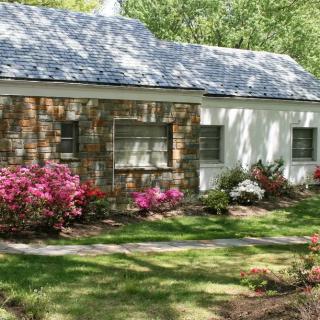
    A small building surrounded by lush greenery and a well-maintained garden with a pathway leading to the entrance.
  • Garden

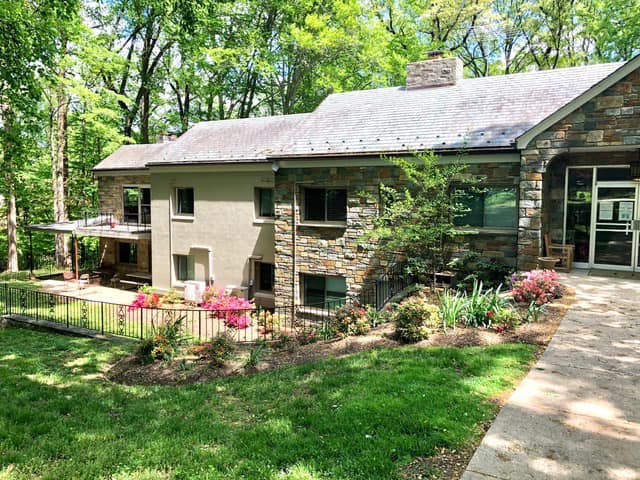
    A charming house with a beautifully landscaped garden and blooming flowers.
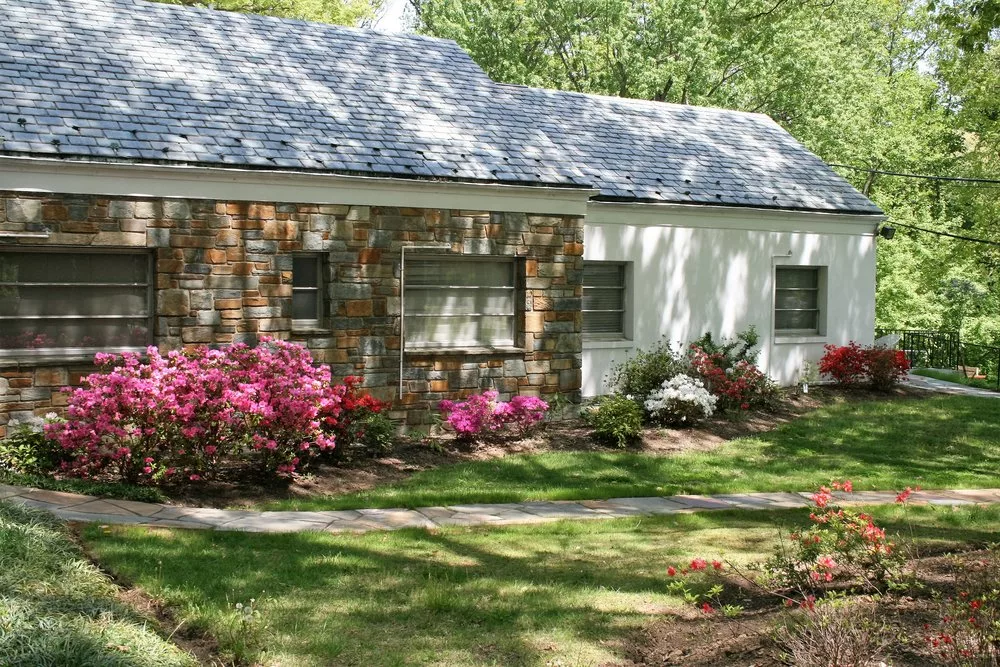
  • Nature

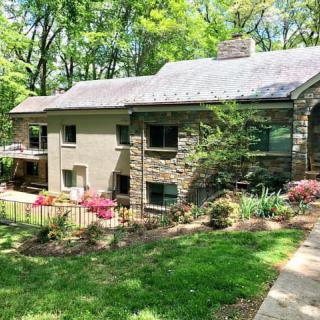
    A stone house surrounded by lush greenery and a well-maintained garden.

Althea Woodland Nursing Home in Silver Spring, MD

1000 Daleview Drive, Silver Spring, MD 20901

For more information about senior living options: (844) 490-3973

3.5 from 22 reviews
5 stars
10
4 stars
4
3 stars
0
2 stars
2
1 stars
6

Overall Review of Althea Woodland Nursing Home

Pros

  • pro The facility is described as the cleanest nursing home the reviewer has visited for their loved ones.
  • pro The staff are praised for their hard work and clear communication with residents.
  • pro The administrator is caring, personable, and easy to approach.
  • pro The facility is small (about 50 beds) and feels personal, like a home away from home.
  • pro Residents enjoy the staff, the food, and the rehabilitation program.
  • pro The food is excellent.
  • pro The activities department is busy and engaging.
  • pro The grounds are neat and beautiful, in a shady, tree-filled setting.
  • pro The interdisciplinary team is involved and hands-on, delivering excellent care.
  • pro The staff are attentive, friendly, and caring, treating residents as if they were family.

Cons

  • pro The facility had a mice infestation, which is unacceptable on all levels.
  • pro They received no response when attempting to call.
  • pro The interior looked boring inside.
  • pro Some items were expired.
  • pro The facility does not respond to inquiries and the fax machine appears not to work.
  • pro The front desk customer service is not good.
  • pro The amenities were inadequate; the rooms were dark and dingy.
  • pro The food was slop and residents were not offered options.
  • pro The staff did not relay messages during lockdown, leaving the family confused and worried.
  • pro There was a fishy smell in the facility.

Review

Althea Woodland Nursing Home in Silver Spring is best suited for families seeking a small, intimate, home-like setting where skilled rehab and personalized attention take precedence over size and polish. The facility’s compact 50-bed footprint, quiet residential ambiance, and park-like surroundings create a sense of calm that many residents and families value. It shows up as a place where staff are frequently described as caring, approachable, and hands-on, and where the administrator is accessible and responsive to families who want to collaborate on care. For residents who prioritize individualized contact with care teams, simple but genuine daily interactions, and a more restrained pace, this community can feel like a favorable fit. The emphasis on a smaller interdisciplinary approach can translate into more visible caregiver involvement in day-to-day activities, therapy sessions, and problem-solving.

Yet this is not a single-solution choice for every senior’s needs. Families should explicitly consider alternatives if the expectation hinges on a polished, showroom-like environment, a robust daily activity calendar, or a strong front-desk experience that consistently answers inquiries promptly. Those needing a large-scale campus with extensive amenities, abundant social programming, or a highly-responsive centralized communication system may find the experience at Althea Woodland uneven. Potential residents with high sensitivity to sound, shared rooms, or perceived gaps in facility modernization may also want to compare other options. The reviews suggest some families encountered mismatches between appearance and operations, which can be a deciding factor for those who require turnkey reliability.

The strongest positives pivot on care quality and the sense of being truly known by the staff. Cleanliness and a quiet setting reinforce a perception of dignity and focus on recovery. The rehab program emerges as a standout when it functions as described: hands-on, coordinated, and integrated with daily routines, with staff actively supporting progress. Dining and daily routines receive mixed signals; for some residents the food and atmosphere are commendable, while others report dissatisfaction with dining options and the overall ambiance. The administrator’s approachability and the facility’s intimate size contribute to a feeling of being part of a small, cohesive team rather than a faceless patient population. In short, the pros center on personalized attention, a calm environment, and the potential for meaningful rehab engagement.

However, several sizable cons temper those advantages. A number of reviewers flag operational gaps that cannot be dismissed: inconsistent front-desk responsiveness, difficulty in obtaining timely replies to inquiries, and a perception that some administrative processes lag behind family needs. Pest concerns and a reported odor add a practical strain to daily life, undermining the sense of safety and hygiene that families expect. Critically, several accounts describe an absence of a dedicated rehabilitation gym, with questions raised about the breadth of therapy infrastructure. Shared rooms, limited dining options, and a remodeling impression that leaves the facility feeling less than fresh can further dilute the otherwise appealing intimate atmosphere. These realities do not fit every family’s tolerance for imperfection, especially for those accustomed to more polished operations.

The key trade-off then becomes clear: Althea Woodland can deliver highly personalized, hands-on care in a serene, small-scale setting, but it does so with operational caveats that can shape a family’s confidence in day-to-day governance. For residents who prize routine, individualized attention, and a rehab-forward approach within a tranquil environment, the cons are offset by meaningful human connection, visible therapy engagement, and a sense of home. For those whose decision hinges on flawless communication, spotless upkeep, or abundant on-site amenities, the downsides often weigh heavier than the benefits. The mismatch between appearance and process in some reviews matters because it touches trust, an essential ingredient in any placement where daily life is governed by care decisions.

Practical next steps sharpen the decision. Prospective families should request a candid meeting with the administrator and the head of rehabilitation to map out a concrete care plan, therapy schedule, and escalation process for concerns. Insist on a transparent tour that includes the rehab spaces (or a clear explanation if a gym is not present), the dining area during peak hours, and a couple of resident rooms to assess size, lighting, and noise. Confirm infection control and pest management protocols, and ask for recent housekeeping and maintenance logs to gauge consistency. Ask about communication routines: how families receive updates, preferred contact channels, and expected response times. Lastly, verify room configurations, pricing, and what is included in care tiers so the family understands value beyond the initial impression.

In the end, Althea Woodland stands as a principled choice for families prioritizing individualized attention, a calm, home-like setting, and a rehab-oriented approach within a small community. It excels where staffing intimacy and a focused care plan produce tangible daily progress. It falters where families require high-level responsiveness, a bustling activity calendar, and modern, turnkey amenities. Those with moderate tolerance for potential operational glitches and a strong value placed on a truly intimate rehab environment will find this community compelling. Others, especially those seeking a turnkey, site-wide polish with omnipresent, proactive communications, should weigh comparable alternatives with larger teams, more formal amenities, and a broader array of patient services.

Features

Housing

  • 50 resident community capacity 50 resident community capacity

Types of Care

  • Skilled Nursing Facility Skilled Nursing FacilitySkilled Nursing Facilities are crucial for seniors as they provide round-the-clock medical care, rehabilitation services, and assistance with daily activities. These facilities ensure that seniors receive the specialized care they need to maintain their health and well-being as they age.

Amenities

  • Beauty salon Beauty salonBeauty salons are important for seniors because they provide a space for them to feel pampered, socialize, and maintain their personal grooming and hygiene. Regular visits to a beauty salon can help boost seniors' self-esteem and overall well-being.
  • Cable or satellite TV Cable or satellite TVCable or satellite TV is important for seniors because it provides entertainment, news, and companionship, helping to combat loneliness and boredom. It also offers a wide range of programming options tailored to different interests and preferences.
  • Dining room Dining roomDining rooms are important for seniors as they provide a space for socialization, connection, and nutritious meals. They offer opportunities for residents to bond over shared meals, foster a sense of community, and promote healthy eating habits. Dining rooms also ensure that seniors have access to well-balanced meals tailored to their dietary needs and preferences.
  • Fully furnished Fully furnishedFully furnished senior living communities are important for seniors because they provide convenience, comfort, and a hassle-free moving experience. Seniors can easily settle into their new living space without the stress of having to buy and move furniture. This allows them to focus on enjoying their new home and community.
  • Garden GardenGardens are important for seniors as they provide a peaceful and therapeutic environment for relaxation, physical activity, and socialization. Being in nature has been shown to reduce stress, improve mood, and promote overall well-being. Gardens also offer opportunities for seniors to engage in gardening activities, which can improve mobility, flexibility, and cognitive function. Additionally, gardens create a sense of community and connection with others who share a passion for plants and outdoor spaces.
  • Housekeeping services Housekeeping servicesHousekeeping services are important for seniors because they help maintain a clean and safe living environment, promote independence, and reduce the risk of accidents or illnesses. Additionally, having assistance with household chores can alleviate physical strain and allow seniors to focus on other aspects of their well-being.
  • Kitchenette KitchenetteKitchenettes are important for seniors living in senior living communities because they provide the convenience and independence of being able to prepare simple meals and snacks in the comfort of their own living space. This can help promote a sense of autonomy and well-being for seniors, allowing them to maintain some level of control over their dietary choices and daily routines.
  • Move-in coordination Move-in coordinationMove-in coordination is important for seniors because it helps ease the transition into their new living environment. It ensures that all logistics, such as packing, organizing movers, and setting up utilities are taken care of, allowing seniors to focus on settling in and adjusting to their new home. Having a smooth move-in process can alleviate stress and anxiety, making the transition smoother and more enjoyable for seniors.
  • Outdoor space Outdoor spaceOutdoor spaces are important for seniors as they provide opportunities for physical activity, social interaction, exposure to natural light and fresh air, and a sense of connection to nature. Having access to outdoor spaces can improve overall well-being and quality of life for older adults living in senior communities.
  • Restaurant-style dining Restaurant-style diningRestaurant-style dining is important for seniors because it allows them to enjoy delicious, nutritious meals in a social and upscale setting. This enhances their dining experience, promotes healthy eating habits, and fosters socialization with fellow residents, ultimately contributing to their overall well-being and quality of life.
  • Small library Small librarySmall libraries are important for seniors as they provide access to a variety of reading materials, including books, newspapers, and magazines. This can help stimulate their minds, keep them engaged, and provide a sense of community through book clubs and other social activities. Additionally, reading has been shown to improve cognitive function and overall mental well-being in older adults.
  • Telephone TelephoneTelephones are important for seniors as they provide a lifeline for communication with loved ones, emergency services, and healthcare providers. They offer a sense of security and independence, enabling seniors to stay connected and access assistance when needed.
  • Wi-Fi/high-speed internet available Wi-Fi/high-speed internet availableWi-Fi/high-speed internet is important for seniors to stay connected with loved ones, access online resources, and participate in virtual activities to combat feelings of loneliness and isolation. It also allows them to easily manage healthcare needs, access entertainment, and engage in lifelong learning opportunities.

Transportation

  • Ronald Reagan Washington National (11 miles away) Ronald Reagan Washington National (11 miles away)
  • Baltimore-Washington International (21 miles away) Baltimore-Washington International (21 miles away)

Care Services

  • 24-hour call system 24-hour call system24-hour call systems are important for seniors because they provide peace of mind and immediate assistance in case of emergencies. This technology ensures that help is always available, promoting safety and security for elderly individuals living alone or in assisted living facilities.
  • 24-hour supervision 24-hour supervision24-hour supervision is important for seniors to ensure their safety, well-being, and access to immediate assistance in case of emergencies or health issues. This constant support provides peace of mind for both seniors and their loved ones, allowing them to age in place with dignity and security.
  • Activities of daily living assistance Activities of daily living assistanceActivities of daily living assistance are important for seniors because they provide essential support with tasks such as eating, bathing, dressing, and mobility. This assistance helps seniors maintain their independence, dignity, and overall quality of life as they age.
  • Assistance with bathing Assistance with bathingAssistance with bathing is crucial for seniors as it helps maintain personal hygiene, prevents infections, and ensures their overall well-being and comfort. It also provides a sense of dignity and independence for seniors who may struggle with this task on their own.
  • Assistance with dressing Assistance with dressingAssistance with dressing is important for seniors because it helps maintain their independence, promotes personal hygiene, prevents accidents and injuries, and improves overall quality of life. This service ensures that seniors can continue to dress comfortably and confidently, despite any physical limitations they may have.
  • Assistance with transfers Assistance with transfersAssistance with transfers is crucial for seniors as it helps prevent falls and injuries, maintains their independence, and ensures they can safely navigate their living environment. It also provides peace of mind for both seniors and their loved ones.
  • Diabetes diet Diabetes dietA diabetes diet is crucial for seniors as it helps manage blood sugar levels, reduce risks of complications, and improve overall health and well-being. By following a balanced and nutritious diet tailored to their specific needs, seniors can better control their diabetes and enhance their quality of life.
  • Meal preparation and service Meal preparation and serviceMeal preparation and service are crucial for seniors as they may have limited mobility or energy to cook nutritious meals. Having access to healthy and convenient food options can ensure they are getting the proper nutrition needed to maintain their overall health and well-being.
  • Medication management Medication managementMedication management is crucial for seniors to ensure they are taking the right medications at the correct dosages and times. This helps prevent adverse drug interactions, reduces the risk of medication errors, and promotes overall health and well-being. Proactive management also allows for adjustments as needed based on changing health conditions or new prescriptions.
  • Mental wellness program Mental wellness programMental wellness programs are essential for seniors as they promote cognitive stimulation, emotional support, and social engagement. These programs help prevent isolation, depression, and cognitive decline, ultimately enhancing the overall quality of life for older adults.
  • Special dietary restrictions Special dietary restrictionsSpecial dietary restrictions are important for seniors because age-related changes in metabolism and health conditions can make it difficult for their bodies to process certain foods. By following a diet tailored to their specific needs, seniors can maintain their overall health and well-being, manage chronic conditions, and reduce the risk of complications such as malnutrition or food interactions with medications.

Dining

  • Diabetes diet Diabetes dietA diabetes diet is crucial for seniors as it helps manage blood sugar levels, reduce risks of complications, and improve overall health and well-being. By following a balanced and nutritious diet tailored to their specific needs, seniors can better control their diabetes and enhance their quality of life.
  • Special dietary restrictions Special dietary restrictionsSpecial dietary restrictions are important for seniors because age-related changes in metabolism and health conditions can make it difficult for their bodies to process certain foods. By following a diet tailored to their specific needs, seniors can maintain their overall health and well-being, manage chronic conditions, and reduce the risk of complications such as malnutrition or food interactions with medications.

Activities

  • Community-sponsored activities Community-sponsored activitiesCommunity-sponsored activities are important for seniors as they provide opportunities for social interaction, mental stimulation, and physical activity. These activities can help improve overall well-being, combat loneliness and isolation, and promote a sense of belonging and purpose among older adults.
  • Resident-run activities Resident-run activitiesResident-run activities are important for seniors as they encourage social interaction, creativity, and a sense of autonomy. These activities empower seniors to stay engaged and active in their community while fostering meaningful connections with their peers.
  • Scheduled daily activities Scheduled daily activitiesScheduled daily activities are important for seniors because they provide structure, socialization, mental stimulation, and physical activity. Engaging in regular activities can improve overall well-being and quality of life for seniors living in a community setting.

Description

Althea Woodland Nursing Home in Silver Spring, MD offers a range of amenities and care services to ensure the comfort and well-being of its residents. The community features fully furnished rooms with cable or satellite TV, Wi-Fi, and telephone access. Residents can enjoy delicious meals in the dining room or opt for restaurant-style dining. Housekeeping services are provided to maintain cleanliness.

For relaxation and outdoor activities, Althea Woodland has a garden and outdoor space where residents can take a stroll or simply enjoy nature. There is also a small library available for book lovers to indulge in their favorite reads. Move-in coordination is offered to assist new residents during the transition.

The nursing home provides 24-hour supervision and assistance with activities of daily living, including bathing, dressing, and transfers. Medication management ensures that residents receive their medications on time. A mental wellness program aims to promote emotional well-being among the residents.

Dietary needs are taken into account at Althea Woodland, with special dietary restrictions being accommodated. The kitchenette allows residents to prepare snacks or light meals as desired. Meal preparation and service are also provided for those who prefer not to cook.

Residents can engage in resident-run activities and enjoy scheduled daily activities organized by the staff. This fosters social interaction and promotes a sense of community within the nursing home.

Althea Woodland Nursing Home is conveniently located near various amenities in the Silver Spring area. There are two cafes, four parks, 16 pharmacies, two physicians' offices, six restaurants, seven transportation options, two places of worship nearby for easy access to essentials and recreational options.

Overall, Althea Woodland Nursing Home provides a comfortable and supportive environment for seniors seeking assisted living services in Silver Spring, MD.

Nearby Places of Interest

This part of Silver Spring, Maryland offers a convenient and diverse range of amenities for seniors looking to settle in the area. With multiple pharmacies such as Walgreens and CVS within close proximity, access to healthcare and medication is easily available. Nearby places of worship like Christ Congregational Church and College Park United Methodist Church provide spiritual support and community connection. Various dining options including popular chains like McDonald's and Chick-Fil-A cater to different tastes, while cafes like Lost Sock Roasters offer a cozy spot for socializing. The presence of hospitals such as Holy Cross Hospital and Medstar Washington Hospital Center ensures quality medical care nearby. Public transportation is easily accessible with several Metro stations nearby, making it convenient to explore the city. Additionally, parks like Fort Slocum Park offer green spaces for outdoor activities. Overall, this area provides a blend of convenience, healthcare options, dining choices, and recreational opportunities suitable for seniors looking for a vibrant community to call home.

Pharmacies

  • Walgreens (1.2 miles)
  • CVS Pharmacy (1.4 miles)
  • Walgreens (1.5 miles)
  • CVS Pharmacy (2.5 miles)
  • CVS Pharmacy (2.7 miles)
  • CVS Pharmacy (2.7 miles)
  • CVS Pharmacy (3.4 miles)

Places of Worship

  • Christ Congregational Church (1.4 miles)
  • College Park United Methodist Church (3.8 miles)
  • Basilica of the National Shrine of the Immaculate Conception (5.3 miles)

Restaurants

  • McDonald's (2.3 miles)
  • Denizens Brewing Co. (2.4 miles)
  • Chick-Fil-A (3.7 miles)
  • McDonald's (3.7 miles)
  • McDonald's (4 miles)
  • Jollibee (4.1 miles)
  • McDonald's (5.6 miles)

Hospitals

  • Holy Cross Hospital (2.4 miles)
  • Medstar Washington Hospital Center (5.7 miles)
  • Children's National Medical Center (5.8 miles)
  • Howard University Hospital (6.5 miles)

Transportation

  • Forest Glen Metro Station (2.8 miles)
  • Prince George's Plaza Metro Station (3.6 miles)
  • West Hyattsville Metro Station (3.9 miles)
  • College Park - University of Maryland Metro Station (4 miles)
  • Greenbelt Metro Station (4.3 miles)
  • Greenbelt Station (4.3 miles)
  • Glenmont Metro Station (4.9 miles)

Cafes

  • Lost Sock Roasters (2.8 miles)
  • Vigilante Coffee (4.8 miles)
  • Tatte Bakery & Cafe (5.8 miles)
  • Starbucks (6.6 miles)
  • The Coffee Bar (6.8 miles)
  • Starbucks (6.9 miles)
  • Unconventional Diner (7.3 miles)

Parks

  • Fort Slocum Park (3.6 miles)
  • Duvall Playground (3.7 miles)
  • Rock Creek Park (4.3 miles)
  • Chevy Chase Park (4.5 miles)
  • Georgian Forest Park & Tennis Courts (5.8 miles)
  • Winding Creek Local Park (6.2 miles)
  • Meridian Hill Park (6.4 miles)

Physicians

  • Mary's Center (4 miles)
  • Capitol Medical Group (4.7 miles)
  • Children's National - Main Hospital (5.8 miles)
  • Foxhall Pediatrics (7.2 miles)

Theaters

  • Alamo Drafthouse Cinema DC Bryant Street (6 miles)

Frequently Asked Questions

Where is Althea Woodland Nursing Home?
What photos are available for Althea Woodland Nursing Home in Silver Spring, Maryland?

Nearby Communities

  • J'Rose Assisted Living

    J'Rose Assisted Living

    Silver Spring, MD

    3.3 from 7 reviews
     

    pro Small, intimate setting with comprehensive ADL support and diabetes-friendly dining.
  • J'Rose Assisted Living Facility I

    J'Rose Assisted Living Facility I

    Silver Spring, MD

    5 from 2 reviews
     

    pro Caring staff and home-like ambience.

  • Ednor's Elderly Home Care

    Ednor's Elderly Home Care

    Silver Spring, MD

    4 from 4 reviews
     

    pro Intimate, personalized care with comprehensive services (ADL support, medication management, diabetes diet, transportation).

  • Heritage Care,  Inc.

    Heritage Care, Inc.

    Silver Spring, MD


    pro Personalized care with high-acuity support and private bathrooms in a convenient, hospital-accessible location.

  • Jeya's Assisted Living Facility

    Jeya's Assisted Living Facility

    Silver Spring, MD

    4.6 from 10 reviews
    $3,000 to $4,000 / month

    pro Caring, responsive staff and owner; small, home-like community; affordable pricing.

  • Elder Companion Home Of Md I

    Elder Companion Home Of Md I

    Silver Spring, MD

    5 from 1 review
     

    pro Small, intimate 8-resident setting with personalized care and comprehensive services.

  • Sligo Creek Center

    Sligo Creek Center

    Takoma Park, MD

    3.3 from 94 reviews
     

    pro Small, personalized SNF with 24-hour supervision, comprehensive daily living support, and on-site amenities.

  • Charter House

    Charter House

    Silver Spring, MD

    3.9 from 50 reviews
    $1,026 to $1,800 / month

    pro Affordable pricing, walkable location, and active resident programs

  • Elizabeth House

    Elizabeth House

    Silver Spring, MD

    2.3 from 3 reviews
     

    pro Excellent access to healthcare and nearby amenities.

Related Resources

  • palliative care vs hospiceUnderstanding the Nuances of Palliative Care and Hospice: A Comprehensive Exploration

    Palliative care focuses on alleviating distress at any stage of a serious illness and can accompany curative treatments, while hospice care is for those nearing the end of life with a prognosis of six months or less, emphasizing comfort over curative measures. Both prioritize holistic care for patients and families but differ in timing, goals, and scope.

  • is home health care tax deductibleIs In-Home Healthcare Tax Deductible? Your Comprehensive Guide
    The guide details the tax deductibility of in-home healthcare expenses according to IRS guidelines, differentiating between medically necessary services and non-medical assistance, while emphasizing the need for proper documentation and itemization requirements. It also highlights state-level variations, the importance of record-keeping, and encourages seeking professional tax help to understand evolving regulations.

  • gardening for seniorsNurturing Well-Being Through Gardening: A Detailed Guide for Senior Enthusiasts
    Gardening provides seniors with physical exercise, mental and emotional support, and social interaction opportunities, while accommodating their needs through raised beds and ergonomic tools. It promotes health benefits like improved dexterity and cardiovascular health, encourages sustainable practices, and allows for manageable upkeep with low-maintenance plants.