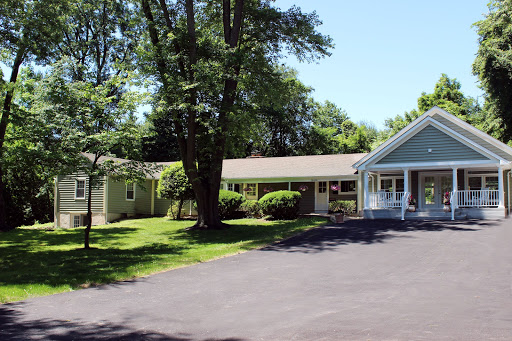

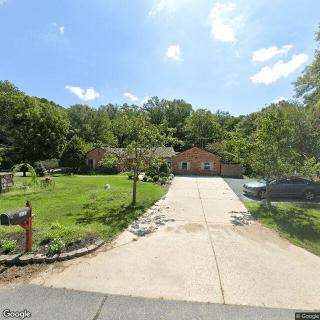
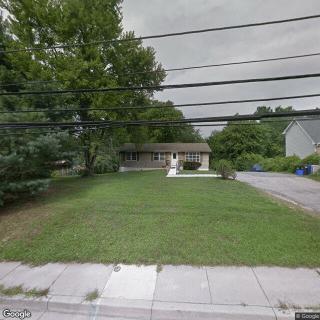
13408 Clifton Road, Silver Spring, MD 20904
For more information about senior living options: (866) 208-4318
Clifton Woods Group Home Costs & Pricing
Clifton Woods Group Home offers accommodations at a monthly rate of $7,050 for both private rooms and studios. When we compare these costs to those in Prince George's County, it's evident that Clifton Woods is significantly higher than the county's average rates of $3,792 for private rooms and $4,428 for studios. Furthermore, even within the broader context of Maryland's state averages - $4,112 for private rooms and $4,656 for studios - the costs at Clifton Woods stand out as considerably elevated. This pricing reflects the unique services and environment provided by the home, catering to specific needs that may justify the premium.
| Floor plans | Clifton Woods Group Home | Prince George's County | Maryland |
|---|---|---|---|
| Private | $7,050 | $3,792 | $4,112 |
| Studio | $7,050 | $4,428 | $4,656 |
Memory care communities with a similar price nearby
-
from -$435 / mo
The Residence at Colvin Run
$6,615 to $10,225 / month17.4 miles away -
About the same
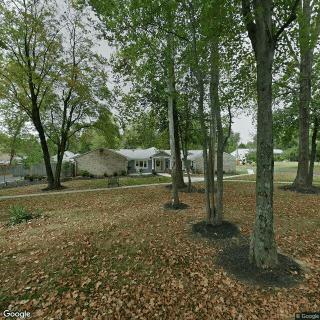
Maple Ridge Group Home
$7,050 / month5.9 miles away -
from +$600 / mo
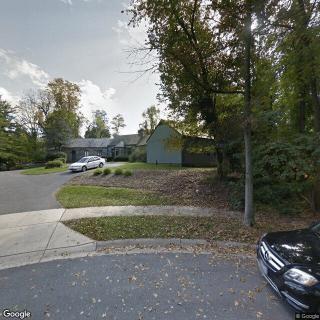
Cedar Glen
$7,650 / month9.6 miles away -
from +$450 / mo
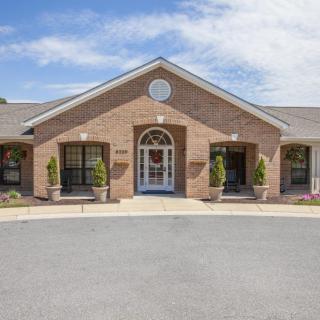
Charter Senior Living of Columbia
$7,500 to $8,295 / month14.1 miles away -
from +$550 / mo
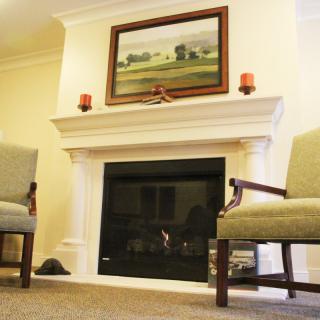
Great Falls Assisted Living
$7,600 / month19.2 miles away
Overall Review of Clifton Woods Group Home
Pros
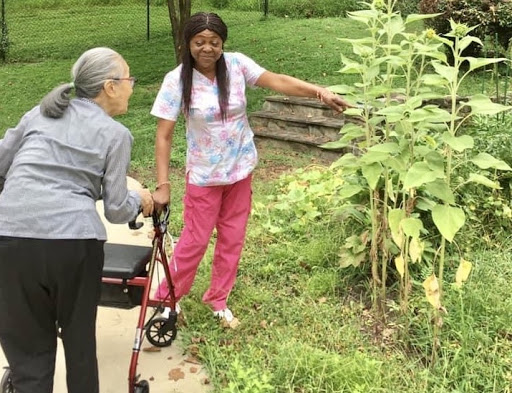
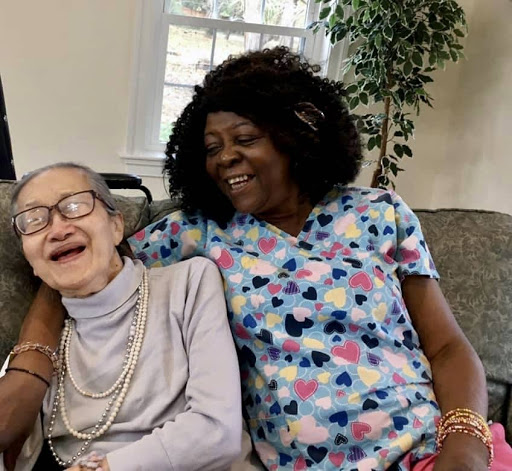
 Clifton Woods' staff are true angels who care exceptionally well for residents.
- Families are kept informed, residents are content, and their preferences are honored at Clifton Woods.
- Clifton Woods is a model for elder and dementia care, with high staff retention and dedication.
- Cedar Creek Homes offer exceptional management and a loving environment with creative activities.
- The Cedar Creek staff are well-trained with minimal turnover, and the directors address issues promptly.
- Cedar Creek Associates provide personalized, private-home care with a small number of residents, where staff treat residents like family.
- Residents enjoy home-cooked meals and dementia-specific care, with seamless moves and stable costs.
Review
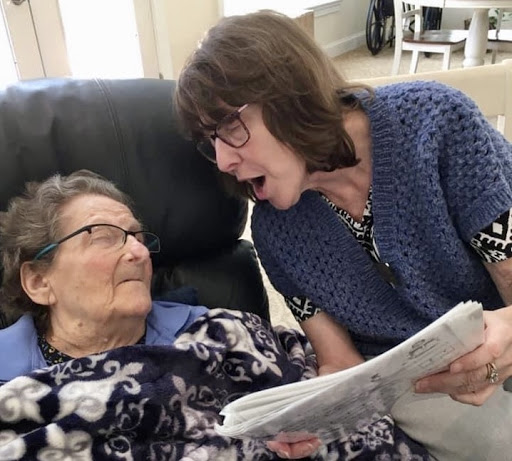
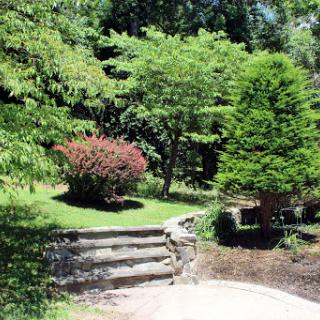
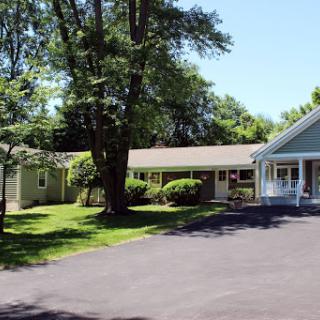
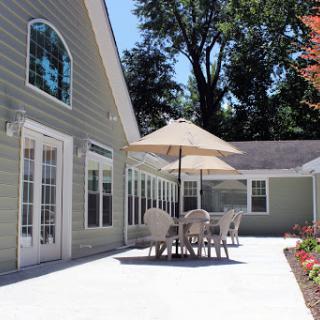
Clifton Woods Group Home in Silver Spring is best suited for families seeking a warm, private-home style dementia- and elder-care environment where residents are known individually and staff deliver consistent, heartfelt care. This community shines in a small-setting model, with residents often numbering in the single digits, allowing caregivers to form deep, day-to-day relationships. Families that prize attentiveness, steady routines, and soulful interactions over a large campus atmosphere will find Clifton Woods particularly compelling. The atmosphere is clearly designed for ongoing companionship, not for impersonal transitions or impersonal care plans.
That said, Clifton Woods may not be the right match for every situation. Families confronting hospital-level medical needs, acute rehabilitation, or the desire for a broad array of on-site clinical services may want alternatives. Larger assisted-living communities or skilled-nursing environments can offer more comprehensive medical resources and a wider menu of amenities. Those seeking highly independent living with fewer daily care requirements, or clinicians who crave an expansive campus with extensive therapy programs, should consider other options. Location practicality and long-term care trajectory matter, and Clifton Woods is most compelling when its intimate scale aligns with the resident’s needs.
The positive dynamics here are powerful enough to offset most potential drawbacks. Staff are described as true angels with a high work ethic who genuinely care for residents, and families consistently report excellent communication and timely updates. The high staff retention rate is not incidental; it translates into familiar faces who understand individual histories, preferences, and routines. Management is hands-on, problems are tracked, and changes in health or behavior are promptly relayed to families. Residents’ preferences are honored, and the living environment emphasizes love, dignity, and personalized activity planning, elements that many larger facilities struggle to maintain.
Another substantial advantage is the way care is delivered in a small, home-like setting. A private home environment with a limited number of residents facilitates personalized attention, home-cooked meals, and activities tailored to dementia needs. The staff’s ability to group residents by level of functioning ensures activities are meaningful and non-frustrating, a detail that translates into higher engagement and fewer challenges during the day. Moves within Cedar Creek Homes are handled seamlessly, minimizing disruption for a resident during transitions. This level of continuity is a meaningful safeguard for families worried about the emotional strain of changing caregivers.
From a financial-planning perspective, Clifton Woods offers notable predictability, a factor families often cite as critical in dementia care. The reviews indicate that costs tend to be stable as care needs intensify, with only modest annual inflation and small supply-related increases. While no price is listed here, that stability can be a meaningful contrast to the chronic “upcharges” seen in some larger settings. The favorable blend of stable cost, intimate staffing, and high-quality dementia-specific care positions Clifton Woods as a strong value proposition for long-term planning, provided the resident’s needs align with the home-style model.
In sum, Clifton Woods Group Home stands out as a highly effective choice for families prioritizing intimate, personalized dementia care in a home-like setting, delivered by devoted professionals who communicate clearly and act with consistency. It is a decisive option for those who value staff continuity, attentive daily rhythms, and a nurturing, low-stress environment where caregivers know the resident’s history and preferences. For families whose loved one requires higher-acuity medical services, larger-scale amenities, or a broader range of therapy options, alternatives should be explored. Prospective guests should schedule a visit, confirm staff-to-resident ratios, discuss individualized care plans, and inquire about transitions within the Cedar Creek network to ensure the best fit.
 8 resident community capacity
 Assisted Living
 Board and Care Home
 Memory Care
 Activities on-site
 Air-conditioning
 Bath tubs
 Beautician on-site
 Cable or satellite TV
 Dining room
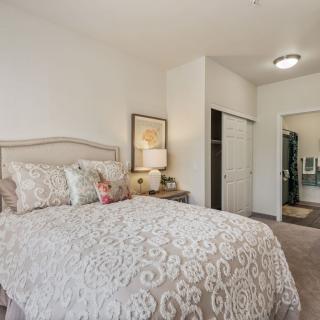
 Fully furnished
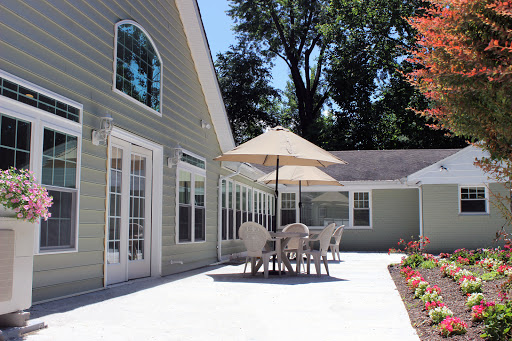
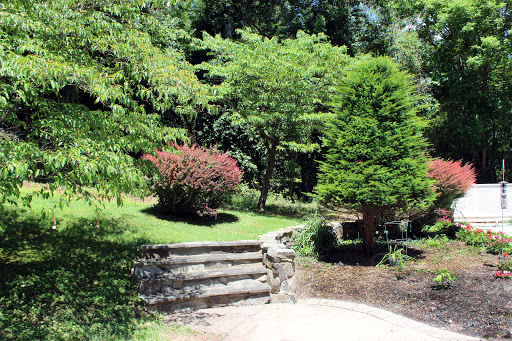
 Garden
 Housekeeping services
 Indoor common areas
 Move-in coordination
 Outdoor common areas
 Private
 Private bathrooms
 Telephone
 Wi-Fi/high-speed internet available
 Ronald Reagan Washington National (16 miles away)
 24-hour supervision
 Assistance with bathing
 Assistance with dressing
 Assistance with transfers
 Diabetes diet
 Diabetic care
 High acuity care
 Incontinence care
 Meal preparation and service
 Medication management
 Special dietary restrictions
 Transportation arrangement (medical)
 Transportation to doctors appointments
 Art classes
 BBQs or picnics
 Birthday parties
 Forever fit
 Live dance or theater performances
 Live musical performances
 Pet-focused programs
 Trivia games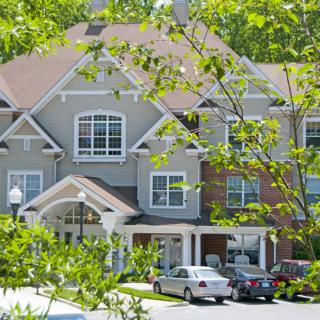

 Delving into the Inner World of Dementia: Insights into Thoughts and Awareness
 Five Subtle Dementia Indicators to Observe: An In-Depth Guide to Understanding “Does My Mom Have Dementia?”
 Dementia, Paranoia, and Caregiver Guidance: Understanding the Connection