
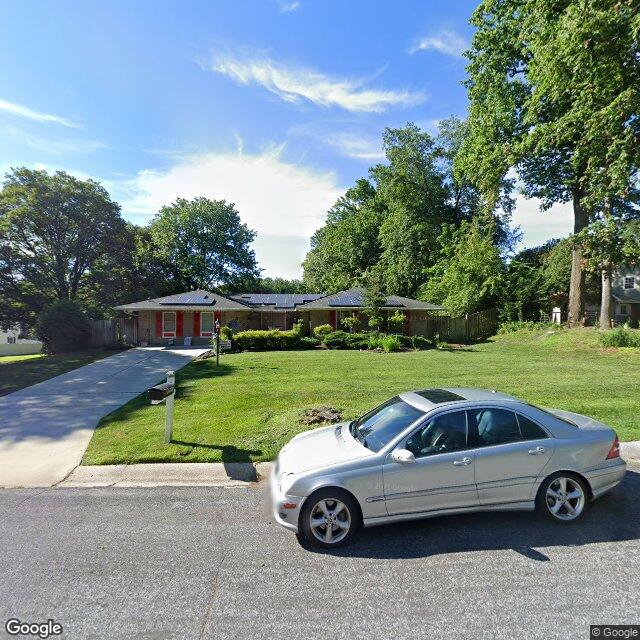
3200 Bustleton Lane, Silver Spring, MD 20906
For more information about senior living options: (866) 208-4318
Angels Garden III Costs & Pricing
Angels Garden III offers private room accommodations at a monthly cost of $5,000, positioning it competitively within Montgomery County and the broader Maryland market. When compared to the average cost in Montgomery County, which stands at $5,009, Angels Garden III provides a slightly more economical option. Furthermore, this pricing is notably higher than the state-wide average of $4,112 for similar private room settings. This suggests that while Angels Garden III maintains a competitive edge locally, it may reflect a premium that aligns with its unique offerings or amenities. Overall, prospective residents can expect quality care and services that justify the investment in their well-being.
| Floor plans | Angels Garden III | Montgomery County | Maryland |
|---|---|---|---|
| Private | $5,000 | $5,009 | $4,112 |
Memory care communities with a similar price nearby
-
About the same
Avalon House on Laburnum Street
$4,950 / month11.2 miles away -
from -$500 / mo
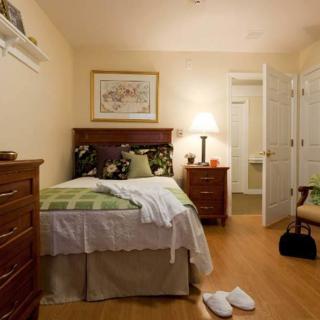
Olney Memory Care
$4,500 / month3.6 miles away -
from +$200 / mo
Avalon House On Laburnum Street
$5,200 / month11.2 miles away -
from +$500 / mo
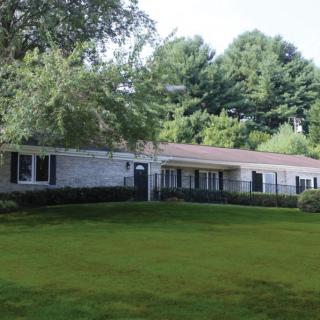
Glen Hill
$5,500 / month10.4 miles away -
About the same
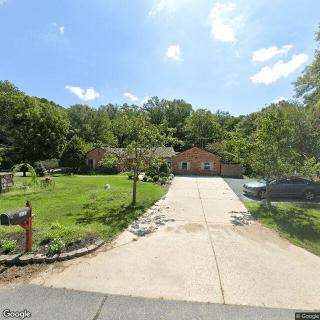
Necitas
$5,000 to $5,500 / month2.9 miles away
Overall Review of Angels Garden III
Pros
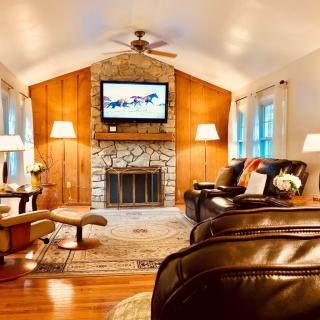
 The Angels Garden offers a home-like setting that the reviewer appreciated.
- The staff is consistently high-quality, with the same team always working together.
- The facility is described as top-notch.
- The reviewer would recommend The Angels Garden to other families.
Review
Angels Garden III in Silver Spring is best suited for families seeking a genuinely home-like, intimate senior living experience where residents arenā€™t shuffled into a hospital corridor. This community excels when comfort, continuity, and a residential atmosphere trump large-scale programming. The standout attribute is a home-style setting paired with a caregiving team that stays with the same residents, which translates into predictable routines, stronger relationships, and less stress for both residents and families. For seniors who prize quiet dignity, familiar faces, and a welcoming, family-like environment over glossy amenities, this is a strong fit.
Alternatives to consider for: those needing highly specialized medical support, intensive memory care, or a breadth of on-site activities and services may find the generic home-like model limiting. If caregivers rotate frequently or if the resident requires more clinical oversight, or if there is a need for a broader menu of therapeutic programs, prospective residents should compare options. If a resident requires more staff rotation or a more institutional feel, or if there is a need for a broader menu of therapeutic programs, prospective residents should compare options to ensure all care dimensions are covered.
From the available information, the key strengths are a true home-like setting and consistently quality staff. The consistency of caregivers reduces the learning curve for residents, lowers agitation, and fosters trust, factors that often offset the potential annoyance of smaller-scale operations. A top-notch overall quality claim reinforces that the environment is well-maintained, supervised, and respectful. However, the lack of explicit downsides in the single review means risk sits in limited breadth: the arrangement may deliver reliability and warmth but might offer a narrower range of activities, amenities, or medical support when needs intensify. The balance tips in favor of families who value predictability and comfort, but less so for those chasing robust clinical resources in a single, tightly-knit home.
Practically, this means a decision hinges on resident priorities. If the priority is a steady, low-stress daily life with familiar faces and a home ambience, Angels Garden III delivers. If a resident requires frequent specialist visits, dynamic programming, or more robust social programming that scales with evolving interests, it may be prudent to review nearby options with larger campuses or those known for diversified activities. The review point about consistency should prompt families to verify caregiver-staff ratios, how assignments are managed, and whether the same caregivers can be expected over weeks or months. It also pays to confirm dining and common-area layouts that reinforce the home vibe.
To evaluate effectively, visit during normal daytime activity and observe how staff interact with residents, how much time is spent one-on-one, and whether residents seem comfortable with the care team. Ask about caregiver scheduling, turnover rates, and whether the same caregivers can be expected over weeks or months. Inquire about meal quality, housekeeping, personal care assistance, and emergency response times. Seek out current resident or family references who can speak to the reliability of the staff and the consistency of routines over time. Clarify the extent of on-site medical services and how quickly specialized care can be arranged if needs shift.
Overall, Angels Garden III stands out for families prioritizing a warm, residential atmosphere and a stable caregiving team. It represents a strong choice for those who value continuity, dignity, and a less clinical setting. Those with heavier needs for medical oversight, robust activity programming, or a larger, more resource-rich campus should explicitly compare alternatives that align with those priorities. Given the single-review basis, a careful in-person assessment is essential before committing, but for the right resident, this community can feel like a genuine home away from home.
 8 resident community capacity
 Assisted Living
 Board and Care Home
 Memory Care
 Activities on-site
 Cable or satellite TV
 Devotional services off-site
 Dining room
 Fully furnished
 Garden
 Housekeeping services
 Indoor common areas
 Move-in coordination
 Outdoor space
 Private
 Telephone
 Wi-Fi/high-speed internet available
 Ronald Reagan Washington National (16 miles away)
 24-hour supervision
 Ambulatory care
 Assistance with bathing
 Assistance with dressing
 Assistance with transfers
 Diabetes diet
 Diabetic care
 Hospice waiver
 Meal preparation and service
 Medication management
 Mental wellness program
 Special dietary restrictions
 Transportation arrangement (medical)
 Transportation to doctors appointments



 Understanding Dementia Through Its Seven Stages: A Comprehensive Look at Progression and Expectations
 A Holistic Dementia Care Guide: Effective Strategies for Memory Support
 Comprehensive Insights into Activities of Daily Living (ADLs) and Their Assessment