

2845 Blue Spruce Lane, Silver Spring, MD 20906
For more information about senior living options: (866) 208-4318
Layhill Manor Costs & Pricing
Layhill Manor offers competitive pricing for its residential options, with both private and semi-private rooms available at $3,800 per month. This rate is notably lower than the average cost for similar accommodations in Montgomery County, which stands at $5,009 for a private room and $4,337 for a semi-private setup. In comparison to the broader state average in Maryland, Layhill Manor continues to provide substantial savings, as Maryland's costs are $4,112 for private rooms and $3,545 for semi-private. These figures reflect Layhill Manor's commitment to delivering affordable care without compromising on quality, making it an appealing choice for residents seeking value in their housing options.
| Floor plans | Layhill Manor | Montgomery County | Maryland |
|---|---|---|---|
| Private | $3,800 | $5,009 | $4,112 |
| Semi-Private | $3,800 | $4,337 | $3,545 |
Assisted Living communities with a similar price nearby
-
from +$200 / mo

Catherine's House
$4,000 / month15.5 miles away -
from -$300 / mo
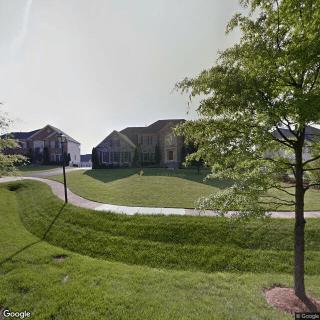
Best Home for Mom and Dad
$3,500 to $4,500 / month3.3 miles away -
from +$200 / mo
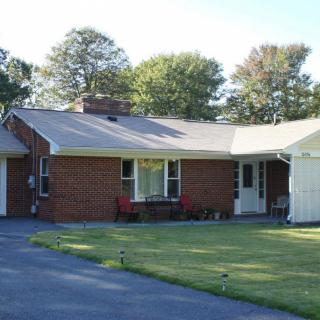
Montgomery Eldercare I
$4,000 to $5,900 / month3.6 miles away -
About the same

Montgomery Eldercare II
$3,800 to $5,000 / month3.8 miles away -
from -$300 / mo

Greenway Manor
$3,500 to $3,800 / month18.8 miles away
Overall Review of Layhill Manor
Pros
 They loved the place for their grandmother and hoped she could call it home soon.
- The interior was very nice and the staff were very friendly.
- The mother–daughter team were just great, and it could not have been a better experience.
- They felt genuine and down to earth.
- They quieted many fears.
Cons
 The owner canceled the scheduled meeting and did not follow up with the reviewer.
- The pricing was likely too high.
Review
Layhill Manor in Silver Spring is best suited for families seeking a tiny, home-like assisted living where the caregiver-to-resident relationship feels intimate. With a capacity of eight and only three bedrooms (one double, two singles), this setting rewards familiarity and personal attention. It works well for a senior who prioritizes warmth, straightforward daily care, and a predictable, low-key routine over a broad menu of on-site activities or highly specialized programming. Those who want to feel they truly know the people caring for mom or dad will find the vibe and pace comforting, almost familial, and that sense of connection can be the decisive factor in a successful transition.
This option may be less appropriate for residents who require robust medical oversight, memory care, or highly structured programming. The small size inherently limits the range of services, transport options, and emergency readiness that larger communities can provide. Availability will also be tight by design, which can translate into wait times or missed opportunities if timing is uncertain. Importantly, past communications notes raise a caution: one prospective family experienced a cancellation and a lack of follow-up after an initial meeting. For families prioritizing reliable outreach and timely engagement, alternatives with more established management and clearer processes deserve close consideration.
On the upside, the pros are tangible and meaningful. The interior is described as very nice, and staff are consistently pegged as friendly, with a notable emphasis on a mother-daughter team that connected deeply with families. That personal, down-to-earth dynamic can translate into quick trust and a sense of security that caregivers will attend to daily routines with care. The willingness to answer questions and invite follow-up even if placement isn’t imminent signals transparency and a genuine desire to help. In a small setting, this level of warmth and accessibility can quiet nerves that typically accompany senior transitions.
The main drawbacks are not minor. Price is flagged as likely too high for the value proposition, which matters a great deal over the long run. The limited bed count compounds access issues; even when a spot opens, timing may not align with the family’s schedule. Reliability concerns around administrative responsiveness cannot be ignored; a single instance of a canceled meeting and no subsequent contact raises a red flag about how consistently this community can be counted on for steady communication. In decision-making terms, these are material risks that must be weighed against the intimate care promise.
Still, the strengths can offset the shortcomings for a clearly defined niche. For residents who thrive on individualized attention, stable routines, and a home-like atmosphere, the small size and highly personal staff can deliver a level of care that larger facilities struggle to match. The tradeoff is a higher price and fewer built-in amenities, but the payoff is a sense of being known and valued every day. The key is confirming current pricing, what is included in that price, and whether management responsiveness has improved with recent interactions, ideally through an in-person visit that includes meeting the owner and the caregiving team.
In the end, Layhill Manor is a compelling option for families prioritizing warmth, personal connection, and a tightly knit living environment over breadth of services. It is most aligned with seniors who can tolerate premium pricing and limited bed availability in exchange for a genuinely homelike setting and attentive, visible care. For those needing extensive medical oversight, structured schedules, or budget predictability backed by consistent administrative processes, exploring comparable options in the Silver Spring area is prudent. A focused tour, direct conversations with the owner, and a few recent resident or family references will reveal whether this intimate environment aligns with long-term goals and peace of mind.
 8 resident community capacity
 Assisted Living
 Board and Care Home
 Activities off-site
 Cable or satellite TV
 Devotional services off-site
 Dining room
 Fully furnished
 Garden
 Housekeeping services
 Indoor common areas
 Move-in coordination
 Outdoor common areas
 Private
 Telephone
 Wheelchair accessible showers
 Wi-Fi/high-speed internet available
 Ronald Reagan Washington National (16 miles away)
 24-hour supervision
 Assistance with bathing
 Assistance with dressing
 Assistance with transfers
 Diabetes diet
 Diabetic care
 High acuity care
 Incontinence care
 Meal preparation and service
 Medication management
 Special dietary restrictions
 Transportation arrangement (medical)
 Transportation to doctors appointments





 Beyond the Bingo Hall: 50+ Enriching Activities for Seniors in Assisted Living
 Understanding the Distinctions: Assisted Living and Memory Care Explained
 Guiding Elderly Parents Who Refuse Assisted Living: 6 Practical Steps