
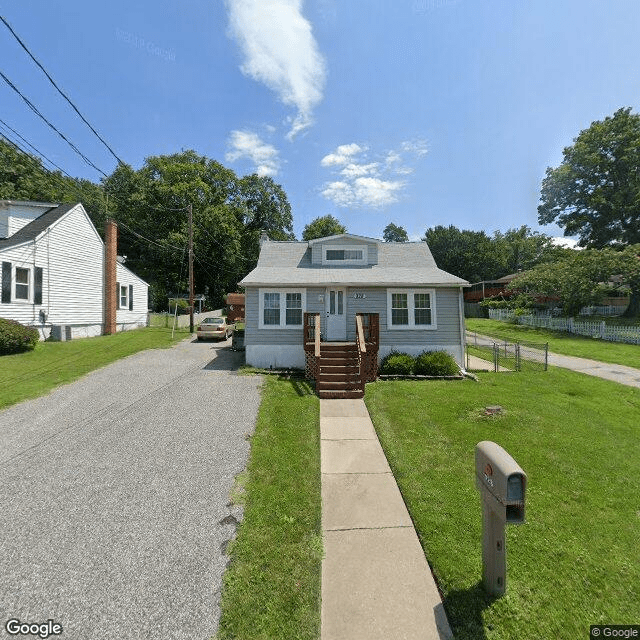
924 Chesaco, Rosedale, MD 21237
To contact a resident: (443) 653-1188
For more information about senior living options: (866) 208-4318
Overall Review of Continuing Care Assisted Living
Pros
 The facility is very nice.
- It is definitely in their top three.
- They like that everything is on one level.
Review
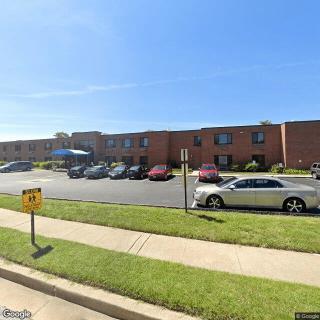
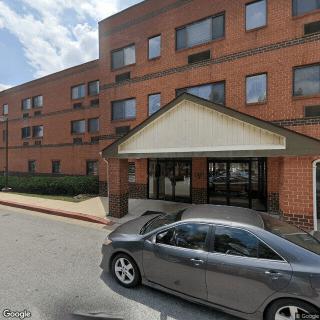
This Continuing Care Assisted Living community in Rosedale, MD is best suited for seniors who prize a straightforward, mobility-friendly living environment and a continuum of care on one campus. The standout feature cited by reviewers is that everything is on one level, which translates into safer navigation, fewer stairs, and easier access to daily routines like meals, activities, and medical or supportive services. For residents who expect to stay close to their home base as needs evolve, this campus design supports aging in place while maintaining a cohesive social and caregiving ecosystem. It also appeals to those who value a well-kept, pleasant setting where ambiance and orderliness contribute to a sense of dignity and stability.
Those considering alternatives should be mindful of a few realities suggested by the reviews. If transportation to faith-based activities or social outings becomes a central part of daily life, it is essential to verify how reliable and flexible the campus transportation really is. The comments hint at a potential gap between desire and availability for getting residents to church or other events, which could swing decisively for families who rely on scheduled trips. Additionally, families that anticipate needing more specialized memory care, a broader array of programming, or more aggressive clinical support may want to compare options with a broader spectrum of services or larger campuses. The absence of explicit drawbacks in the feedback does not obviate the need for careful cost and care-plan discussions.
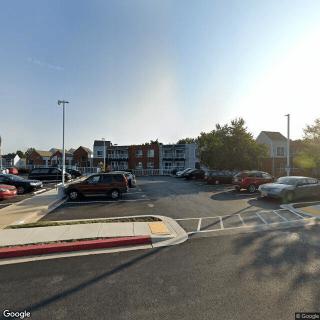
On the upside, the core advantages here align closely with practical senior living needs. Reviewers describe the facility as “very nice,” signaling a quality environment with care and maintenance standards that likely meet rigorous expectations. The one-level layout complements this by reducing fall risk, simplifying daily chores, and enabling seniors to move between dining, activity spaces, and outdoor areas with minimal friction. The sentiment that the facility sits in a desirable tier, evidenced by a top-three placement in the reviewers’ minds, adds weight to the impression that residents may experience stable routines, dependable upkeep, and responsive staff. For families seeking predictability and ease of access, these strengths are meaningful predictors of satisfaction.
A nuanced balance emerges when weighing the pros against the logistical considerations. The single-story design and clean, well-kept environment offset concerns about mobility and independence because residents can navigate confidently without stairs or multiple floors compromising safety. The continuum of care model is another decisive pro: as health or daily assistance needs change, the campus can adjust the level of support without relocating, which minimizes disruption and preserves familiar surroundings and relationships. The overall rating pattern, strong satisfaction with multiple four-star assessments and a standout five-star impression, signals a record of reliable service and consistent resident experiences that can reduce decision-making risk for families.
The bottom line is practical and clear: this community is a strong choice for seniors who prioritize an accessible layout, a pleasant and well-maintained setting, and a care structure that can adapt over time without forcing a move. For households where transportation to activities, including religious services, is actively managed and can be integrated into daily routines, the fit becomes even tighter. Pros like safety-oriented design, continuity of care, and a generally favorable resident sentiment offset the lack of explicit cons in the reviews, by providing a coherent framework for decision-makers to project long-term satisfaction.
To move from consideration to commitment, families should schedule a full tour that includes an assessment of transportation options, scheduled outing logistics, and a frank discussion about anticipated care needs and fee structure. Ask to see sample care plans for different levels of assistance and to review a typical week’s activity calendar. Compare this campus against alternatives that offer broader programming, more robust transportation networks, or more specialized memory care, if those elements matter. In the end, the best fit will be the option that delivers safety, predictability, and a comforting sense of “home” while delivering the right pace of care progression as needs change.
 Activities off-site
 Bath tubs
 Beautician on-site
 Devotional services off-site
 Indoor common areas
 Outdoor common areas
 Baltimore-Washington International (13 miles away)
 Diabetic care
 High acuity care
 Incontinence care
 Meals provided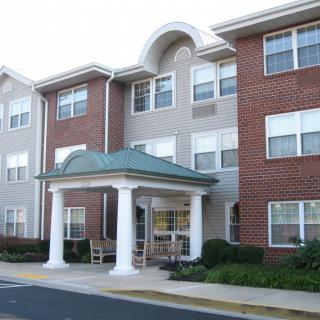


 Comprehensive Guide to Blood Pressure Charts for Older Adults: Understanding Normal and High Readings by Age
 Financing Long-Term Nursing Home Care Through Social Security: A Thorough Exploration
 Essential Knowledge on Pneumonia in Older Adults