The Seneca of Rockville

Save

  • Interior

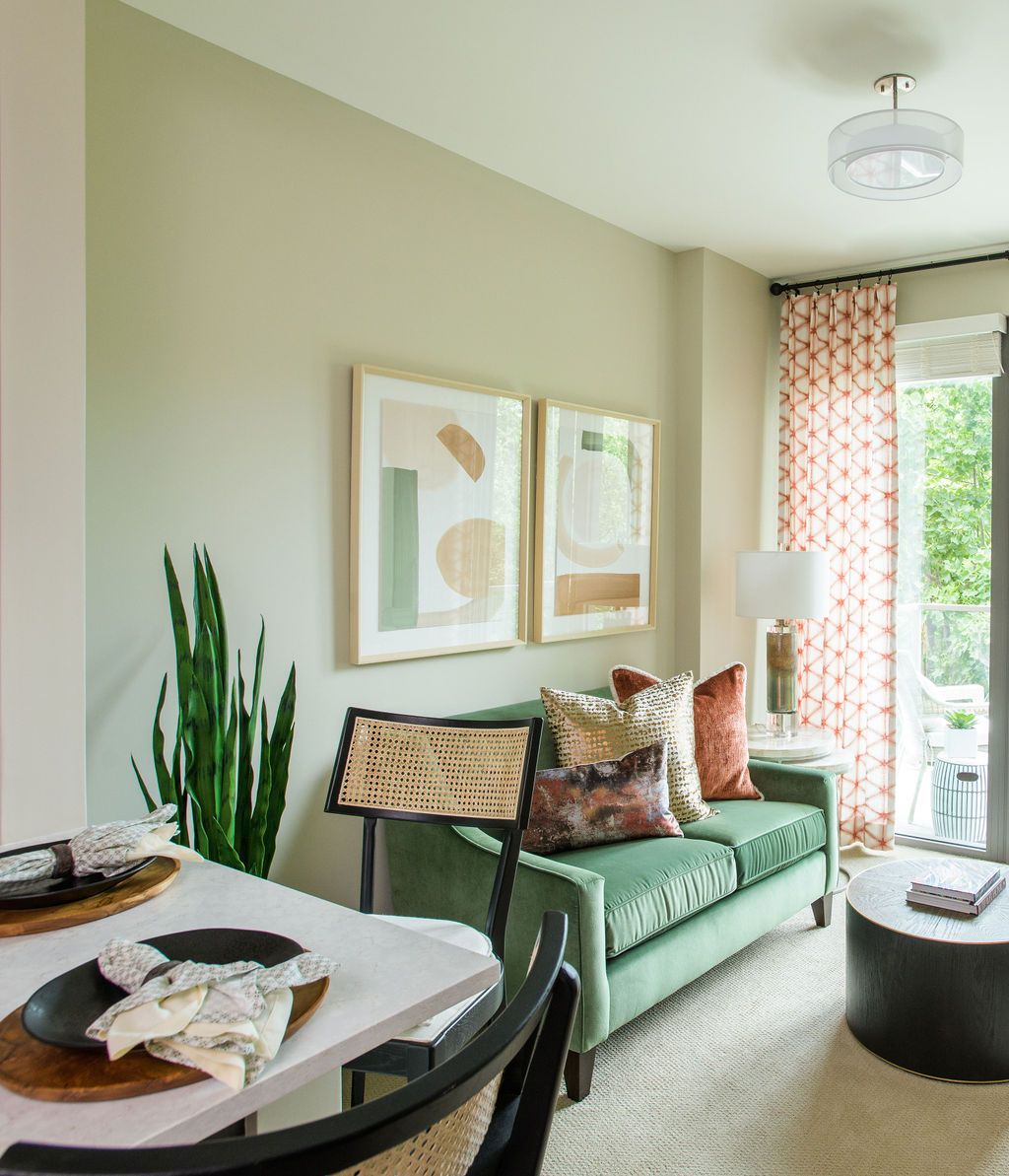
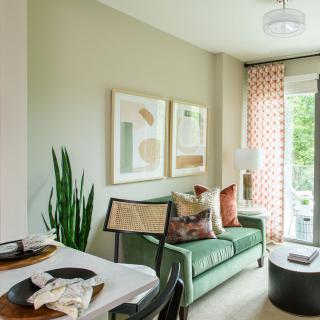
    A modern living room with a green sofa, stylish artwork, and ample natural light.
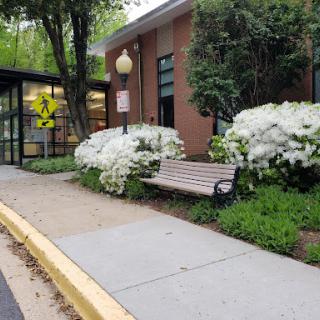
  • Outdoors

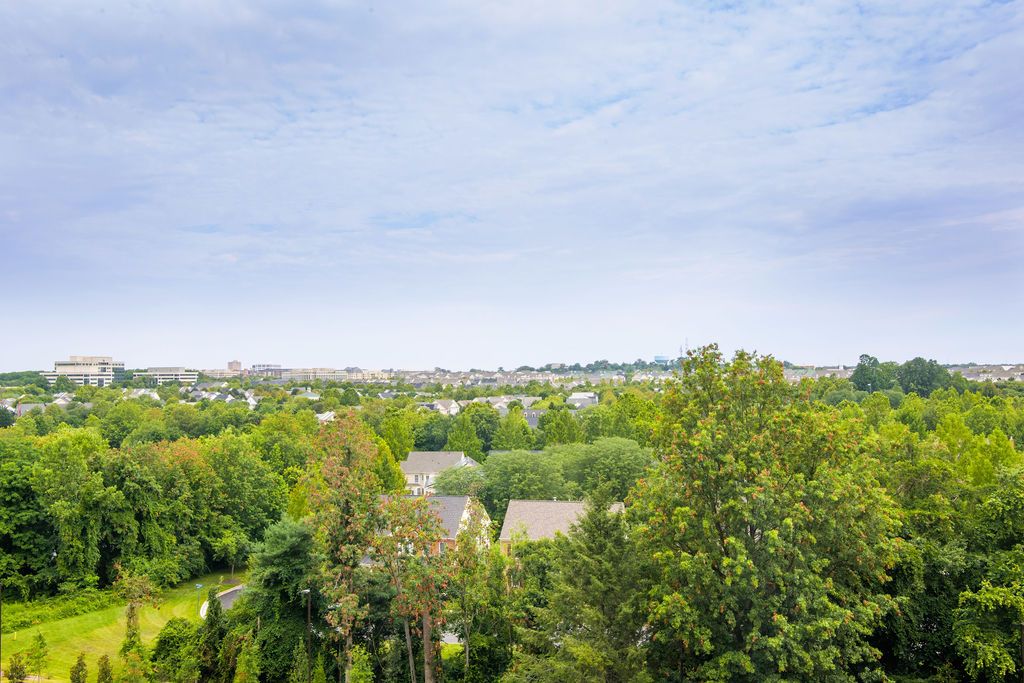
    A scenic view of a suburban area surrounded by lush greenery under a clear sky.
  • Decor

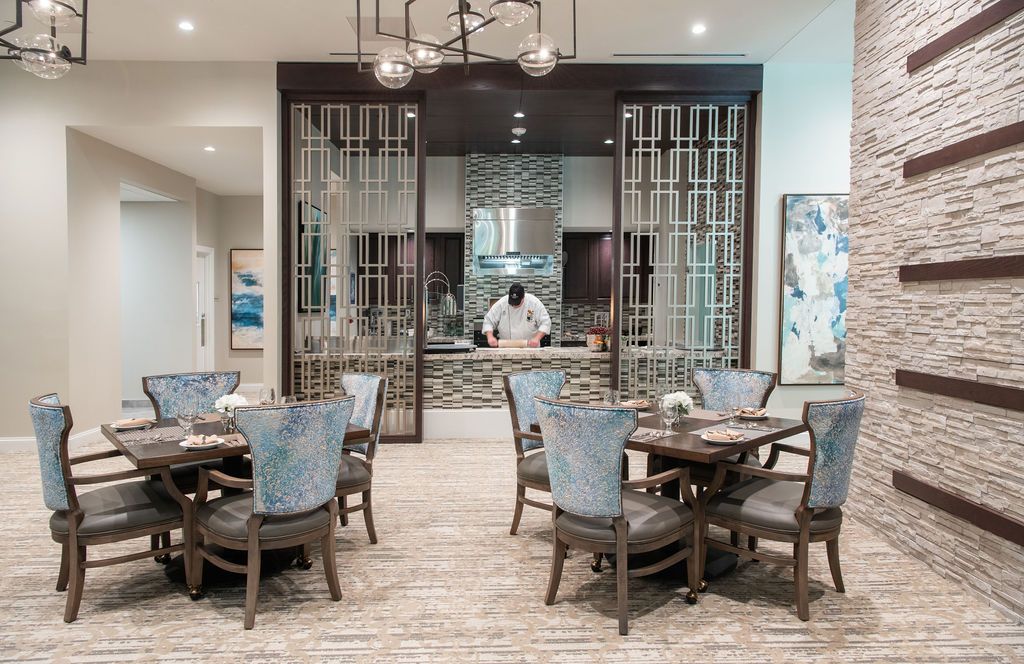
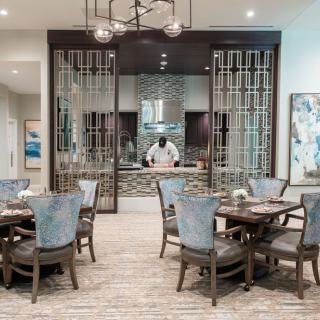
    A modern dining room with elegant decor and a chef preparing food.
  • Living Room

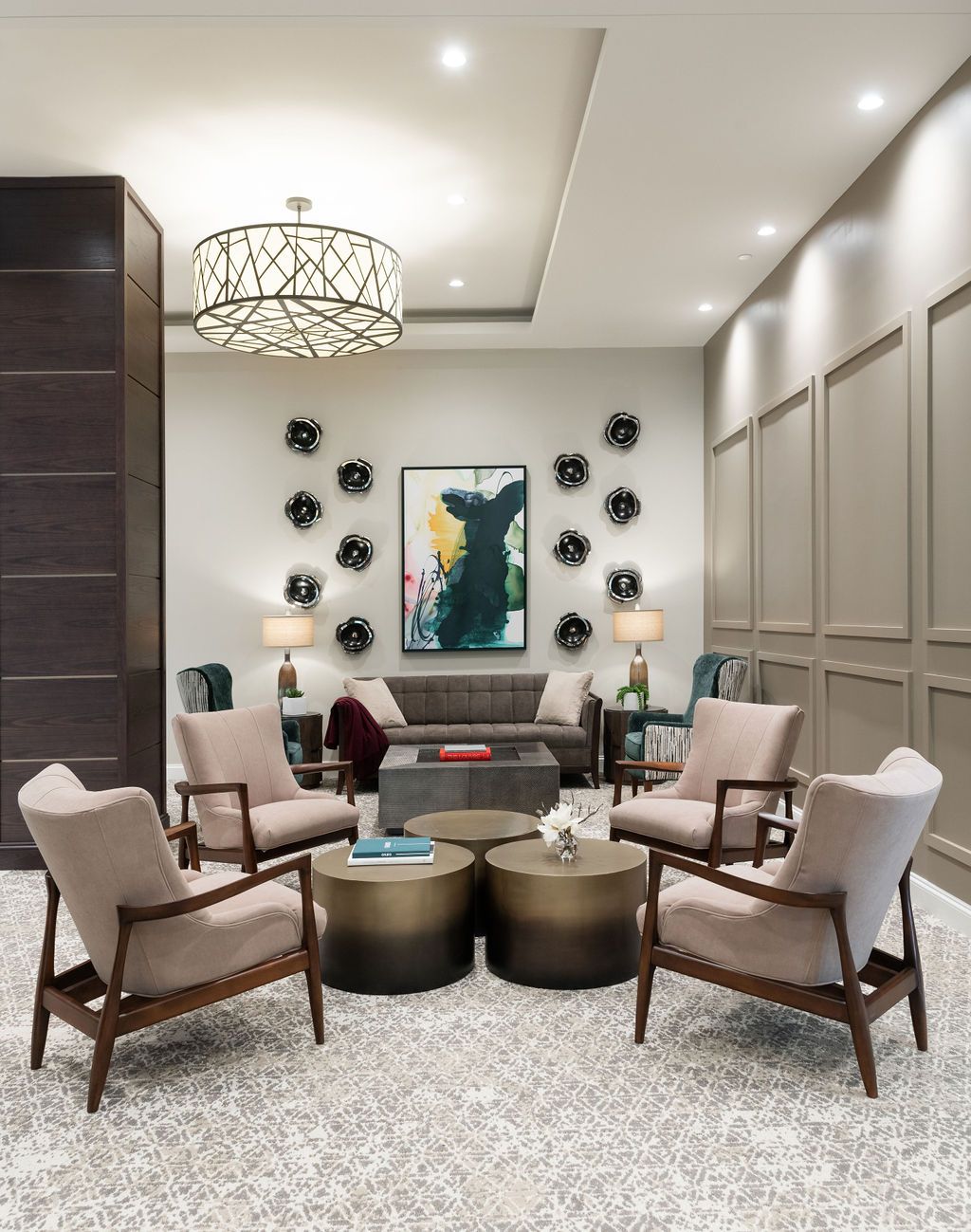
    A modern and luxurious living room with stylish furniture and decor.
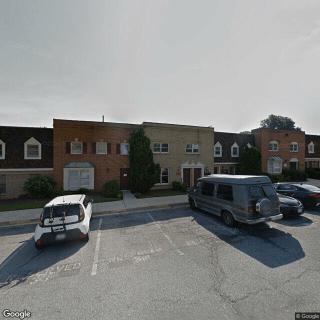
  • Building

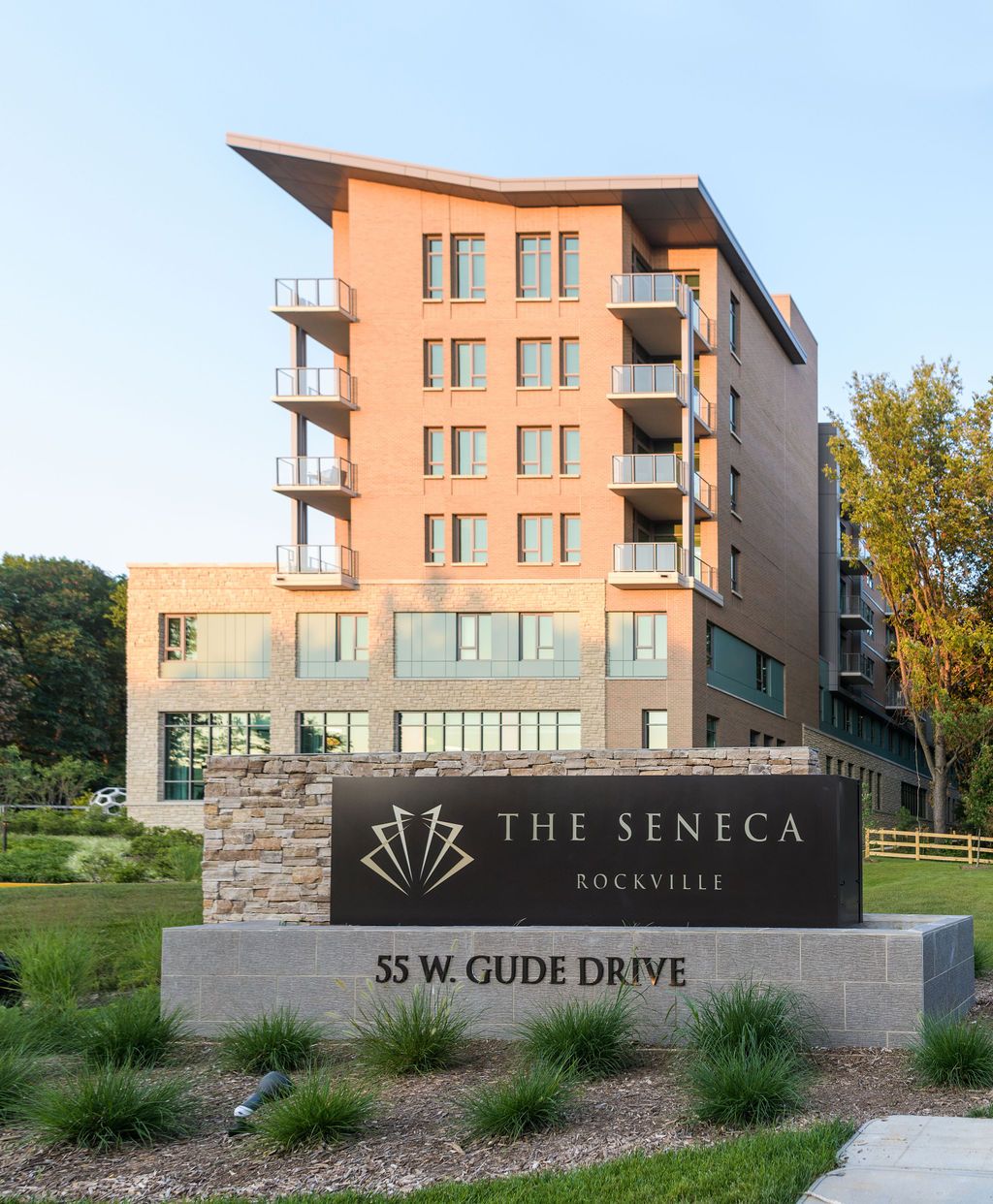
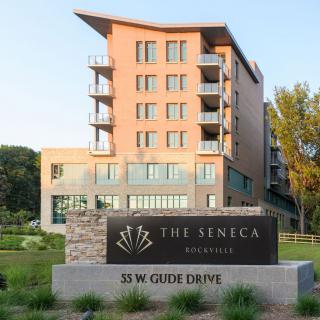
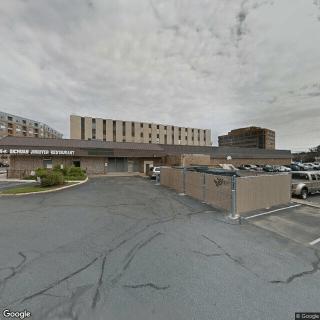
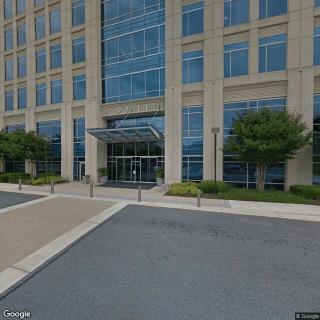
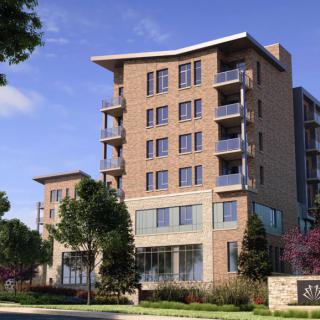
    A modern residential building named 'The Seneca' located at 55 W. Gilman Drive, featuring contemporary architecture.
  • Dining

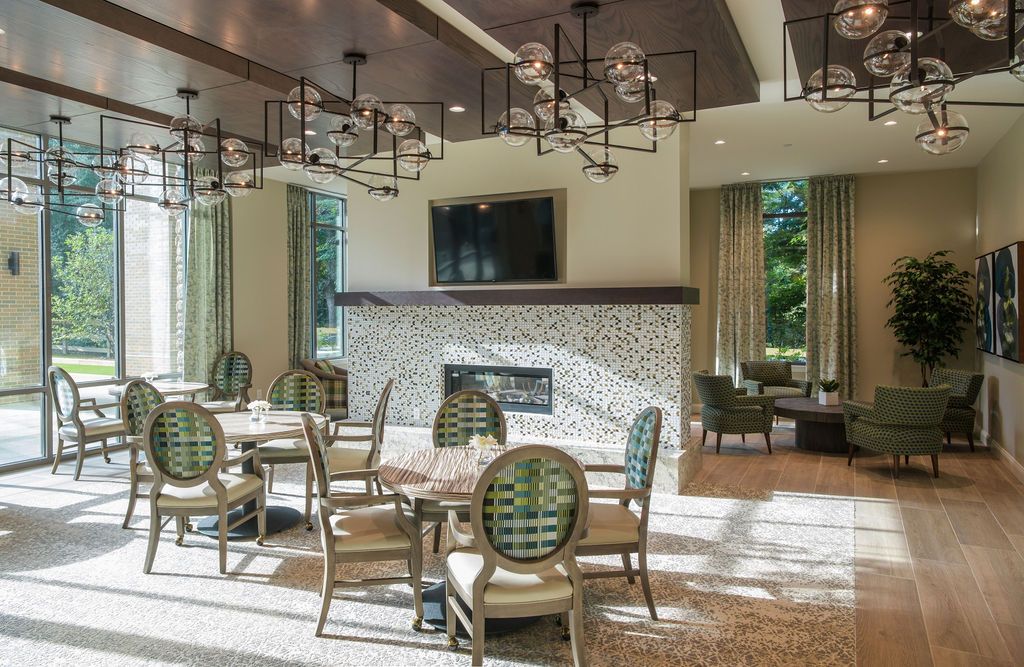
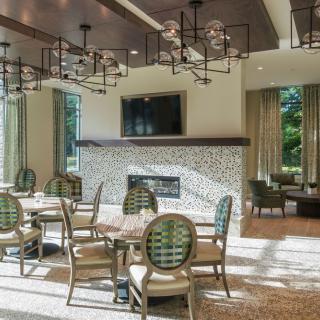
    A modern dining area with elegant chandeliers, a fireplace, and ample natural light.
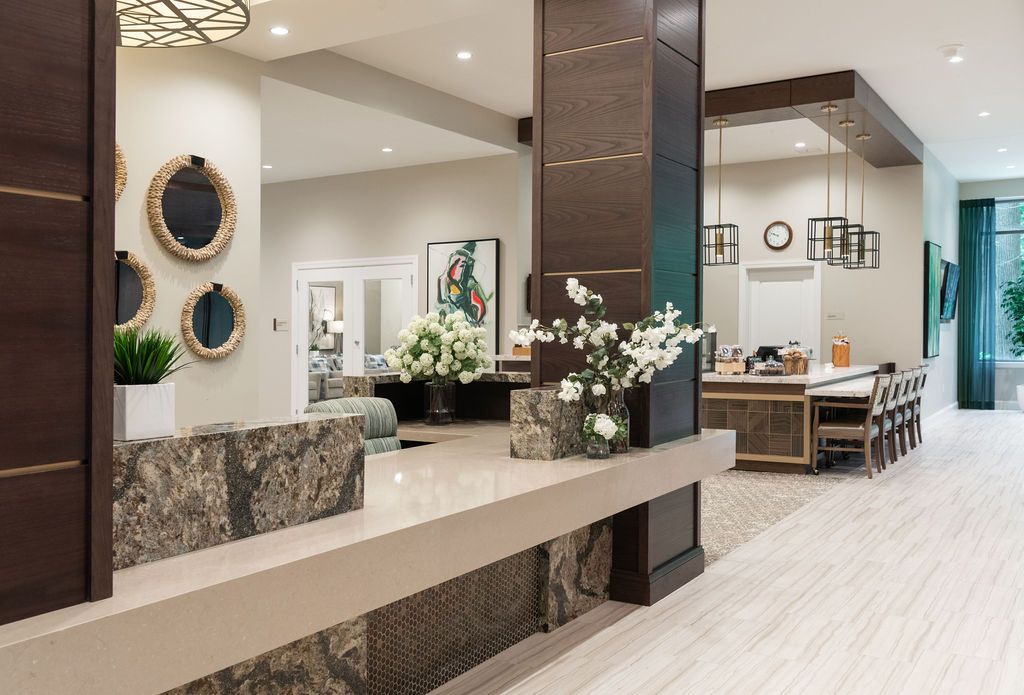
  • Lighting

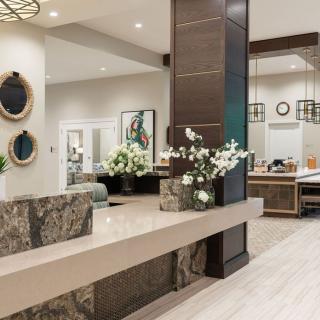
    A modern lobby area with stylish decor and lighting.
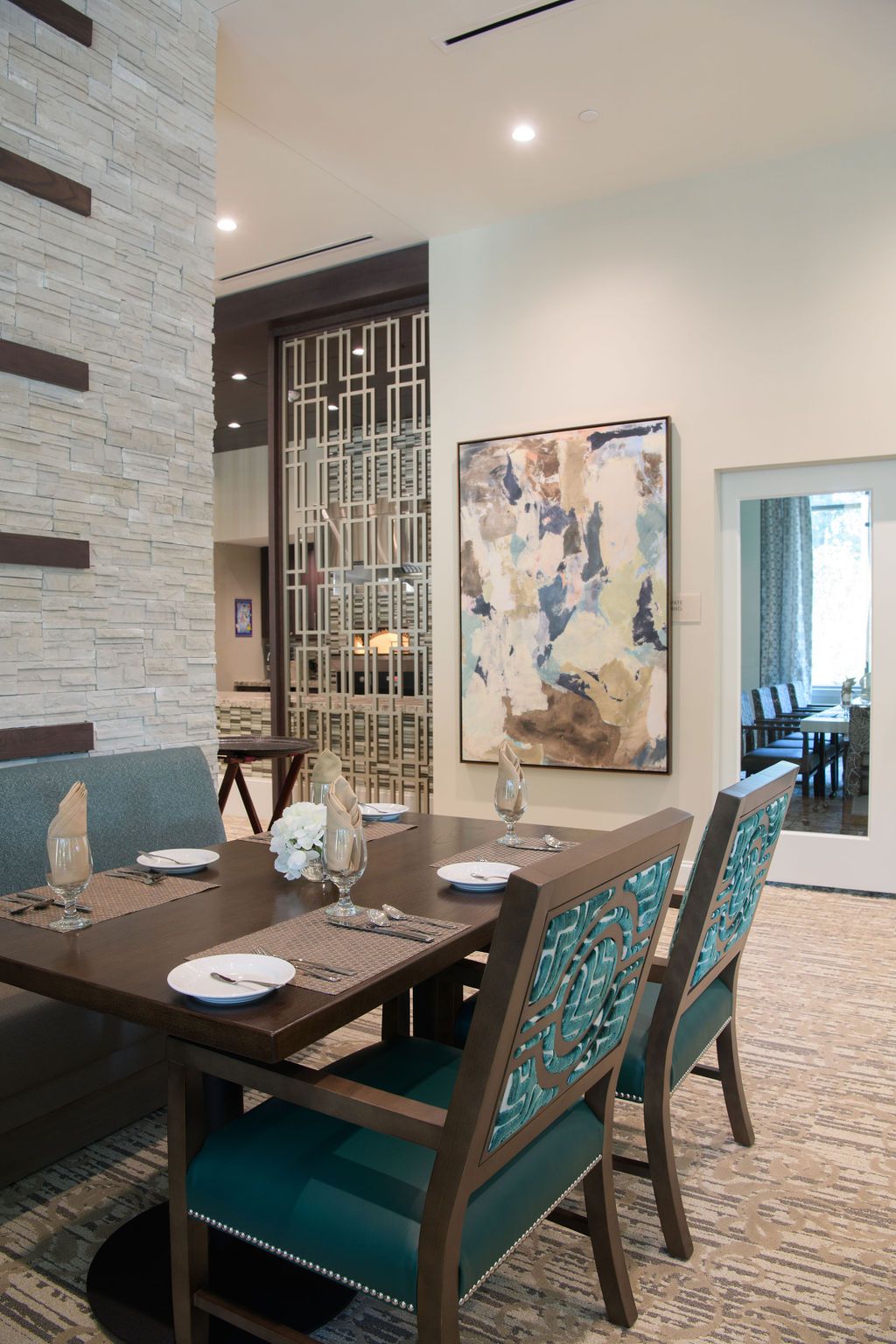
  • Artwork

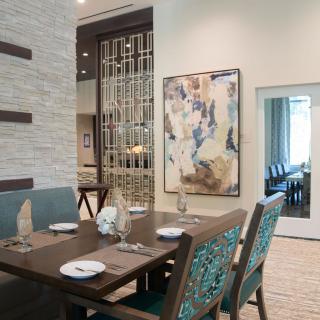
    A modern dining room with elegant table settings and contemporary artwork.
  • Seating Area

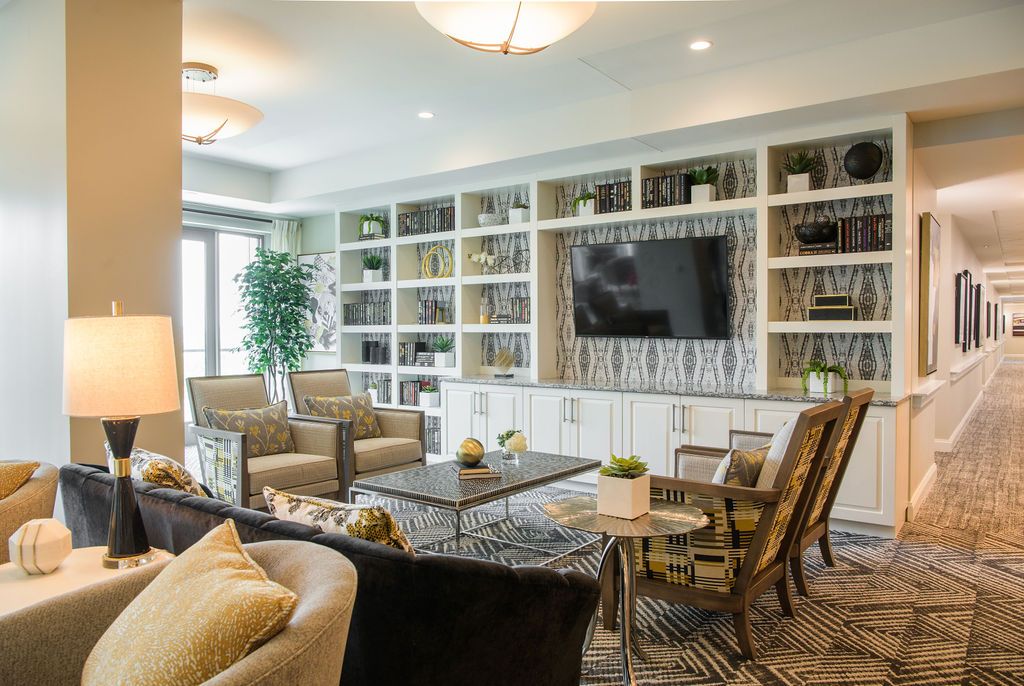
    A modern living room with built-in bookshelves, a large TV, and comfortable seating.
  • Fireplace

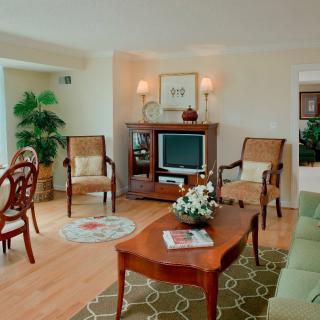
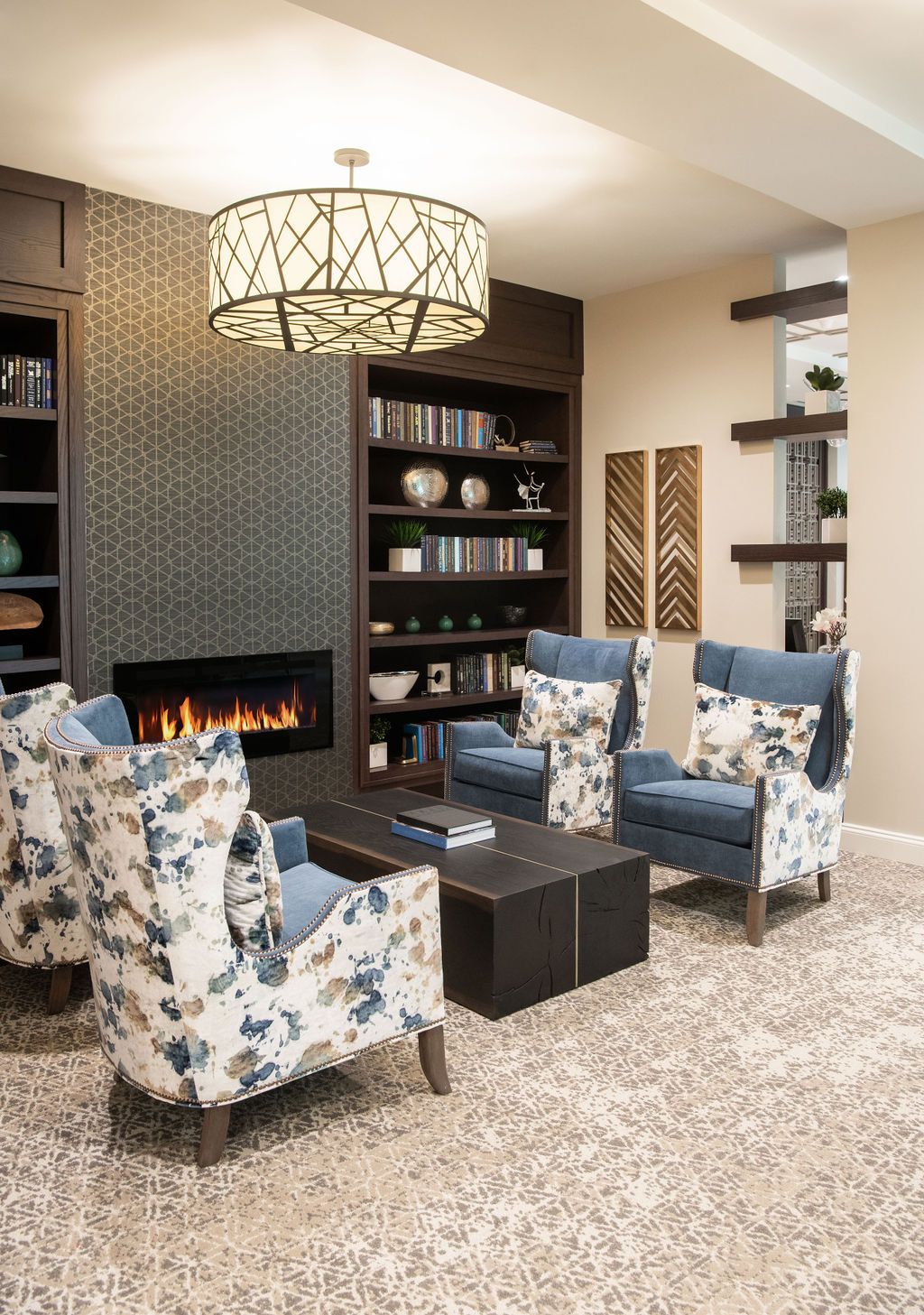
    A cozy living room with floral armchairs and a modern fireplace.
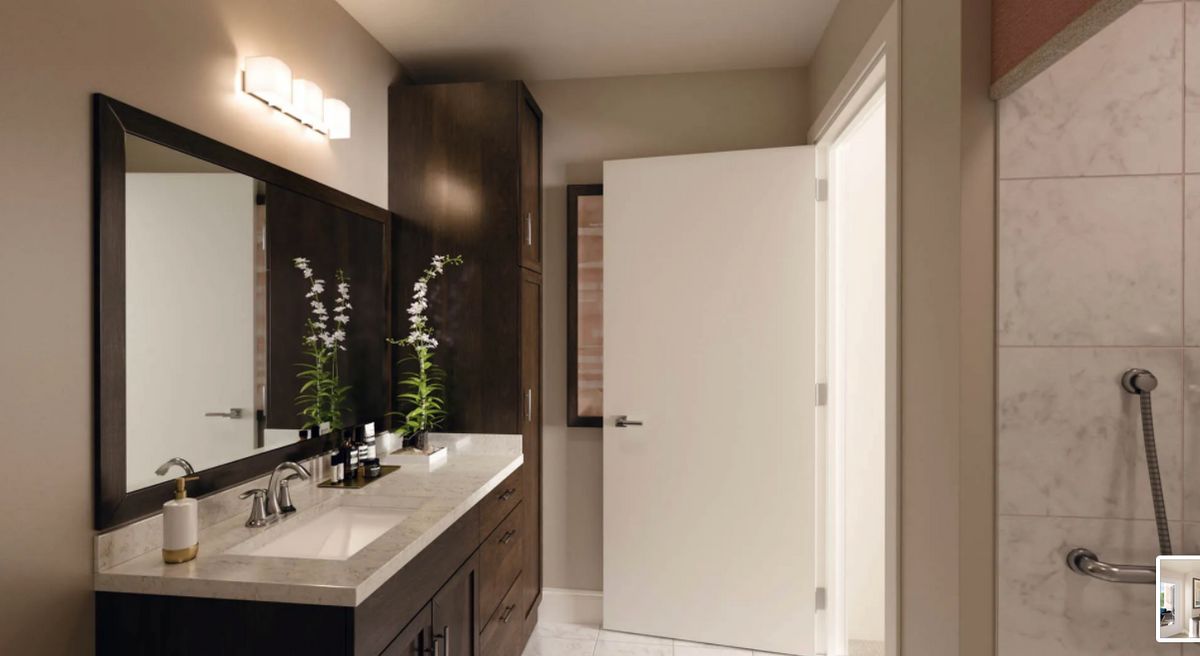
  • Bathroom

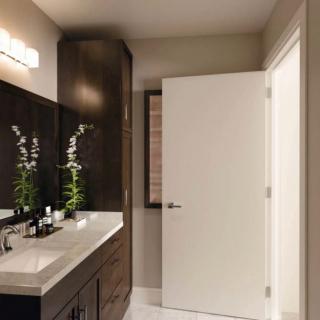
    A modern bathroom with a sleek design featuring a large mirror, dark cabinets, and minimal decor.
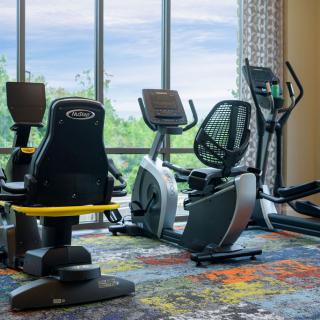
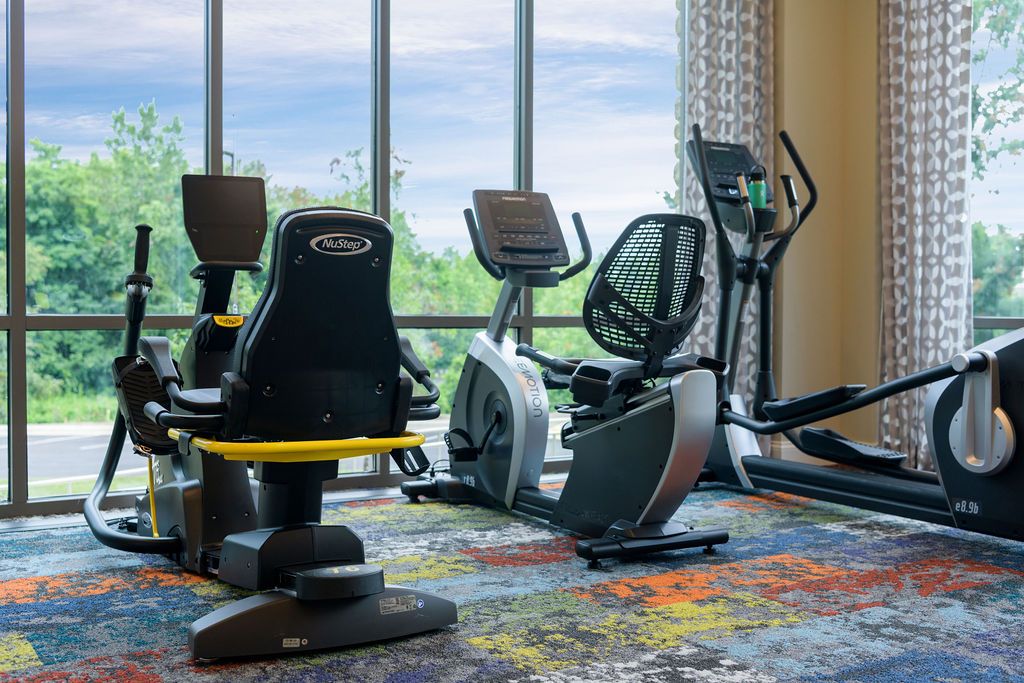
  • Exercise Equipment

    A modern gym setup with various cardio machines in front of large windows.
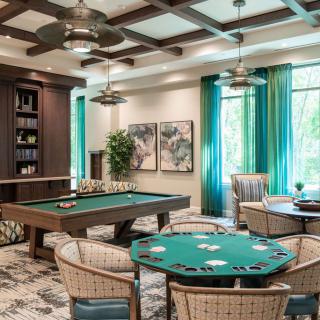
  • Game Room

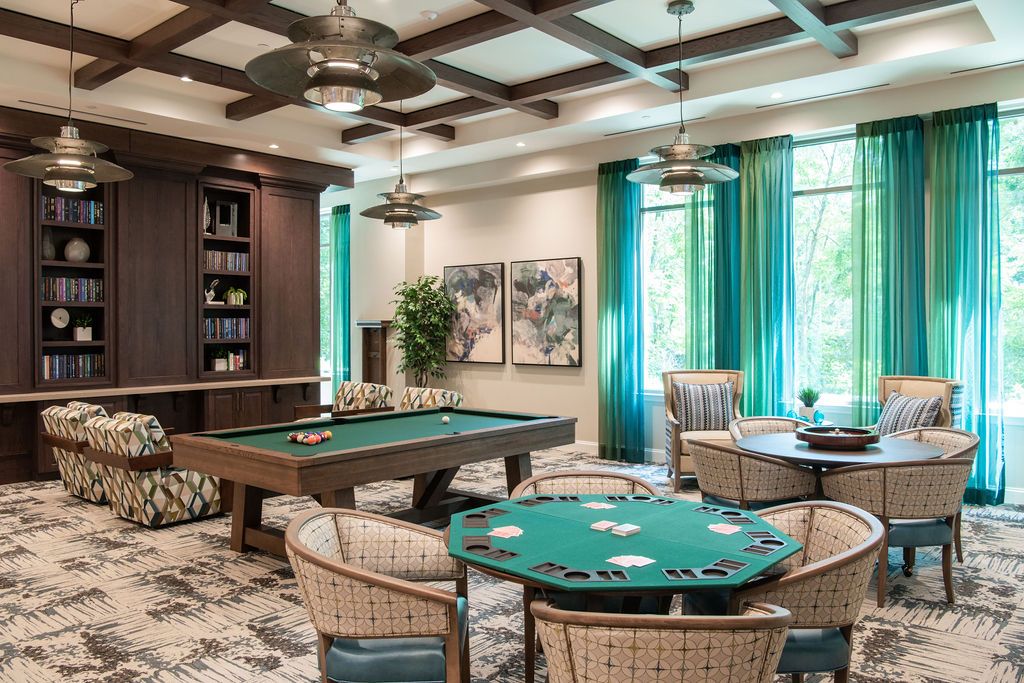
    A stylish game room featuring a poker table and a billiards table, with modern decor and ambient lighting.

The Seneca of Rockville

55 West Gude Drive, Rockville, MD 20850

For more information about senior living options: (844) 490-3973

4.5 from 30 reviews
5 stars
23
4 stars
3
3 stars
2
2 stars
1
1 stars
1

Assisted Living Memory Care

What level of care are you interested in?

Assisted Living

Memory Care

Independent Living

Skilled Nursing Facility

Continuing Care Retirement Community (CCRC)CCRC

Other


Request a tour at The Seneca of Rockville

    Overall Review of The Seneca of Rockville

    Pros

    • pro Zandra's knowledge and patient explanations were extremely helpful to families seeking information about The Seneca.
    • pro The center is beautiful, organized, and welcoming.
    • pro The environment is clean and serene, with helpful staff and friendly people.
    • pro The staff at The Seneca are great and very caring to residents and their families.
    • pro Residents can celebrate holidays and birthdays with family on site.
    • pro The facility is lovely, with a nice size, a very nice gym, and consistently good gym and PT staff.
    • pro There are a multitude of interesting and engaging activities every day.
    • pro The food is excellent, fresh, and varied.
    • pro The dining venues are beautiful and meals are delicious.
    • pro The evening staff on the second floor are cheerful and caring.
    • pro Tai Chi and other classes are engaging, with instructors who excel at engaging residents.

    Cons

    • pro Under new management, prices increased immediately and services decreased.
    • pro Communication to families and caregivers is abysmal.
    • pro Meetings are conducted during the workday with last-minute notices, making attendance nearly impossible for families and caregivers.
    • pro Responses to caregivers are slow, if any.
    • pro The facility is wildly understaffed, including an extremely slow kitchen with long waits for menus and meals.
    • pro The food is mediocre and often arrives cold or incorrect.
    • pro Medical care is extremely uneven, with staff doctors and nurses difficult to reach and frequent miscommunication.
    • pro There is constant turnover of front-line staff and management, leading to a lack of continuity in care.
    • pro Transportation to outside doctor appointments is unreliable.

    Review

    The Seneca in Rockville comes across in these voices as a beautiful, well-equipped community that many families ultimately find caring and welcoming, but that is navigating a tumultuous period of change. Several reviewers point to immediate consequences of new management: prices rose right away, services reportedly decreased, and communication with families and caregivers has slipped to last-minute or slow responses. Meetings during the workday and insufficient outreach have made it hard for some families to participate, leaving many with a sense of being out of the loop. Taken together, these concerns frame a landscape where the physical environment and some staff are praised, while administrative and operational gaps create real friction for those who rely on timely information and coordinated care.

    On the positive side, multiple entries highlight a staff culture that can be deeply caring and knowledgeable when the right people are involved. One reviewer singled out Zandra as especially knowledgeable about the Seneca and the relocation process, noting that she patiently answered questions and guided them through the experience. Visitors consistently describe the facility as beautiful, clean, serene, and welcoming - descriptions that appear to hold up in tours and first impressions. Families frequently mention the gym, outdoor spaces, and other amenities as strong, with particular appreciation for the activity options and the ability to celebrate holidays and family milestones with resident cake and other personal touches.

    Yet those same accounts do not obscure a recurring theme of variability and stress caused by staffing and governance changes. Several comments point to understaffing and high turnover, especially among line staff, activity directors, and kitchen personnel. The transition after a corporate merger or management restructuring is described as having moments that were not pretty, with some reviewers calling the jury still out on what the future holds. The sense conveyed is that front-line care can be strong in certain moments or with certain teams, but consistency across shifts and departments has suffered, with frequent staff turnover contributing to slower responses and uneven care experiences.

    Food and programming emerge as another tension point. A number of families praise the quality of meals, the attentiveness of therapy staff, and the overall dining atmosphere, sometimes contrasting it with earlier memories of better service. Others, however, describe a decline in food quality and service speed, especially in the Memory Care unit, where they note increased dependence on a larger resident population without commensurate increases in staffing. The comments about transportation and calendar-based activities further illustrate a gap between what families expect and what is delivered: rides to outside appointments can be unreliable, and some activities or special events do not consistently reach the residents or the calendar, leaving families feeling uninformed and disconnected.

    Administratively, there is a clear concern about how the organization balances profits, operations, and the day-to-day needs of residents. Several reviews imply that the focus on executive and shareholder considerations may overshadow investments in front-line staff, which many depend on for personalized care. Billing and insurance processes are described as requiring vigilance, and regional or distant management can feel out of touch with local concerns. Front desk turnover and limited responsiveness from concierge services contribute to a sense that getting basic questions answered or securing transportation or menu details can be a slow, imperfect process.

    Amidst the critiques, there are poignant affirmations from families who see the best of what The Seneca can offer. Some reviewers emphasize that both parents or loved ones live there and that they are exceedingly pleased with the care, activities, and the overall environment. They recount bright rooms, airy apartments, excellent dining experiences, and staff who are genuinely kind and attentive. The support for family celebrations, the involvement of staff in events, and the appreciation for specific team members (notably those on the evening shift, such as Stephanie, Maria, and Trafina) are repeatedly highlighted as standouts. Personal testimonials about long-term connections with care teams and gratitude for both the physical setting and social programs reinforce the idea that, for many residents, The Seneca provides a high-quality living environment.

    During visits, particular staff interactions stand out as illustrative of the best of what the community can offer. Examples include Shoshanna, who greeted visitors with eye contact, warmth, and a positive tone during a tour, and a care team that makes residents feel seen and engaged. The memory of tours led by thoughtful and personable staff members underscores that, when the right team is present, the community shines - residents appear happy, and families leave with confidence in the environment and the people who care for their loved ones.

    In sum, The Seneca presents as a place of remarkable potential, anchored by a beautiful facility, strong amenities, and a cadre of caring professionals in many instances. However, the current climate of new management, staffing turnover, and mixed communication and service levels creates a dual reality: moments of exceptional, person-centered care coexist with periods of inconsistency and frustration for families navigating billing, scheduling, and care planning. The reviews suggest that sustained improvements will require stabilizing front-line staffing, ensuring reliable and timely communication, and aligning operations with the high expectations that come with an upscale, private-pay model. For families considering The Seneca, the clear takeaway is to expect excellence in atmosphere and some staff experiences, but to probe carefully into staffing stability, care planning, and communication practices to ensure a match with their loved one's needs.

    Features

    Housing

    • 146 resident community capacity 146 resident community capacity

    Types of Care

    • Assisted Living Assisted LivingAssisted living facilities provide crucial support and care for seniors who may need help with daily tasks such as medication management, bathing, and meal preparation. These communities offer a safe and comfortable environment where seniors can maintain their independence while receiving the assistance they need to thrive in their golden years.
    • Memory Care Memory CareMemory care is crucial for seniors as it provides specialized support and services for individuals with dementia or Alzheimer's disease. These programs offer a safe and secure environment where residents receive personalized care, cognitive stimulation, and help with daily activities. Memory care helps seniors maintain their independence, quality of life, and dignity while also providing peace of mind for their families.

    Amenities

    • Air-conditioning Air-conditioningAir conditioning is important for seniors as they are more vulnerable to heat-related illnesses and may have underlying health conditions that make it difficult for them to regulate their body temperature. It helps to keep them comfortable, safe, and healthy in hot weather.
    • Beauty salon Beauty salonBeauty salons are important for seniors because they provide a space for them to feel pampered, socialize, and maintain their personal grooming and hygiene. Regular visits to a beauty salon can help boost seniors' self-esteem and overall well-being.
    • Cable or satellite TV Cable or satellite TVCable or satellite TV is important for seniors because it provides entertainment, news, and companionship, helping to combat loneliness and boredom. It also offers a wide range of programming options tailored to different interests and preferences.
    • Computer center Computer centerA computer center is essential for seniors as it provides access to technology, communication tools, and resources that can enhance their daily lives. It allows them to stay connected with loved ones, engage in online activities, and learn new skills, ultimately promoting socialization and mental stimulation.
    • Dining room Dining roomDining rooms are important for seniors as they provide a space for socialization, connection, and nutritious meals. They offer opportunities for residents to bond over shared meals, foster a sense of community, and promote healthy eating habits. Dining rooms also ensure that seniors have access to well-balanced meals tailored to their dietary needs and preferences.
    • Fitness room Fitness roomHaving a fitness room in a senior living community is essential for seniors to stay active, maintain their physical health, and improve their overall well-being. Regular exercise can help prevent falls, reduce the risk of chronic diseases, and promote mental sharpness. It also provides social opportunities for residents to connect with others and enjoy a sense of community.
    • Fully furnished Fully furnishedFully furnished senior living communities are important for seniors because they provide convenience, comfort, and a hassle-free moving experience. Seniors can easily settle into their new living space without the stress of having to buy and move furniture. This allows them to focus on enjoying their new home and community.
    • Gaming room Gaming roomGaming rooms are important for seniors as they provide a fun and engaging environment for socializing, cognitive stimulation, and physical activity. Games can improve memory, problem-solving skills, and overall mental well-being while fostering friendships and reducing feelings of isolation.
    • Garden GardenGardens are important for seniors as they provide a peaceful and therapeutic environment for relaxation, physical activity, and socialization. Being in nature has been shown to reduce stress, improve mood, and promote overall well-being. Gardens also offer opportunities for seniors to engage in gardening activities, which can improve mobility, flexibility, and cognitive function. Additionally, gardens create a sense of community and connection with others who share a passion for plants and outdoor spaces.
    • Housekeeping services Housekeeping servicesHousekeeping services are important for seniors because they help maintain a clean and safe living environment, promote independence, and reduce the risk of accidents or illnesses. Additionally, having assistance with household chores can alleviate physical strain and allow seniors to focus on other aspects of their well-being.
    • Kitchenette KitchenetteKitchenettes are important for seniors living in senior living communities because they provide the convenience and independence of being able to prepare simple meals and snacks in the comfort of their own living space. This can help promote a sense of autonomy and well-being for seniors, allowing them to maintain some level of control over their dietary choices and daily routines.
    • Move-in coordination Move-in coordinationMove-in coordination is important for seniors because it helps ease the transition into their new living environment. It ensures that all logistics, such as packing, organizing movers, and setting up utilities are taken care of, allowing seniors to focus on settling in and adjusting to their new home. Having a smooth move-in process can alleviate stress and anxiety, making the transition smoother and more enjoyable for seniors.
    • Outdoor patio Outdoor patioOutdoor patios are essential for seniors as they provide a safe and peaceful space for them to enjoy the outdoors, socialize with friends and family, engage in physical activity, and soak up natural sunlight which promotes overall well-being and mental health.
    • Outdoor space Outdoor spaceOutdoor spaces are important for seniors as they provide opportunities for physical activity, social interaction, exposure to natural light and fresh air, and a sense of connection to nature. Having access to outdoor spaces can improve overall well-being and quality of life for older adults living in senior communities.
    • Private bathrooms Private bathroomsPrivate bathrooms are important for seniors in senior living communities because they provide independence, dignity, and comfort. Having a private bathroom allows seniors to maintain their personal hygiene routines without the need for assistance, promoting a sense of autonomy and privacy. Additionally, private bathrooms help prevent the spread of infections and provide a safe and clean environment for seniors to navigate safely.
    • Restaurant-style dining Restaurant-style diningRestaurant-style dining is important for seniors because it allows them to enjoy delicious, nutritious meals in a social and upscale setting. This enhances their dining experience, promotes healthy eating habits, and fosters socialization with fellow residents, ultimately contributing to their overall well-being and quality of life.
    • Small library Small librarySmall libraries are important for seniors as they provide access to a variety of reading materials, including books, newspapers, and magazines. This can help stimulate their minds, keep them engaged, and provide a sense of community through book clubs and other social activities. Additionally, reading has been shown to improve cognitive function and overall mental well-being in older adults.
    • Telephone TelephoneTelephones are important for seniors as they provide a lifeline for communication with loved ones, emergency services, and healthcare providers. They offer a sense of security and independence, enabling seniors to stay connected and access assistance when needed.
    • Wellness center Wellness centerWellness centers are important for seniors because they offer a variety of programs and services that promote physical, mental, and emotional well-being. These centers provide opportunities for exercise, socialization, education, and relaxation, helping seniors maintain their overall health and quality of life.
    • Wi-Fi/high-speed internet available Wi-Fi/high-speed internet availableWi-Fi/high-speed internet is important for seniors to stay connected with loved ones, access online resources, and participate in virtual activities to combat feelings of loneliness and isolation. It also allows them to easily manage healthcare needs, access entertainment, and engage in lifelong learning opportunities.

    Transportation

    • Ronald Reagan Washington National (19 miles away) Ronald Reagan Washington National (19 miles away)
    • Washington Dulles International (19 miles away) Washington Dulles International (19 miles away)
    • Community operated transportation Community operated transportationCommunity operated transportation is crucial for seniors as it provides them with the means to access essential services, social activities, and medical appointments. It allows seniors to maintain their independence and quality of life by ensuring they can participate in activities outside of their homes. Additionally, community-operated transportation services offer a safe and reliable way for seniors to travel without having to rely on family or friends for assistance.
    • Transportation arrangement Transportation arrangementTransportation arrangements are crucial for seniors as they may face challenges with driving, mobility, or access to public transportation. Having reliable transportation services ensures that seniors can easily attend appointments, social activities, and maintain their independence and quality of life.
    • Transportation arrangement (non-medical) Transportation arrangement (non-medical)Transportation arrangements are essential for seniors as they provide access to essential services, activities, and social interactions outside the home. This service helps maintain independence, mobility, and overall well-being for seniors who may have limited transportation options.
    • Transportation to doctors appointments Transportation to doctors appointmentsTransportation to doctors appointments is crucial for seniors as it ensures they have access to necessary medical care and support, promoting their health and well-being. It allows them to receive timely treatment, monitor existing conditions, and address any new health concerns efficiently. Additionally, transportation services can help seniors maintain their independence and quality of life by enabling them to stay connected with their healthcare providers.

    Care Services

    • 12-16 hour nursing 12-16 hour nursing12-16 hour nursing care is crucial for seniors in order to ensure around-the-clock monitoring, timely medication administration, and prompt response to any health concerns or emergencies. This level of care helps to promote the overall well-being and safety of seniors living in senior living communities.
    • 24-hour call system 24-hour call system24-hour call systems are important for seniors because they provide peace of mind and immediate assistance in case of emergencies. This technology ensures that help is always available, promoting safety and security for elderly individuals living alone or in assisted living facilities.
    • 24-hour supervision 24-hour supervision24-hour supervision is important for seniors to ensure their safety, well-being, and access to immediate assistance in case of emergencies or health issues. This constant support provides peace of mind for both seniors and their loved ones, allowing them to age in place with dignity and security.
    • Activities of daily living assistance Activities of daily living assistanceActivities of daily living assistance are important for seniors because they provide essential support with tasks such as eating, bathing, dressing, and mobility. This assistance helps seniors maintain their independence, dignity, and overall quality of life as they age.
    • Assistance with bathing Assistance with bathingAssistance with bathing is crucial for seniors as it helps maintain personal hygiene, prevents infections, and ensures their overall well-being and comfort. It also provides a sense of dignity and independence for seniors who may struggle with this task on their own.
    • Assistance with dressing Assistance with dressingAssistance with dressing is important for seniors because it helps maintain their independence, promotes personal hygiene, prevents accidents and injuries, and improves overall quality of life. This service ensures that seniors can continue to dress comfortably and confidently, despite any physical limitations they may have.
    • Assistance with transfers Assistance with transfersAssistance with transfers is crucial for seniors as it helps prevent falls and injuries, maintains their independence, and ensures they can safely navigate their living environment. It also provides peace of mind for both seniors and their loved ones.
    • Diabetes diet Diabetes dietA diabetes diet is crucial for seniors as it helps manage blood sugar levels, reduce risks of complications, and improve overall health and well-being. By following a balanced and nutritious diet tailored to their specific needs, seniors can better control their diabetes and enhance their quality of life.
    • Meal preparation and service Meal preparation and serviceMeal preparation and service are crucial for seniors as they may have limited mobility or energy to cook nutritious meals. Having access to healthy and convenient food options can ensure they are getting the proper nutrition needed to maintain their overall health and well-being.
    • Medication management Medication managementMedication management is crucial for seniors to ensure they are taking the right medications at the correct dosages and times. This helps prevent adverse drug interactions, reduces the risk of medication errors, and promotes overall health and well-being. Proactive management also allows for adjustments as needed based on changing health conditions or new prescriptions.
    • Mental wellness program Mental wellness programMental wellness programs are essential for seniors as they promote cognitive stimulation, emotional support, and social engagement. These programs help prevent isolation, depression, and cognitive decline, ultimately enhancing the overall quality of life for older adults.
    • Mild cognitive impairment Mild cognitive impairment"Mild cognitive impairment" is important for seniors because it is an early stage of cognitive decline that can potentially progress to more severe conditions such as dementia. Recognizing and addressing mild cognitive impairment can help seniors receive appropriate care and support to maintain their quality of life and independence for as long as possible.
    • Special dietary restrictions Special dietary restrictionsSpecial dietary restrictions are important for seniors because age-related changes in metabolism and health conditions can make it difficult for their bodies to process certain foods. By following a diet tailored to their specific needs, seniors can maintain their overall health and well-being, manage chronic conditions, and reduce the risk of complications such as malnutrition or food interactions with medications.
    • Specialized memory care programming Specialized memory care programmingSpecialized memory care programming is crucial for seniors with cognitive impairments such as dementia or Alzheimer's disease. These programs provide a safe and supportive environment tailored to the unique needs of individuals with memory loss, helping them maintain their independence, dignity, and quality of life.

    Dining

    • Diabetes diet Diabetes dietA diabetes diet is crucial for seniors as it helps manage blood sugar levels, reduce risks of complications, and improve overall health and well-being. By following a balanced and nutritious diet tailored to their specific needs, seniors can better control their diabetes and enhance their quality of life.
    • Special dietary restrictions Special dietary restrictionsSpecial dietary restrictions are important for seniors because age-related changes in metabolism and health conditions can make it difficult for their bodies to process certain foods. By following a diet tailored to their specific needs, seniors can maintain their overall health and well-being, manage chronic conditions, and reduce the risk of complications such as malnutrition or food interactions with medications.

    Activities

    • Community-sponsored activities Community-sponsored activitiesCommunity-sponsored activities are important for seniors as they provide opportunities for social interaction, mental stimulation, and physical activity. These activities can help improve overall well-being, combat loneliness and isolation, and promote a sense of belonging and purpose among older adults.
    • Concierge services Concierge servicesConcierge services are essential for seniors as they provide assistance with daily tasks and errands, enhance their quality of life by offering convenience and personalized care, and promote a sense of safety and security.
    • Fitness programs Fitness programsFitness programs are crucial for seniors as they help improve strength, flexibility, balance, and overall well-being. Staying active can reduce the risk of chronic diseases, improve mental health, and enhance quality of life in older adults.
    • Planned day trips Planned day tripsPlanned day trips are important for seniors because they offer opportunities for socialization, mental stimulation, and physical activity. They provide a change of scenery and help seniors stay engaged and connected to their community, promoting overall well-being and quality of life.
    • Resident-run activities Resident-run activitiesResident-run activities are important for seniors as they encourage social interaction, creativity, and a sense of autonomy. These activities empower seniors to stay engaged and active in their community while fostering meaningful connections with their peers.
    • Scheduled daily activities Scheduled daily activitiesScheduled daily activities are important for seniors because they provide structure, socialization, mental stimulation, and physical activity. Engaging in regular activities can improve overall well-being and quality of life for seniors living in a community setting.

    Description

    The Seneca of Rockville in Rockville, MD is a memory care assisted living community that provides specialized care for individuals with cognitive impairments. This community offers a wide range of amenities to enhance the comfort and convenience of its residents. Included in these amenities are a beauty salon for pampering, cable or satellite TV for entertainment, community-operated transportation for outings and appointments, a computer center for staying connected, and a fully furnished living space.

    Residents can enjoy various activities and socialize in the gaming room, garden, outdoor patio, or outdoor space. The dining experience at The Seneca of Rockville is designed to cater to individual dietary needs with restaurant-style dining and special dietary restrictions accommodated. A small library is available for quiet reading and relaxation.

    Care services provided include 24-hour call system and supervision to ensure the safety and well-being of all residents. Assistance with daily living activities such as bathing, dressing, and transfers is readily available. Medication management is offered to ensure proper administration of medications, along with meal preparation according to diabetes diet plans.

    The community also features programs focused on mental wellness and memory care programming tailored towards the unique needs of individuals with cognitive impairments. Move-in coordination assistance is provided to make the transition into The Seneca of Rockville as smooth as possible.

    Additionally, residents have access to transportation arrangements for non-medical needs as well as transportation to doctors' appointments. A wellness center equipped with fitness equipment promotes physical well-being among residents. Wi-Fi/high-speed internet allows connectivity within the community.

    Concierge services are available to assist residents in managing their schedules effectively. Fitness programs catered towards different abilities are conducted regularly. Planned day trips and resident-run activities provide opportunities for exploration and social engagement.

    The Seneca of Rockville is conveniently located near several cafes, parks, pharmacies, physicians' offices, restaurants, transportation options, places of worship, theaters, and hospitals providing easy access to various services and entertainment options in the area.

    Nearby Places of Interest

    Located in the vibrant city of Rockville, Maryland, this neighborhood offers a plethora of amenities to cater to the needs of seniors. With convenient access to multiple metro stations, transportation options are readily available for easy travel around the area. A variety of restaurants offering diverse cuisines are within close proximity, providing residents with plenty of dining choices. Additionally, pharmacies and physicians' offices are nearby for convenient healthcare services. For leisure activities, there are cafes for socializing and theaters for entertainment. The neighborhood also boasts several parks for outdoor recreation and relaxation. In terms of healthcare facilities, hospitals are easily accessible within a short distance. Places of worship are also present in the community for spiritual fulfillment and connection. Overall, this part of Rockville is a desirable location for senior living due to its convenient amenities and peaceful surroundings.

    Transportation

    • Shady Grove Metro Station (0.9 miles)
    • Rockville Metro Station (1.8 miles)
    • Hertz Rent A Car (3.2 miles)
    • Twinbrook Metro Station (3.9 miles)
    • Nextcar Gaithersburg South (4.5 miles)
    • Grosvenor-Strathmore Metro Station (6.3 miles)
    • Glenmont Metro Station (6.7 miles)

    Restaurants

    • Peter's Grill (1 miles)
    • Cava (1.2 miles)
    • Dulcinea Bar and Grill (1.4 miles)
    • Sichuan Pavilion (1.5 miles)
    • Guapo S Gaithersburg (1.9 miles)
    • Uncle Julio's (2.1 miles)
    • Yard House (2.1 miles)

    Pharmacies

    • CVS Pharmacy (1.2 miles)
    • Walgreens (1.4 miles)
    • Safeway Pharmacy (1.6 miles)
    • CVS Pharmacy (2.5 miles)
    • CVS Pharmacy (2.6 miles)
    • Walgreens (3.1 miles)
    • CVS Pharmacy (3.6 miles)

    Physicians

    • Occupational Health Consultants (1.4 miles)
    • The Centers For Advanced Orthopaedics (1.5 miles)
    • Potomac Pediatrics (1.8 miles)
    • Family Allergy & Asthma Care (3.7 miles)
    • Tibor E Frekko (3.7 miles)
    • Kane Howard MD (3.9 miles)
    • Potomac Valley Pediatrics (4.4 miles)

    Cafes

    • Starbucks (1.6 miles)
    • Silver Diner (1.9 miles)
    • Starbucks (2.8 miles)
    • Starbucks (3.3 miles)
    • Starbucks (3.9 miles)
    • Starbucks (4.8 miles)

    Theaters

    • AMC DINE-IN Rio Cinemas 18 (1.9 miles)
    • AMC Montgomery 16 (5.7 miles)

    Parks

    • Rock Creek Regional Park (1.9 miles)
    • Bohrer Park (2.5 miles)
    • Falls Road Park (3.1 miles)
    • Aberdeen Park (5.1 miles)
    • Winding Creek Local Park (5.3 miles)
    • Georgian Forest Park & Tennis Courts (6.1 miles)
    • South Germantown Recreational Park (8.1 miles)

    Hospitals

    • Adventist HealthCare Shady Grove Medical Center (1.9 miles)
    • Holy Cross Germantown Hospital (6.7 miles)

    Places of Worship

    • Rockville Evangelical Mission (2 miles)
    • Church of the Redeemer (4.8 miles)
    • Saint Andrew Kim Catholic Church (6.6 miles)

    Frequently Asked Questions

    Where is The Seneca of Rockville?
    Does The Seneca of Rockville provide care for residents with dementia or Alzheimer's disease?
    What photos are available for The Seneca of Rockville in Rockville, Maryland?

    Nearby Communities

    Related Resources

    • assisted living vs skilled nursingExploring the Contrasts Between Assisted Living and Skilled Nursing

      The article compares assisted living and skilled nursing facilities, detailing their differing levels of assistance, medical support, cost structures, and day-to-day experiences. It emphasizes that assisted living is for those needing help with daily activities while maintaining independence, whereas skilled nursing facilities provide intensive medical care with 24-hour staff supervision.

    • active senior livingVibrant Senior Living: A Comprehensive Guide for Active Older Adults

      Vibrant Senior Living emphasizes active senior living communities that promote independence and engagement through diverse amenities and activities, fostering wellness and social interaction among older adults. These communities range from independent to assisted living, with a focus on personal growth, family involvement, financial planning, and leveraging technology to enhance residents' experiences.

    • assisted living vs memory careAssisted Living and Memory Care: Understanding Their Core Differences
      Assisted living provides moderate support for seniors seeking independence, while memory care offers specialized support for individuals with dementia or cognitive impairments through structured routines and trained staff. Key differences include care approaches, environment security measures, staff training levels, activity types, and cost considerations.


    Get Pricing Ask A Question Schedule A Tour Contact Senior Advisor