10910 Old Georgetown Road, North Bethesda, MD 20852
For more information about senior living options: (866) 208-4318
Andrus House Costs & Pricing
Andrus House offers competitive pricing for its accommodations compared to both Montgomery County and the broader state of Maryland. For a private room, residents pay $4,100 per month, which is significantly lower than the county rate of $5,009 while closely aligning with the state average of $4,112. Similarly, the cost for a studio at Andrus House is set at $4,600; this again provides value as it falls below Montgomery County's higher cost of $5,542 and is also in line with the state's average of $4,656. This pricing structure positions Andrus House as an appealing option for those seeking quality care without exceeding their budget.
| Floor plans | Andrus House | Montgomery County | Maryland |
|---|---|---|---|
| Private | $4,100 | $5,009 | $4,112 |
| Studio | $4,600 | $5,542 | $4,656 |
Memory care communities with a similar price nearby
-
About the same

Catherine's House
$4,000 / month15.8 miles away -
from +$400 / mo
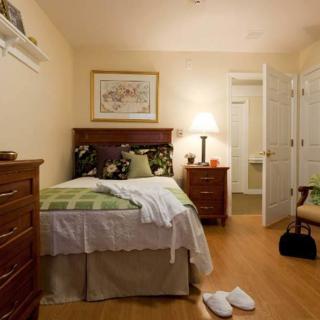
Olney Memory Care
$4,500 / month7.5 miles away -
About the same
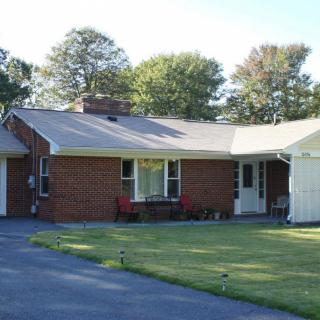
Montgomery Eldercare I
$4,000 to $5,900 / month8.3 miles away -
from -$300 / mo
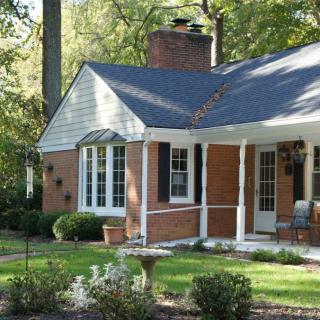
Montgomery Eldercare II
$3,800 to $5,000 / month8.1 miles away -
from -$300 / mo
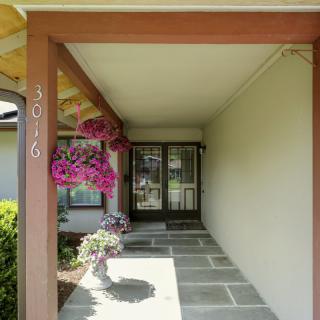
Caring Well at Aquarius
$3,800 to $5,000 / month5.8 miles away
Overall Review of Andrus House
Pros
 The facility is conveniently located in Potomac and offers memory care in a home-like environment.
- It has more activity and energy than smaller houses.
- It offers an inclusive daily rate of $110.
- It is a great home for men and women who have dementia.
- The staff is very responsible and kind.
- The home is very clean and well organized.
- Family members are welcome anytime.
- Avalon is praised for taking excellent care of residents' husbands.
Cons
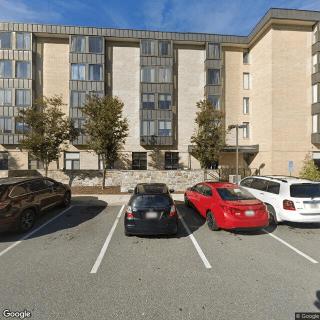
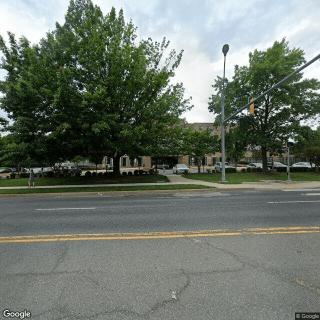
 The facility sits on a very busy corner, which could lead to residents wandering onto the street.
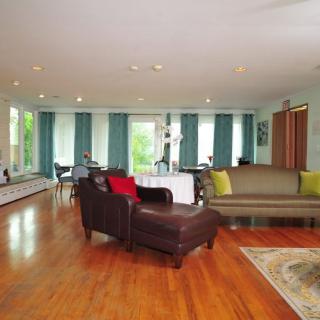
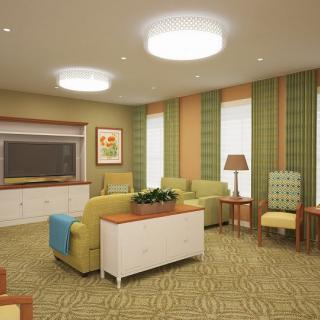
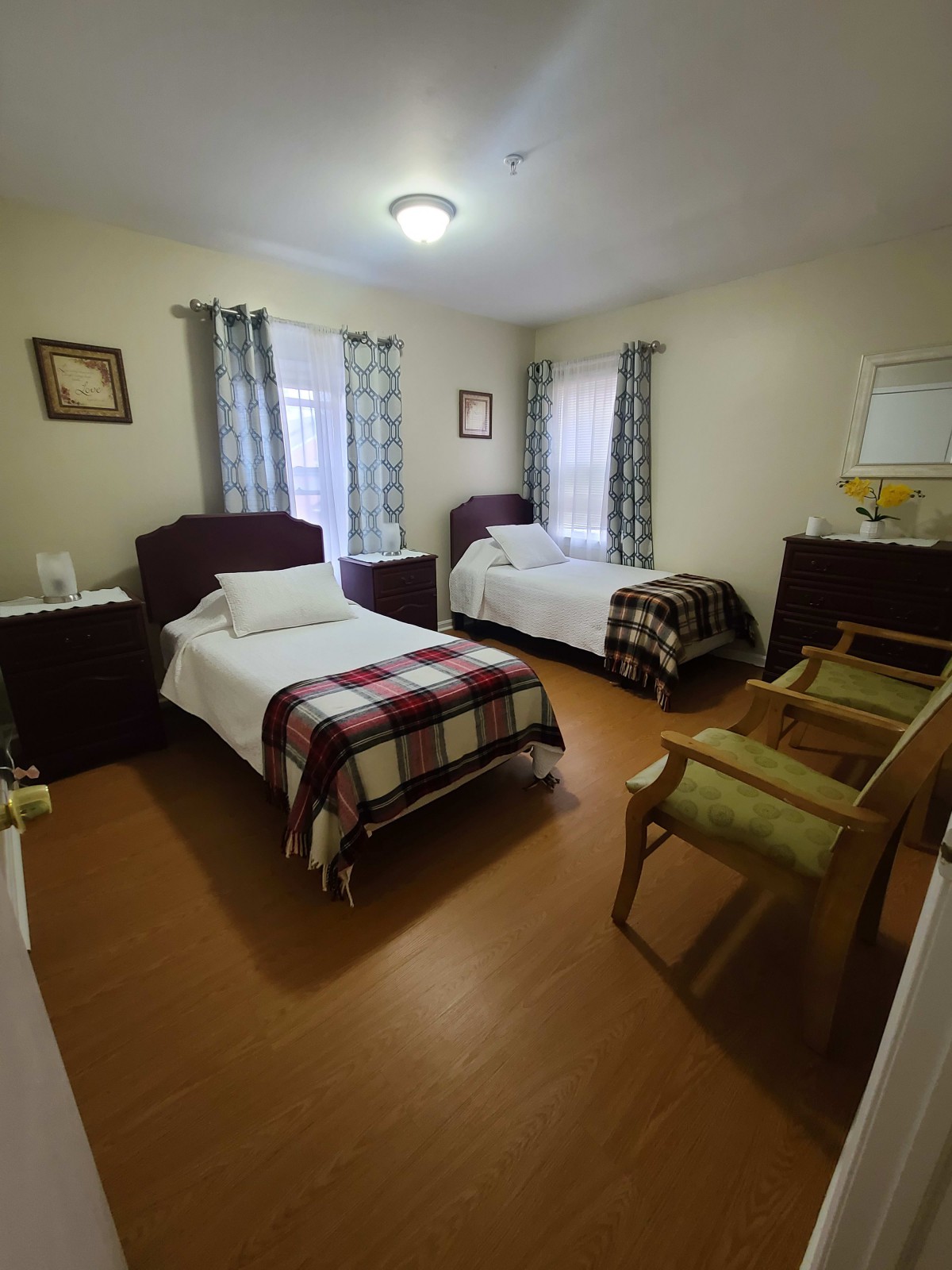
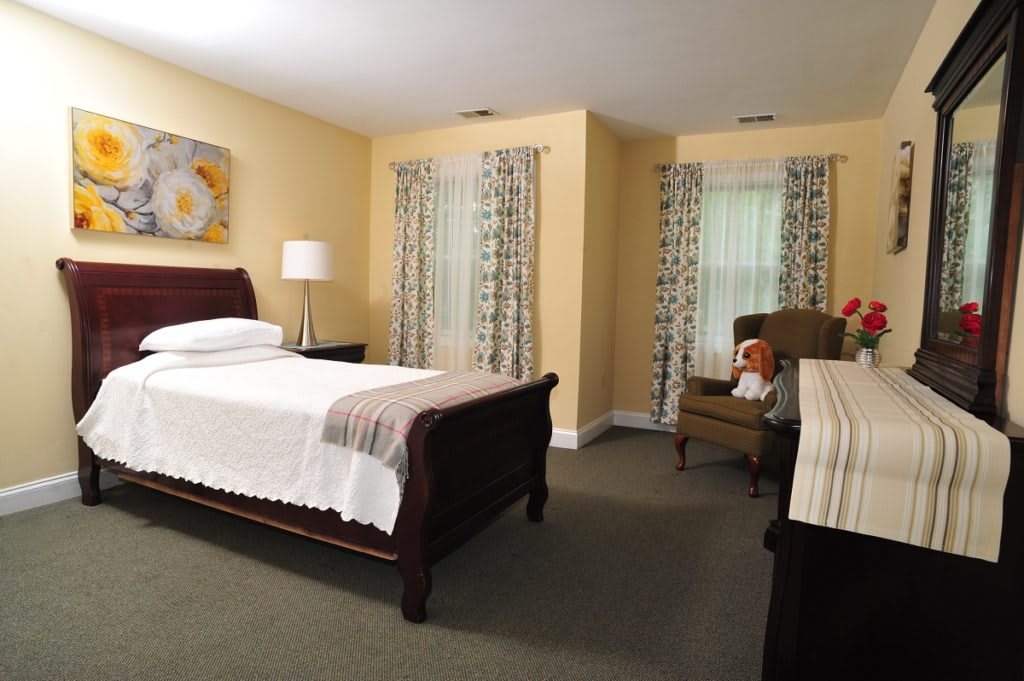
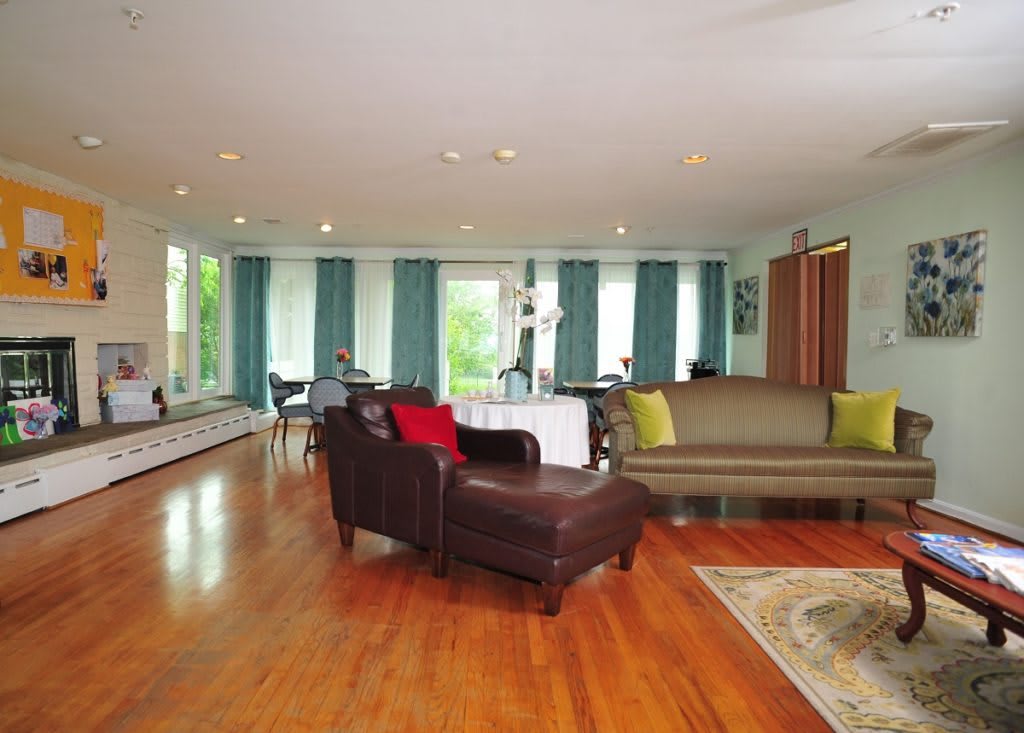
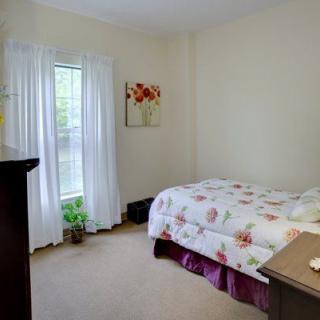
- The furnishings/house are drab and dated.
- The thick carpet would require a wheelchair to maneuver, indicating mobility or accessibility challenges.
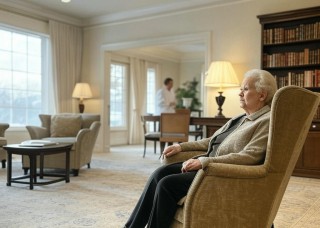
- Residents appear not alert when seated in a large circle.
Review
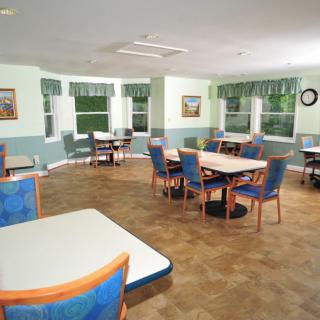
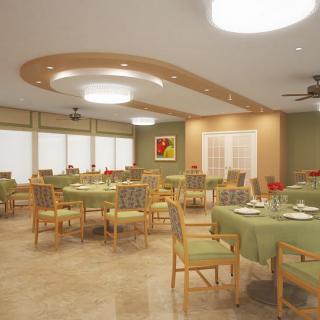
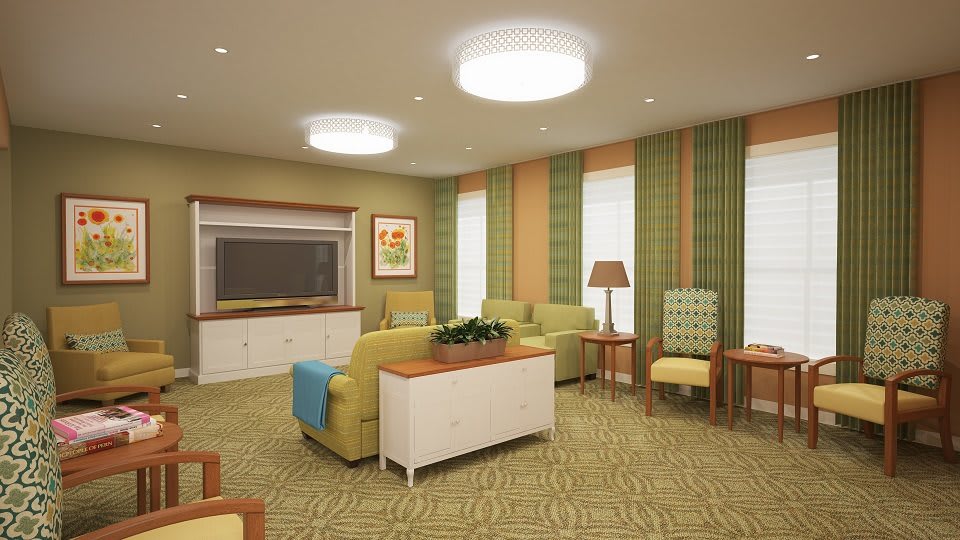
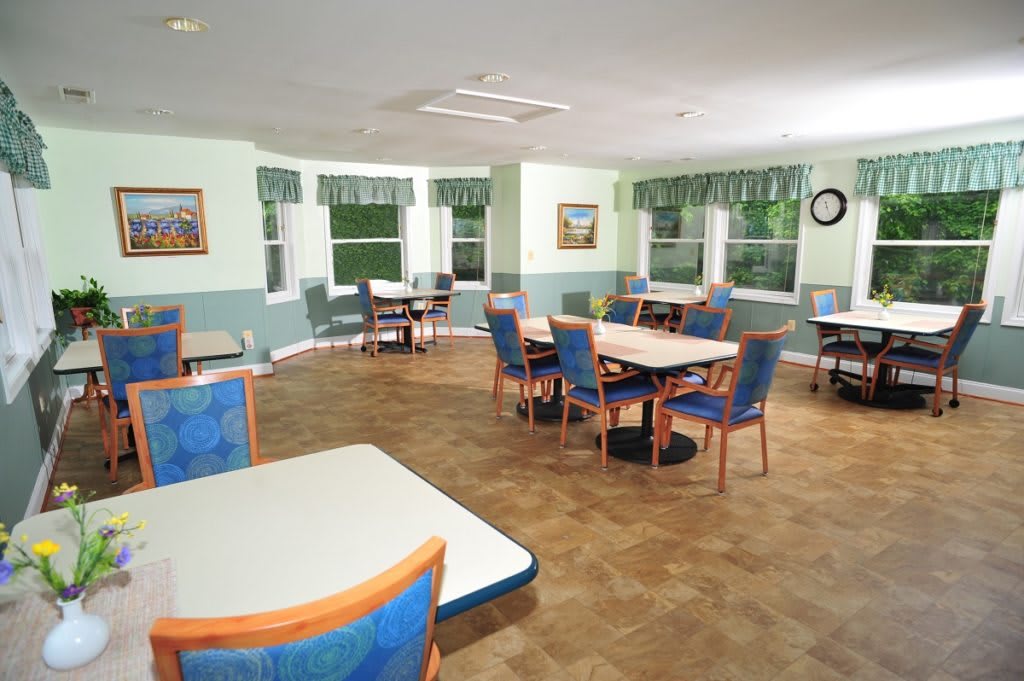
Andrus House in North Bethesda is best suited for seniors with dementia who require daily support delivered in a compact, home-like setting. The facility operates as a private, 15-resident house, which translates into higher staff visibility, easier routine management, and a sense of family-style care that can feel calmer and more predictable than larger campuses. For families seeking affordability without sacrificing cleanliness or basic professional care, this community delivers. The memory-care focus doesn’t come packaged in a sterile hospital wing but rather in a domestic environment, where caregivers can know residents by name and tailor activities to individual rhythms. The location is convenient for families in the Potomac/North Bethesda corridor, making visits straightforward and frequent.
Those who want a broader array of amenities, a more modern aesthetic, or a campus with tighter internal controls on wandering may want to consider alternatives. The property sits on a very busy corner, raising valid safety concerns for dementia residents who wander. The interior is described as drab and dated, which can be a deterrent for families seeking contemporary furnishings and atmospherics. Some days feature around 20 residents in shared spaces, suggesting a more communal, less intimate feel than the smallest houses. For families prioritizing advanced clinical services, pharmacy oversight, or a more regimented daily schedule, other options with bigger staff teams or more structured programs may be a better fit.
Yet the strongest positives, cleanliness, organization, and consistently responsible, kind staff, help offset the downsides. The home-like structure makes routines predictable, a critical factor in memory care, and caregivers are described as attentive and reliable. The 15-resident footprint supports closer monitoring and more individualized attention than larger facilities. Family involvement is welcomed at any time, which can empower loved ones and ease transitions for memory-impaired residents. In addition, the price point is notably affordable at a single, all-inclusive daily rate, translating into predictable monthly costs and reducing financial stress for families.
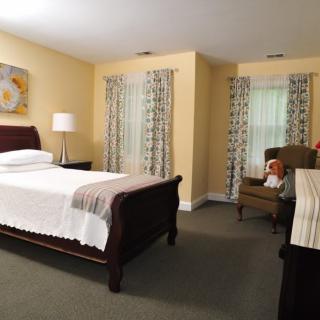
Activity levels in this setting appear higher than in smaller, more sedate houses, balancing the intimate environment with meaningful engagement. The staff’s energy, combined with a clean, organized space, supports residents who benefit from gentle social interaction and routine to anchor memory care. The small size also allows more consistent supervision and a sense of home rather than institutional life, which many families value when navigating memory-care options. Practical design elements, rooms near common areas and bathroom adjacency, aid daily living tasks and reduce friction for caregivers. Taken together, these strengths make Andrus House a practical, workable choice for dementia-focused care in this area.
Still, the environment carries tangible trade-offs. The busy corner remains a daily consideration for safety planning, especially for residents prone to wandering. Aesthetic downsides, drab, dated furnishings, can undermine comfort and mood, particularly for families seeking a residence that feels warm and lived-in. Observations about larger gatherings, variable alertness, and mobility challenges due to thick carpeting suggest the space can feel more institutional at times and less conducive to spontaneous activity. These factors don’t negate care quality but do constrain the sense of warmth and the ease with which residents can move and socialize without assistance.
For families prioritizing dementia-specific care in a small, practical setting, Andrus House offers a strong package: attentive staff, a clean and organized home, family-friendly access, and straightforward pricing. It is a sensible choice for those who value intimate care and predictable routines over sleek décor or expansive programming. However, if safety in a busy traffic environment, modern interiors, or a broader menu of activities is non-negotiable, explore alternatives with larger footprints, more controlled access, and more contemporary interiors. Tours, conversations with staff about daily schedules, and any available trial arrangements will reveal how well the positives align with the resident’s needs and whether the cons can be tolerated in exchange for the care provided.
 15 resident community capacity
 Assisted Living
 Board and Care Home
 Memory Care
 Activities off-site
 Air-conditioning
 Bath tubs
 Cable or satellite TV
 Devotional services off-site
 Dining room
 Fully furnished
 Garden
 Handicap accessible
 Housekeeping services
 Indoor common areas
 Move-in coordination
 Outdoor common areas
 Private
 Respite or short term stays offered
 Telephone
 Wheelchair accessible showers
 Wi-Fi/high-speed internet available
 Ronald Reagan Washington National (13 miles away)
 24-hour supervision
 Assistance with bathing
 Assistance with dressing
 Assistance with transfers
 Diabetes diet
 Diabetic care
 High acuity care
 Incontinence care
 Meal preparation and service
 Medication management
 Special dietary restrictions
 Transportation arrangement (medical)
 Transportation to doctors appointments
 Art classes
 BBQs or picnics
 Birthday parties
 Day trips and outings
 Stretching classes
 Visiting Rabbi
 Visiting chaplain or priest
 Wii bowling





 Dementia, Paranoia, and Caregiver Guidance: Understanding the Connection
 Engaging Memory Care Activities That Enhance Quality of Life
 When to Transition from Assisted Living to Memory Care: Key Indicators, Steps, and Finding the Right Community