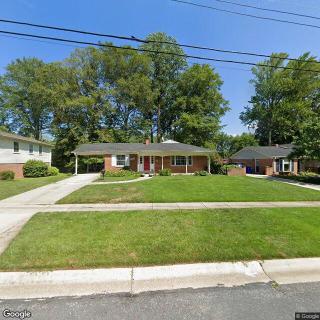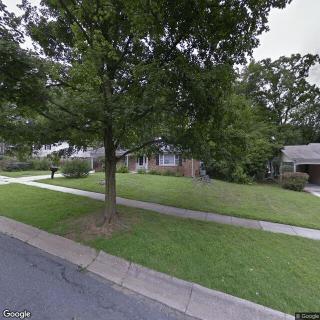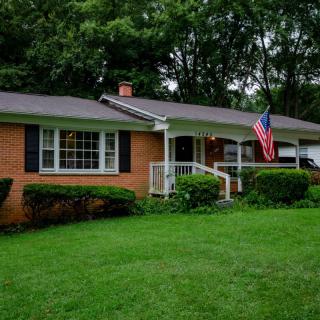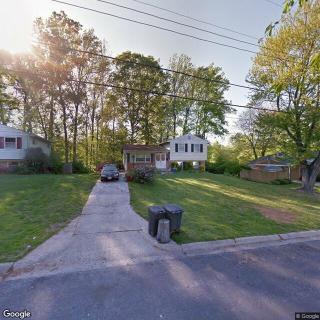
Alfred House III in Rockville, MD

Save

  • Interior

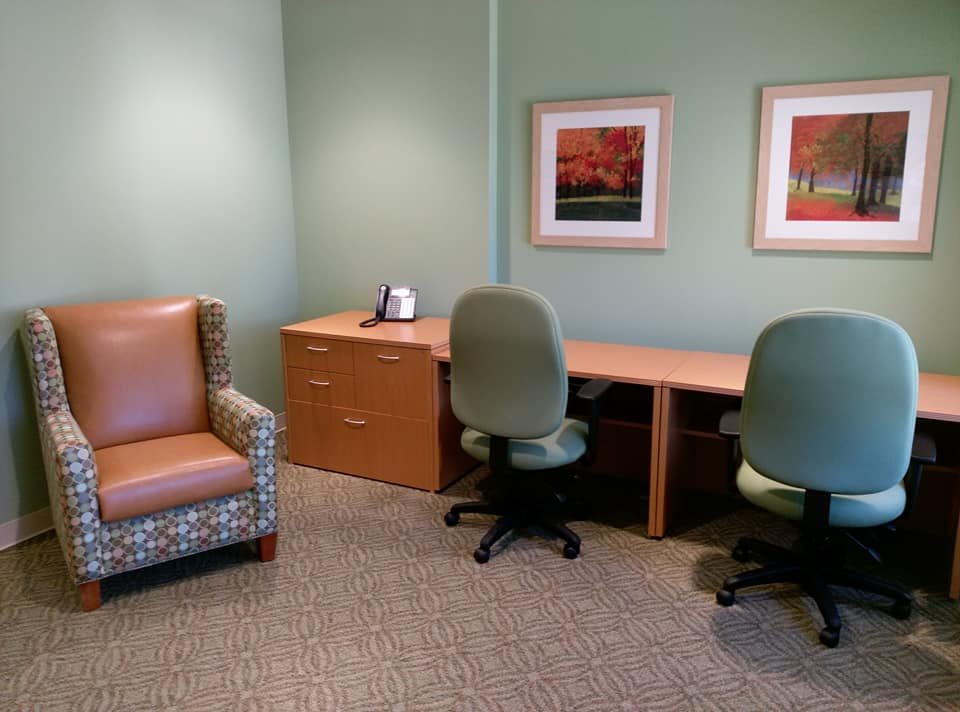
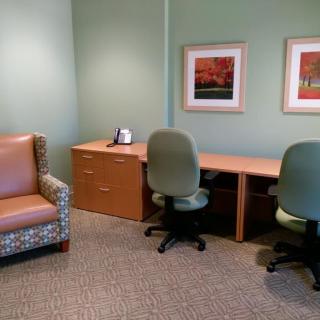
    A small office space with two chairs, a desk, and framed artwork on the wall.
  • Decor

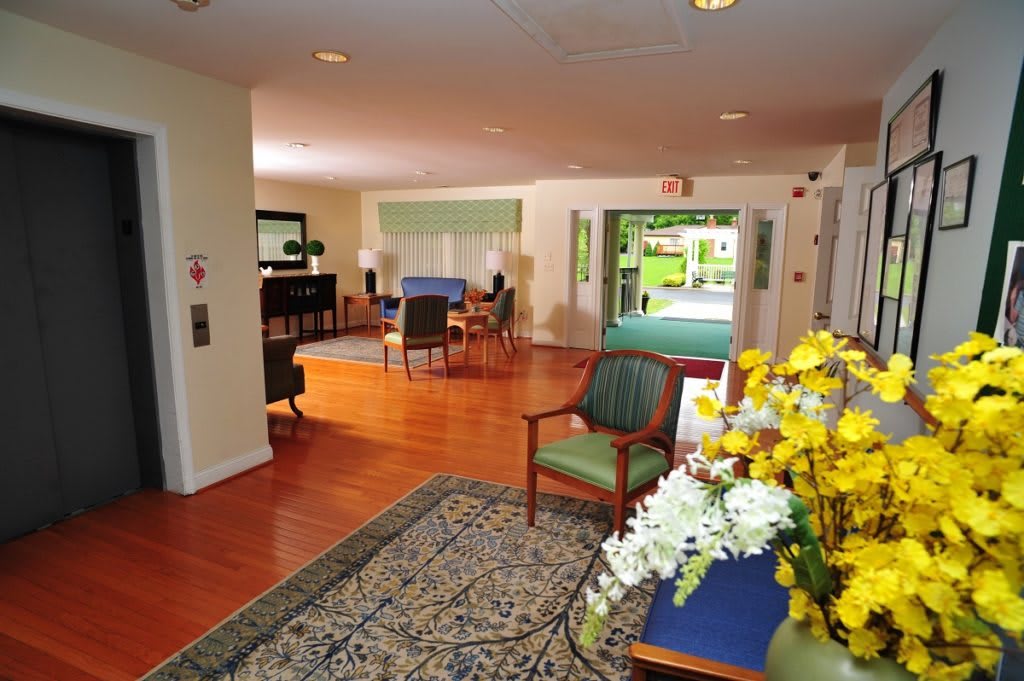
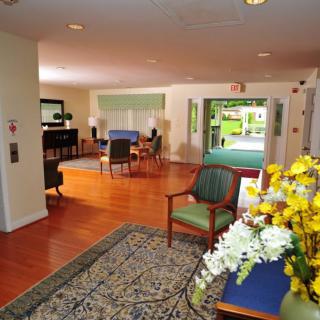
    A cozy living area with wooden flooring, comfortable seating, and a decorative arrangement of flowers.
  • Living Room

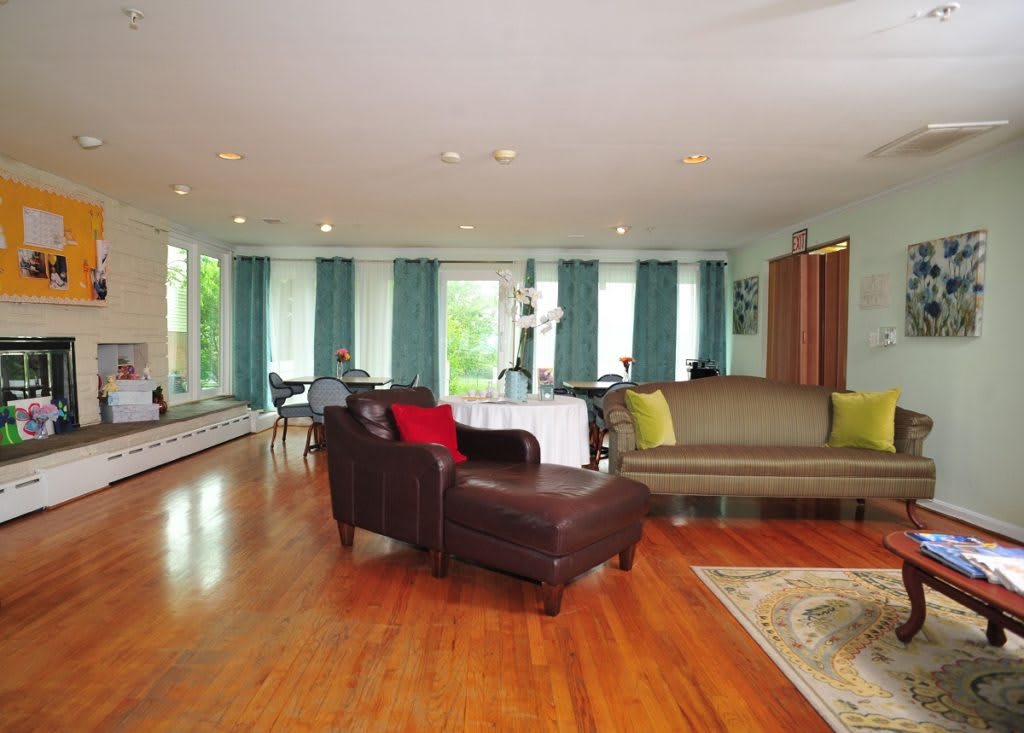
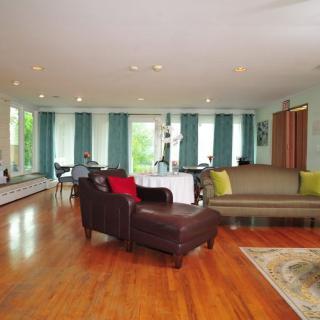
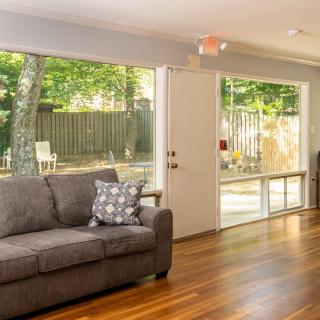
    Spacious living room with hardwood flooring, featuring comfortable seating and ample natural light.
  • Building

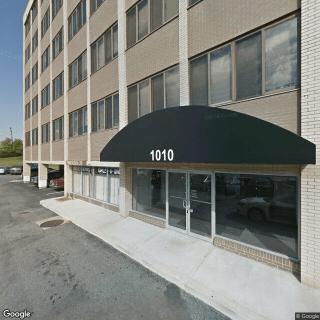
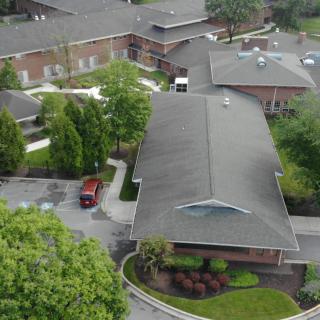
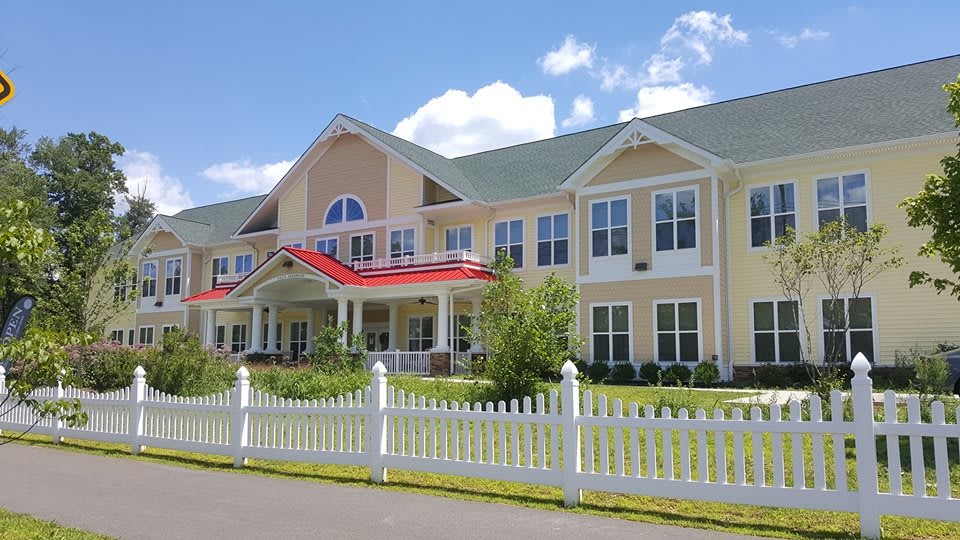
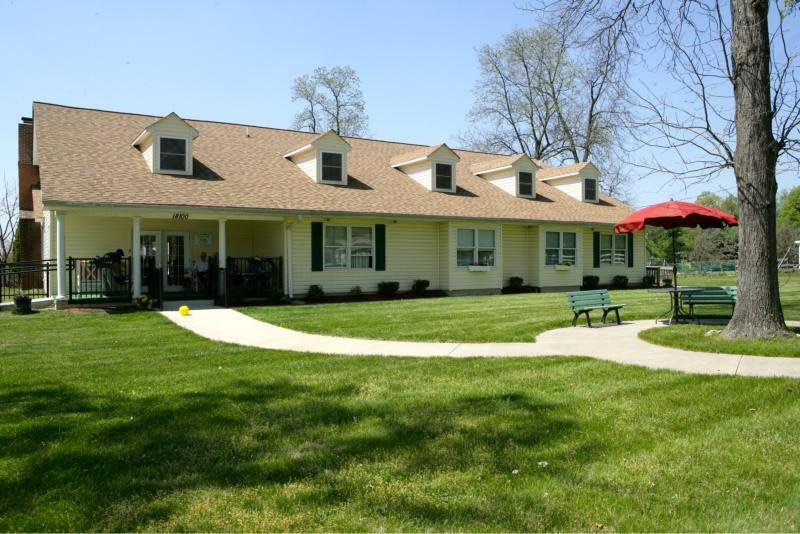
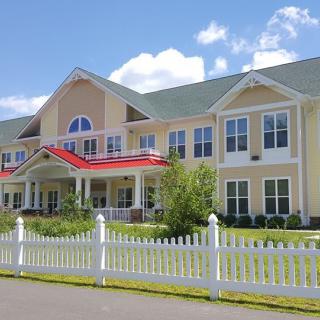
    A large, two-story residential building with a white picket fence and well-maintained lawn.
  • Bedroom

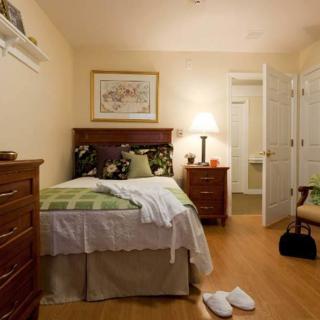
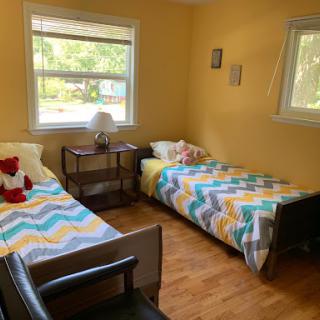
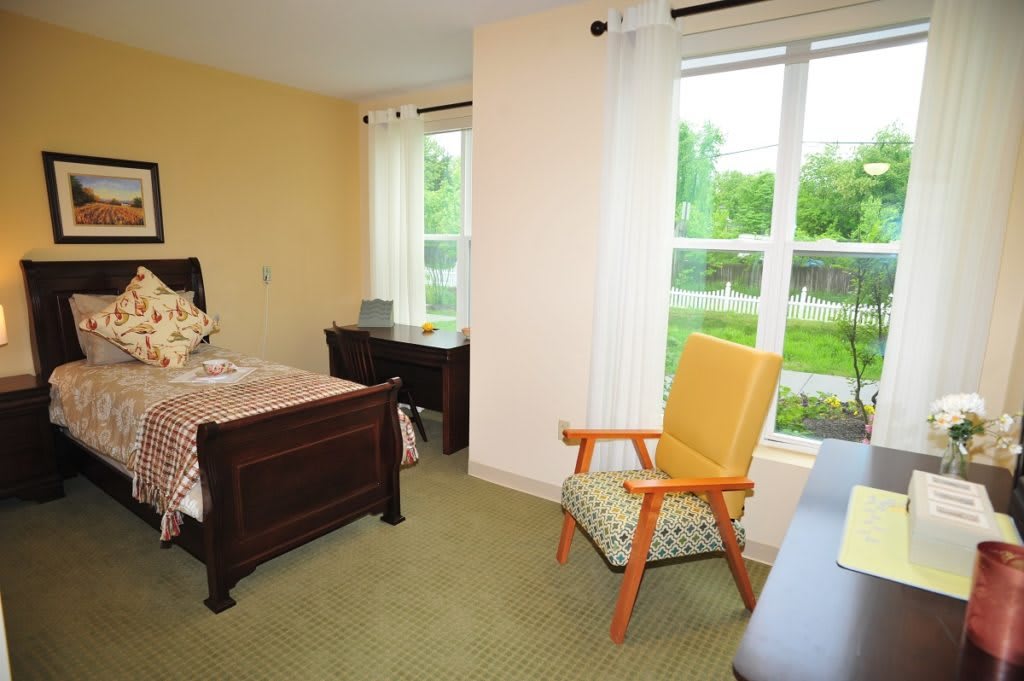
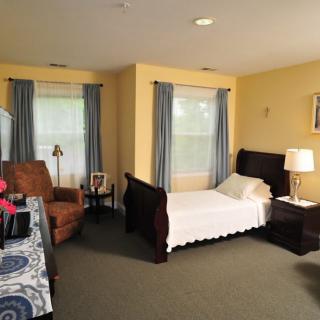
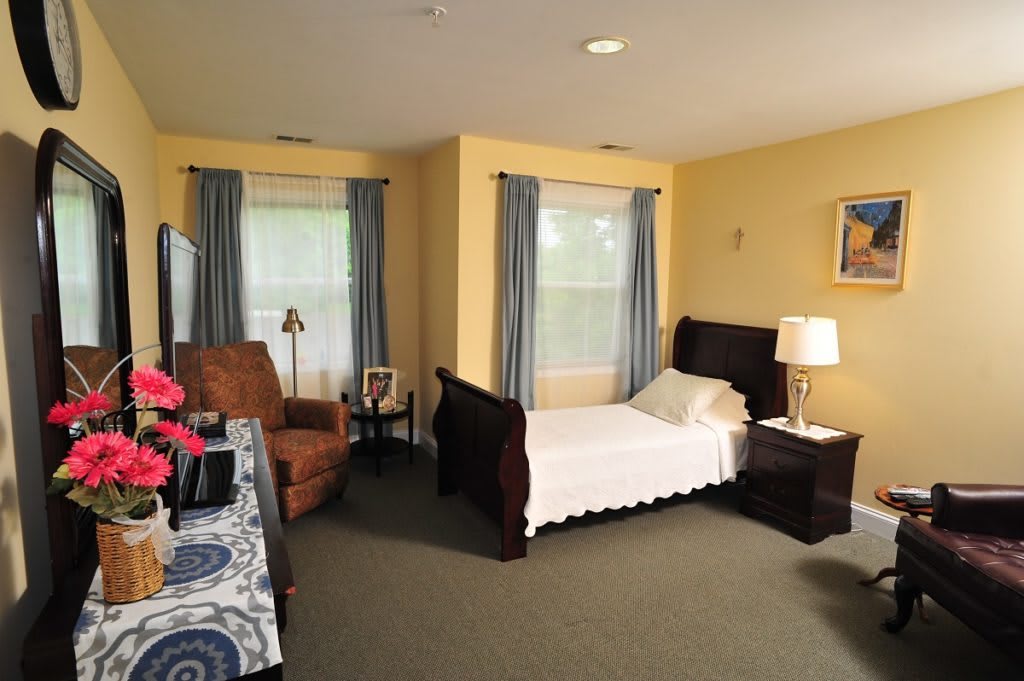
    A cozy bedroom featuring a single bed, armchair, and nightstand with a lamp, complemented by two windows with blue curtains.
  • Trees

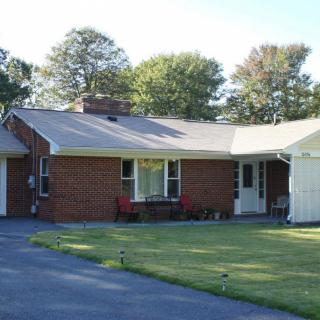
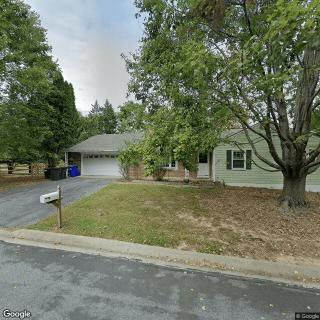
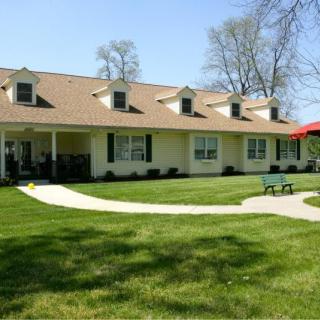
    A suburban house with a well-maintained lawn and a pathway leading to the entrance.
  • Windows

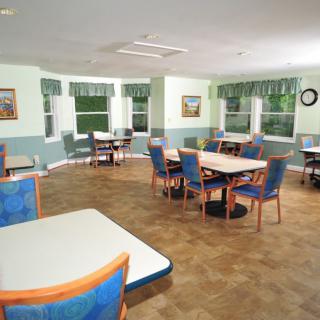
    An empty dining room with tables and chairs, featuring bright windows and curtains.
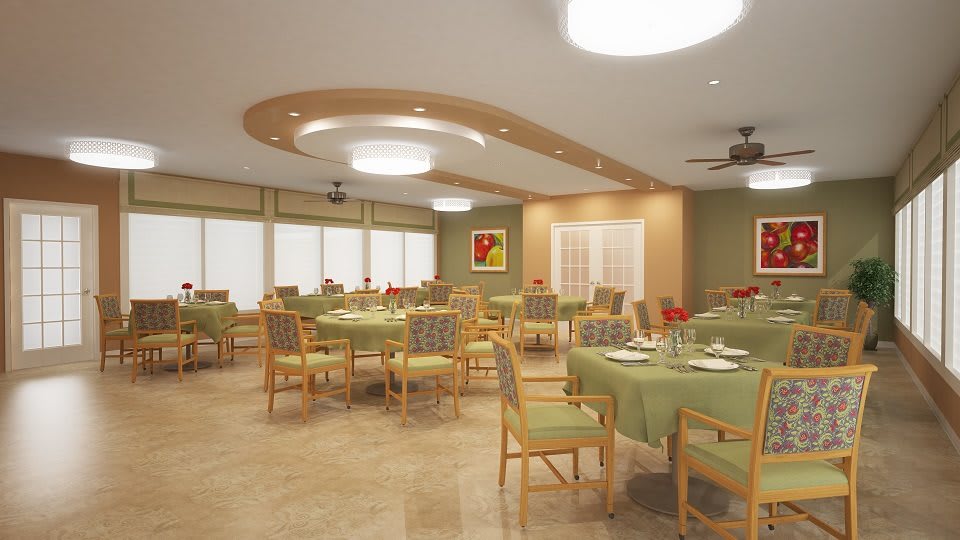
  • Dining

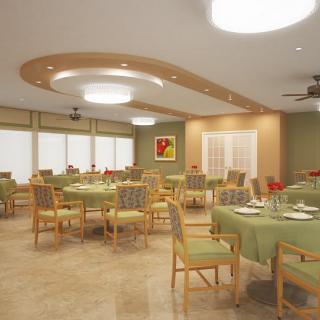
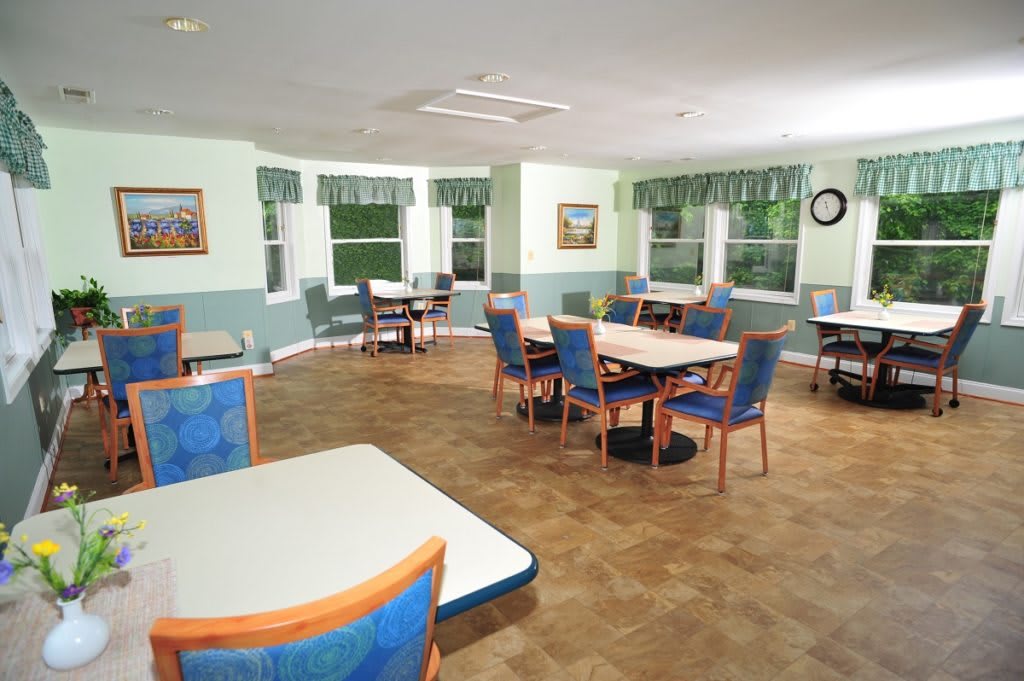
    A modern dining area with neatly arranged tables and chairs, featuring stylish lighting and decor.
  • Lighting

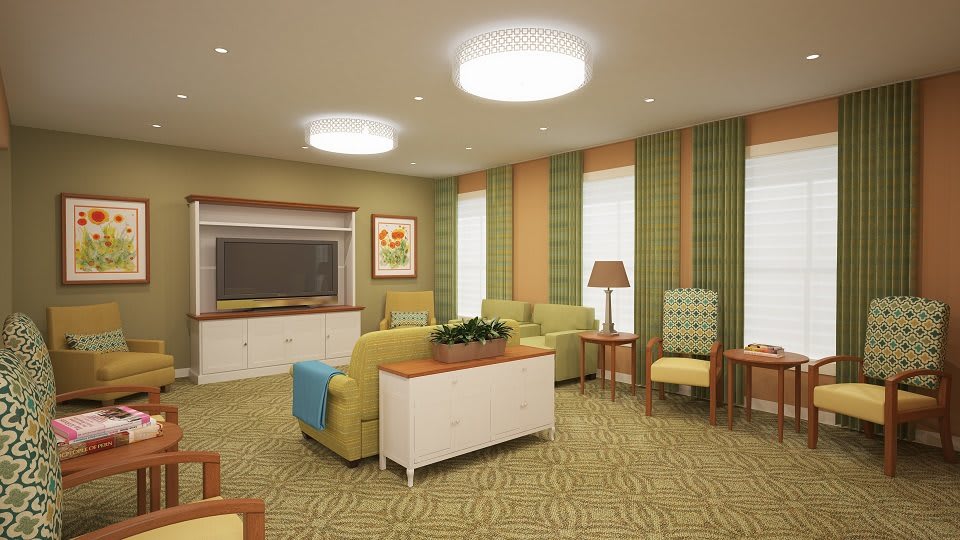
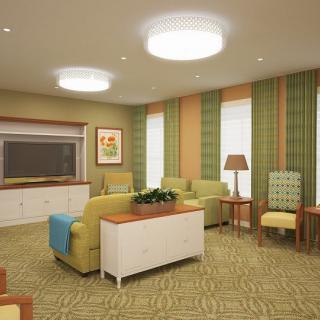
    A cozy living room with modern furniture and green accents.
  • Seating Area

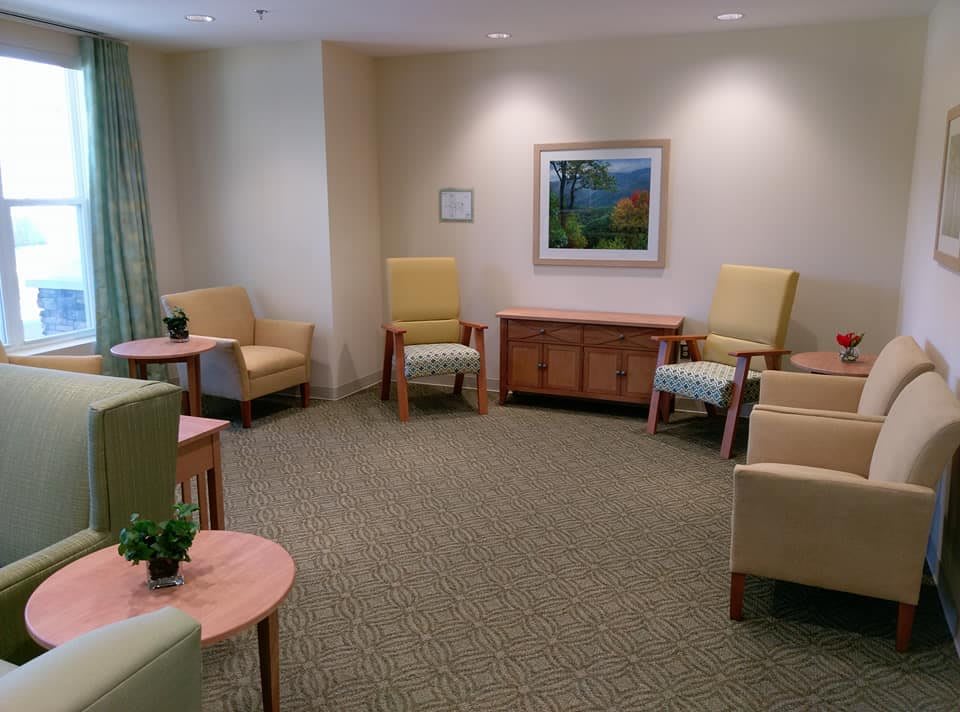
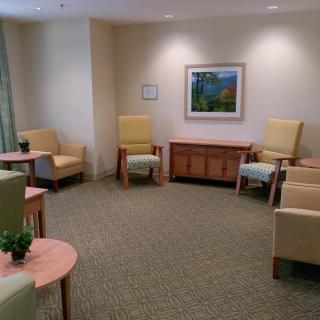
    A quiet waiting room with several chairs, small tables, and a painting on the wall.

Alfred House III in Rockville, MD

5313 Norbeck Road, Rockville, MD 20853

For more information about senior living options: (844) 490-3973

4.7 from 3 reviews
5 stars
2
4 stars
1
3 stars
0
2 stars
0
1 stars
0

Assisted Living Board and Care Home Memory Care

Alfred House III Costs & Pricing

Alfred House III offers competitive pricing compared to both Montgomery County and the broader state of Maryland. For semi-private accommodations, residents can expect to pay $4,100 per month, which is notably lower than the county average of $4,337 and offers a more attractive option when compared to the state's average of $3,545. When it comes to private rooms or studio apartments, Alfred House III maintains a consistent pricing structure at $4,600 for each type, which is more affordable than the county's private room cost of $5,009 and studio rate of $5,542. Overall, Alfred House III presents a compelling value for prospective residents seeking quality care in a comfortable environment while remaining mindful of their budget.

Floor plansAlfred House IIIMontgomery CountyMaryland
Semi-Private$4,100$4,337$3,545
Private$4,600$5,009$4,112
Studio$4,600$5,542$4,656

What level of care are you interested in?

Assisted Living

Memory Care

Independent Living

Skilled Nursing Facility

Continuing Care Retirement Community (CCRC)CCRC

Other


Request a tour at Alfred House III

    Overall Review of Alfred House III

    Pros

    • pro The staff at Alfred House handle residents with diligent attention, sensitivity, and dignity.
    • pro The care provided is consistent and loving, giving families invaluable peace of mind.
    • pro The facility is described as having a homey, family-oriented feel that does not resemble a typical institution.
    • pro The home is located in a nice, safe neighborhood.
    • pro Residents receive awesome, personalized care with attentive staff.
    • pro Meals are prepared to meet residents' needs and health is well maintained.
    • pro Staff are courteous and helpful, communicating clearly about residents' status.
    • pro Medical needs are provided on-site by on-call practitioners.
    • pro The care is offered at very reasonable costs with no hidden fees.

    Cons

    • pro There were staff members who were not very nice.
    • pro The facility did not encourage participation in activities, so the resident did not engage.
    • pro The promised pet therapy program was not used.
    • pro There seemed to be fewer activities available or promoted than expected.

    Review

    Alfred House III in Rockville, MD, is best suited for families seeking a compact, home-like assisted living experience with strong dementia-awareness and mobility support. The community earns its reputation through a genuinely warm, family-oriented atmosphere set in a safe, residential neighborhood, where residents are treated with dignity and consistent, attentive care. Crucially, families receive regular updates and reassurance - staff alertness and leadership are noted day and night. This isn't a clinical corridor of care; it feels more like a trusted home where long-term residents with complex needs can stay engaged and supported. For families prioritizing personal attention, continuity, and peace of mind over institutional polish, Alfred House III is a compelling fit.

    That said, this setting may not be the best match for everyone. Families seeking a highly structured activities calendar or robust daily programming may find the activity slate under-promoted. There's also a drift toward variability in staff interactions: some caregivers stand out as exceptional, while others are less personable, which can influence daily experiences. Those who want every day to resemble a therapy or social hour might need to explore facilities with more aggressive programming or larger teams. Finally, if outdoor time and frequent supervised outings are non-negotiable, some residents may feel the campus falls short on those opportunities, despite a pleasant outdoor patio area.

    On the upside, the top advantages center on a homey, non-institutional feel, and the dignified, person-centered care observed across dementia-focused cases. Families consistently note meticulous attention, sensitivity, and a steady, respectful approach that keeps real quality-of-life in view. Medical needs are addressed on-site by on-call practitioners, reducing the friction of hospital-like transfers, and the care team communicates clearly about health changes or weight, nutrition, and hydration needs. Food is prepared with attention to individual requirements, and weight management is often well maintained, which matters enormously for residents with chronic conditions. The overall package translates into genuine peace of mind for families during challenging times.

    Cost is another significant pro. The care is described as very reasonable for the level of attention provided, with no hidden fees or dramatic annual increases. This combination - personalized care and transparency - enables families to allocate resources toward long-term stability rather than surprise financial shifts. The presence of a medically capable staff, plus careful monitoring of well-being, reinforces that Alfred House III can sustain high-quality dementia care without sacrificing financial predictability. The caveat is that residents who crave a bustling social schedule or more consistent warmth from every caregiver may perceive the day-to-day routine as quieter or less engaging than hoped, even though the staff commitment remains strong.

    Families evaluating this community should ask pointed questions upfront: how many staff are assigned per shift, and how consistent is the quality across shifts? what is the actual cadence of organized activities, and who coordinates outings or pet therapy sessions? can the dining program accommodate specific dementia-related dietary needs, and how is weight and hydration tracked? It's wise to tour during mealtime and activity periods to gauge interaction quality and resident engagement. Given the on-site medical support and the depth of dementia experience described, Alfred House III makes a practical choice for those prioritizing dignity, safety, and transparent communication over a packed social calendar.

    Overall, Alfred House III is strongest for families seeking a small, homelike setting where a loved one with dementia can live with dignity, while families benefit from honest communication and reasonable pricing. It is a particularly good match when caregivers value relational warmth, consistent oversight, and on-site medical oversight more than high-energy programming. Those who cannot compromise on daily social stimulation, or who require uniformly outstanding staff across every shift, should compare alternatives with larger staffs and more scheduled activities. For appropriate cases, this community offers a grounded, steadier path through dementia care - an anchored choice in a landscape that can otherwise feel unsettled.

    Features

    Housing

    • 8 resident community capacity 8 resident community capacity

    Types of Care

    • Assisted Living Assisted LivingAssisted living facilities provide crucial support and care for seniors who may need help with daily tasks such as medication management, bathing, and meal preparation. These communities offer a safe and comfortable environment where seniors can maintain their independence while receiving the assistance they need to thrive in their golden years.
    • Board and Care Home Board and Care HomeBoard and care homes provide a smaller, more intimate setting for seniors who require assistance with daily tasks but do not need the level of care offered by a nursing home. They offer personalized care, meals, and social activities in a homelike environment, ensuring that seniors receive individualized attention and support in their golden years.
    • Memory Care Memory CareMemory care is crucial for seniors as it provides specialized support and services for individuals with dementia or Alzheimer's disease. These programs offer a safe and secure environment where residents receive personalized care, cognitive stimulation, and help with daily activities. Memory care helps seniors maintain their independence, quality of life, and dignity while also providing peace of mind for their families.

    Amenities

    • Cable or satellite TV Cable or satellite TVCable or satellite TV is important for seniors because it provides entertainment, news, and companionship, helping to combat loneliness and boredom. It also offers a wide range of programming options tailored to different interests and preferences.
    • Dining room Dining roomDining rooms are important for seniors as they provide a space for socialization, connection, and nutritious meals. They offer opportunities for residents to bond over shared meals, foster a sense of community, and promote healthy eating habits. Dining rooms also ensure that seniors have access to well-balanced meals tailored to their dietary needs and preferences.
    • Fully furnished Fully furnishedFully furnished senior living communities are important for seniors because they provide convenience, comfort, and a hassle-free moving experience. Seniors can easily settle into their new living space without the stress of having to buy and move furniture. This allows them to focus on enjoying their new home and community.
    • Garden GardenGardens are important for seniors as they provide a peaceful and therapeutic environment for relaxation, physical activity, and socialization. Being in nature has been shown to reduce stress, improve mood, and promote overall well-being. Gardens also offer opportunities for seniors to engage in gardening activities, which can improve mobility, flexibility, and cognitive function. Additionally, gardens create a sense of community and connection with others who share a passion for plants and outdoor spaces.
    • Housekeeping services Housekeeping servicesHousekeeping services are important for seniors because they help maintain a clean and safe living environment, promote independence, and reduce the risk of accidents or illnesses. Additionally, having assistance with household chores can alleviate physical strain and allow seniors to focus on other aspects of their well-being.
    • Move-in coordination Move-in coordinationMove-in coordination is important for seniors because it helps ease the transition into their new living environment. It ensures that all logistics, such as packing, organizing movers, and setting up utilities are taken care of, allowing seniors to focus on settling in and adjusting to their new home. Having a smooth move-in process can alleviate stress and anxiety, making the transition smoother and more enjoyable for seniors.
    • Outdoor space Outdoor spaceOutdoor spaces are important for seniors as they provide opportunities for physical activity, social interaction, exposure to natural light and fresh air, and a sense of connection to nature. Having access to outdoor spaces can improve overall well-being and quality of life for older adults living in senior communities.
    • Private PrivatePrivacy is important for seniors as it allows them to maintain their independence, dignity, and sense of control over their own lives. It also gives them the space and freedom to relax, reflect, and engage in activities that bring them joy and fulfillment. Creating private spaces within senior living facilities is crucial for promoting overall well-being and quality of life.
    • Telephone TelephoneTelephones are important for seniors as they provide a lifeline for communication with loved ones, emergency services, and healthcare providers. They offer a sense of security and independence, enabling seniors to stay connected and access assistance when needed.
    • Wi-Fi/high-speed internet available Wi-Fi/high-speed internet availableWi-Fi/high-speed internet is important for seniors to stay connected with loved ones, access online resources, and participate in virtual activities to combat feelings of loneliness and isolation. It also allows them to easily manage healthcare needs, access entertainment, and engage in lifelong learning opportunities.

    Transportation

    • Ronald Reagan Washington National (17 miles away) Ronald Reagan Washington National (17 miles away)
    • Washington Dulles International (21 miles away) Washington Dulles International (21 miles away)
    • Baltimore-Washington International (24 miles away) Baltimore-Washington International (24 miles away)

    Care Services

    • 24-hour supervision 24-hour supervision24-hour supervision is important for seniors to ensure their safety, well-being, and access to immediate assistance in case of emergencies or health issues. This constant support provides peace of mind for both seniors and their loved ones, allowing them to age in place with dignity and security.
    • Activities of daily living assistance Activities of daily living assistanceActivities of daily living assistance are important for seniors because they provide essential support with tasks such as eating, bathing, dressing, and mobility. This assistance helps seniors maintain their independence, dignity, and overall quality of life as they age.
    • Assistance with bathing Assistance with bathingAssistance with bathing is crucial for seniors as it helps maintain personal hygiene, prevents infections, and ensures their overall well-being and comfort. It also provides a sense of dignity and independence for seniors who may struggle with this task on their own.
    • Assistance with dressing Assistance with dressingAssistance with dressing is important for seniors because it helps maintain their independence, promotes personal hygiene, prevents accidents and injuries, and improves overall quality of life. This service ensures that seniors can continue to dress comfortably and confidently, despite any physical limitations they may have.
    • Assistance with transfers Assistance with transfersAssistance with transfers is crucial for seniors as it helps prevent falls and injuries, maintains their independence, and ensures they can safely navigate their living environment. It also provides peace of mind for both seniors and their loved ones.
    • Coordination with health care providers Coordination with health care providersCoordination with health care providers is crucial for seniors to ensure proper medical care, medication management, and overall well-being. This collaboration helps prevent overlapping treatments, track progress more effectively, and provide comprehensive support tailored to individual needs.
    • Diabetes diet Diabetes dietA diabetes diet is crucial for seniors as it helps manage blood sugar levels, reduce risks of complications, and improve overall health and well-being. By following a balanced and nutritious diet tailored to their specific needs, seniors can better control their diabetes and enhance their quality of life.
    • Diabetic care Diabetic careDiabetic care is crucial for seniors as they are more susceptible to developing diabetes due to aging and other health conditions. Proper management of diabetes can help prevent complications such as heart disease, vision loss, and nerve damage, improving the overall quality of life for seniors in senior living communities.
    • Meal preparation and service Meal preparation and serviceMeal preparation and service are crucial for seniors as they may have limited mobility or energy to cook nutritious meals. Having access to healthy and convenient food options can ensure they are getting the proper nutrition needed to maintain their overall health and well-being.
    • Medication management Medication managementMedication management is crucial for seniors to ensure they are taking the right medications at the correct dosages and times. This helps prevent adverse drug interactions, reduces the risk of medication errors, and promotes overall health and well-being. Proactive management also allows for adjustments as needed based on changing health conditions or new prescriptions.
    • Special dietary restrictions Special dietary restrictionsSpecial dietary restrictions are important for seniors because age-related changes in metabolism and health conditions can make it difficult for their bodies to process certain foods. By following a diet tailored to their specific needs, seniors can maintain their overall health and well-being, manage chronic conditions, and reduce the risk of complications such as malnutrition or food interactions with medications.
    • Transportation arrangement (medical) Transportation arrangement (medical)Transportation arrangements for medical purposes are essential for seniors as they may have difficulty driving themselves to appointments or accessing public transportation. Having reliable and safe transportation options ensures that seniors can receive timely medical care and maintain their health and well-being.
    • Transportation to doctors appointments Transportation to doctors appointmentsTransportation to doctors' appointments is crucial for seniors as it ensures they have access to necessary medical care and support for their health needs. Without reliable transportation, seniors may struggle to attend important appointments, leading to potential delays in treatment and health complications. Providing transportation services helps seniors maintain their overall well-being and quality of life.
    Dining

    • Diabetes diet Diabetes dietA diabetes diet is crucial for seniors as it helps manage blood sugar levels, reduce risks of complications, and improve overall health and well-being. By following a balanced and nutritious diet tailored to their specific needs, seniors can better control their diabetes and enhance their quality of life.
    • Special dietary restrictions Special dietary restrictionsSpecial dietary restrictions are important for seniors because age-related changes in metabolism and health conditions can make it difficult for their bodies to process certain foods. By following a diet tailored to their specific needs, seniors can maintain their overall health and well-being, manage chronic conditions, and reduce the risk of complications such as malnutrition or food interactions with medications.

    Activities

    • Community-sponsored activities Community-sponsored activitiesCommunity-sponsored activities are important for seniors as they provide opportunities for social interaction, mental stimulation, and physical activity. These activities can help improve overall well-being, combat loneliness and isolation, and promote a sense of belonging and purpose among older adults.
    • Scheduled daily activities Scheduled daily activitiesScheduled daily activities are important for seniors because they provide structure, socialization, mental stimulation, and physical activity. Engaging in regular activities can improve overall well-being and quality of life for seniors living in a community setting.

    Description

    Alfred House III, located in Rockville, MD, is a board and care home that also provides memory care services. The community offers a range of amenities to ensure the comfort and well-being of its residents. The dining room provides nutritious meals tailored to meet special dietary restrictions. Each living space comes fully furnished, and housekeeping services are provided to maintain a clean and organized environment. Residents can enjoy the outdoor space and garden for relaxation or socializing. Wi-Fi/high-speed internet and telephone services are available for communication needs.

    The dedicated staff at Alfred House III provides assistance with activities of daily living, including bathing, dressing, and transfers. They also coordinate with health care providers to ensure that residents receive proper medical attention. For individuals with diabetes, the community offers specialized care and follows a diabetes diet. Medication management is provided to ensure that medications are taken as prescribed.

    Transportation arrangements are made for medical appointments, allowing residents to conveniently access necessary healthcare services. In addition to this, the community is located near various amenities such as cafes, parks, pharmacies, restaurants, transportation options, places of worship, and hospitals.

    At Alfred House III, residents can participate in scheduled daily activities designed to promote engagement and socialization among peers. Whether it's enjoying a cup of coffee at nearby cafes or exploring nature in the nearby parks, there are plenty of opportunities for residents to experience a fulfilling lifestyle in this assisted living community.

    Nearby Places of Interest

    This part of Rockville, Maryland offers a diverse range of amenities and services that cater to the needs of seniors. With multiple restaurants such as Silver Diner and Founding Farmers nearby, residents can enjoy a variety of dining options. There are also several medical facilities in close proximity, including Potomac Valley Orthopedic and Montgomery Internal Medicine, providing easy access to healthcare services. Additionally, the area boasts well-maintained parks like Rock Creek Regional Park and Winding Creek Local Park for outdoor recreational activities. Public transportation options such as the Rockville Metro Station and Hertz Rent A Car make it convenient for seniors to navigate the area. Places of worship like Saint Andrew Kim Catholic Church offer spiritual support, while cafes like Starbucks provide a relaxing environment for socializing. Nearby hospitals like Adventist HealthCare Shady Grove Medical Center ensure quick access to emergency medical care when needed. Overall, this neighborhood in Rockville is a vibrant and convenient location for senior living.

    Restaurants

    • McDonald's (1.6 miles)
    • Peter's Grill (2.2 miles)
    • McDonald's (2.3 miles)
    • Sichuan Pavilion (2.4 miles)
    • Silver Diner (2.8 miles)
    • Founding Farmers (3.7 miles)
    • Cava (4.4 miles)

    Physicians

    • Potomac Valley Orthopedic (1.8 miles)
    • Occupational Health Consultants (4.5 miles)
    • The Centers For Advanced Orthopaedics (4.5 miles)
    • Montgomery Internal Medicine (4.5 miles)
    • Potomac Pediatrics (4.9 miles)
    • Family Allergy & Asthma Care (6.6 miles)
    • Kane Howard MD (6.6 miles)

    Pharmacies

    • CVS Pharmacy (2 miles)
    • CVS Pharmacy (2.3 miles)
    • Walgreens (2.5 miles)
    • CVS Pharmacy (2.5 miles)
    • Walgreens (3.1 miles)
    • CVS Pharmacy (3.2 miles)
    • Walgreens (3.7 miles)

    Parks

    • Rock Creek Regional Park (2.2 miles)
    • Winding Creek Local Park (3 miles)
    • Georgian Forest Park & Tennis Courts (3 miles)
    • Falls Road Park (4.4 miles)
    • Bohrer Park (5.3 miles)
    • Aberdeen Park (8.1 miles)
    • Chevy Chase Park (8.4 miles)

    Transportation

    • Rockville Metro Station (2.3 miles)
    • Hertz Rent A Car (2.4 miles)
    • Twinbrook Metro Station (2.5 miles)
    • Shady Grove Metro Station (3.4 miles)
    • Glenmont Metro Station (3.8 miles)
    • Grosvenor-Strathmore Metro Station (4.7 miles)
    • Forest Glen Metro Station (6.6 miles)

    Places of Worship

    • Saint Andrew Kim Catholic Church (4.4 miles)
    • Rockville Evangelical Mission (4.7 miles)
    • Church of the Redeemer (5.9 miles)
    • Christ Congregational Church (7.6 miles)

    Cafes

    • Starbucks (4.6 miles)
    • Silver Diner (5 miles)
    • Starbucks (5.1 miles)
    • Starbucks (6 miles)
    • Starbucks (6.9 miles)
    • Starbucks (7.5 miles)
    • Tatte Bakery & Cafe (8 miles)

    Hospitals

    • Adventist HealthCare Shady Grove Medical Center (4.9 miles)
    • Holy Cross Hospital (6.9 miles)

    Theaters

    • AMC DINE-IN Rio Cinemas 18 (5 miles)
    • AMC Montgomery 16 (5.5 miles)

    Frequently Asked Questions

    How much does it cost to live at Alfred House III in Rockville, MD?
    Where is Alfred House III?
    Does Alfred House III provide care for residents with dementia or Alzheimer's disease?
    What photos are available for Alfred House III in Rockville, Maryland?

    Nearby Communities

    • Aberdeen House III

      Aberdeen House III

      Rockville, MD

      4.3 from 3 reviews
      $3,000 to $4,000 / month

      pro Comfortable, adaptable room with a private patio entrance.

    • La Familia

      La Familia

      Rockville, MD

      4.7 from 13 reviews
      $2,800 to $3,800 / month

      pro Competitive pricing for semi-private and private rooms compared with local county and state averages.

    • Serenity Assisted Living II

      Serenity Assisted Living II

      Rockville, MD


      pro High-acuity care with 24/7 staff and engaging activities

    • Aberdeen House II

      Aberdeen House II

      Rockville, MD

       
      $2,500 / month

      pro Affordable private rooms with comprehensive care and convenient services (meals, medication management, transportation, move-in support).

    • An An Assisted Living II

      An An Assisted Living II

      Rockville, MD

      5 from 3 reviews
      $4,500 / month

      pro RN-led, dedicated staff with proactive family communication.

    • Serenity Assisted Living

      Serenity Assisted Living

      Rockville, MD

       
      $10,000 / month

      pro Comprehensive care services with engaging on-site/off-site activities and respite stays.

    • BrightStar Healthcare

      BrightStar Healthcare

      Rockville, MD

      4.8 from 62 reviews
      $3,650 / month

      pro Compassionate, skilled caregivers with reliable substitute coverage.

    • Layhill Nursing And Rehabilitation Center

      Layhill Nursing And Rehabilitation Center

      Silver Spring, MD


      pro Extensive amenities and around-the-clock care with engaging activities.

    • Homecrest

      Homecrest

      Silver Spring, MD

      4.6 from 9 reviews
      $3,000 to $4,000 / month

      pro Clean, welcoming environment with long-tenured, compassionate staff.

    Related Resources

    • does medicaid pay for assisted livingHow and When Medicaid May Cover Assisted Living Costs

      Medicaid coverage for assisted living varies by state and is primarily available to low-income individuals, with eligibility dependent on strict income and asset limits. Some states offer HCBS waivers for specific services in assisted living, but families must generally cover room and board costs, and should verify facility acceptance of Medicaid while considering potential waiting lists.

    • assisted living waiver programA Detailed Exploration of Assisted Living Medicaid Waivers Across the United States

      Medicaid waivers for assisted living services provide vital support for seniors and individuals with disabilities in need of long-term care, with varying state-specific eligibility criteria and benefits. These waivers cover personal care and case management but often do not fully cover room and board, leading to waiting lists for many applicants.

    • assisted living vs skilled nursingExploring the Contrasts Between Assisted Living and Skilled Nursing
      The article compares assisted living and skilled nursing facilities, detailing their differing levels of assistance, medical support, cost structures, and day-to-day experiences. It emphasizes that assisted living is for those needing help with daily activities while maintaining independence, whereas skilled nursing facilities provide intensive medical care with 24-hour staff supervision.


    Get Pricing Ask A Question Schedule A Tour Contact Senior Advisor