
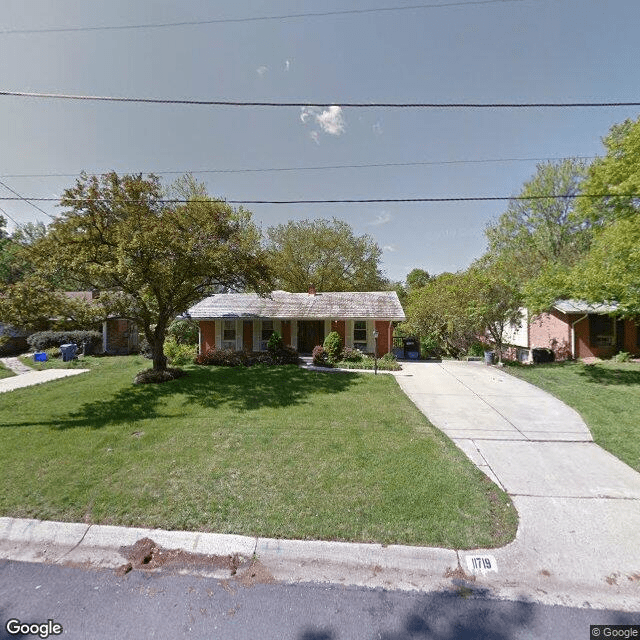
11719 Devilwood Drive, Potomac, MD 20854
For more information about senior living options: (866) 208-4318
Potomac Gardens Costs & Pricing
Potomac Gardens offers competitive pricing for its accommodations, with monthly costs consistently set at $3,000 across all room types - private, studio, and one-bedroom. When compared to the broader market in Montgomery County and the state of Maryland, Potomac Gardens presents a notable value. For example, private rooms in Montgomery County are priced at $5,009 and studios at $5,542, while statewide averages reflect similar trends with costs of $4,112 for private rooms and $4,656 for studios. Even the one-bedroom options at Potomac Gardens stand out at $3,000 compared to the county average of $4,842 and a state average of $3,904. This makes Potomac Gardens an attractive choice for residents seeking quality living arrangements without the financial strain often associated with similar facilities in the region.
| Floor plans | Potomac Gardens | Montgomery County | Maryland |
|---|---|---|---|
| Private | $3,000 | $5,009 | $4,112 |
| Studio | $3,000 | $5,542 | $4,656 |
| 1 Bedroom | $3,000 | $4,842 | $3,904 |
Memory care communities with a similar price nearby
-
from -$500 / mo

Amazing Grace Senior Care
$2,500 to $3,000 / month16.8 miles away -
from -$530 / mo
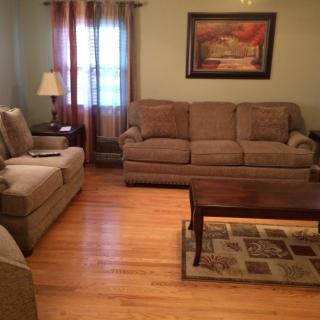
Ovalstone Comfort Home
$2,470 to $3,300 / month23.7 miles away -
from +$350 / mo

Paul Spring Retirement Community
$3,350 to $7,180 / month20.9 miles away -
About the same

Residences at Vantage Point CCRC
$3,000 to $4,709 / month20.6 miles away -
from +$500 / mo
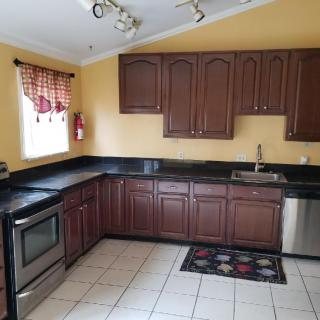
Able Plus Assisted Living
$3,500 to $5,000 / month8.8 miles away
Overall Review of Potomac Gardens
Pros
 The tour experience was great.
- The community was clean.
- The one-on-one care is fabulous.
- The resident is secure in a home setting.
- The resident has her own room.
- The home-cooked meals are enjoyed.
- This residential care home is highly recommended.
Cons
 The community did not feel right for their loved one.
Review
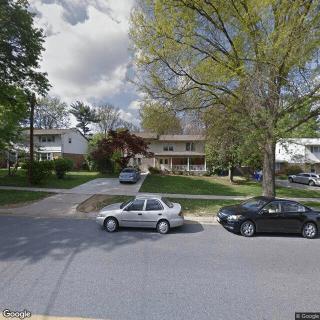
Potomac Gardens in Potomac, Maryland is best suited for seniors who want a compact, home-like environment where care feels intensely individualized. With only a handful of residents, the setting prioritizes privacy and daily attentiveness over bustle and spectacle. This community shines for families seeking someone to live with a real sense of residence rather than a hospital-like atmosphere: residents have their own rooms, meals are home-cooked, and caregivers can focus on tailored routines. It suits someone who enjoys light outings and practical support, shopping trips, familiar routines, secure surroundings, without sacrificing the comfort of private space.
However, families should consider alternatives if the priority is a more active community with broader programming, stronger on-site medical staffing, or a larger campus. The intimate scale may not satisfy those who crave a steady stream of organized activities, social opportunities with a wider peer group, or more robust clinical oversight. One family tour described the facility as clean and pleasant but not right for their loved one, underscoring that fit hinges on personal preferences for pace, stimulation, and level of independence. For residents who need more structured day programming, Potomac Gardens may feel too quiet or limited.
On the positive side, the primary advantage is unparalleled one-on-one care. With just four residents, staff can monitor moods, medications, and subtle health changes with remarkable responsiveness. The care feels practical and personal, and families observed genuine attentiveness to daily needs. The model enables meaningful outings, one resident was regularly taken shopping, and it reinforces security in a home-like setting where residents maintain ownership of private rooms. Meals are described as home-cooked, contributing to a sense of daily normalcy that can be a major comfort for seniors wary of institutional flavors.
Yet the same attributes that make Potomac Gardens appealing can also limit its appeal. The small scale may translate into fewer group activities, programs, or diverse social opportunities. Some residents may prefer a busier calendar or amenities typical of larger assisted living communities. Additionally, while the environment is secure and intimate, questions naturally arise about access to broader medical therapies, rehabilitative services, or on-call specialists if needs escalate. The reviews indicate very high satisfaction when the resident thrives in a home-like, low-stimulus setting, but that comes with a caveat for those who require more intensive support or interaction.
Decision-making should hinge on a clear needs assessment and a reality check about expectations. Prospective families should verify the exact staffing model and what “one-on-one” entails in practice, how staff ratios shift through the day, who coordinates outings, and how medical oversight is handled. Tour and post-visit conversations should probe for the resident’s sense of belonging, the privacy of rooms, meal quality, and the availability of timely assistance. It’s prudent to request a longer trial stay or sit-in with a current resident to gauge daily rhythms, and to map transportation, pharmacy coordination, and family visit flexibility against the loved one’s routines.
Overall, Potomac Gardens stands out for families seeking a truly intimate care arrangement, high-touch, private, home-inspired living with attentive staff and meaningful outings. It excels when independence is valued within a calm, secure frame and when one-to-one caregiving is the priority. For those who require a more dynamic activity calendar, broader medical services, or a larger community presence, alternatives deserve serious consideration. In the right match, Potomac Gardens can deliver a dignified, comfortable pace of life that preserves autonomy while ensuring dependable support; when it isn’t, alternatives will likely align better with the needed level of engagement and care.
 5 resident community capacity
 Assisted Living
 Board and Care Home
 Memory Care
 Activities on-site
 Cable or satellite TV
 Devotional services off-site
 Dining room
 Fully furnished
 Garden
 Housekeeping services
 Indoor common areas
 Move-in coordination
 Outdoor space
 Private
 Telephone
 Wi-Fi/high-speed internet available
 Ronald Reagan Washington National (16 miles away)
 24-hour supervision
 Ambulatory care
 Assistance with bathing
 Assistance with dressing
 Assistance with transfers
 Diabetes diet
 Diabetic care
 Meal preparation and service
 Medication management
 Special dietary restrictions
 Transportation arrangement (medical)
 Transportation to doctors appointments




 8 Key Indicators That Suggest It May Be Time to Transition from Assisted Living to Skilled Nursing Care
 Nourishing the Mind: Essential Dietary Approaches for Dementia
 Understanding Dementia Behaviors: Practical Insights and Strategies for Caregivers