

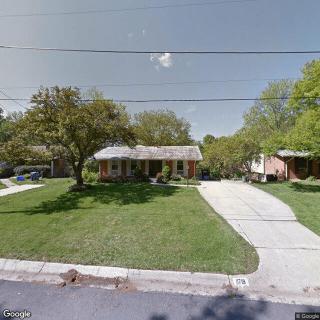
11810 Seven Locks Road, Potomac, MD 20854
To contact a resident: (240) 706-0421
For more information about senior living options: (866) 208-4318
Overall Review of Joseph Home Assisted Living
Pros
 The care at Joseph Assisted Living Elder Care Inc. has been excellent.
- The care program developed for the resident has rehabilitated her bed sore wounds.
- The owners and staff are attentive to questions and concerns.
- The care level is 95 out of 100.
- The staff provide good care, including appetizing meals and maintaining cleanliness.
- Families greatly appreciate Mr. and Mrs. Leonard and the staff.
Cons
 The mother had severe bed sores on her hip and foot from her stay at a previous elder care home.
Review
Joseph Home Assisted Living in Potomac is best suited for families seeking highly attentive, hands-on caregiving with a clear rehabilitative focus. The residents who benefit most are those whose daily well-being hinges on frequent check-ins, individualized care plans, and a responsive team that can translate medical ideas into practical daily routines. The available feedback points to a pattern of engaged staff and leaders who stay close to the needs of each resident, delivering care that can drive real health improvements, particularly after wounds or skin breakdown. For families navigating power-of-attorney arrangements, the facility’s leadership and communication style appear aligned with the practical demands of guardianship, offering a level of reassurance that care decisions are grounded in daily, actionable oversight.
Alternatives may be worth considering for residents requiring heavier medical oversight or broader memory-care programming, or for families who prioritize a larger campus with more extensive activity options. The reviews highlight exceptionally focused, personalized care and a strong daily living standard, but they do not showcase a wide medical footprint. If the priority is access to on-site physicians with round-the-clock visibility or more formalized geriatric or memory-care services, other options may better fit. A smaller, family-influenced operation can be a real strength for warmth and responsiveness, yet it may come with fewer formal systems or ancillary services than larger, multi-site communities.
Two strong positives stand out in the caregiving model: a rehabilitative orientation that yields tangible health gains, and a daily living environment that emphasizes feeding and cleanliness with evident attentiveness. The acting POA reports excellent care and credits a targeted care plan with healing severe wounds, while family members describe meals that smell appealing and a consistently clean, well-maintained setting. The owners, Mr. and Mrs. Leonard, alongside staff, receive explicit commendation for being attentive to questions and concerns. This combination, clinical focus paired with dependable daily care, creates a compelling case for residents who want measurable improvements alongside reliable, everyday comfort.
That strength, however, rests on sustained leadership involvement and a capable, steady caregiving team. A smaller, family-owned operation can thrive on close-knit accountability, but continuity across shifts and changes in personnel remains a potential vulnerability. The high care level cited, 95 out of 100, signals a robust, well-documented program, yet it also suggests sensitivity to staffing dynamics and consistency over time. Prospective residents should verify current staffing patterns, turnover rates, and the exact nature of on-site medical support during visits, ensuring that the present strength does not waver with circumstances.
Practical due diligence provides a useful roadmap. Visitors should observe interactions between staff and residents, request recent progress notes, especially regarding wound care and recovery trajectories, and scrutinize the care plan workflow. Inquire about day and night staff ratios, and confirm whether on-site nursing support exists or if a clear on-call protocol is in place. Dietary routines deserve attention beyond meals’ aroma, including hydration monitoring and accommodations for dietary restrictions. Given the positive feedback on cleanliness and nourishment, families should confirm consistent grooming, laundry, and scent/skin-sensitivity practices to avoid any incongruence between ideals and daily reality.
For families prioritizing credible, hands-on care with tangible health gains, Joseph Home Assisted Living stands out in Potomac. It delivers a persuasive blend of targeted clinical attention and solid daily living quality, with real-world improvements in wounds and robust caregiver responsiveness. Those needing deeper medical oversight, broader social programming, or a larger facility footprint should compare alternatives to ensure medical and social needs align with expectations. In the end, the decision hinges on whether the resident’s care needs align with the facility’s strengths in rehabilitative care, personal attention, and reliable day-to-day maintenance.
 Activities on-site
 Devotional services off-site
 Indoor common areas
 Ronald Reagan Washington National (15 miles away)
 Ambulatory care
 Diabetic care
 Meals provided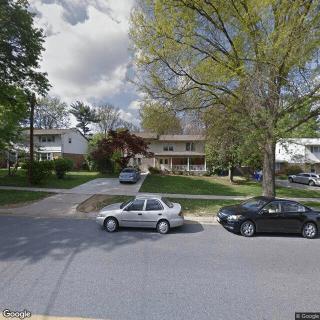


 Fecal Incontinence in Older Adults: A Comprehensive Guide
 Recognizing the Journey: Understanding and Navigating Anticipatory Grief
 Encouraging Participation in Adult Day Care: A Guide to Supporting a Hesitant Parent