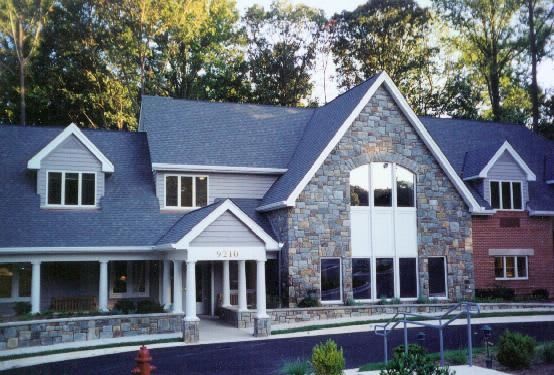
9210 Kentsdale Drive, Potomac, MD 20854
For more information about senior living options: (866) 208-4318
Byron House Costs & Pricing
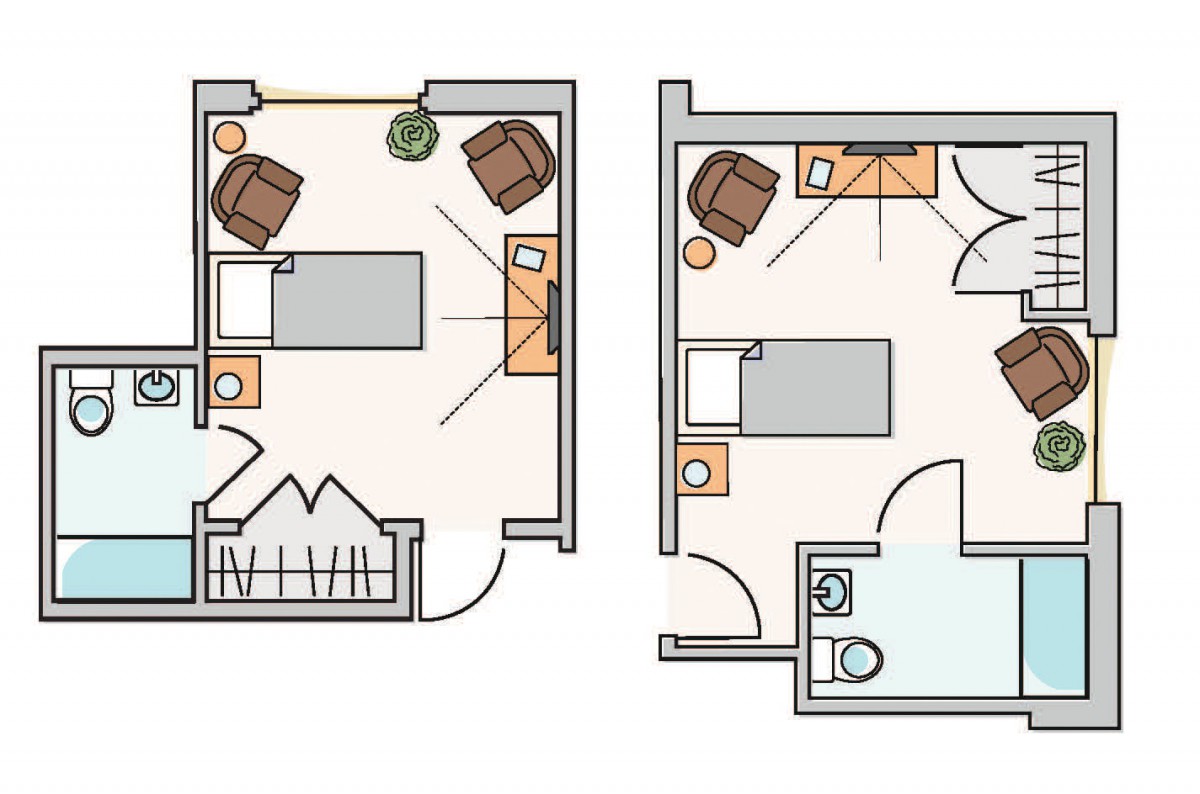
Byron House offers competitive pricing for its semi-private and studio accommodations, with costs closely aligning with the broader market in Montgomery County and the state of Maryland. For a semi-private room, residents at Byron House pay $4,300 per month, which is slightly lower than the county average of $4,337 yet higher than the state average of $3,545. In contrast, the monthly fee for a studio apartment at Byron House is $7,450, significantly exceeding both the county's average of $5,542 and Maryland's state average of $4,656. This pricing reflects the unique amenities and services provided by Byron House that cater to those seeking quality senior living.
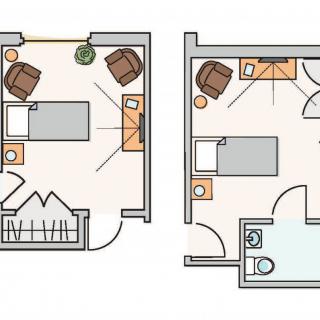
| Floor plans | Byron House | Montgomery County | Maryland |
|---|---|---|---|
| Semi-Private | $4,300 | $4,337 | $3,545 |
| Studio | $7,450 | $5,542 | $4,656 |
Assisted Living communities with a similar price nearby
-
from -$300 / mo

Catherine's House
$4,000 / month16.3 miles away -
from -$800 / mo
Best Home for Mom and Dad
$3,500 to $4,500 / month9.6 miles away -
from -$300 / mo
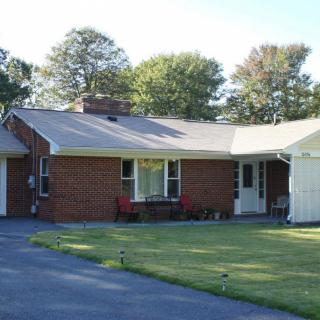
Montgomery Eldercare I
$4,000 to $5,900 / month11.4 miles away -
from +$700 / mo
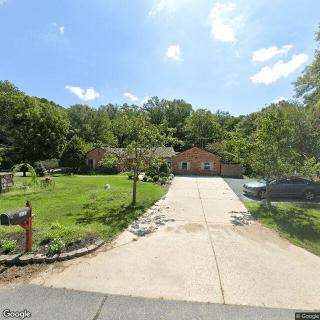
Necitas
$5,000 to $5,500 / month10.0 miles away -
from -$500 / mo
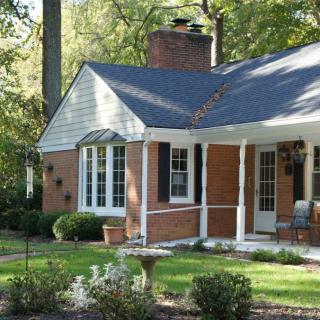
Montgomery Eldercare II
$3,800 to $5,000 / month11.1 miles away
Overall Review of Byron House
Pros
 The staff at Byron House are first rate, caring and compassionate.
- The rooms are beautiful, with some offering wooded views.
- The family is very happy with their selection.
- The staff remain friendly.
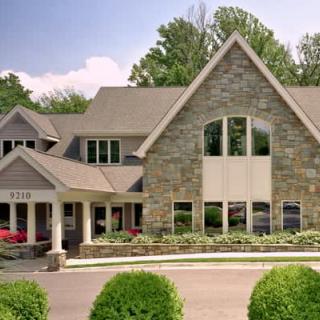
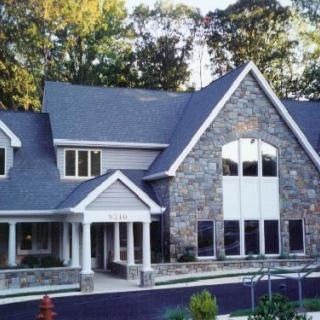
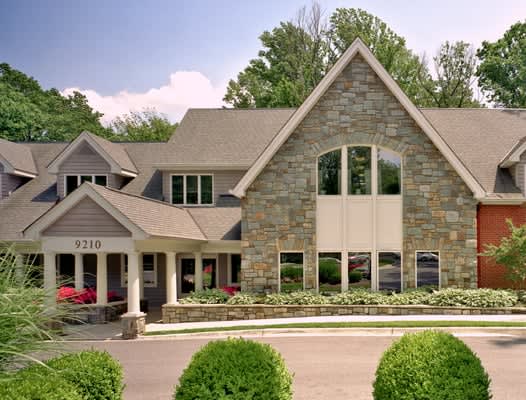
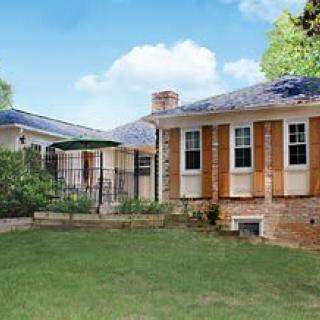
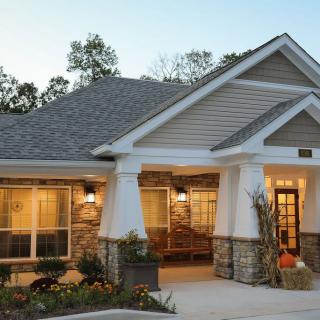
- Byron House looks like a large private residence and is very pretty.
- It provides a very personal type of care and has a good reputation.
- It holds social events and brings in entertainers or volunteers from the parish.
- It offers a van to take residents out to lunch, shopping, and movies.
Cons
 It had become very cold and institutional over the last year.
- It looked and felt like a nursing home, not a home.
- The reviewer would not want their mother to live there anymore.
Review
Byron House in Potomac, Maryland is best suited for seniors who want a warm, home-like assisted living experience where daily social engagement and personal attention are core strengths. The community presents as a small-to-mid-sized residential setting with about 30 residents, offering beautifully kept rooms (some with wooded views) and a calendar of events designed to keep residents connected, active, and socially engaged. It fits those who need help with daily tasks, medication management, and transportation to outings, yet still want to feel part of a welcoming, familial atmosphere rather than a clinical corridor.
Those who may want to consider alternatives are people who prize a modern, ultra-clinical environment or a non-religious setting. One review notes a shift toward a colder, more institutional vibe after staffing changes, suggesting that the atmosphere can drift away from a home-like feel at times. For families prioritizing a consistently contemporary aesthetic, or requiring a higher level of medical acuity and 24/7 skilled nursing, Byron House may fall short of expectations. A few residents’ families also weigh the Catholic affiliation differently, so non-denominational preferences could steer them toward other communities.
The strongest offsets to these concerns lie in the tangible daily strengths: genuinely caring, compassionate staff who attend to individual needs, and a level of personal assistance that can include dressing support and meticulous medication management. The setting is described as intimate enough to feel personalized, with residents receiving attentive care rather than being treated as numbers. The combination of social events, occasional entertainers, and parish volunteers helps sustain a sense of community. The availability of a dedicated transportation van further amplifies quality of life by enabling regular outings to lunch, shopping, and movies.
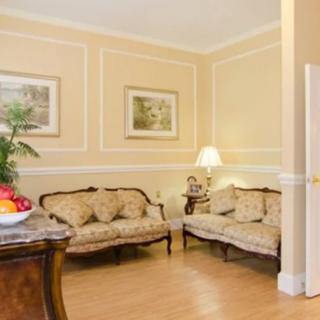
Religious programming and parish involvement emerge as meaningful complements for many families, adding a layer of community that extends beyond the dining room and activity calendar. When staff stability aligns with strong programming, Byron House effectively mitigates the risk of a stilted or clinical atmosphere. The home-like presentation, rooms that feel personal, common areas that encourage conversation, and a campus that resembles a private residence, consistently supports a comfortable, lived-in feel that many seniors and families seek in an assisted living setting.
To assess fit, focus on specific, practical factors during visits: ask about current staff turnover and training, and observe interactions between caregivers and residents at different times of day. Inquire about the care routines (dressing assistance, mobility support, medication protocols), the frequency and quality of social activities, and the ease of arranging transportation for errands or outings. Probe the religious component to determine how it resonates with the resident’s preferences, and request candid feedback from residents or family members who can speak to consistency of care and atmosphere over time. Request a sample week of activities, a tour of private rooms, and a visit to a mass or parish event if relevant.
Overall, Byron House stands out for families seeking a personable, home-oriented environment with attentive care, robust social programming, and a community rooted in faith-based activities. It is a compelling option for residents who place a premium on daily companionship, individualized support, and the reassurance of a close-knit staff. Those who require a more modern, clinical ambiance or greater medical capabilities, or who are not aligned with the Catholic-friendly vibe, should compare alternatives carefully and consider how important atmosphere and religious community are to long-term satisfaction. When the priorities center on warmth, personal attention, and an active social life within a faith-informed context, Byron House earns serious consideration as a practical, pragmatic choice.
 35 resident community capacity
 1-bedroom apartments
 Assisted Living
 Respite Care
 Cats allowed
 Dogs allowed
 Activities off-site
 Air-conditioning
 Beautician on-site
 Cable or satellite TV
 Devotional services off-site
 Dining room
 Fully furnished
 Garden
 Ground floor units
 Housekeeping services
 Indoor common areas
 Kitchenette
 Move-in coordination
 Outdoor common areas
 Restaurant-style dining
 Small library
 Telephone
 Wheelchair accessible showers
 Wi-Fi/high-speed internet available
 Ronald Reagan Washington National (13 miles away)
 24-hour call system
 Ambulatory care
 Assistance with bathing
 Assistance with dressing
 Assistance with transfers
 Diabetes diet
 Incontinence care
 Medication management
 Mental wellness program
 Special dietary restrictions
 Brain fitness
 Catholic services
 Day trips and outings
 Educational speakers / life long learning
 Happy hour
 Live musical performances
 Trivia games



 Medicare Coverage for Assisted Living: An In-Depth Exploration
 Choosing the Right Senior Care: A Detailed Exploration of Assisted Living and Nursing Homes
 Understanding the True Cost of Assisted Living in 2025: A Comprehensive Guide