
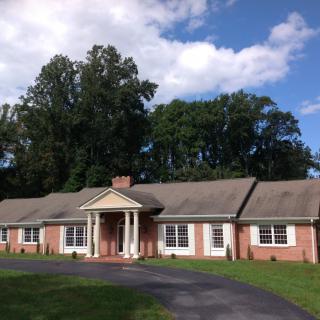
20 Riverwood Court, Potomac, MD 20854
For more information about senior living options: (866) 208-4318

Overall Review of Asheir Home Potomac
Pros
 The caregivers at Asheir Home are described as brilliant, delivering the utmost care to every resident.
- Pam Heir is caring and highly qualified, and she tailors the home to meet each resident’s needs.
- The facility has produced many happy stories and thankful families who would gladly trust Asheir Home with their loved ones.
- Asheir Home is an incredible boutique assisted living facility to place trust in for a loved one.
- The residents love Pam, and the staff are highly experienced with residents’ best interests at heart; the atmosphere is peaceful and the Potomac location is extraordinary, with an elevator.
- The home is well run, beautiful, and engaging, with leadership that is highly responsive to family concerns.
- The staff feel like extended family to residents, with Pam deeply involved in overseeing every aspect of the home.
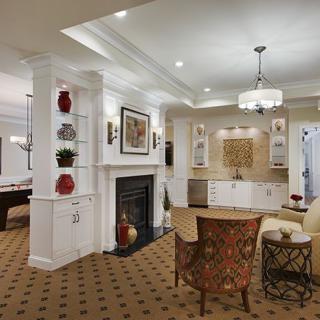
- The facility is clean, modern, renovated, and completely set up for the elderly, providing a safe and caring environment.
Cons
 The reviewers describe the period before Asheir as misery and stress while seeking care for their mother.
- They convey that they felt desperate, overwhelmed, and anxious during the search for assisted living.
- They admit to considering deceiving the mother by “tricking” her into accepting care.
- They note the rehab center was uncooperative, contributing to a miserable situation.
- The initial week at Asheir is described as rough, with the mother not cooperating at first.
- They confess to bracing themselves for abuse and stress from prior care experiences before finding Asheir.
Review
Asheir Home Potomac is best suited for families seeking a small, boutique assisted living setting where a loved one receives unusually attentive, customized care in a peaceful, home-like environment. It is especially well-matched to seniors who respond to direct access to the owner-operator and a tightly knit staff that treats residents as family. Geriatric expertise, particularly in addressing depression and related mood issues, is a clear strength here, with care plans that adapt to shifting needs rather than forcing residents into a rigid program. The Potomac location enhances stability and privacy, offering an upscale neighborhood backdrop that supports dignity and steady routines. For elders who benefit from intimate staffing, highly responsive communication, and a facility that prioritizes person-centered care over volume, this community is a compelling fit.
Those evaluating alternatives should consider the needs of residents who require larger-scale medical resources, a hospital-like cadence, or a broader calendar of activities. The boutique model, while outstanding in personal attention, may fall short for families seeking extensive on-site medical oversight, frequent therapy options, or a long-term capacity to absorb high acuity transitions without re-homing. In such cases, nearby larger assisted livings or specialized memory-care communities may offer the necessary scale and services that a smaller home cannot guarantee.
Pros are unmistakable: Pam Heir’s leadership is deeply involved, caring staff are described as brilliant, and the house itself feels peaceful and carefully maintained. The ability to tailor care to each resident, including those with dementia or mood disorders, produces outcomes that many families only dream of. The small scale enables precise attention, real accessibility to the physician and therapy teams, and a genuine sense of safety. The elevator and the well-kept interior reinforce ease of mobility and dignity. These strengths offset the lack of a larger staff or campus by delivering depth of care that can be more difficult to achieve in bigger settings.
Perhaps most persuasive are the real-world stories: a family facing significant behavioral and medical challenges described Asheir as a lifesaver, with Pam listening without judgment, coordinating an immediate move, and guiding transitions with patience. The transformation was remarkable, from agitation to calm, from isolation to engagement with grandchildren, and eventually a path that enabled a move to a different state with continued stability. Multiple reviewers note that residents develop bonds with Pam and the caregiving team, and that the atmosphere remains warm, engaging, and deeply respectful. The consistency of this sentiment across households underlines the facility’s capability to deliver sustained quality.
One practical caveat is that the boutique format may not be suitable for families needing round-the-clock hospital-level medical oversight or a bustling social ecosystem. Yet, the reviews repeatedly emphasize robust medical engagement, physician input, therapy services, and can-do responsiveness from leadership, which mitigates the concern for most cases. Families should verify the current care mix, the availability of specialists on-site, and the plan for transitions if higher acuity becomes necessary. The strongest reassurance comes from the owner’s visible presence, the documented willingness to tailor services, and the openness to adjust care as needs evolve.
For families prioritizing dignity, individualized attention, and a sense of belonging, Asheir Home Potomac stands out as a proven, practical choice. It rewards decisions made with thorough tours, direct conversations with Pam, and a clear understanding of care pathways, especially around dementia care and mood adjustment. If a loved one thrives in a smaller, family-like environment with a high level of personal accountability among staff, this community earns serious consideration. If, instead, the objective calls for a larger campus with extensive medical suites or a dense calendar of activities, alternatives deserve exploration. Prospective residents should schedule a visit, observe interactions in real time, and confirm contingencies for medical and therapeutic needs.
 8 resident community capacity
 Assisted Living
 Cable or satellite TV
 Dining room
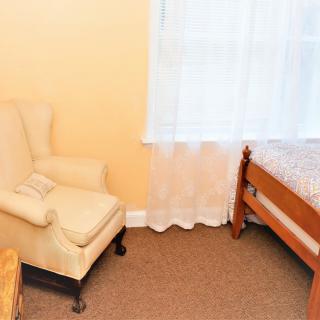
 Fully furnished
 Garden
 Housekeeping services
 Move-in coordination
 Outdoor space
 Telephone
 Wi-Fi/high-speed internet available
 Washington Dulles International (14 miles away)
 24-hour supervision
 Activities of daily living assistance
 Assistance with bathing
 Assistance with dressing
 Assistance with transfers
 Diabetes diet
 Meal preparation and service
 Medication management
 Special dietary restrictions
 Transportation arrangement (medical)
 Transportation to doctors appointments





 When to Transition from Assisted Living to Memory Care: Key Indicators, Steps, and Finding the Right Community
 Assisted Living and Memory Care: Understanding Their Core Differences
 Beyond the Bingo Hall: 50+ Enriching Activities for Seniors in Assisted Living