

7700 Oakleigh Road, Parkville, MD 21234
For more information about senior living options: (866) 208-4318
Overall Review of A Caring Place
Cons
 There was no security, and anyone could walk right in.
- Residents would have to be sent out for adult day care.
Review
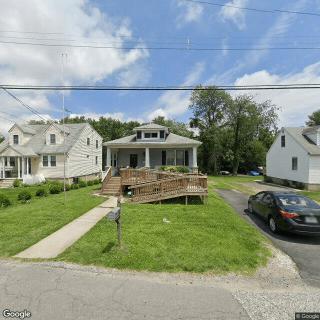
This community is best suited for families seeking a true home-like, intimate setting where a senior can receive highly personalized care from a small, close-knit team. A Caring Place feels like a private residence more than a traditional facility, with a simple Cape Cod-style home on a residential street and a fenced yard that supports relaxed, low-stress days. It works best for residents who are stable, not wander-prone, and who prioritize warmth, individual attention, and a sense of belonging over institutional amenities. The strongest case rests on caregiver devotion and the comfort of a familiar, homelike environment that can sustain a longer stay when a loved one’s health allows.
That said, a cautious evaluator should explicitly consider alternatives for seniors who require higher security or more structured programming. The most salient red flag in the feedback is the apparent lack of on-site security, with quotes noting “no security” and easy access. For families needing 24/7 on-site supervision, robust safety features, memory care capabilities, or a campus with formalized, on-site activities and transportation, it is prudent to look at larger assisted living communities or memory-care focused residences. If a loved one has dementia with wandering risk, or requires rapid escalation of medical oversight, this setting may not align with those needs.
The principal positives hinge on the remarkable, individualized care and the emotionally supportive environment. One resident’s family reports care that was “amazing” during a long stay of nearly ten months, underscoring staff dedication and compassionate attention. The small scale allows staff to know residents’ routines, preferences, and histories intimately, which often translates into timely, attentive responses and meaningful daily interactions. The simple, homey ambience, described as a small cape-style home with a fenced yard, creates a sense of safety and comfort that can ease transitions from independent living or hospital stays, particularly for those who fear impersonal, large-scale settings.
However, the cons are concrete and non-trivial. The lack of security is not a minor quibble in this space; it directly affects risk management for older adults who may be susceptible to wandering or who require controlled access to the residence. The need to coordinate external arrangements for adult day care suggests a gap in onsite programming, which may complicate daily schedules and place additional planning burdens on families. The limited footprint of a single home also implies fewer on-site resources, programming variety, and transportation options, which can limit social opportunities and timely responses to escalating needs.
These strengths do offset the drawbacks for a specific audience. For families prioritizing intimate relationships with caregivers, the comfort of a stable, small setting often outweighs the need for a campus feel or on-site day programs. The authentic, involved care can produce a high satisfaction level when family members are able to maintain a supervisory role, leverage outside day services, and collaborate closely with staff to tailor routines. The fenced yard and home environment reduce exposure to the impersonal overhead of larger facilities, while the dedicated caregivers can deliver nuanced support that large operations sometimes struggle to match.
For decision-makers, the practical path is clear: use this option when the priority is a warm, personalized approach and the loved one is relatively low risk in terms of wandering and medical complexity, with familial capacity to oversee arrangements for day activities and external services. Before committing, conduct a focused visit that centers on safety protocols, staff-to-resident ratios, and the feasibility of maintaining consistent care while arranging outside day programming. Ask targeted questions about emergency procedures, medication management, and whether any on-site professionals (nurses, aides) are available round-the-clock. If those answers satisfy safety and continuity concerns, A Caring Place can be a fitting, compassionate home for the right senior; if not, pursue alternatives with stronger security and structured programming to match higher care needs.
 10 resident community capacity
 Assisted Living
 Board and Care Home
 Memory Care
 Respite Care
 Cable or satellite TV
 Dining room
 Fully furnished
 Garden
 Housekeeping services
 Move-in coordination
 Outdoor space
 Telephone
 Wi-Fi/high-speed internet available
 Baltimore-Washington International (15 miles away)
 24-hour supervision
 Activities of daily living assistance
 Assistance with bathing
 Assistance with dressing
 Assistance with transfers
 Diabetes diet
 Meal preparation and service
 Medication management
 Special dietary restrictions
 Transportation arrangement (medical)
 Transportation to doctors appointments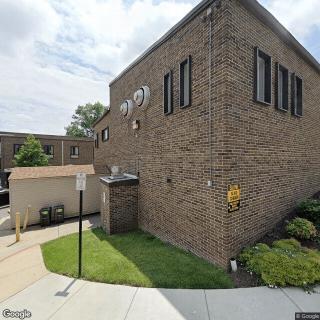
 Convenient location with abundant nearby amenities and medical resources.



 Delirium and Dementia: Unraveling the Key Differences
 Are Dementia and Alzheimer's Disease Lethal? A Comprehensive Exploration
 Exploring the Power of Reminiscence Therapy for Individuals With Dementia