
22810 Dorsey St, Leonardtown, MD 20650
To contact a resident: (301) 475-3161
For more information about senior living options: (866) 208-4318
Overall Review of New Towne Village
Pros
 The residents were extremely caring.
- The Property Manager Erin was understanding and a blessing to the family.
- The Woodland Family thanked the residents and the Property Manager for looking out for their mother-in-law.
- New Towne Village was a great place for a resident’s mother-in-law.
- The place offers many amenities.
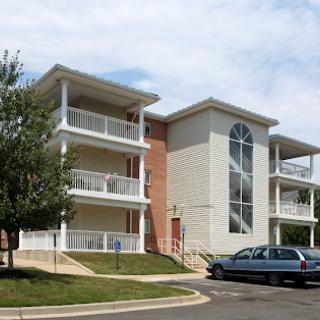
- The apartments are nice and well kept, with plenty of room.
Cons
 The resident was lied about, harassed, discriminated against, persecuted, and abused by the property manager.
- The property manager allegedly posted an eviction letter on the resident’s door and fabricated untrue lies.
- The elder residents were reportedly treated poorly due to the property manager’s personal feelings and jealousy.
- Several residents are unhappy with the property manager since she has been there.
- The rent is considered too expensive for some residents, making the place unaffordable.
Review
New Towne Village in Leonardtown is best suited for independent seniors who want a comfortable, amenity-rich apartment lifestyle and place a premium on a warm, neighborly community. The most persuasive signal is the sense of care among residents and the presence of a property manager who can be a steady, understanding point of contact for daily life. Families evaluating care options will find this setting appealing as a homey, non-clinical environment that emphasizes social connection and personal autonomy. It is essential to recognize, however, that this is not an assisted-living facility and does not provide ongoing medical supervision or daily caregiving. Those needing regular help will want to look elsewhere for a level of support that stays with them around the clock.
Those who require daily assistance, medical oversight, or a consistently transparent, consistently respectful management atmosphere may want to consider alternatives. A troubling peer report raises red flags: a resident describes harassment, false accusations, and an eviction letter tied to the property manager’s actions, suggesting a potential pattern of behavior that compromises resident well-being. While this account is singular, it underscores the critical importance of thoroughly vetting management practices and speaking with multiple residents before choosing a lease. In decisions of this kind, the credibility of the leadership team matters almost as much as the living spaces themselves.
On the positive side, the community frequently earns praise for its social fabric and the quality of its physical environment. Residents speak to a caring, engaged neighbor network that looks out for one another, and at least one review highlights Erin, the Property Manager, as understanding and a genuine asset to the family’s peace of mind. The property presents as a place with ample amenities and well-kept apartments, spaces that feel generous and livable. For families prioritizing a lively, involved resident culture and a well-maintained physical setting, these are meaningful advantages that can offset some of the compromises of not having on-site care.
Affordability emerges as a significant, mixed signal. One note highlights the rental structure as being tied to ability to pay, hinting at potential income-based options that could support tighter budgets or disability-related needs. Yet another review points to the price tag as a barrier, describing the community as “too expensive.” This tension means value hinges on personal finances and the weight given to amenities, space, and social capital. The upside is that for some households, the cost dynamic may fit a broader plan of independent living with optional supports elsewhere, but for others the expense will be prohibitive.
The “not assisted living” reality is a defining constraint. Prospective residents should come with a clear expectation: ongoing medical or daily-living support does not shift into this setting automatically, and any future care needs will require a transition plan outside this community. That reality makes due diligence crucial. Review leases and service packages, confirm what on-site or partner-provided services exist, and map out a realistic escalation path should health or mobility decline. Without this clarity, the strength of the apartments and the social atmosphere can be overshadowed by the mismatch between needs and offerings.
In the end, New Towne Village offers a compelling option for independent seniors who prize a welcoming resident community, well-maintained spaces, and a potentially favorable affordability lens, so long as management integrity is verified and the expectation of non-care status is embraced. Families should visit with several residents, ask about daily-life realities, and request concrete examples of how concerns are handled. Scrutinize the lease for any inflammatory terms, and demand transparent conversations about rent, services, and what happens if care needs evolve. If a genuine, well-managed, independent-living environment with an active social scene is the goal, this community warrants serious consideration; if steady caregiving, clear management accountability, or budget constraints are primary, alternatives deserve early comparison.
 Activities on-site
 Devotional services off-site
 Indoor common areas
 Ambulatory care
 Diabetic care
 Meals provided



 Exploring the World of Home Health Nurses: Qualifications, Roles, and Hiring Tips
 Navigating Medicare Coverage for In-Home Care Services
 In-Home Care Costs in 2025: A Detailed State-by-State Exploration