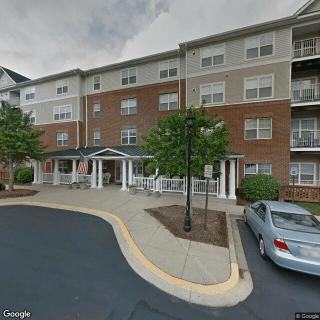
29449 Charlotte Hall Road, Charlotte Hall, MD 20622
For more information about senior living options: (866) 208-4318
3.1 from 51 reviews
5 stars
15
4 stars
11
3 stars
7
2 stars
1
1 stars
17
Overall Review of Charlotte Hall Veterans Home
caveat12 reviews mention this
Cleanliness and pests raise concerns
Some residents and families report cleanliness issues, including pest sightings.
Several reviewers describe seeing pests and noticing unclean rooms or bathrooms, including reports of a mouse by a bed and dirty bed linens. There are also complaints about odors and housekeeping not matching promises. A few other comments are reassuring about cleanliness and maintenance, including mentions of a clean facility and well-kept dining spaces, but the negative reports are specific and recurring.
common7 reviews mention this
Dining quality feels inconsistent
Dining receives mixed feedback, from praised to criticized.
Some reviewers say the food is decent or good, and others note the dining area is clean and organized. Others complain that meals are too salty or unappealing, and one reviewer says food arrived cold and not cut up. A related concern is that a diabetic resident describes limited diet help and food that doesn’t feel diabetic-friendly, which adds to the variability in dining experiences.
common16 reviews mention this
Staff care is a frequent plus
Many reviewers describe staff as knowledgeable, kind, and supportive.
Across reviews, families and visitors often highlight respectful, supportive staff and good day-to-day engagement with residents. Several comments specifically call out compassionate care, knowledgeable staff who helped during transitions, and responsiveness during visits. Even in critical reviews, at least some individuals (like named nursing staff) are described as caring, which suggests the experience may vary by unit or caregiver.
caveat5 reviews mention this
Memory care experiences can disappoint
Some families are unhappy with dementia and memory-care support.
Reviewers who mention dementia or the Alzheimer’s/memory units describe problems with monitoring and comfort, including moves between units and concerns about how residents are handled. Others report communication gaps and that staff did not provide timely follow-through when problems arose. While there are also positive mentions of Alzheimer’s-unit care, the negative stories focus on safety, privacy, and how care is delivered in memory settings.
common6 reviews mention this
Activities and outings show up often
Residents and families describe outings and scheduled activities.
Many reviews mention scheduled activities and engagement, including bingo and games, entertainment that comes in, and field trips or day programs. A few reviewers contrast this with concerns about physical-activity options, saying there is no open gym for residents. There are also comments about limited visibility of activities during tours, but other residents describe bus trips and group events.
caveat6 reviews mention this
Distance and VA access create friction
Distance appears to affect family access and VA-related care logistics.
Multiple reviewers describe the facility as far from home and note that limited access can make it harder for families to visit regularly. One reviewer also describes VA benefits requiring travel time for appointments, creating a major barrier for a resident. Even when residents are described as doing well, the distance shows up as a recurring theme, especially for families who prioritize easier commutes and local support.
How we summarize
Counts show how many written reviews mention each theme; a review can touch several themes, and only frequently mentioned themes are displayed.
Features
Housing
168 resident community capacity
Studio apartments
Types of Care
Assisted Living
Independent Living
Memory Care
Skilled Nursing Facility
Amenities
Activities on-site
Air-conditioning
Beautician on-site
Beauty salon
Cable or satellite TV
Computer center
Devotional services off-site
Dining room
Financing advice
Fitness room
Fully furnished
Gaming room
Garden
Housekeeping services
Indoor common areas
Kitchenette
Move-in coordination
Outdoor space
Private bathrooms
Restaurant-style dining
Small library
Telephone
VA Benefits Consultation
Wellness center
Wi-Fi/high-speed internet available
Transportation
Community operated transportation
Transportation & parking
Transportation arrangement
Transportation arrangement (non-medical)
Transportation to doctors appointments
Care Services
12-16 hour nursing
24-hour call system
24-hour supervision
Activities of daily living assistance
Ambulatory care
Assistance with bathing
Assistance with dressing
Assistance with transfers
Diabetes diet
Diabetic care
Hospice care
Meal preparation and service
Medication management
Mental wellness program
Physical therapy
Special dietary restrictions
Dining
Diabetes diet
Meals provided
Special dietary restrictions
Activities
Activities off-site
Activities on-site
Community-sponsored activities
Concierge services
Devotional activities offsite
Fitness programs
Planned day trips
Religious services
Resident-run activities
Scheduled daily activities
Languages Spoken
English
Videos
Nearby Places of Interest
This part of Charlotte Hall, Maryland offers a variety of amenities that cater to the needs of seniors looking for a comfortable and convenient place to live. There are several restaurants nearby such as The Foxy Fish, McDonald's, and Captain Leonard's Seafood Restaurant, providing easy access to dining options. In terms of healthcare, there are multiple hospitals and medical centers in the area including Um Charles Regional Medical Center and Calvert Memorial Hospital, ensuring easy access to quality medical care. Additionally, there are pharmacies such as Walgreens and CVS Pharmacy nearby for medication needs. For recreation, there are parks like Hallowing Point Park and White Plains Regional Park, offering opportunities for outdoor activities. Overall, this area provides a mix of services essential for senior living in a peaceful and welcoming environment.
Restaurants
The Foxy Fish (1.1 miles)
McDonald's (1.2 miles)
Old Line Pub Charl (1.3 miles)
Arby's (1.3 miles)
Captain Leonard's Seafood Restaurant (6.1 miles)
Mully's Brewery (7.5 miles)
Sandgates Inn (10.2 miles)
Hospitals
Royden J Stanford Dr (1.3 miles)
Um Charles Regional Medical Center (11 miles)
Charles Regional Medical Center - Kent Building (11.2 miles)
Precision Orthopedics and Sports Medicine (11.4 miles)
Calvert Memorial Hospital (11.4 miles)
Calvert Memorial Hospital Infusion Center (11.4 miles)
Civista Medical Center (11.6 miles)
Physicians
Jayaraman Medical Associates (3.2 miles)
Childrens Healthcare Center (11 miles)
Calvert Internal Medicine (11.1 miles)
UM Charles Regional OB/GYN (11.1 miles)
Dr Metah's Office (11.1 miles)
University Of Maryland Charles Regional Surgical Care (11.2 miles)
Dodd Michael J Dodd Michael J Md Prince Frederick (11.2 miles)
Charlotte Hall Veterans Home offers a comprehensive suite of features tailored to support residents with dementia and Alzheimer's disease, essential for promoting their well-being. Assistance with dressing helps residents maintain dignity while navigating the challenges of cognitive decline. Medication management ensures that individuals receive their prescribed treatments on time, reducing anxiety about missed doses. Meal preparation and service cater to nutritional needs, encouraging proper eating habits while considering dietary restrictions, which can positively impact overall health. Activities of daily living assistance ensures residents engage in necessary routines, fostering a sense of normalcy and independence. Assistance with bathing and transfers promotes personal hygiene and mobility, critical for physical health and self-esteem. The provision of 24-hour supervision guarantees safety and reassurance, allowing families peace of mind regarding their loved one's security. Additionally, the mental wellness program actively engages residents socially and cognitively, enhancing mood while reducing feelings of isolation. Finally, physical therapy addresses mobility challenges and promotes physical strength, contributing to a holistic approach in supporting residents' quality of life amidst the complexities associated with memory care.
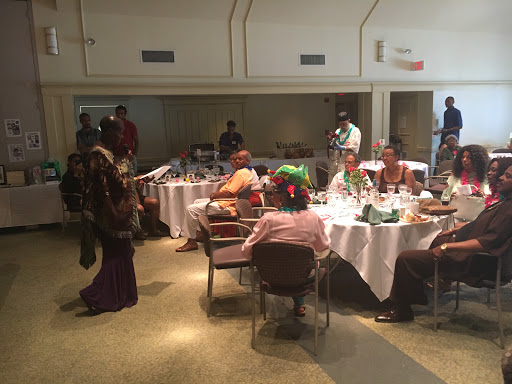
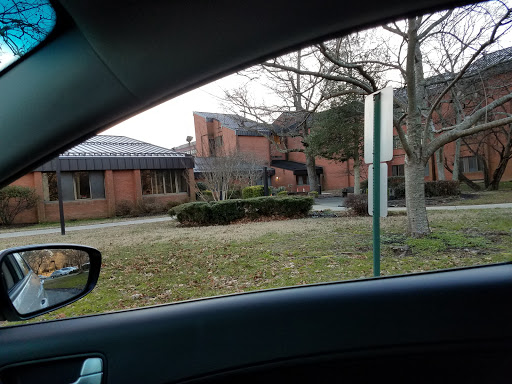
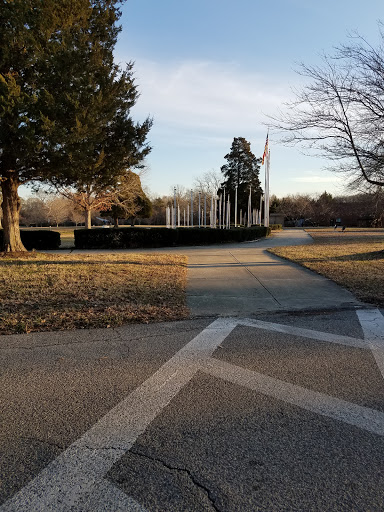
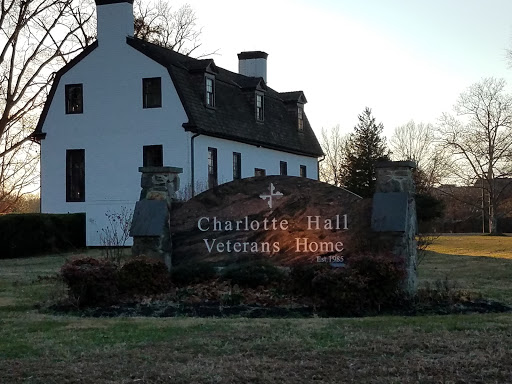
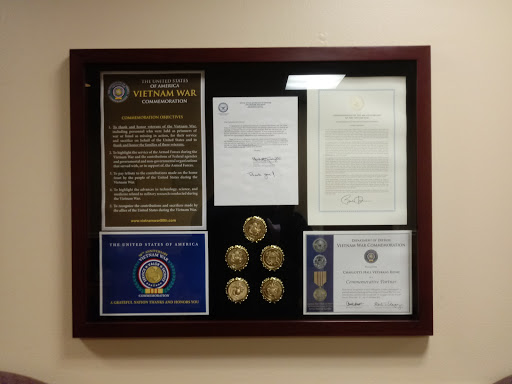
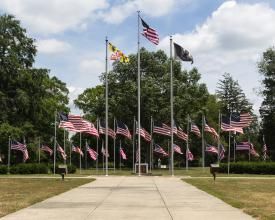
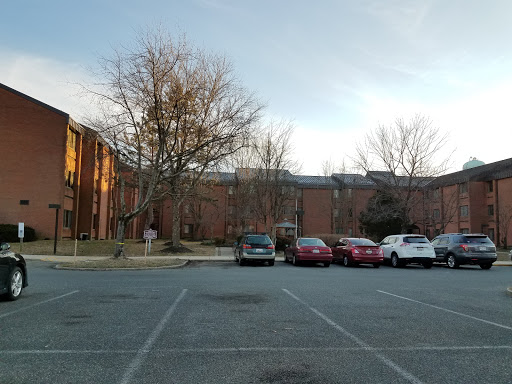
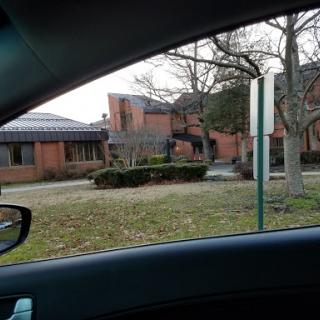
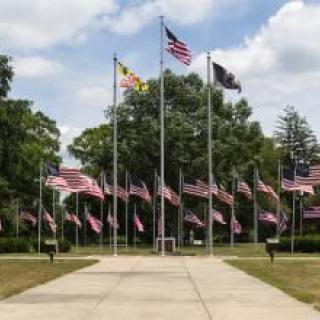
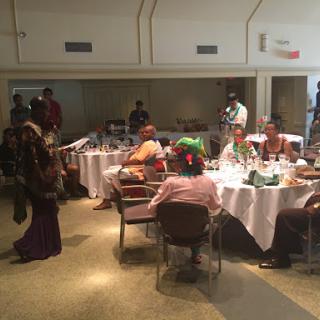
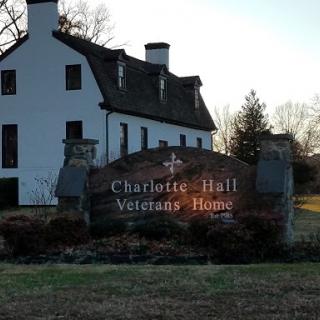
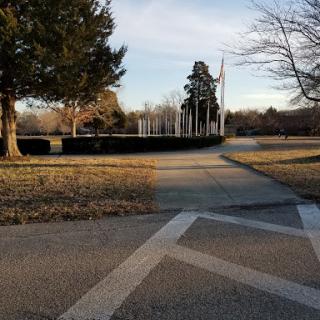
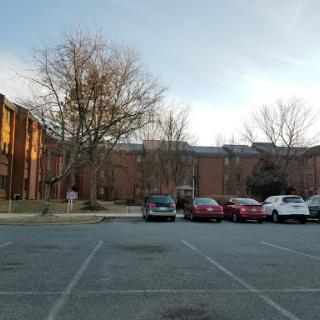
Charlotte Hall Veterans Home on seniors.fyi includes 14 photos including images showing trees, building, outdoors, landscaping, decor, nature, park, architecture, and more.
Nearby Communities
Praise Housing Network
Mechanicsville, MD
Personalized care with social activities and nearby healthcare access.
Care With Grace LLC
Mechanicsville, MD
5 from 32 reviews
24/7 personalized care with tailored plans and a focus on independence.
Richard?s House
Waldorf, MD
Comprehensive care with varied activities and dining.
Assisted Living at Hawkins Gate
La Plata, MD
4.8 from 24 reviews
$4,200 / month
Home-like setting with an amazing owner and attentive staff delivering high-quality care.
Seniors Matter
Waldorf, MD
4.8 from 28 reviews
Intimate small community with highly personalized care and comprehensive services.
Calvert Hills Assisted Living Of Waldorf
Waldorf, MD
4.3 from 36 reviews
Comprehensive care services and comfortable, furnished living with daily activities.
Sagepoint Senior Living Services
La Plata, MD
4 from 64 reviews
Compassionate, dedicated staff with effective rehabilitation in a welcoming, well-maintained facility.
Morningside House of St Charles
Waldorf, MD
4.4 from 143 reviews
$3,400 to $5,500 / month
Friendly staff; clean, comfortable rooms; good activities.
Chapline House
Prince Frederick, MD
4.5 from 4 reviews
Beautiful, immaculate facility with caring staff and engaging activities.
At-home dementia care expenses vary widely based on care levels, location, and caregiver expertise, with monthly costs for home health aides exceeding $4,500 and specialized care potentially surpassing $100,000 annually. While families favor in-home care for its comfort and personalized attention, they must consider financial planning and the challenges of caregiver fatigue.
The article discusses the late stages of dementia, detailing the progression from mild to severe impairment and highlighting key characteristics such as profound cognitive decline and dependency in daily activities. It emphasizes care strategies focused on comfort and dignity, the importance of advance directives, and the emotional support needed for family caregivers facing this challenging journey.
The article examines the link between certain medications and increased dementia risk, particularly in older adults, emphasizing that long-term or high-dose use of anticholinergics, benzodiazepines, and other drug classes can exacerbate cognitive impairment. It calls for careful medication evaluation and shared decision-making to mitigate these risks while managing treatment efficacy.
Get PricingAsk A QuestionSchedule A TourContact Senior Advisor
By clicking submit, you agree to our Partner's Terms of Use. You
also consent to receive calls and texts, which may be autodialed, from our Partner. Your consent is not a condition to
using our Partner's service. Please visit our Partner's Privacy Policy for information about their privacy practices.








 168 resident community capacity
 Studio apartments
 Assisted Living
 Independent Living
 Memory Care
 Skilled Nursing Facility
 Activities on-site
 Air-conditioning
 Beautician on-site
 Cable or satellite TV
 Computer center
 Devotional services off-site
 Dining room
 Financing advice
 Fitness room
 Fully furnished
 Gaming room
 Garden
 Housekeeping services
 Indoor common areas
 Kitchenette
 Move-in coordination
 Outdoor space
 Private bathrooms
 Restaurant-style dining
 Small library
 Telephone
 Wellness center
 Wi-Fi/high-speed internet available
 Community operated transportation
 12-16 hour nursing
 24-hour call system
 Ambulatory care
 Assistance with bathing
 Assistance with dressing
 Assistance with transfers
 Diabetes diet
 Diabetic care
 Hospice care
 Medication management
 Mental wellness program
 Physical therapy
 Special dietary restrictions
 Concierge services
 Planned day trips
 English
 Personalized care with social activities and nearby healthcare access.


 Estimating the Expenses of At-Home Dementia Care: A Detailed Exploration
 Comprehensive Insights on the Late Stages of Dementia: What to Expect and How to Provide Care
 Medications Associated with Dementia Risk: A Comprehensive Overview