

6704 Terra Alta Dr, Lanham, MD 20706
To contact a resident: (301) 244-8635
For more information about senior living options: (866) 208-4318
Victory Assisted Living Costs & Pricing
Victory Assisted Living presents a competitive pricing structure for its residents, particularly when compared to the average costs in Prince George's County and across the state of Maryland. For individuals opting for semi-private accommodations, Victory charges $2,500 per month, significantly lower than the county average of $3,058 and the state average of $3,545. Similarly, for those seeking more privacy in a private room, Victory's monthly fee of $3,000 also proves to be more economical than the $3,792 state average and well below Maryland's overall rate of $4,112. These attractive rates not only highlight Victory Assisted Living's commitment to providing quality care at an accessible price but also underscore its position as a viable option for families seeking assisted living solutions in the region.
| Floor plans | Victory Assisted Living | Prince George's County | Maryland |
|---|---|---|---|
| Semi-Private | $2,500 | $3,058 | $3,545 |
| Private | $3,000 | $3,792 | $4,112 |
Senior living communities with a similar price nearby
-
from +$475 / mo
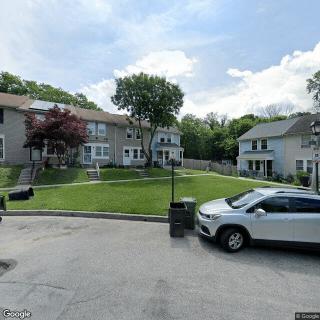
Gneale Home Care
$2,975 / month23.7 miles away -
from +$200 / mo
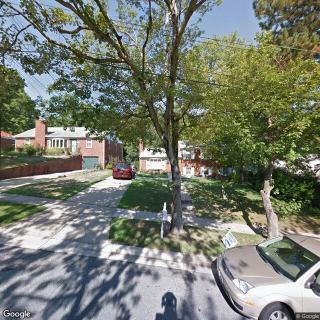
Lifesprings Eldercare II
$2,700 to $3,100 / month12.0 miles away -
About the same

Amazing Grace Senior Care
$2,500 to $3,000 / month3.1 miles away -
from +$350 / mo

Cascadia Courts II, LLC
$2,850 / month11.2 miles away -
from +$100 / mo
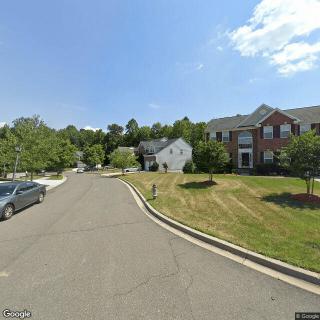
My Parent's Place
$2,600 to $3,000 / month15.9 miles away
Overall Review of Victory Assisted Living
Pros
 The staff are truly amazing for taking care of the grandmother during her time of need.
- The house is very nice and the staff are fantastic.
- The step-mother seemed at ease leaving him there, and the dad seemed relaxed.
Review
Victory Assisted Living in Lanham, Maryland is best suited for families seeking a warm, home-like setting where attentive staff and a calm daily rhythm deliver quiet reassurance. The community clearly serves seniors who value personal connection, seamless transitions from family care, and the peace of mind that comes from dependable daily support. The feedback paints a picture of residents who settle comfortably, and of families who feel heard and involved in their loved one’s care. For seniors whose needs extend into intensive medical oversight, wound care, or a dedicated memory-care program, alternatives with on-site skilled nursing or specialized memory services may be more appropriate.
The strongest, most consistent theme in the reviews is the staff. Descriptions like “fantastic” and “truly amazing” are not cosmetic; they point to caregivers who are present, responsive, and consistently kind. That level of attentiveness translates into tangible daily benefits: help with activities of daily living, timely medication reminders, and a pace of life that feels steady rather than rushed. The house itself is portrayed as pleasant and well-kept, a backdrop that reinforces a sense of safety and comfort. When family members see their loved ones at ease after placement, it signals not just good care on paper, but real, lived assurance in day-to-day moments.
In practice, these strengths matter most where transition anxiety is a real barrier to acceptance. The reviews describe residents who appear at ease leaving a loved one in the building, and relatives who relax in trust as they observe routines and caregiver interactions. That combination – a welcoming environment and a caregiving culture that values empathy and reliability – often yields better sleep for families and steadier moods for residents. The practical outcome is a predictable day: meals, activities, and assistance delivered with consistency, reducing the chaotic possibilities that can accompany older adult transitions. This is the core value proposition for families prioritizing dignity, steadiness, and a clear line of communication with staff.
Nonetheless, the reviews do not spell out certain logistical details that matter in decision-making. Critical questions remain about the scope of medical services on site, including whether a licensed nurse is always available, how emergencies are managed after hours, and whether there is a dedicated memory-care pathway if cognitive needs evolve. Prospective families should verify memory-care availability, staff-to-resident ratios during peak hours, and the extent of daily medical oversight. Other practical considerations – transportation for appointments, activity depth, diversified dining options, and fee structures – are not fully elaborated in the feedback, so a direct inquiry during tours is essential to avoid gaps between expectation and reality.
But the very strengths that create peace of mind also help offset potential gaps. A compassionate, consistently available staff can compensate for a smaller footprint or fewer on-site clinical amenities by ensuring that residents are monitored closely, engaged socially, and supported quickly when needs arise. The sense of home and the reliability of caregiving reduce emotional strain on families, which often translates into fewer apprehensions about safety, nutrition, and routine. In communities where staff turnover is low and training is ongoing, families can feel confident that the kindness and competence described in reviews are not fleeting but embedded in everyday practice.
The bottom-line recommendation is practical and action-oriented. Victory Assisted Living is a strong fit for seniors who prioritize a comfortable home environment, steady routines, and a caregiving team that makes meaningful, everyday connections. It is less suited for those who require intensive medical management, invasive skilled-nursing services, or a formal memory-care program within the same campus. Before making a decision, families should request up-to-date information on nurse coverage, emergency protocols, availability of memory-care services, meal programs, social activities, transportation options, and transparent fee structures. When these elements align with the resident’s needs, Victory Assisted Living stands out as a dependable, compassionate option that delivers genuine peace of mind through its people and its welcoming, well-kept living space.
 Board and Care Home
 Activities off-site
 Air-conditioning
 Bath tubs
 Beautician on-site
 Cable or satellite TV
 Devotional services off-site
 Handicap accessible
 Indoor common areas
 Outdoor common areas
 Private
 Private bathrooms
 Respite or short term stays offered
 Wi-Fi/high-speed internet available
 Ronald Reagan Washington National (12 miles away)
 Ambulatory care
 Diabetic care
 Incontinence care
 Medication management
 Anytime dining
 Art classes
 BBQs or picnics
 Day trips and outings
 Educational speakers / life long learning
 Stretching classes
 Visiting chaplain or priest


 Comprehensive Guide to Blood Pressure Charts for Older Adults: Understanding Normal and High Readings by Age
 Financing Long-Term Nursing Home Care Through Social Security: A Thorough Exploration
 Essential Knowledge on Pneumonia in Older Adults