
6409 85Th Avenue, New Carrollton, MD 20784
For more information about senior living options: (866) 208-4318
Overall Review of Elder Estates
Pros
 The team here is phenomenal.
- They want to be here.
- Carlotta treats people like family.
Review
Elder Estates in New Carrollton, Maryland is best suited for seniors who prize a genuine, family-like living environment and staff who invest in personal relationships. The lone testimonial paints a picture of a team that feels more like a supportive circle than a distant care operation, with Carlotta singled out for treating residents like kin. For families seeking an active, socially connected routine and caregivers who anticipate needs with warmth, this community stands out as a strong fit. The setting appears to balance independence with attentive assistance, making it a credible choice for those who want daily life to feel welcoming and familiar rather than clinical.
Those with higher acuity needs, specialized memory care, or a preference for a more clinical, less intimate atmosphere may want to consider alternatives. The single testimonial suggests a vibrant, people-first approach that may not fully address residents requiring constant medical oversight or extensive management of complex conditions. Families evaluating cost should also compare care plans and inclusions, since value hinges on what is included in the base rate versus what is billed as add-ons. In short, Elder Estates shines for connection and engagement; for others, especially where intensive medical support or a broader continuum of care is essential, it’s prudent to explore other options first.
The community’s strongest assets lie in its people and the culture they cultivate. A phenomenal care team translates into reliable day-to-day support, quicker responses, and a sense of security for families who cannot be on site constantly. The leadership style, evidenced by Carlotta’s described approach, builds trust and signals consistency across shifts. When residents are treated like family, administrators and caregivers are motivated to go the extra mile, which can yield better communication with families and fewer miscommunications about needs or preferences. The implication is clear: in Elder Estates, relationships drive quality of life, not merely the presence of a bed and a meal plan.
That warmth, however, must be weighed against what the setting may lack at times. The review’s narrow lens means there is limited data on the breadth of programming, the depth of clinical resources, or the availability of a full continuum of care if a resident’s condition worsens. For families who want a highly structured routine with predictable medical oversight, or who expect extensive on-site therapy, wound care, or memory-care specifics, alternatives with larger clinical teams may deliver more peace of mind. The intimate, family-like atmosphere can feel privatized or boutique, which is excellent for some but not ideal for those seeking the largest possible scale of services under one roof.
Decision-making should center on concrete needs and future planning. During visits, observe daily interactions, how staff respond to questions, how residents initiate activities, and whether caregivers remember individual preferences. Seek to meet the frontline team beyond Carlotta to gauge whether the “family” approach extends consistently across all shifts and weekends. Clarify what constitutes an active life in practice: the types of programming, transportation options, must-have events, and resident-led activities. Ask for a clear, written breakdown of costs, what is included in the base rate, and what would trigger additional charges. Finally, probe memory-care capabilities and the community’s ability to adapt if care needs evolve in the coming years.
In sum, Elder Estates offers a compelling, human-centered living experience for seniors who value close, caring relationships, a warm environment, and an active social calendar. For families prioritizing warmth, reliability, and a sense that staff treat residents like family, this community is a strong recommendation. Those needing higher medical acuity, a more clinical setting, or a broader continuum of care should evaluate alternatives with stronger on-site clinical capabilities and memory-care specialization. The right choice hinges on resident needs: if daily life should feel like home with dependable support and genuine connection, Elder Estates deserves careful consideration and a serious look during tours.
 4 resident community capacity
 Assisted Living
 Cable or satellite TV
 Dining room
 Fully furnished
 Garden
 Housekeeping services
 Move-in coordination
 Outdoor space
 Telephone
 Wi-Fi/high-speed internet available
 Ronald Reagan Washington National (12 miles away)
 24-hour supervision
 Activities of daily living assistance
 Assistance with bathing
 Assistance with dressing
 Assistance with transfers
 Diabetes diet
 Meal preparation and service
 Medication management
 Special dietary restrictions
 Transportation arrangement (medical)
 Transportation to doctors appointments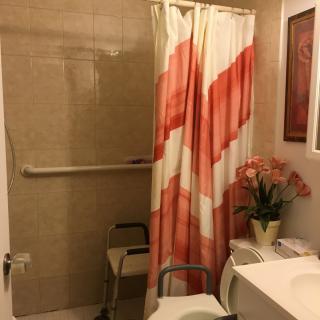



 Vibrant Senior Living: A Comprehensive Guide for Active Older Adults
 When to Transition from Assisted Living to Memory Care: Key Indicators, Steps, and Finding the Right Community
 Assisted Living and Memory Care: Understanding Their Core Differences