

9946 Downsville Pike, Hagerstown, MD 21740
To contact a resident: (301) 582-0003
For more information about senior living options: (866) 208-4318
Overall Review of Bhawani Manor Care
Cons
 They were extremely disappointed with the facility.
- None of the staff spoke clear English and were not friendly.
- They were not greeted upon arrival, and staff walked by without acknowledging them.
- They did not feel the staff were efficient or organized, and many could not answer basic questions.
- When asked about medications and care, responses were unclear or uncertain.
- Residents they spoke with had very negative views of the facility and its workers.
- Complaints included cold meals, heat not turned up, and bathing only twice a week; staff communication was poor.
- The owner accused them of not paying, threatened to kick out their client, and reportedly has kicked others out before.
- They visited about six times, and each visit was a terrible experience.
- They worked with social services to relocate the client and filed a formal complaint.
Review
Bhawani Manor Care is best suited for residents who can endure minimal staff engagement, significant language barriers, and a level of oversight that may require ongoing family advocacy. This is not a facility where clear English communication, reliable warmth, or predictable daily care can be taken for granted. Families seeking a tightly run environment with responsive staff, transparent medication management, and person-centered routines should look elsewhere. Those who are comfortable navigating frequent questions without clear answers, and who can tolerate the possibility of abrupt or hostile management decisions, might consider giving this community a closer look, but only after confirming that core care expectations can be met elsewhere.
The most glaring show-stoppers come from the staff dynamic and the day-to-day care culture. The reviewer describes staff members who spoke little or broken English, appeared unfriendly, and failed to greet or assist upon arrival. Questions about medications, the presence of licensed nursing oversight, and whether meals could be tailored to conditions like diabetes were answered inadequately or not at all. That combination, communication gaps plus uncertainty around medical oversight, undermines safety, trust, and consistent care. Residents themselves offered consistently negative feedback, amplifying the sense that the facility struggles with reliability, responsiveness, and basic customer service. When heat was reportedly kept low, meals were cold, and bathing frequency was limited, the lack of attention to fundamental comfort and hygiene becomes a tangible risk rather than a mere inconvenience.
In this context, any potential advantages that typically accompany assisted living fail to offset the substantial downsides. There are no credible positives highlighted in the reported experiences, no clear demonstration of organized routines, proactive medication management, or compassionate, English-speaking staff. Without staff who can confidently answer essential care questions, the absence of warmth and attention to residentsā€™ daily preferences becomes a governing issue. The reported atmosphere of inefficiency and miscommunication creates a compounded risk: misunderstandings about medications, misalignment with care plans, and a surrounding impression that resident needs are not being prioritized. When basic comfort and safety are in question, the lack of compelling compensating strengths cannot be ignored.
Families should be explicit about alternatives if considering options in this area. Prospective residents and their supporters ought to prioritize facilities with demonstrated multilingual communication capacity, clearly documented medication administration practices, accessible nursing oversight, and dependable climate control, food quality, and personal care routines. Verify management culture through multiple tours, speak directly with current residents and families, and seek out independent inspections or third-party reviews. If language barriers and a pattern of evasive or defensive responses persist, those are reliable predictors that the environment will not align with higher-care needs or personal dignity expectations.
Red flags call for heightened scrutiny: a pattern of hostile or accusatory behavior by the owner, reports that residents have been expelled or relocated with little notice, and formal complaints to social services indicate governance and safety concerns that warrant serious precaution. The combination of staff communication gaps, inconsistent care delivery, and reports of punitive discharge practices raises questions about regulatory compliance, accountability, and a genuine commitment to resident well-being. Any family weighing this option should demand transparent licensing status, recent survey outcomes, and a concrete plan for ongoing clinician oversight before considering placement.
In sum, Bhawani Manor Care does not meet the needs of most seniors who require reliable, respectful, and transparent assisted living. For families seeking safety, dignity, and predictable care, alternatives are strongly recommended. Look for facilities with English-speaking staff who can articulate care plans, a stable and responsive management team, warm daily routines, and a track record of consistent, resident-centered service. If those criteria are non-negotiable, Bhawani Manor Care should be dismissed in favor of communities with demonstrable strengths in communication, medical oversight, and compassionate care delivery.
 Cats allowed
 Dogs allowed
 Activities on-site
 Devotional services off-site
 Indoor common areas
 Diabetic care
 Incontinence care
 Meals provided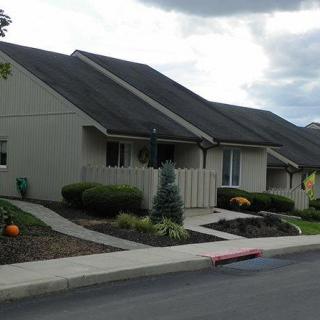
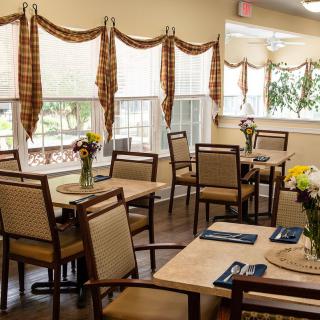
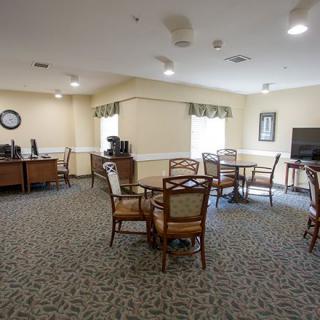
 Caring staff, clean environment, engaging activities, and cottage-style living that fosters community.





 Effective Strategies for Keeping Seniors' Minds Active: A Deep Dive into Brain Games and Apps
 In-Depth Look at the VA Aid and Attendance Program
 Nurturing Our Loved Ones: A Daughter's Journey in Caring for Her Mother