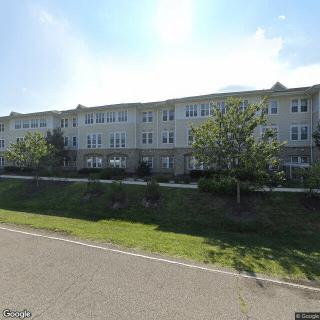
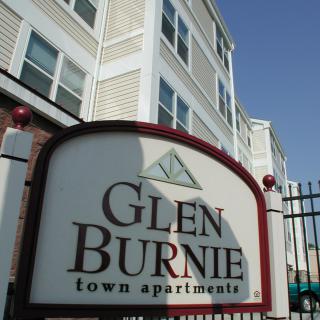
Wilson Manor

Save
Wilson Manor

Wilson Manor

394 Washington Ave, Glen Burnie, MD 21060

For more information about senior living options: (844) 490-3973

4.1 from 44 reviews
5 stars
34
4 stars
0
3 stars
0
2 stars
1
1 stars
9

What level of care are you interested in?

Assisted Living

Memory Care

Independent Living

Skilled Nursing Facility

Continuing Care Retirement Community (CCRC)CCRC

Other


Request a tour at Wilson Manor

    Overall Review of Wilson Manor

    Pros

    • pro Elevate Recovery has a thorough and engaging curriculum and a state-of-the-art facility.
    • pro The Elevate staff are described as going above and beyond to support clients' recovery and mental health.
    • pro The center is described as welcoming, warm, and professional, helping clients feel at home.
    • pro Many reviewers credit Elevate with life-changing outcomes and long-term sobriety.
    • pro Specific staff members (e.g., Shae, Shantel, Latoya, Nick) are highlighted for their supportive, personalized care.
    • pro Families and alumni repeatedly endorse Elevate and would recommend its services.
    • pro The program is portrayed as compassionate, dedicated, and genuinely caring about clients.
    • pro Elevate is viewed as thorough, thoughtful, and capable of guiding clients through recovery, including medical and legal considerations.
    • pro The facility is noted for being aesthetically pleasing and well-equipped.

    Cons

    • pro Elevate is described as a carceral-style rehab focused on control rather than recovery.
    • pro Groups are chaotic, with clients overly medicated, nodding off, or talking over each other while facilitators do nothing.
    • pro The partnership between Elevate and Living Changes housing is alleged to be fraudulent, appearing separate but operating as one under a 2.5 program designed for insurance billing rather than helping people.
    • pro A reviewer calls Elevate disgusting, recounting that a client was expelled to the street during a setback and left without belongings, requiring police involvement to retrieve them.
    • pro A warning is issued: do not use Elevate, as someone could be left on the street and the staff supposedly have no compassion.
    • pro Another reviewer labels Elevate a terrible place with staff described as trash.

    Review

    Elevate Recovery Center sits at the center of a polarized set of experiences. On one side, reviewers describe a program that feels focused on control, rapid transitions, and billing logistics more than on genuine recovery. They allege chaotic group dynamics, clients who are overly medicated and unmonitored, and facilitators who seem disengaged or passive in the room. A recurring accusation is that Elevate operates alongside Living Changes housing as a single, "2.5 program" rather than as clearly separate entities, with the criticism echoing that the arrangement exists primarily to support insurance billing rather than patient-centered healing. Taken together, these voices cast Elevate as a place where the structure and incentives of the system may overshadow the needs and dignity of the people seeking help.

    The most acute warnings come from a number of alarming anecdotes. One review describes a patient who had been attending outpatient therapy for two months, then faced a setback and was moved into PHP - only to be discharged and left outside the building with no belongings when a court date loomed and charges were supposedly being dropped. The account frames the event as inhumane and driven by a punitive, street-side reaction rather than a compassionate or orderly discharge. Another account claims staff assuaged a family with assurances they would be taking the patient to court for a favorable outcome, only for the patient to be discarded onto the street when charges persisted, with the response to retrieve belongings requiring police intervention. Across several entries, the language is stark: "do not use Elevate," "they have no compassion," and warnings that the facility can place someone on the street "in a heartbeat." These stories emphasize a perception that, for some individuals and families, the program can feel punitive, impersonal, and unsafe.

    Yet these negative perspectives sit alongside a substantial cadre of highly positive experiences. Dozens of reviewers paint Elevate in glowing terms, praising its curriculum as thorough, engaging, and capable of addressing both mental health and substance use disorders. They celebrate a facility described as gorgeous and state-of-the-art, where staff members are said to go above and beyond to help with recovery in a holistic sense. For many clients, Elevate represents a turning point - a place where they learned about themselves, built lasting sobriety, and reconnected with purpose and hope. Some write of life-changing outcomes, including long-term sobriety (e.g., "3 years sober and counting") and a renewed sense of self-worth. In these accounts, the program's strength lies not only in content but in the warmth and competence of the people delivering it.

    A large portion of the praise centers on specific staff and the quality of relationships built during treatment. Reviewers frequently cite individual counselors, technicians, and alumni coordinators by name, noting that they were "amazing," "warm and professional," or "extremely knowledgeable." Names like Shae, Shantel, Latoya, Jesse, Nick, Charles, Cole, Matt, Russ, Justin, and many others appear repeatedly as anchors of support and continuity. The gratitude often emphasizes a sense of being understood as whole people and of receiving individualized care - "a treatment plan designed specifically for my personal needs" - and the sense that staff genuinely care about clients' recovery journeys. The appreciation extends to the program's broader culture, with clients describing two-way communication, responsive follow-up, and staff who make people feel seen, welcomed, and valued.

    The reviews also reveal a nuanced picture of the program's accessibility and consistency. Some clients describe initial challenges - sticking points around enrollment, or experiences where help did not come as promptly as hoped - but frequently these difficulties are framed as something the program eventually addresses through ongoing outreach and dedicated staff effort. The sentiment here is that Elevate can be deeply supportive and transformative when it works well, with staff members stepping in to sustain a client's trajectory even during difficult periods. This is paired with affection for the program's alumni networks and ongoing connections, which several reviewers credit with sustaining recovery well after completion.

    Despite the overall glow of many testimonials, there is a persistent undercurrent of concern about the administrative and policy dimensions of Elevate. A few reviewers describe friction with enrollment, denial of services, or experiences that felt administratively harsh rather than therapeutic. One reviewer explicitly condemns a practice of denying treatment to potential clients, calling it disgusting. These accounts underscore a tension that can exist in growing treatment operations: when demand, coverage, and policy intersect with clinical intentions, the lived experiences of patients can diverge dramatically. The divergence appears most pronounced in discussions of discharge practices, insurance-driven workflows, and the perceived alignment (or misalignment) between the program's stated mission and the realities of how care is delivered and terminated.

    Taken together, the collection of reviews presents a complex portrait: Elevate Recovery Center is a place where many people find real healing, hope, and lasting recovery, thanks to a curriculum they describe as comprehensive, a facility they regard as top-tier, and a staff praised for empathy, knowledge, and personalized attention. At the same time, there are credible, emotionally charged accounts of punitive treatment, discharges that feel abrupt or inconsistent, and concerns about the business and policy layers of the operation that can undermine trust and safety for some clients and their families. For anyone considering Elevate, the message from these accounts is clear but nuanced: the program can be profoundly effective and life-changing for many, but potential clients and families should ask pointed questions about the program's structure, the exact nature of the 2.5 program, discharge policies, and how the center balances clinical care with administrative and billing considerations. In exploring Elevate, as in any recovery journey, the fit will likely hinge on the specifics of individual needs, the quality of the local staff, and the degree to which a client feels heard, respected, and supported throughout the entire process - from intake to aftercare.

    Features

    Amenities

    • Activities on-site Activities on-siteActivities on-site are important for seniors because they provide opportunities for socialization, mental stimulation, physical activity, and overall well-being. Engaging in activities can help seniors stay active, maintain their independence, and improve their quality of life.
    • Devotional services off-site Devotional services off-siteDevotional services off-site are important for seniors as they provide spiritual nourishment, social engagement, and a sense of community outside of the senior living facility. This can enhance overall well-being and help combat feelings of isolation and loneliness often experienced by older adults.
    • Indoor common areas Indoor common areasIndoor common areas are crucial for seniors as they provide a space for socialization, recreation, and community engagement, promoting overall well-being and reducing feelings of isolation and loneliness.

    Transportation

    • Baltimore-Washington International (5 miles away) Baltimore-Washington International (5 miles away)

    Care Services

    • Ambulatory care Ambulatory care"Ambulatory care services provide essential medical support and treatment to seniors without requiring hospitalization, allowing them to maintain their independence and quality of life while managing chronic conditions or receiving routine medical care."
    • Diabetic care Diabetic careDiabetic care is crucial for seniors as they are more susceptible to developing diabetes due to aging and other health conditions. Proper management of diabetes can help prevent complications such as heart disease, vision loss, and nerve damage, improving the overall quality of life for seniors in senior living communities.

    Dining

    • Meals provided Meals provided"Meals provided" are crucial for seniors in assisted living communities as it ensures they have access to nutritious, balanced meals without the stress of meal planning and preparation. This can help promote overall health and well-being for seniors who may have limited mobility or cognitive abilities.

    Activities

    • Activities on-site Activities on-siteActivities on-site are important for seniors because they provide opportunities for socialization, mental stimulation, physical activity, and overall well-being. Engaging in activities can help seniors stay active, maintain their independence, and improve their quality of life.
    • Devotional activities offsite Devotional activities offsiteDevotional activities offsite are important for seniors because they provide social engagement, spiritual growth, and a sense of community outside of their living environment. This can improve overall well-being, mental health, and combat feelings of isolation or loneliness.

    Description

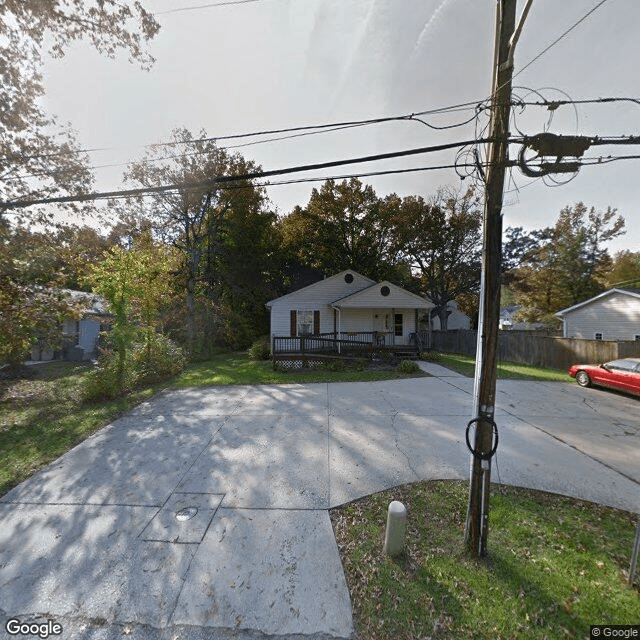
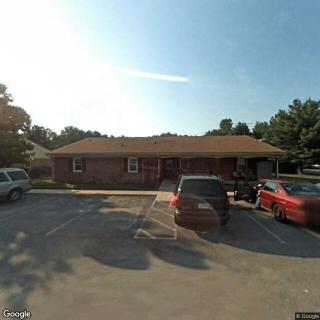
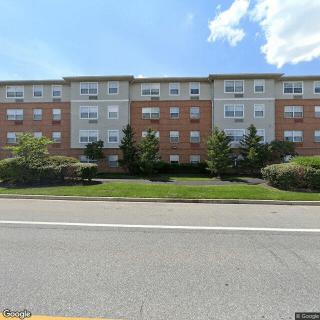
    Wilson Manor in Glen Burnie, MD is a welcoming assisted living community that offers a range of amenities and care services to cater to the unique needs and preferences of its residents. The community understands the importance of spiritual well-being and provides devotional services off-site for those who wish to continue practicing their faith.

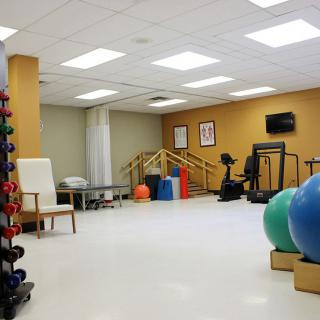
    The indoor common areas at Wilson Manor are thoughtfully designed to encourage social interaction and create a warm and friendly atmosphere among residents. These areas provide opportunities for residents to engage in activities together, form meaningful connections, and enjoy each other's company.

    This assisted living community specializes in providing diabetic care for individuals who require assistance in managing their diabetes. The dedicated staff members are trained to offer personalized support, help with medication management, and ensure that the residents' specific dietary needs are met.

    In addition to personalized care services, Wilson Manor also places great importance on offering a variety of engaging activities. Devotional activities offsite are organized regularly, allowing residents to practice their faith within a supportive community outside of the facility.

    Residents at Wilson Manor also benefit from its convenient location. With several cafes, restaurants, pharmacies, physicians, parks, and transportation options nearby, there is plenty of opportunity for leisurely outings or quick trips for any needs or preferences that may arise.

    Overall, Wilson Manor provides an inclusive and nurturing environment where residents can receive the care they need while maintaining independence and enjoying a rich social life within a vibrant local community.

    Nearby Places of Interest

    This area of Glen Burnie, Maryland, offers a convenient location with easy access to various amenities. There are several pharmacies nearby, making it convenient for seniors to access their medications. In addition, there are multiple transportation options such as the airport and light rail station for those who enjoy traveling. The area also offers a variety of dining options ranging from diners to fast food restaurants. For those looking to stay active, there are parks and recreational areas nearby. Places of worship are also easily accessible for spiritual needs. Overall, this neighborhood provides a range of services and activities that cater to the needs and interests of older adults looking to settle in the area.

    Pharmacies

    • Rite Aid (1.2 miles)
    • Walgreens (1.7 miles)
    • Rite Aid (2.8 miles)
    • Mike's Pharmacy (3 miles)
    • CVS Pharmacy (3 miles)
    • CVS Pharmacy (3.1 miles)
    • Mike's Pharmacy - Mountain Rd (3.1 miles)

    Transportation

    • Baltimore/Washington International Thurgood Marshall Airport (BWI) (1.6 miles)
    • Cromwell Station/Glen Burnie Light Rail Station (3.6 miles)
    • Concourse D (5.4 miles)
    • Concourse C (5.5 miles)
    • BWI Baggage Claim 10 (5.5 miles)
    • Security Checkpoint - Concourse D (5.6 miles)
    • Concourse E (5.6 miles)

    Physicians

    • Mercy Personal Physicians (1.6 miles)
    • Oakwood Medical Building (2.5 miles)
    • Medical Arts Centre (3 miles)
    • Mid Atlantic Neurology Consultants (3.3 miles)
    • Maryland Primary Care Physicians (3.5 miles)
    • Plastic Surgery Specialists (4.8 miles)
    • Anne Arundel Dermatolo (4.8 miles)

    Restaurants

    • Double T Diner - Pasadena (1.6 miles)
    • Honey Bee Diner (3 miles)
    • Golden Corral (3.6 miles)
    • McDonald's (3.6 miles)
    • McDonald's (4 miles)
    • Chick-Fil-A (4.1 miles)
    • Chick-Fil-A (5 miles)

    Cafes

    • Panera Bread (1.9 miles)
    • Big Bean (5.4 miles)
    • Starbucks (8.4 miles)
    • Starbucks (8.7 miles)
    • Panera Bread (8.9 miles)
    • Starbucks (9.1 miles)

    Parks

    • Sawmill Creek Park (3.7 miles)
    • Randazzo Softball Park (4.7 miles)
    • Fort McHenry National Monument and Historic Shrine (7.9 miles)
    • Canton Waterfront Park (8.9 miles)
    • North Point State Park (9 miles)

    Places of Worship

    • Heritage Community Church (5.6 miles)
    • St John the Evangelist Church (5.7 miles)
    • St Augustine's Church (8.8 miles)

    Theaters

    • Cinemark Holdings (8.2 miles)

    Frequently Asked Questions

    Where is Wilson Manor?

    Nearby Communities

    Related Resources

    • geriatric care managerIs a Geriatric Care Manager the Right Choice for Your Family?

      Geriatric care managers create personalized care plans for older adults, addressing their medical, social, financial, and psychological needs while coordinating services and advocating for their well-being. They help families navigate caregiving challenges but may be hindered by high costs and a shortage of qualified professionals.

    • what to say to someone who is grievingCompassionate Conversations: How to Comfort Someone Who Is Grieving

      The article highlights the importance of empathy and open communication when comforting someone who is grieving, noting that grief is unique to each individual and emphasizing the need for sincere expressions of condolence, active listening, and ongoing support. It also addresses cultural differences in mourning practices and encourages tailored approaches to provide effective comfort.

    • home care aideHome Health Care Aides: Understanding Their Role and Supporting Your Family

      Home health care aides provide vital medical and non-medical support to individuals at home, assisting with daily living activities and promoting emotional well-being, while the demand for these services increases due to an aging population. Families benefit from in-home care's flexibility and cost-effectiveness but face challenges like scheduling consistency and caregiver turnover.


    Get Pricing Ask A Question Schedule A Tour Contact Senior Advisor