
8024 Solley Road, Glen Burnie, MD 21060
For more information about senior living options: (866) 208-4318
Overall Review of Comfort Care Assisted Living
Pros
 The care is warm, gentle, and devoted.
- They are like one big family there.
- Holidays are very special for them.
- Much time, thought, and effort go into everything that is done.
- The caregiver is definitely someone to admire.
- The care has been quite good, with warm and amicable staff.
- They enjoy activities together, including arts and crafts and sometimes watching a great movie.
Cons
 The owner is described as the nastiest "professional" the reviewer has ever dealt with.
- The owner is very rude and condescending and she yells, which is wildly inappropriate.
- A reviewer cautions others not to send their family members there if they love them.
Review
Comfort Care Assisted Living in Glen Burnie is best suited for families seeking a small, home-like environment where warmth, daily social activity, and a familial feel drive daily life. This community shines for seniors who value intimate, relational care, regular group activities, and holidays that feel thoughtfully prepared. Residents who enjoy arts and crafts, shared movie moments, and living among familiar faces will find the atmosphere comforting and engaging, with caregivers who appear genuinely devoted to making everyday moments meaningful.
Those evaluating options with a strict emphasis on formal professionalism or a uniformly polished administrative experience may want to consider alternatives. The most important caveat centers on leadership style and how concerns are handled at the top. While some families report consistently warm interactions with staff and a long-standing, caring pattern of service, other observers flag a management approach described as rude or condescending. The contrast is real enough that it should influence the decision for anyone who places a premium on steady, meticulously courteous administration and clear, predictable communication from leadership.
The positives at Comfort Care can be substantial and, in many cases, directly offset the more challenging aspects of leadership style. Caregivers are repeatedly described as gentle, patient, and genuinely engaged with residents, turning everyday routines into moments of meaning. The sense of community is palpable: residents feel like part of a “family,” with gatherings around one table and shared holiday decorating that reinforces belonging. When care is this consistently warm, the risk of churn among residents and disconnection from staff diminishes, which is a meaningful offset to concerns about management tone. The emotional tenor inside the living areas can counterbalance administrative glitches for families prioritizing day-to-day quality of life.
Yet the negative feedback cannot be ignored. One strongly voiced concern centers on the owner’s manner, accusations of rudeness, condescension, and yelling that feel wildly inappropriate in a setting caring for vulnerable seniors. That perspective matters because administrative behavior directly colors family perceptions of safety, trust, and accountability. The existence of both highly favorable caregiver evaluations and pointed critiques of leadership creates a bimodal experience: some families applaud the personal touch and consistency of care, while others feel uneasy about how concerns are addressed and how staff-facing frustrations may be channeled outward. Any family that values a uniformly professional climate should weigh these competing reports carefully.
In practical terms, prospective residents and their families should approach a tour with a targeted checklist. First, observe how caregivers interact with residents across shifts, are conversations patient, respectful, and attentive? Second, insist on meeting the administrator or owner to gauge responsiveness, transparency, and willingness to discuss care plans, billing, and grievance handling. Third, ask about staff turnover and training, consistent staffing is a strong predictor of continuity of care, especially in a homey setting. Fourth, request a window into daily routines: meal times, activities, and quiet times, to see if the atmosphere remains warm and orderly even during peak activity periods. Finally, demand clear expectations around escalation of concerns and problem resolution, so management style aligns with family expectations for a safe, respectful environment.
The verdict, then, is practical and clear-cut: Comfort Care Assisted Living can be an excellent fit for families prioritizing a warmly intimate, community-centered living experience where caregivers invest in daily moments of connection. It remains a credible option for residents who thrive on scheduled activities, personal attention, and a sense of belonging. However, for families whose non-negotiables include consistently professional leadership, measured, non-confrontational communication, and rapid, transparent conflict resolution, it is essential to explore alternatives and compare how that crucial dimension is handled. In the right match, the warmth and homey rhythm may outweigh the concerns; in the wrong match, those concerns will color every encounter and decision moving forward.
 5 resident community capacity
 Assisted Living
 Cable or satellite TV
 Dining room
 Fully furnished
 Garden
 Housekeeping services
 Move-in coordination
 Outdoor space
 Telephone
 Wi-Fi/high-speed internet available
 Baltimore-Washington International (6 miles away)
 24-hour supervision
 Activities of daily living assistance
 Assistance with bathing
 Assistance with dressing
 Assistance with transfers
 Diabetes diet
 Meal preparation and service
 Medication management
 Special dietary restrictions
 Transportation arrangement (medical)
 Transportation to doctors appointments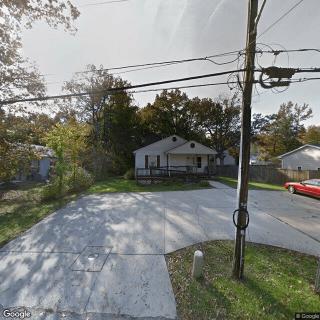




 Is Assisted Living Deductible on Your Taxes? Understanding the Complexities of Assisted Living Expenses and Deductions
 Assisted Living Support for Veterans: A Complete and Detailed Overview
 Exploring the Contrasts Between Assisted Living and Skilled Nursing