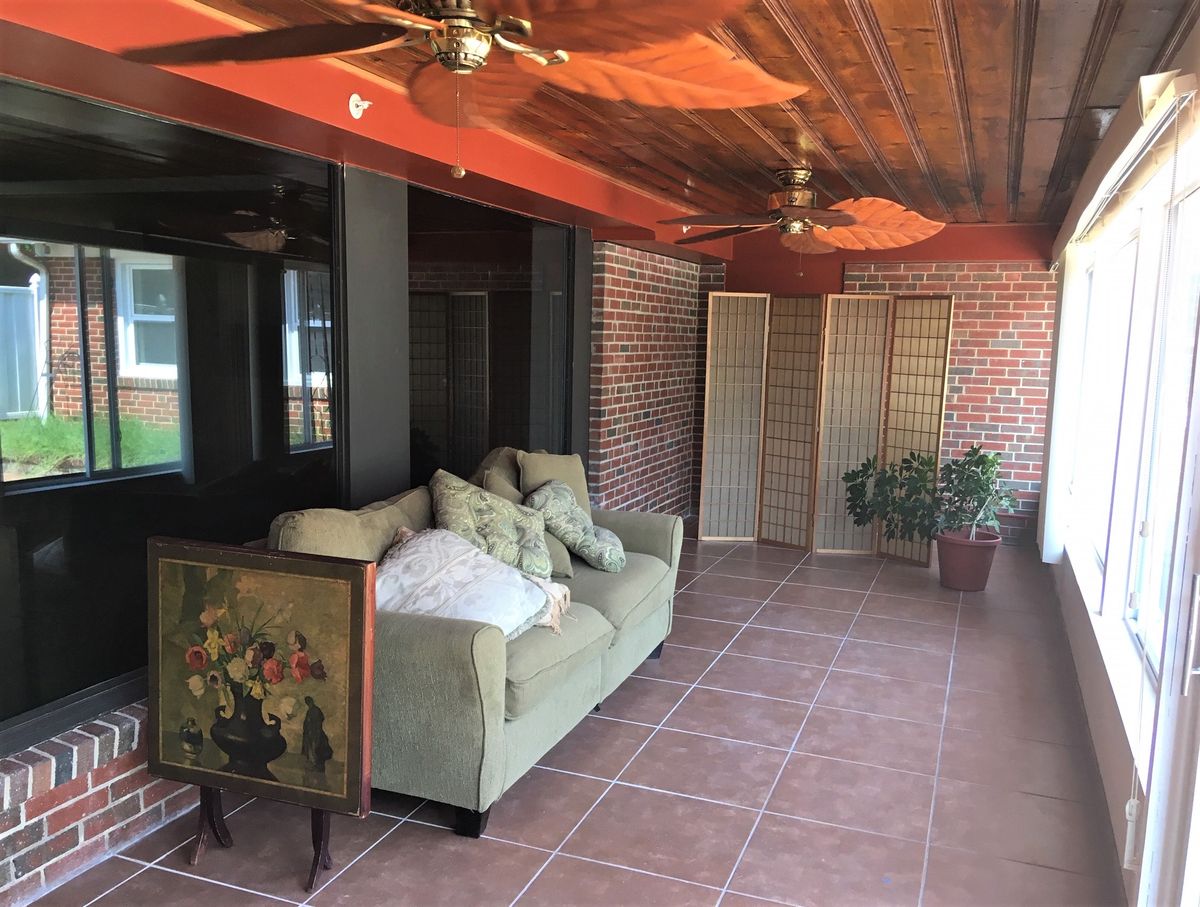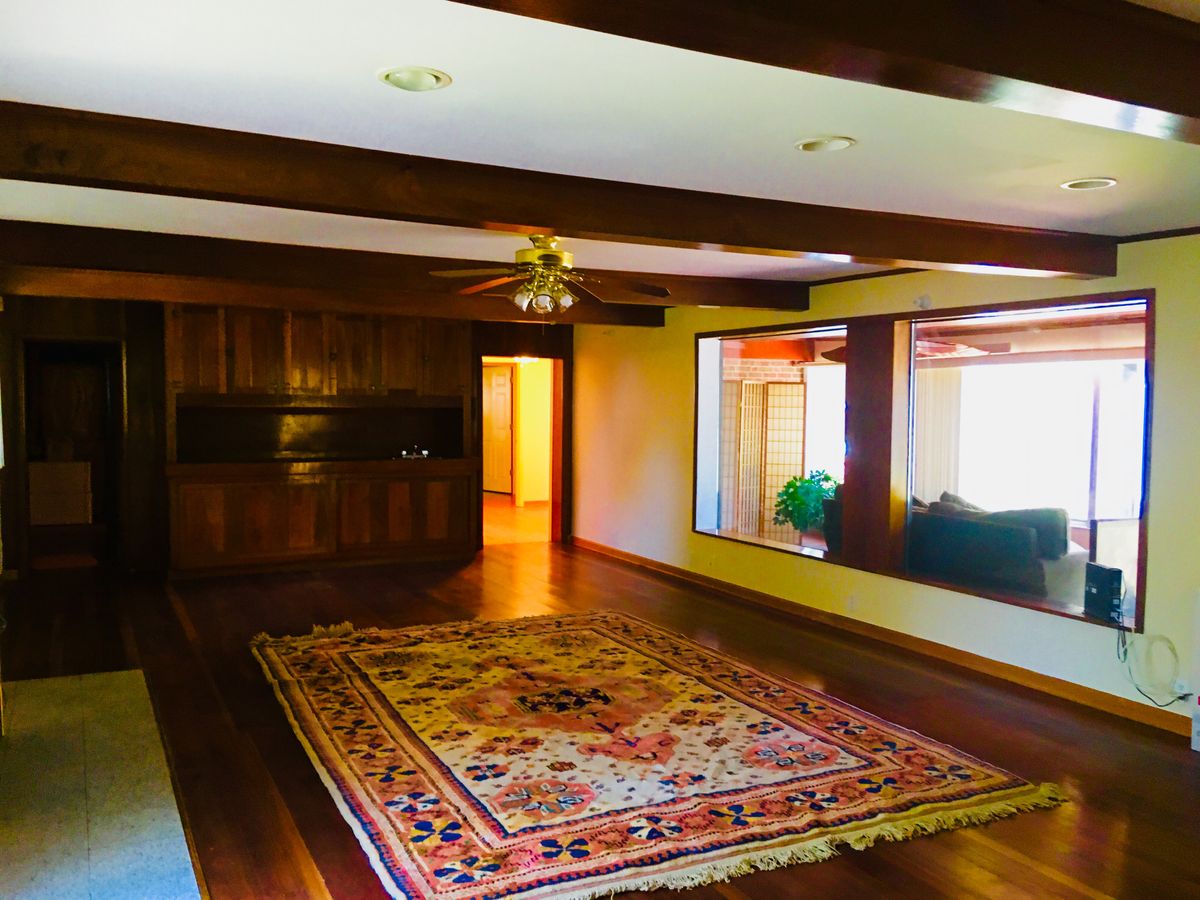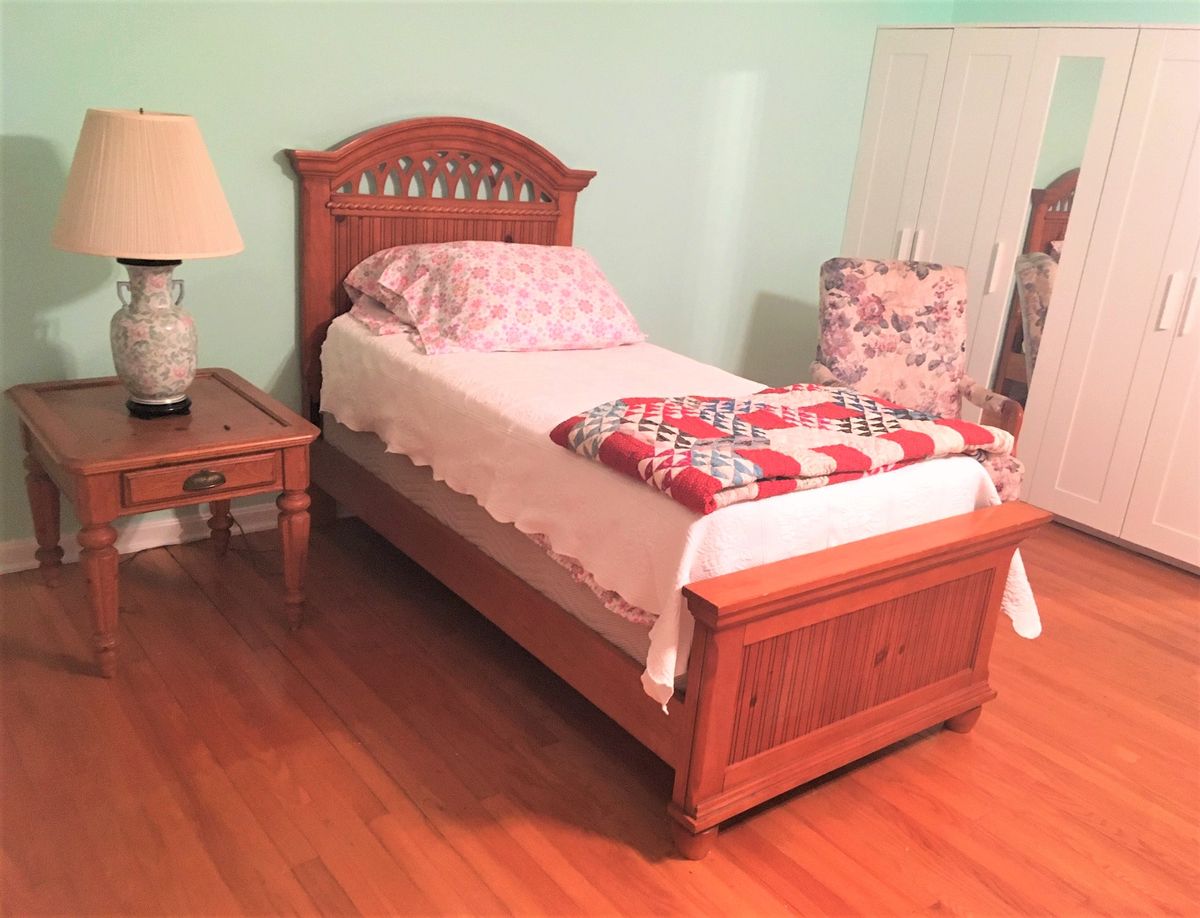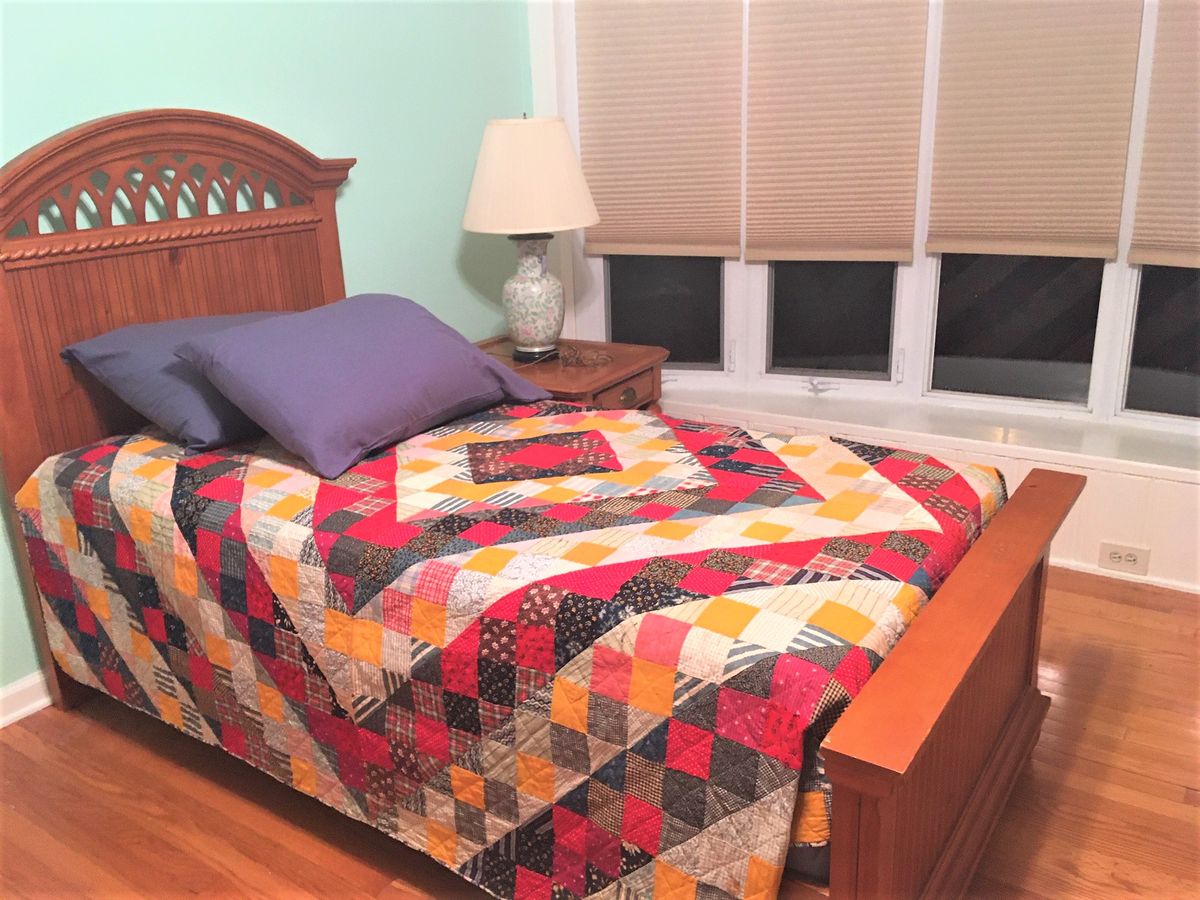
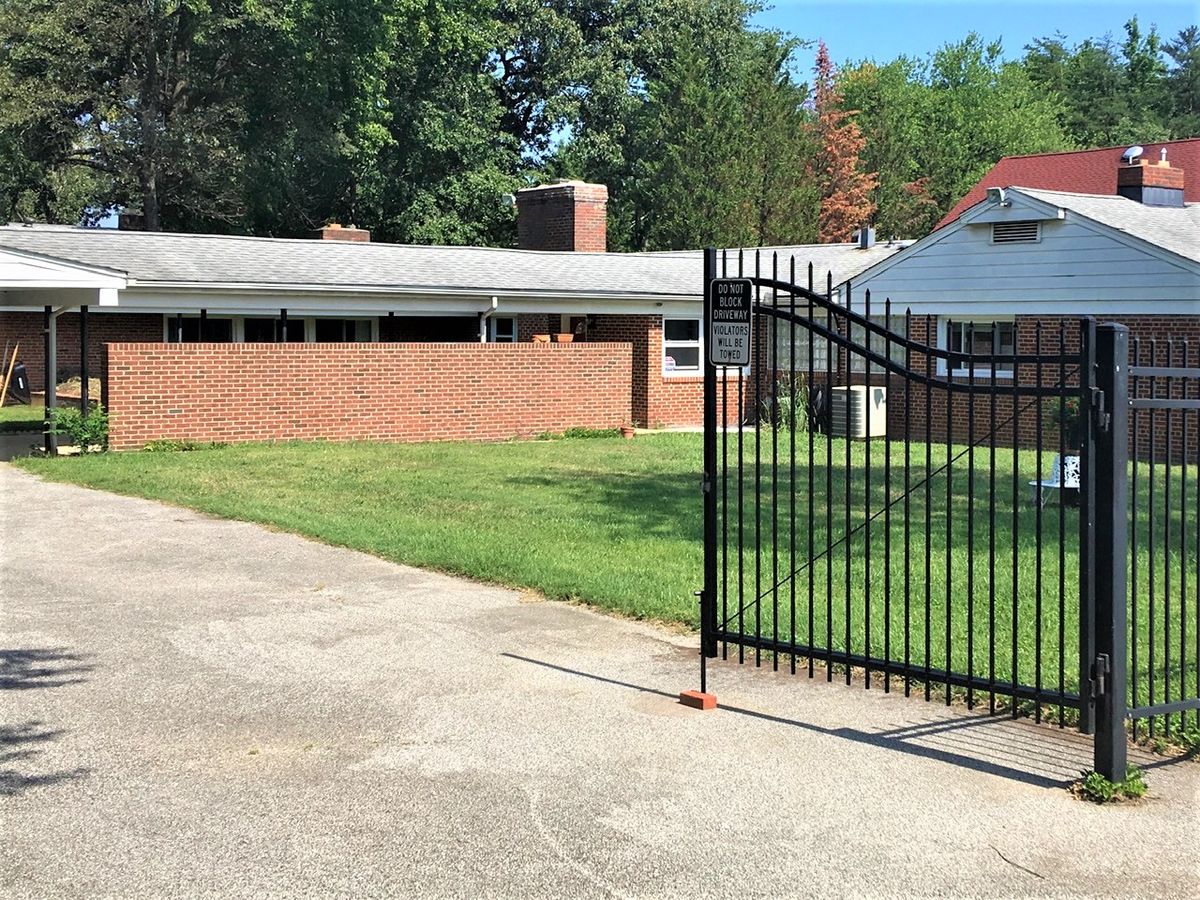
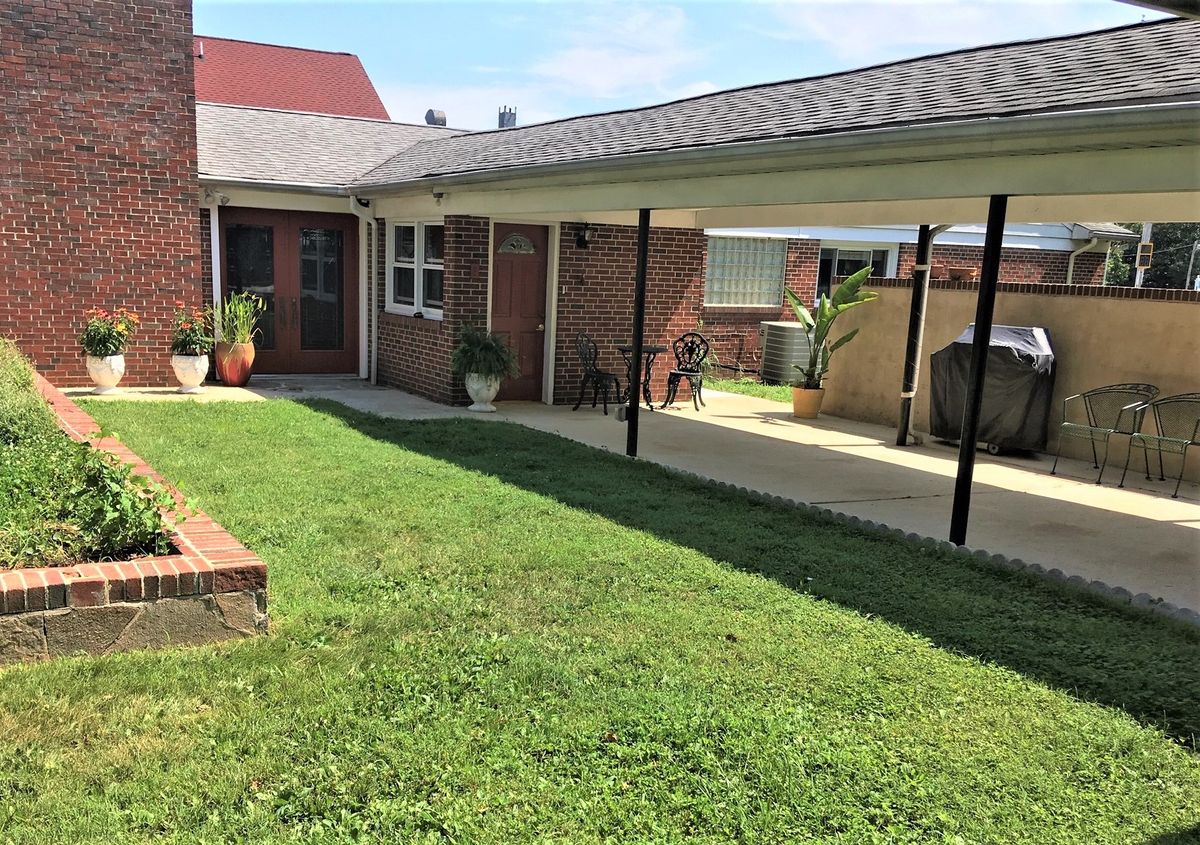
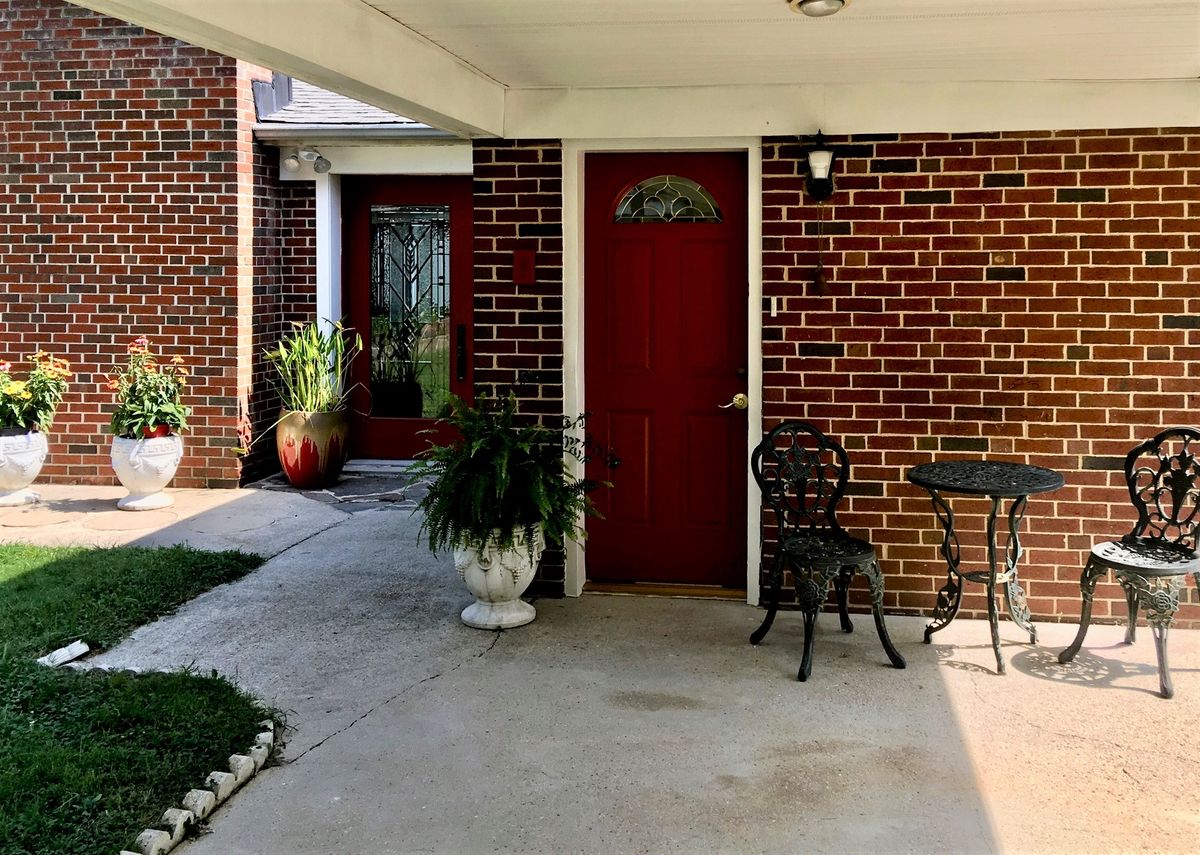
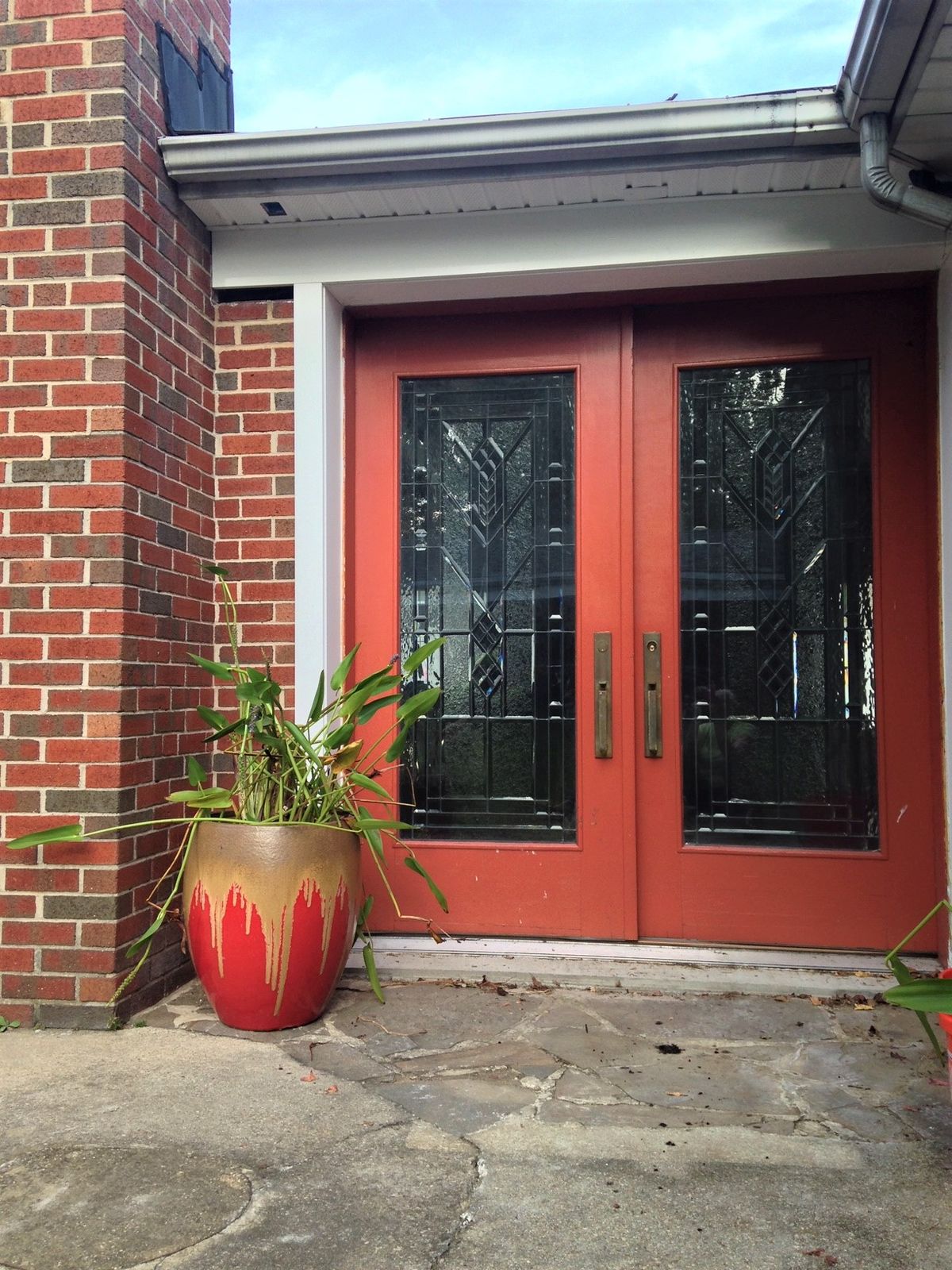

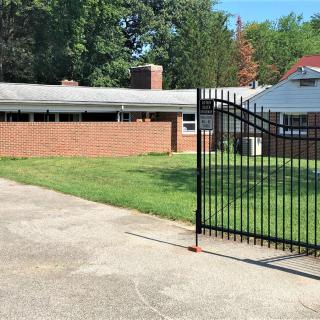

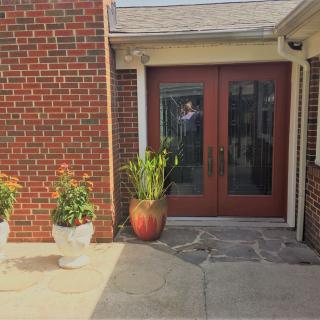
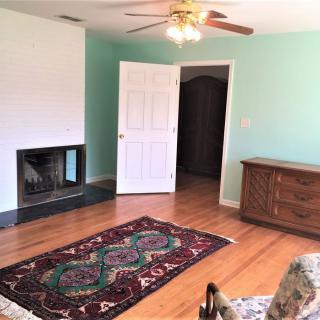


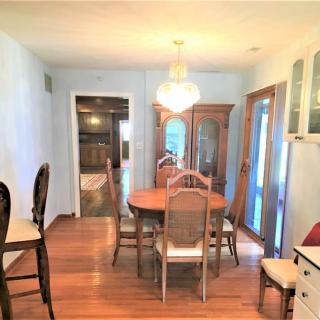
402 Marley Station Road, Glen Burnie, MD 21060
For more information about senior living options: (866) 208-4318
Overall Review of Otium Senior Care
Pros
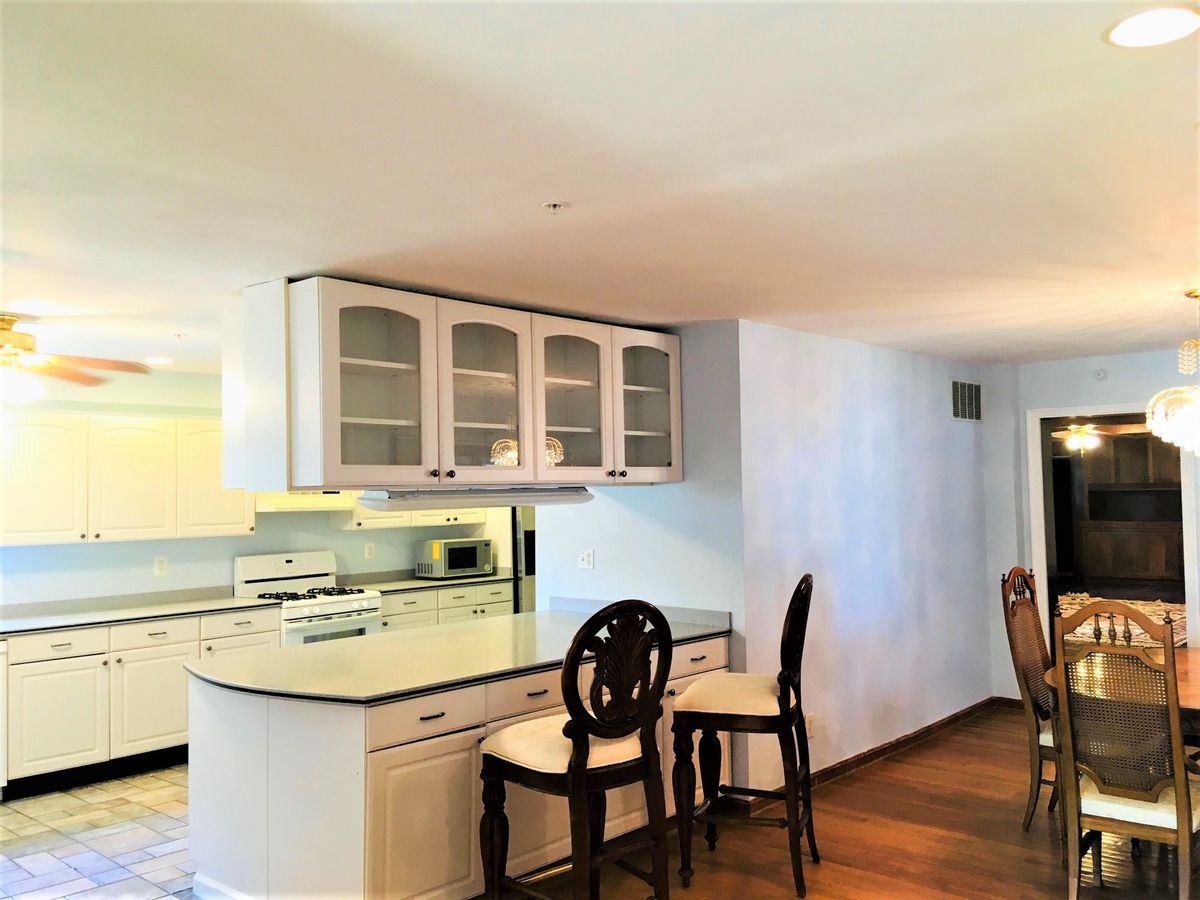
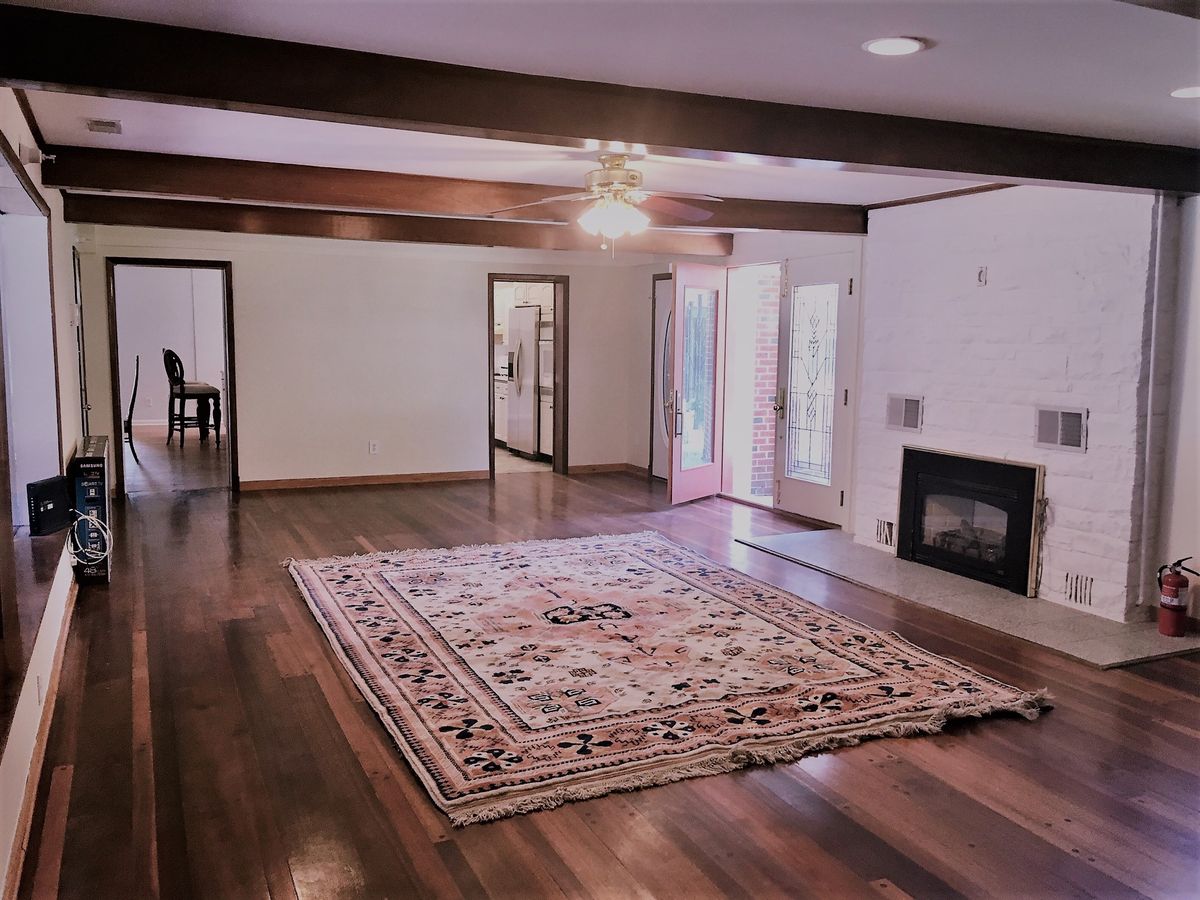
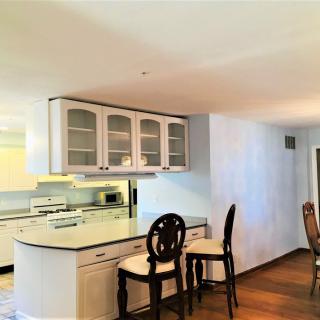
 House of Loving Care is the nicest assisted living facility in Anne Arundel County.
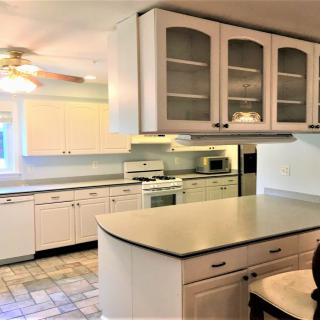
- The homes are immaculate and the residents are well cared for.
- The attention to detail at House of Loving Care is exceptional.
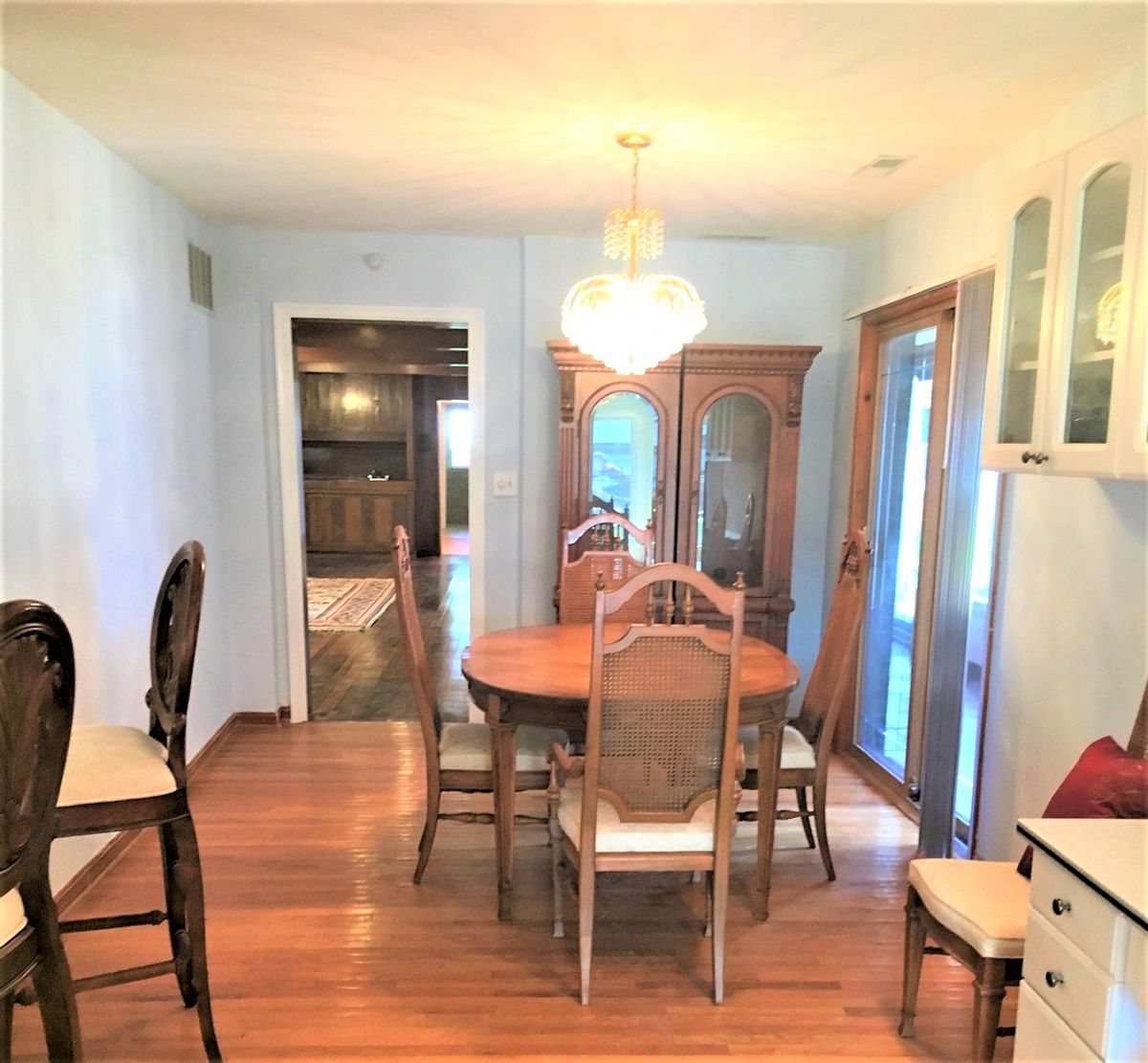
- Every meal is well balanced, delicious, and beautifully presented.
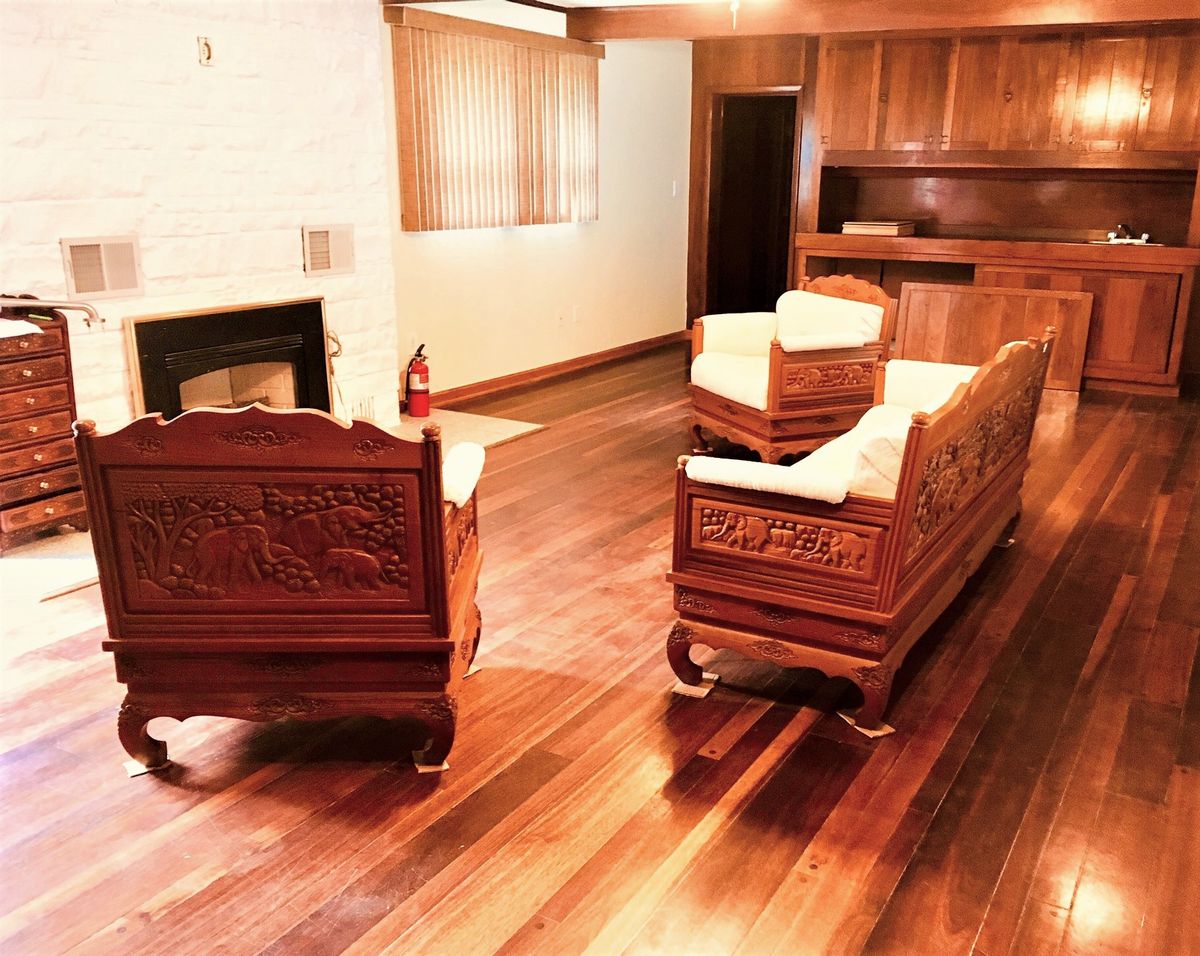
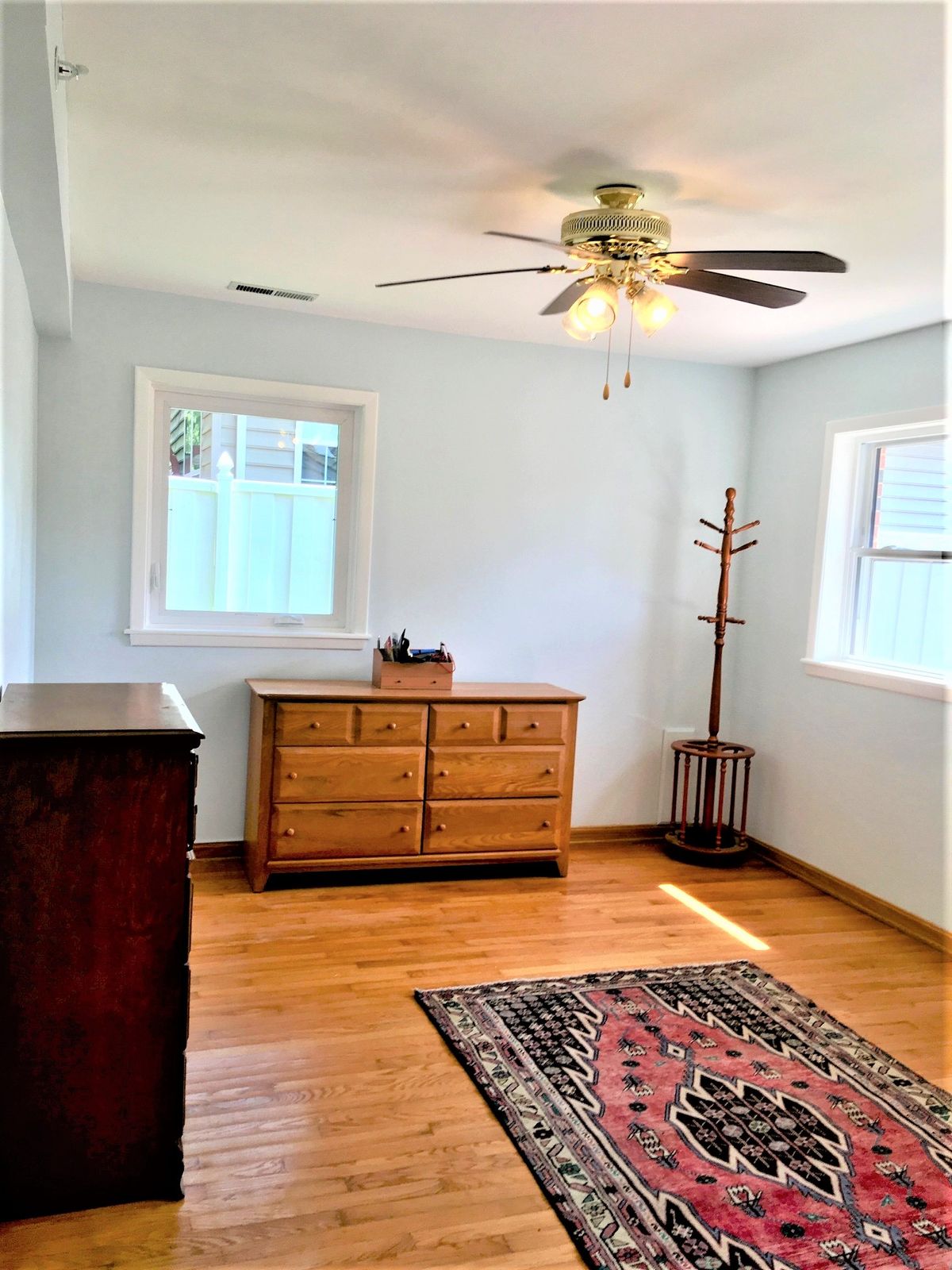
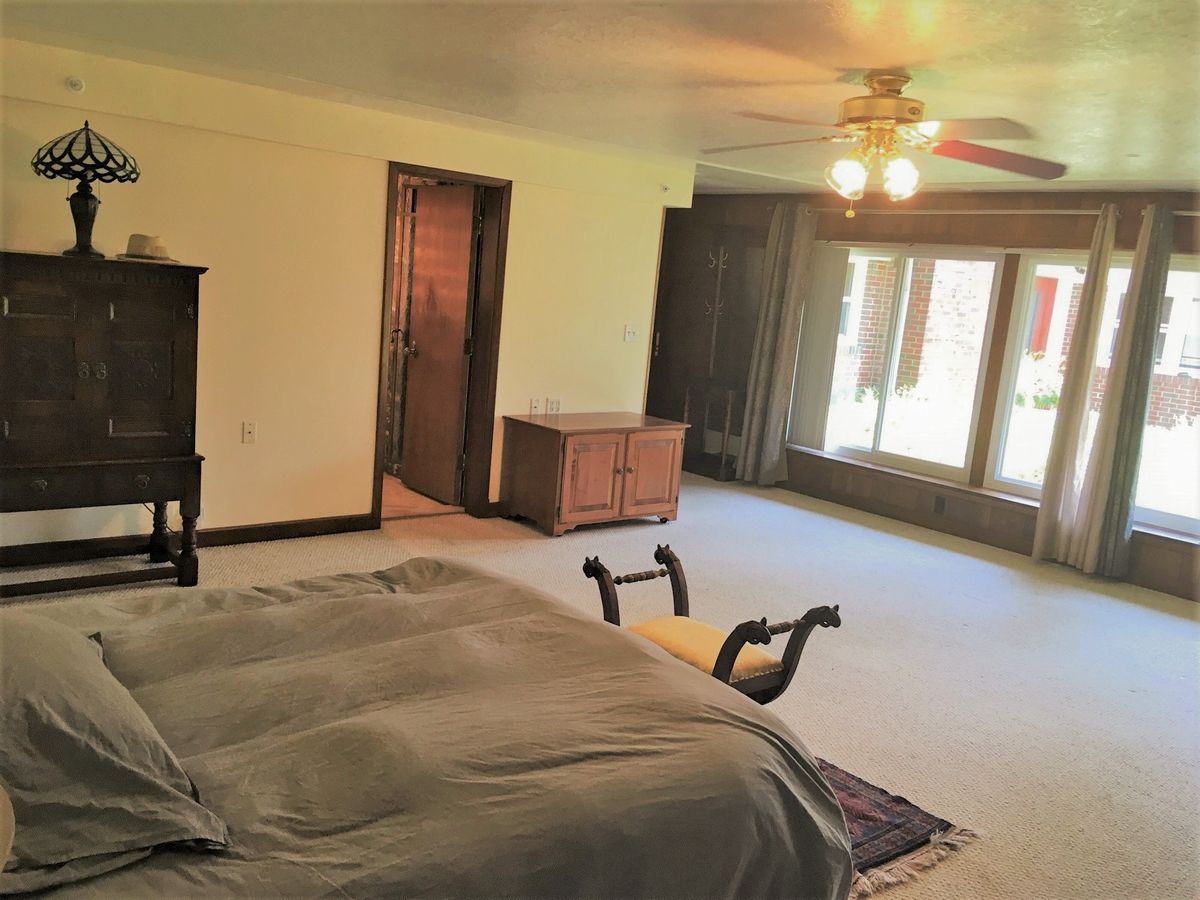
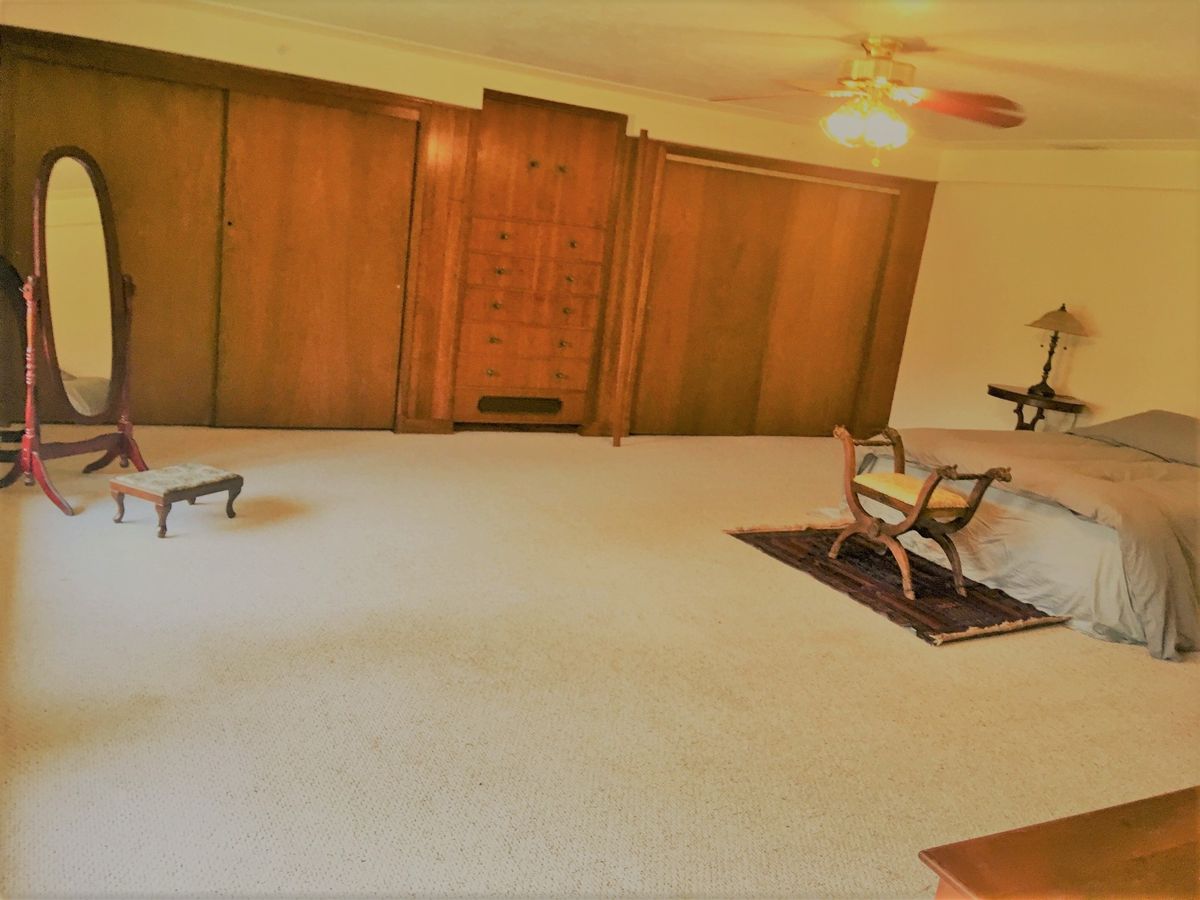
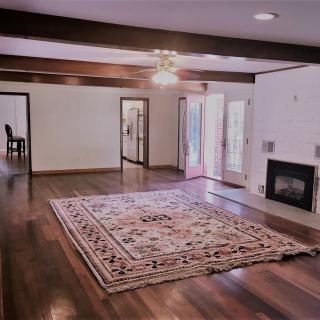
- The facility feels like a home where residents are treated as family, with warmth evident upon entering.
- There is no comparison to the exceptional daily care provided to residents.
- Vanessa's leadership makes the homes lovely and her compassion shines through in her work.
- The staff provide TLC and residents receive excellent care.
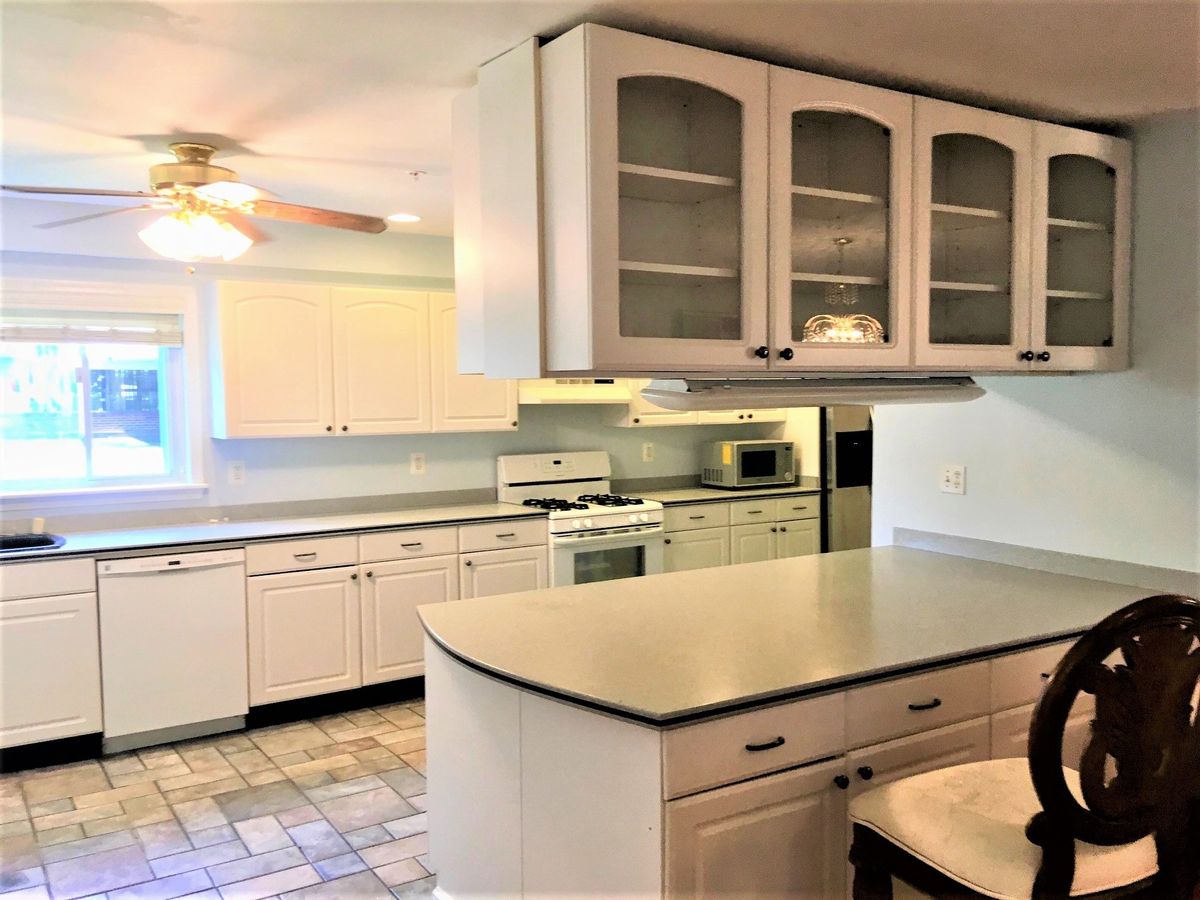
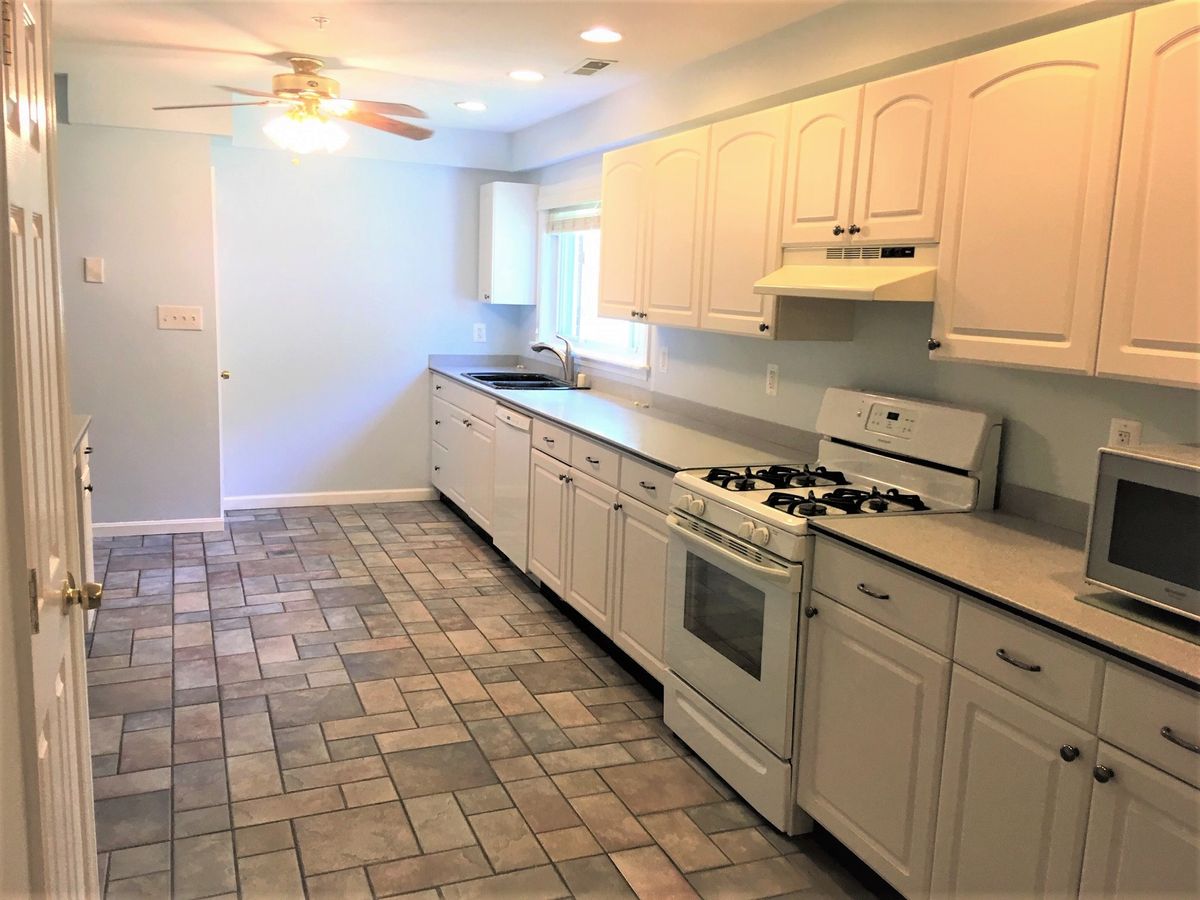
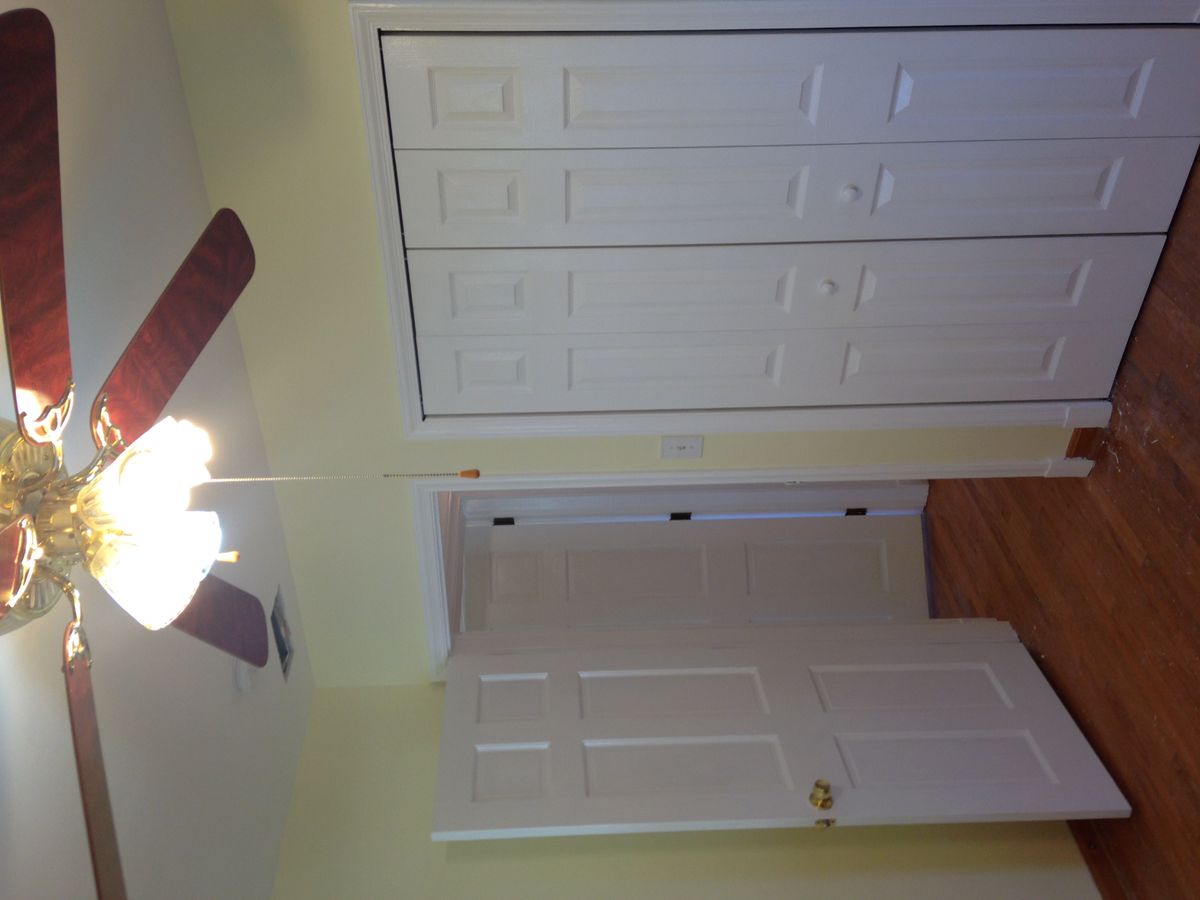
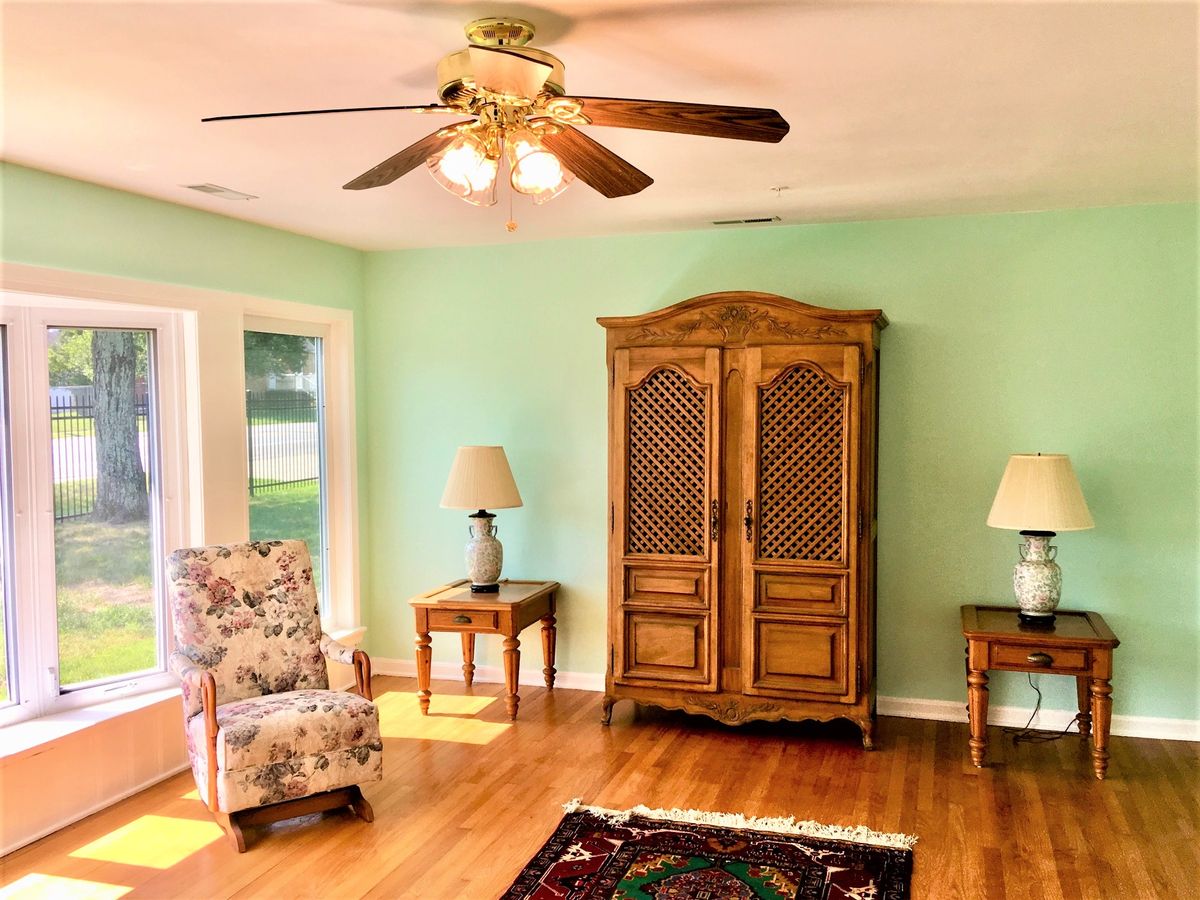
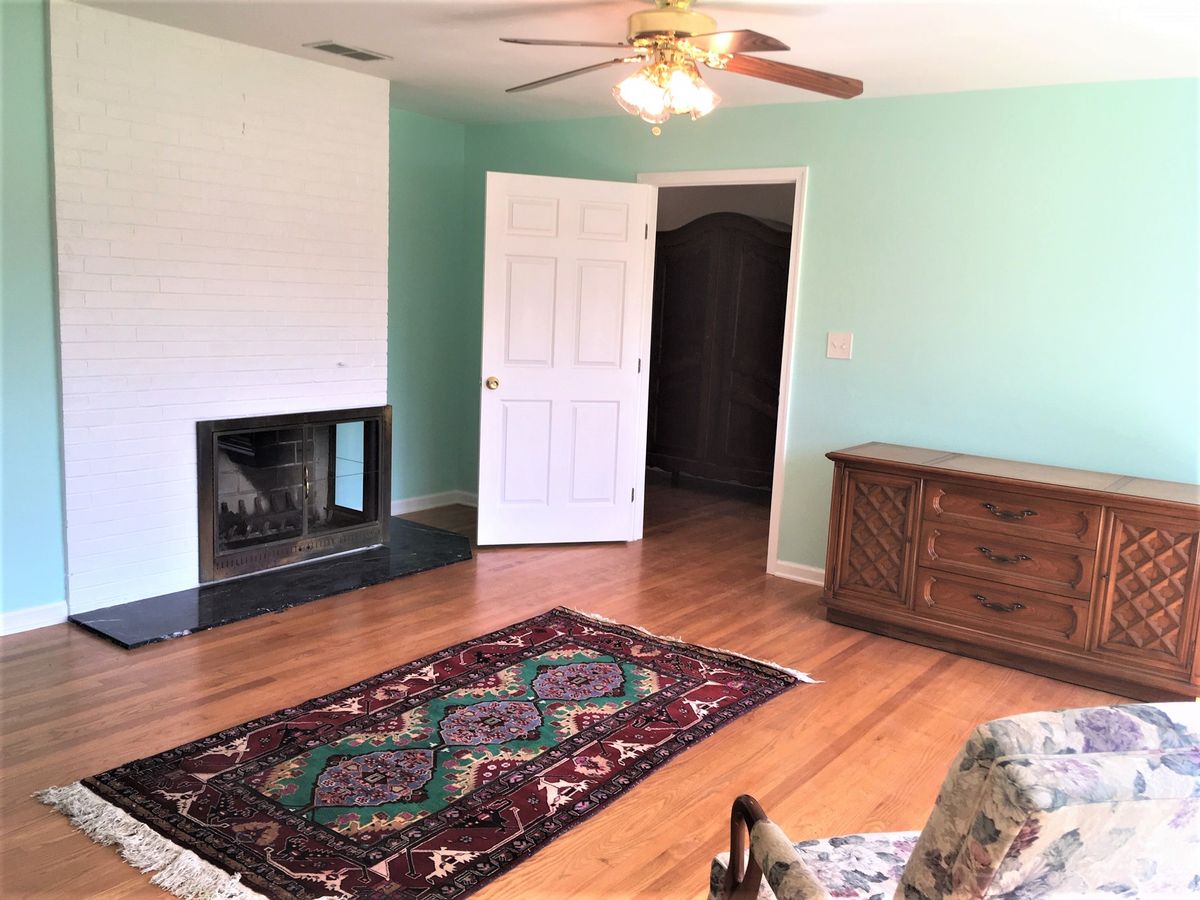
- The home is clean, beautiful, and well kept; the staff are pleasant and helpful.
- Many residents have stayed for years and are very satisfied.
- The manager is highly effective and resident care is always a top priority.
- In-home church services and celebratory events are provided to accommodate residents.
Cons
 A reviewer described the staff as very rude and said calls were hung up on for no reason, cautioning others to think twice before placing loved ones there.
- A reviewer described the owner as greedy, rude, and conceited.
Review
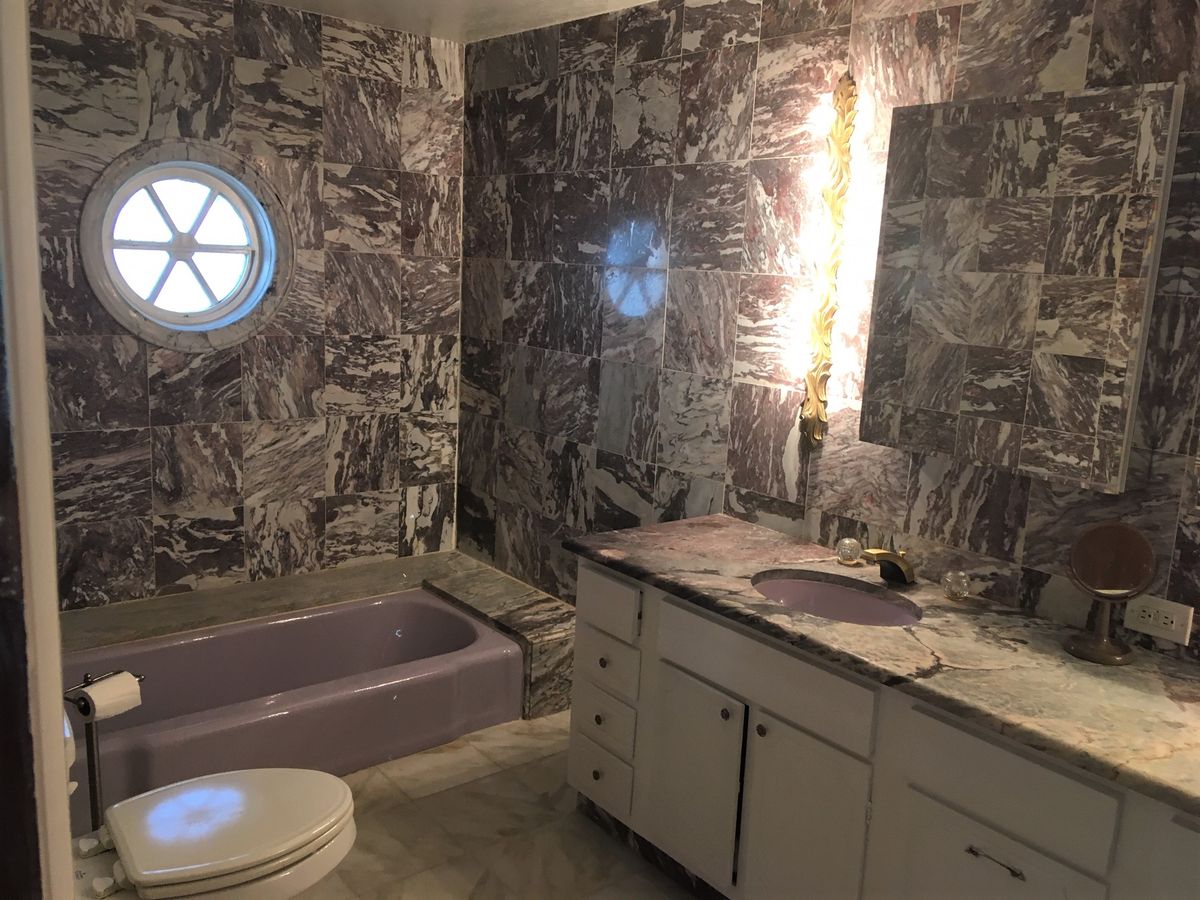
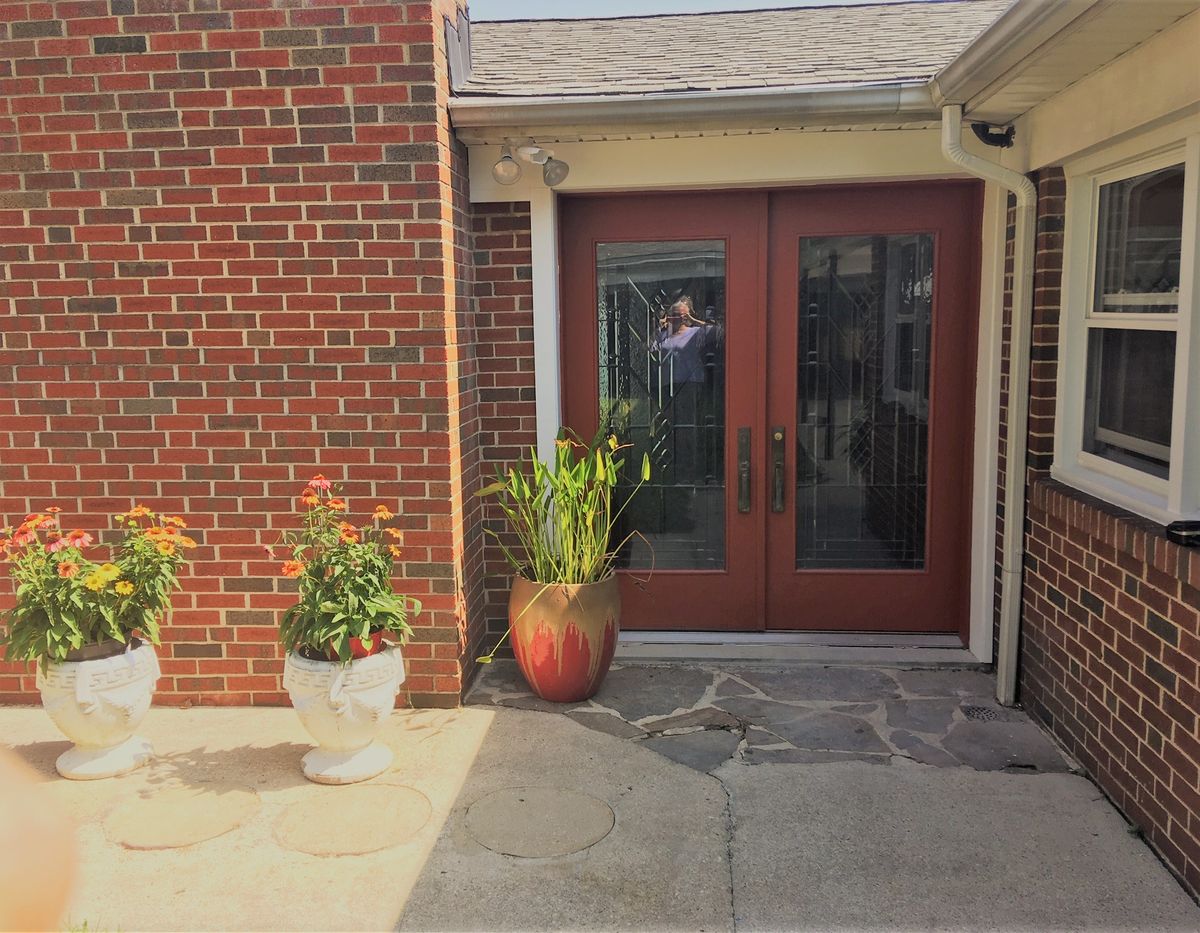
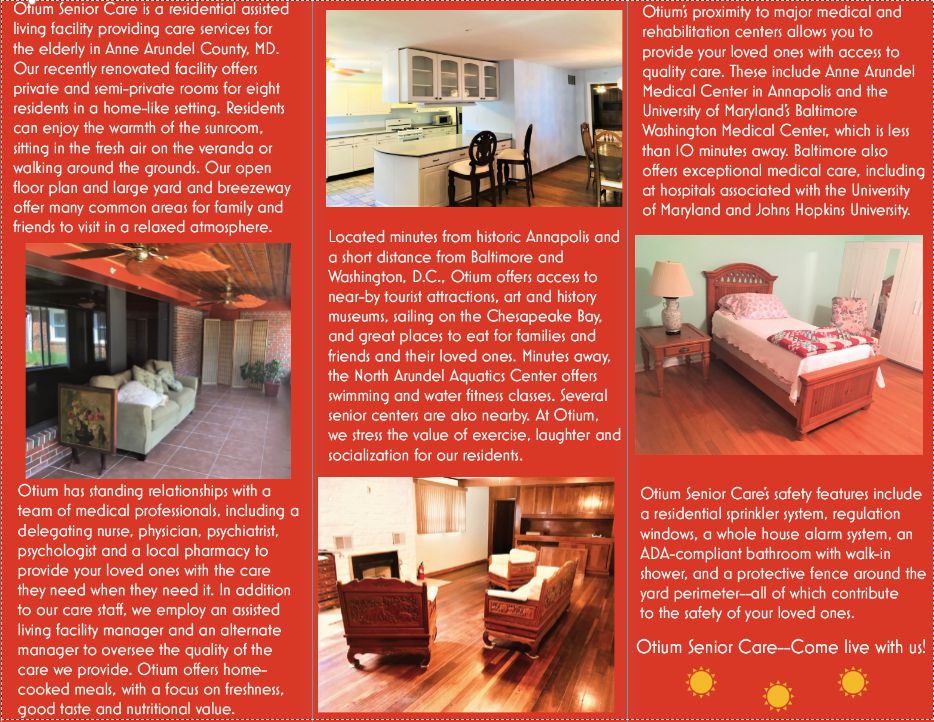
Otium Senior Care in Glen Burnie is best suited for families seeking a true home-like atmosphere with intimate, hands-on care and a manager who remains actively involved on the floor. The community excels when residents value warmth, regular updates, and a setting that feels like family rather than a corporate campus. It is a fit for seniors who prize cleanliness, personal attention, and social rituals, meals that feel crafted, familiar routines, and opportunities for on-site activities that reinforce a sense of belonging. In short, this is the product of a small, caregiver-led operation that prioritizes relationships and everyday comfort over scale.
Those who may want to consider alternatives include families caring for residents with complex medical needs that require robust clinical resources or a facility with a more formal, policy-driven environment. If a resident’s plan calls for frequent nursing oversight, specialized medical staffing, or a campus with extensive programming and multiple campus locations, a larger, more standardized community could offer the predictability and variety that such needs demand. Additionally, families who prioritize fully consistent operational protocols and less dependence on a single leader’s personal approach might prefer facilities with deeper corporate structures.
The strongest positives sit squarely in the human texture of care. The environment tends to be impeccably clean and well maintained, with staff and management described as genuinely warm and attentive. Residents appear to receive individualized attention, praise for responsive communication, and a sense that their moments, birthdays, holidays, religious observances, are honored with small, meaningful celebrations. A hands-on owner or manager fosters a tight-knit culture where staff are supported, residents are treated as important members of a small community, and family members feel able to drop by without a formal schedule. These factors collectively create a reassuring sense of safety and dignity for residents and their families.
On the flip side, the main concerns center on the inherent risks of a small, owner-led model. When leadership exits the day’s routine, there is potential for uneven experiences to arise, especially if the staff team is lean or if communication patterns lean heavily on a single person. One review highlights the possibility of negative interactions or perceptions of management behavior, which underscores that the warmth and responsiveness of the operation can hinge on interpersonal dynamics. For families weighing this option, such concerns are not universal, but they are real enough to warrant careful probing, especially for residents who require clear, consistent boundaries and a predictable care framework.
These pros offset the cons in a meaningful, practical way. The same intimate setting that may raise concerns about consistency also enables rapid problem resolution and truly open channels for family involvement. The ability to “know the staff” and to receive direct, timely updates can reduce anxiety for caregivers and loved ones who must stay informed. The emphasis on daily routines, meal quality, and celebration of residents’ milestones strengthens emotional well-being, which in turn can lessen the need for higher clinical intervention in the short term. In essence, the advantages of warmth, cleanliness, and personalized attention tend to compensate for the structural risks that accompany a smaller, owner-led operation.
For families evaluating options, the decision hinges on aligning priorities with care philosophy. If a loved one thrives in a setting where caregivers remember names, preferences, and personal histories, and where visits feel welcome rather than intrusive, this community offers substantial value. Prospective residents should verify care plans, ask about staff-to-resident ratios, and request direct conversations with the leadership team to understand how they handle escalation, medical coordination, and family updates. Visiting unannounced, meeting the essential care team, and observing meal times and activity calendars will illuminate whether the home-like atmosphere translates into dependable daily care.
The bottom line is clear. Otium Senior Care in Glen Burnie likely represents a strong choice for seniors who want a warm, intimate, and well-maintained home with highly personal attention and regular family communication. Its strengths lie in a genuinely caring culture, consistent cleanliness, and a setting that makes residents feel valued and remembered. The trade-off is the potential variability intrinsic to small, owner-driven operations, particularly for families with residents whose needs exceed what a compact, home-style model routinely provides. For those who prize heart-over-hire-for-scale, this option deserves serious consideration; for those seeking expansive clinical resources and formal processes, exploring larger, more standardized communities is advisable.
 Assisted Living
 Air-conditioning
 Beauty salon
 Cable or satellite TV
 Dining room
 Family education and support services
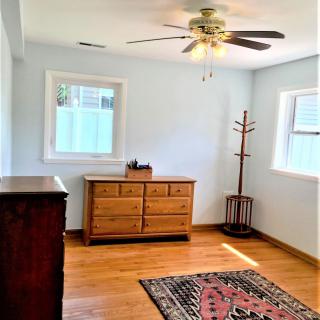
 Fully furnished
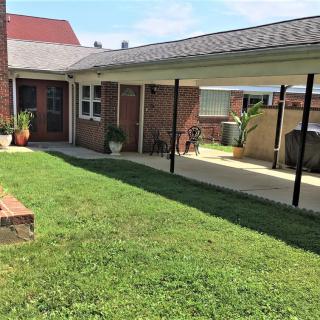
 Garden
 Housekeeping services
 Located close to restaurants
 Located close to shopping centers
 Move-in coordination
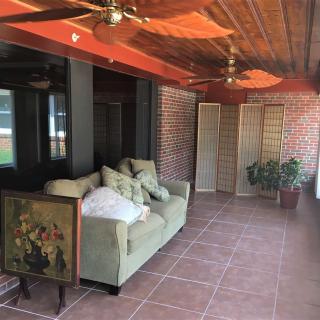
 Outdoor patio
 Outdoor space
 Wi-Fi/high-speed internet available
 Baltimore-Washington International (4 miles away)
 24-hour call system
 Activities of daily living assistance
 Administer insulin injections
 Assistance with bathing
 Assistance with dressing
 Assistance with transfers
 Diabetes diet
 Meal preparation and service
 Medication management
 Physical therapy
 Special dietary restrictions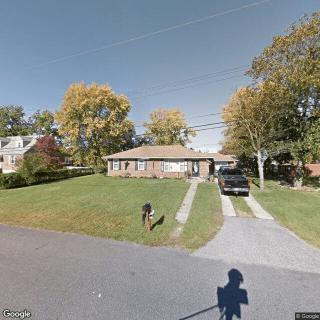

 Understanding the Distinctions: Assisted Living and Memory Care Explained
 Guiding Elderly Parents Who Refuse Assisted Living: 6 Practical Steps
 Your Comprehensive Guide to Luxury Assisted Living: Elevated Facilities, Amenities, and Costs