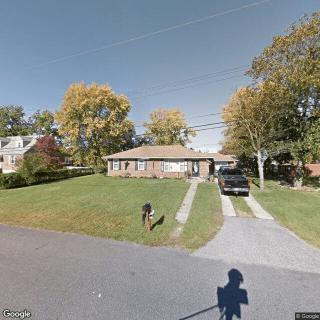
House Of Loving Care II

206 Marley Station Road, Glen Burnie, MD 21061

For more information about senior living options: (844) 490-3973

4.2 from 15 reviews
5 stars
12
4 stars
0
3 stars
0
2 stars
0
1 stars
3

Assisted Living

Overall Review of House Of Loving Care II

Pros

  • pro The reviews describe House of Loving Care as the nicest assisted living facility in Anne Arundel County.
  • pro The homes are immaculate and residents are well cared for, with exceptional attention to detail.
  • pro Every meal at the facility is well balanced, delicious, and beautifully presented.
  • pro The environment is described as a true home where residents are treated as family and warmth is evident from the moment of entry.
  • pro Vanessa is described as a sweet, caring owner who runs a compassionate and well-organized operation.
  • pro The staff are described as pleasant, helpful, and dedicated to high-quality care, with cleanliness as a priority.
  • pro Families report open communication and confidence in the care provided.
  • pro The facility offers in-home church services and celebrates birthdays and holidays, recognizing residents and staff.

Cons

  • pro One reviewer described the staff as very rude and claimed calls were hung up on with no explanation.
  • pro Another reviewer accused the owner of greed, rudeness, and conceit, including paying a trainee only $6.66 per hour for training.
  • pro A reviewer advised others to think twice before placing a loved one there due to concerns about communication and overall care.

Review

House of Loving Care stands out in Anne Arundel County as a remarkably warm and well-run option in the world of assisted living. Across numerous impressions from case managers and family members, the homes are described as more than just facilities - they feel like true residences where residents are treated with consistent dignity and care. The overarching tone is one of genuine appreciation for the environment, the people, and the daily rhythms that make life there feel comfortable and familiar.

The physical environment receives frequent high marks. Reviewers consistently describe the homes as immaculate, clean, and well maintained, both inside and out. The attention to detail is highlighted time and again - from the polished appearance of common areas to the neat, comfortable rooms that help residents feel settled. The dining experience is singled out as well, with meals characterized as balanced, delicious, and beautifully presented, complemented by thoughtful touches such as tasteful table decor. The overall impression is that these settings are designed to feel like home, not like an institution, and that is said to contribute significantly to residents' sense of well-being.

Care and compassion emerge as the defining strengths of House of Loving Care. Many reviewers place high value on the staff's patience, warmth, and attentiveness. The owner, Vanessa, is frequently praised for her compassionate leadership and for personally contributing to the sense of a supportive, family-like atmosphere. Comments repeatedly emphasize the staff's willingness to go the extra mile, the hands-on involvement of the leadership team, and a shared commitment to residents' comfort and happiness. The staff are described as consistently pleasant, approachable, and responsive, with families feeling that communication is a strong point - whether during the transition to placement or in ongoing updates about a loved one's day-to-day life.

The experiences of residents and their families underscore the facility's reputation for reliability and continuity of care. Many reviews note long stays and enduring relationships, with family members expressing gratitude for how well relatives have adapted to the home environment. Examples include a sister who has lived there for many years and a Uncle who has been cared for on the premises for over a decade. Such anecdotes fuel a belief among supporters that the homes provide steadiness and trust - qualities that families often value most when making difficult placement decisions. The sense conveyed is that once a loved one becomes part of the House of Loving Care family, both residents and their families feel supported and secure.

Beyond daily care, the homes' culture of celebration and spiritual accommodation further reinforces the homey atmosphere. Reviewers mention in-home church services of different denominations, along with regular birthday and holiday parties. These elements speak to a philosophy that extends care beyond basic needs to include meaningful connections, personal rituals, and a sense of communal belonging. The result is a setting where residents are recognized and cherished, contributing to a more joyful and dignified daily life.

Despite the overwhelmingly positive feedback, a minority of voices acknowledge challenges that can accompany any senior care setting. One reviewer described a negative experience with communication, reporting that calls were not answered promptly or were ended abruptly. This account stands in contrast to the frequent praise for quick and open communication observed elsewhere in the reviews, suggesting that, as with any facility, experiences can vary by moment, person, and circumstance. Here, the takeaway is that prospective families should still verify communication practices during visits and consider how a facility handles concerns or questions in real time.

A separate, highly critical review introduces a markedly different perspective. The commenter claims a negative workplace experience, alleging poor treatment and, more controversially, making a racially charged accusation about the owner. This account focuses not on resident care but on employment conditions and interpersonal dynamics, including a claim about training pay and the ethical dimensions of workplace compensation. While this review stands apart from the others, it is important to acknowledge that it provides a contrasting viewpoint that families may weigh alongside the more prevalent testimonials. As with any single report, readers should consider multiple perspectives, seek corroborating information, and assess what aligns with their own values and expectations for care.

Taken together, the collection of reviews presents a nuanced portrait of House of Loving Care. The majority of voices celebrate a facility that feels like a true home - clean, well-kept, and staffed by people who genuinely care about residents' well-being. Families repeatedly highlight the quality of daily life, the warmth of staff, and the clear leadership of Vanessa as central pillars of the experience. While isolated criticisms exist, they appear as exceptions rather than the rule and serve as reminders that every care setting comes with its own set of challenges and differing experiences. For anyone considering this option, the consistent thread across most accounts is a strong belief that residents are treated with kindness, attention, and respect in a home-like environment that prioritizes dignity, comfort, and community.

Features

Housing

  • 7 resident community capacity 7 resident community capacity

Types of Care

  • Assisted Living Assisted LivingAssisted living facilities provide crucial support and care for seniors who may need help with daily tasks such as medication management, bathing, and meal preparation. These communities offer a safe and comfortable environment where seniors can maintain their independence while receiving the assistance they need to thrive in their golden years.

Amenities

  • Cable or satellite TV Cable or satellite TVCable or satellite TV is important for seniors because it provides entertainment, news, and companionship, helping to combat loneliness and boredom. It also offers a wide range of programming options tailored to different interests and preferences.
  • Dining room Dining roomDining rooms are important for seniors as they provide a space for socialization, connection, and nutritious meals. They offer opportunities for residents to bond over shared meals, foster a sense of community, and promote healthy eating habits. Dining rooms also ensure that seniors have access to well-balanced meals tailored to their dietary needs and preferences.
  • Fully furnished Fully furnishedFully furnished senior living communities are important for seniors because they provide convenience, comfort, and a hassle-free moving experience. Seniors can easily settle into their new living space without the stress of having to buy and move furniture. This allows them to focus on enjoying their new home and community.
  • Garden GardenGardens are important for seniors as they provide a peaceful and therapeutic environment for relaxation, physical activity, and socialization. Being in nature has been shown to reduce stress, improve mood, and promote overall well-being. Gardens also offer opportunities for seniors to engage in gardening activities, which can improve mobility, flexibility, and cognitive function. Additionally, gardens create a sense of community and connection with others who share a passion for plants and outdoor spaces.
  • Housekeeping services Housekeeping servicesHousekeeping services are important for seniors because they help maintain a clean and safe living environment, promote independence, and reduce the risk of accidents or illnesses. Additionally, having assistance with household chores can alleviate physical strain and allow seniors to focus on other aspects of their well-being.
  • Move-in coordination Move-in coordinationMove-in coordination is important for seniors because it helps ease the transition into their new living environment. It ensures that all logistics, such as packing, organizing movers, and setting up utilities are taken care of, allowing seniors to focus on settling in and adjusting to their new home. Having a smooth move-in process can alleviate stress and anxiety, making the transition smoother and more enjoyable for seniors.
  • Outdoor space Outdoor spaceOutdoor spaces are important for seniors as they provide opportunities for physical activity, social interaction, exposure to natural light and fresh air, and a sense of connection to nature. Having access to outdoor spaces can improve overall well-being and quality of life for older adults living in senior communities.
  • Telephone TelephoneTelephones are important for seniors as they provide a lifeline for communication with loved ones, emergency services, and healthcare providers. They offer a sense of security and independence, enabling seniors to stay connected and access assistance when needed.
  • Wi-Fi/high-speed internet available Wi-Fi/high-speed internet availableWi-Fi/high-speed internet is important for seniors to stay connected with loved ones, access online resources, and participate in virtual activities to combat feelings of loneliness and isolation. It also allows them to easily manage healthcare needs, access entertainment, and engage in lifelong learning opportunities.

Transportation

  • Baltimore-Washington International (4 miles away) Baltimore-Washington International (4 miles away)

Care Services

  • 24-hour supervision 24-hour supervision24-hour supervision is important for seniors to ensure their safety, well-being, and access to immediate assistance in case of emergencies or health issues. This constant support provides peace of mind for both seniors and their loved ones, allowing them to age in place with dignity and security.
  • Activities of daily living assistance Activities of daily living assistanceActivities of daily living assistance are important for seniors because they provide essential support with tasks such as eating, bathing, dressing, and mobility. This assistance helps seniors maintain their independence, dignity, and overall quality of life as they age.
  • Assistance with bathing Assistance with bathingAssistance with bathing is crucial for seniors as it helps maintain personal hygiene, prevents infections, and ensures their overall well-being and comfort. It also provides a sense of dignity and independence for seniors who may struggle with this task on their own.
  • Assistance with dressing Assistance with dressingAssistance with dressing is important for seniors because it helps maintain their independence, promotes personal hygiene, prevents accidents and injuries, and improves overall quality of life. This service ensures that seniors can continue to dress comfortably and confidently, despite any physical limitations they may have.
  • Assistance with transfers Assistance with transfersAssistance with transfers is crucial for seniors as it helps prevent falls and injuries, maintains their independence, and ensures they can safely navigate their living environment. It also provides peace of mind for both seniors and their loved ones.
  • Coordination with health care providers Coordination with health care providersCoordination with health care providers is crucial for seniors to ensure proper medical care, medication management, and overall well-being. This collaboration helps prevent overlapping treatments, track progress more effectively, and provide comprehensive support tailored to individual needs.
  • Diabetes diet Diabetes dietA diabetes diet is crucial for seniors as it helps manage blood sugar levels, reduce risks of complications, and improve overall health and well-being. By following a balanced and nutritious diet tailored to their specific needs, seniors can better control their diabetes and enhance their quality of life.
  • Meal preparation and service Meal preparation and serviceMeal preparation and service are crucial for seniors as they may have limited mobility or energy to cook nutritious meals. Having access to healthy and convenient food options can ensure they are getting the proper nutrition needed to maintain their overall health and well-being.
  • Medication management Medication managementMedication management is crucial for seniors to ensure they are taking the right medications at the correct dosages and times. This helps prevent adverse drug interactions, reduces the risk of medication errors, and promotes overall health and well-being. Proactive management also allows for adjustments as needed based on changing health conditions or new prescriptions.
  • Special dietary restrictions Special dietary restrictionsSpecial dietary restrictions are important for seniors because age-related changes in metabolism and health conditions can make it difficult for their bodies to process certain foods. By following a diet tailored to their specific needs, seniors can maintain their overall health and well-being, manage chronic conditions, and reduce the risk of complications such as malnutrition or food interactions with medications.
  • Transportation arrangement (medical) Transportation arrangement (medical)Transportation arrangements for medical purposes are essential for seniors as they may have difficulty driving themselves to appointments or accessing public transportation. Having reliable and safe transportation options ensures that seniors can receive timely medical care and maintain their health and well-being.
  • Transportation to doctors appointments Transportation to doctors appointmentsTransportation to doctors' appointments is crucial for seniors as it ensures they have access to necessary medical care and support for their health needs. Without reliable transportation, seniors may struggle to attend important appointments, leading to potential delays in treatment and health complications. Providing transportation services helps seniors maintain their overall well-being and quality of life.
Dining

  • Diabetes diet Diabetes dietA diabetes diet is crucial for seniors as it helps manage blood sugar levels, reduce risks of complications, and improve overall health and well-being. By following a balanced and nutritious diet tailored to their specific needs, seniors can better control their diabetes and enhance their quality of life.
  • Special dietary restrictions Special dietary restrictionsSpecial dietary restrictions are important for seniors because age-related changes in metabolism and health conditions can make it difficult for their bodies to process certain foods. By following a diet tailored to their specific needs, seniors can maintain their overall health and well-being, manage chronic conditions, and reduce the risk of complications such as malnutrition or food interactions with medications.

Activities

  • Community-sponsored activities Community-sponsored activitiesCommunity-sponsored activities are important for seniors as they provide opportunities for social interaction, mental stimulation, and physical activity. These activities can help improve overall well-being, combat loneliness and isolation, and promote a sense of belonging and purpose among older adults.
  • Scheduled daily activities Scheduled daily activitiesScheduled daily activities are important for seniors because they provide structure, socialization, mental stimulation, and physical activity. Engaging in regular activities can improve overall well-being and quality of life for seniors living in a community setting.

Description

House Of Loving Care II is an assisted living community located in Glen Burnie, MD. Our community offers a range of amenities to ensure the comfort and convenience of our residents. Our dining room provides delicious meals prepared by professional chefs, catering to special dietary restrictions as needed. The community is fully furnished, creating a cozy and homely atmosphere for our residents.

We understand the importance of maintaining an active and engaged lifestyle, which is why we offer scheduled daily activities for our residents to participate in. Our beautiful outdoor space allows residents to enjoy nature and relax in the fresh air. Additionally, Wi-Fi/high-speed internet and telephone services are available to keep residents connected with their loved ones.

At House Of Loving Care II, we prioritize the well-being of our residents by providing care services tailored to their individual needs. Our dedicated staff assists with activities of daily living such as bathing, dressing, and transfers. We also coordinate with healthcare providers for comprehensive care management. Residents with diabetes can benefit from our specialized diabetes diet plan.

Meal preparation and service are provided, ensuring that residents receive nutritious and tasty meals throughout the day. Medication management is also available for those who require assistance in taking their medications properly. Transportation arrangements for medical purposes and doctors' appointments are conveniently arranged by our staff.

Our community is situated near various amenities in the area. Cafes, parks, pharmacies, physicians' offices, restaurants, transportation options, and places of worship are easily accessible to our residents.

At House Of Loving Care II, we strive to provide a loving and caring environment where our residents can age gracefully while receiving exceptional care and enjoying life to the fullest extent possible.

Nearby Places of Interest

Pharmacies

  • Walgreens (0.4 miles)
  • Rite Aid (1.1 miles)
  • Rite Aid (1.7 miles)
  • CVS Pharmacy (2 miles)
  • Walgreens (2.2 miles)
  • Walgreens (2.6 miles)
  • CVS Pharmacy (2.8 miles)

Physicians

  • Mercy Personal Physicians (0.5 miles)
  • Oakwood Medical Building (1.1 miles)
  • Medical Arts Centre (1.6 miles)
  • Mid Atlantic Neurology Consultants (1.9 miles)
  • Anne Arundel Dermatolo (3.9 miles)
  • Maryland Primary Care Physicians (4.7 miles)
  • Plastic Surgery Specialists (5.2 miles)

Transportation

  • Baltimore/Washington International Thurgood Marshall Airport (BWI) (0.6 miles)
  • Cromwell Station/Glen Burnie Light Rail Station (2.6 miles)
  • Concourse D (4.3 miles)
  • Concourse C (4.3 miles)
  • BWI Baggage Claim 10 (4.4 miles)
  • Security Checkpoint - Concourse C (4.5 miles)
  • Security Checkpoint - Concourse D (4.5 miles)

Restaurants

  • Double T Diner - Pasadena (0.7 miles)
  • Honey Bee Diner (2 miles)
  • Chick-Fil-A (2.7 miles)
  • McDonald's (2.7 miles)
  • Golden Corral (3.3 miles)
  • The Greene Turtle Sports Bar & Grille (4.3 miles)
  • The Firkin & Flyer (4.4 miles)

Cafes

  • Panera Bread (1.6 miles)
  • Big Bean (5.7 miles)
  • Starbucks (7 miles)
  • Starbucks (7.7 miles)
  • Panera Bread (9.1 miles)
  • Starbucks (9.1 miles)

Parks

  • Sawmill Creek Park (2.6 miles)
  • Randazzo Softball Park (3.3 miles)
  • Fort McHenry National Monument and Historic Shrine (8.2 miles)
  • Piney Orchard Nature Preserve (8.9 miles)

Places of Worship

  • Heritage Community Church (4.2 miles)
  • St John the Evangelist Church (6.1 miles)
  • St Augustine's Church (7.8 miles)

Theaters

  • Cinemark Holdings (6.8 miles)
  • Regal Waugh Chapel & IMAX (9.1 miles)

Hospitals

  • Kimbrough Ambulatory Care Clinic Main Pharmacy (7.7 miles)

Frequently Asked Questions

Where is House Of Loving Care II?

Nearby Communities

Related Resources

  • assisted living costUnderstanding the True Cost of Assisted Living in 2025: A Comprehensive Guide

    Assisted living in 2025 offers a crucial balance of independence and support for seniors, with costs varying from $2,500 to over $7,000 per month based on factors such as location and care level. Understanding pricing complexities, including regional differences and potential hidden fees, is essential for families to plan financially while ensuring quality care for their loved ones.

  • does medicaid pay for assisted livingUnderstanding Medicaid Coverage for Assisted Living: A Comprehensive Guide

    The guide outlines the complexities of Medicaid coverage for assisted living, highlighting significant state-to-state variations, limited coverage often restricted to personal care services, and the existence of specialized waivers for certain needs like memory care. It advises families to consult local Medicaid offices for options while emphasizing the importance of understanding state-specific regulations and facility policies.

  • does medicaid pay for assisted livingHow and When Medicaid May Cover Assisted Living Costs

    Medicaid coverage for assisted living varies by state and is primarily available to low-income individuals, with eligibility dependent on strict income and asset limits. Some states offer HCBS waivers for specific services in assisted living, but families must generally cover room and board costs, and should verify facility acceptance of Medicaid while considering potential waiting lists.