

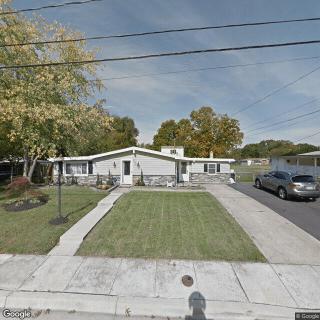
9 Crain Hwy N, Glen Burnie, MD 21061
To contact a resident: (410) 553-0097
For more information about senior living options: (866) 208-4318
Overall Review of Benevolent Home Health Care
Pros
 Their caregivers are very caring and friendly.
- Their office staff are always responsive and ready to take care of clients' needs.
- The grandmother loved her caregiver team.
- The family would recommend Benevolent a million times over.
Cons
 They are very unprofessional.
- One of their caregivers injured the reviewer, resulting in emergency surgery and paralysis.
- They won't even take the reviewer's calls.
- The home health care is described as not good.
Review
Benevolent Home Health Care in Glen Burnie is best suited for families seeking in-home care that prioritizes personal connection between caregivers and clients, with responsive office support backing daily needs and medical assistance. The two positive reviews highlight caregivers who are described as caring and friendly, along with office staff that are consistently responsive and proactive in addressing family needs. For seniors who value continuity of care, a familiar caregiver team, and the comfort of receiving hands-on help in a familiar living space, this agency can deliver tangible warmth and reliable day-to-day support. It fits households that want a personable, home-centered approach rather than a facility-based environment, with family members staying engaged in overseeing care.
At the same time, certain families should explicitly weigh alternatives. The most salient caveat is the severity of one negative report alleging unprofessional conduct, a caregiver injury, emergency medical consequences, and a breakdown in communication. While that account is singular among three reviews, it raises legitimate questions about accountability, incident handling, and responsiveness in a crisis. Prospective clients should consider whether they require rock-solid guarantees around safety protocols, rapid escalation, and formal risk management, areas where some other providers may offer clearer, more documented procedures. For those needing round-the-clock supervision, intensive clinical oversight, or a higher threshold for professional boundaries, exploring larger, more procedure-driven agencies or an assisted-living option could be prudent.
The positive attributes matter deeply in weighing overall value. The frequent praise of caregiver warmth, credibility of the care team, and the perceived attentiveness of the office staff suggest a strong foundation for meaningful, comfort-focused in-home care. When families can rely on caregivers who build trust, observe subtle changes in health or mood, and coordinate smoothly with a supervising clinician, the day-to-day experience often translates into improved quality of life and reduced caregiver burnout at home. Those benefits can offset the potential downsides if the care plan includes steady supervision, clear assignment of a primary contact, and scheduled updates that keep family members informed without requiring constant prodding.
However, the tension between the favorable care interactions and the negative incident cannot be dismissed. If a client’s situation involves complex medical needs, high fall risk, or the likelihood of urgent problems outside regular business hours, the absence of an unequivocal, consistently enforced incident-response framework becomes a meaningful weakness. Families should probe how the agency documents injuries or near-misses, how quickly a clinical supervisor becomes involved, and what the exact chain of escalation looks like during evenings or weekends. Without transparent protocols, the strongest caregiver rapport may not translate into reliable safety in a real crisis.
Practical evaluation steps can help separate fit from risk. Start with a formal care assessment that includes a written care plan, caregiver matching criteria, and a description of supervision levels. Request specific credentials, background checks, ongoing training topics, and a clear delineation of who handles scheduling changes and emergencies. Ask for references from current clients with similar needs, and insist on a trial period with a concrete service-level agreement that covers response times, communication frequency, and incident reporting. Confirm contract terms, billing practices, and what happens if a caregiver is changed or a new supervisor takes over, to avoid ambiguity down the line.
Overall, Benevolent Home Health Care offers a compelling option for households seeking empathetic, home-based support with a responsive office presence, anchored by caregivers who are widely described as kind and dependable. The decisive question for families is whether the potential for an excellent caregiver experience outweighs the risk concerns raised by a single negative report, given the emphasis on safety, accountability, and crisis management. If these safeguards can be firmly in place, this agency can be a strong, practical match for those who prize personal connection and consistent in-home assistance. If not, it remains prudent to compare with alternatives that emphasize stricter incident-control measures and higher levels of clinical oversight.
 Baltimore-Washington International (2 miles away)





 A Closer Look at Private Pay Home Care
 Comprehensive Approaches for Arthritis: A Detailed Guide to Symptoms, Causes, and Care
 Comprehensive Insights and Practical Strategies to Help Older Adults Avoid Falls