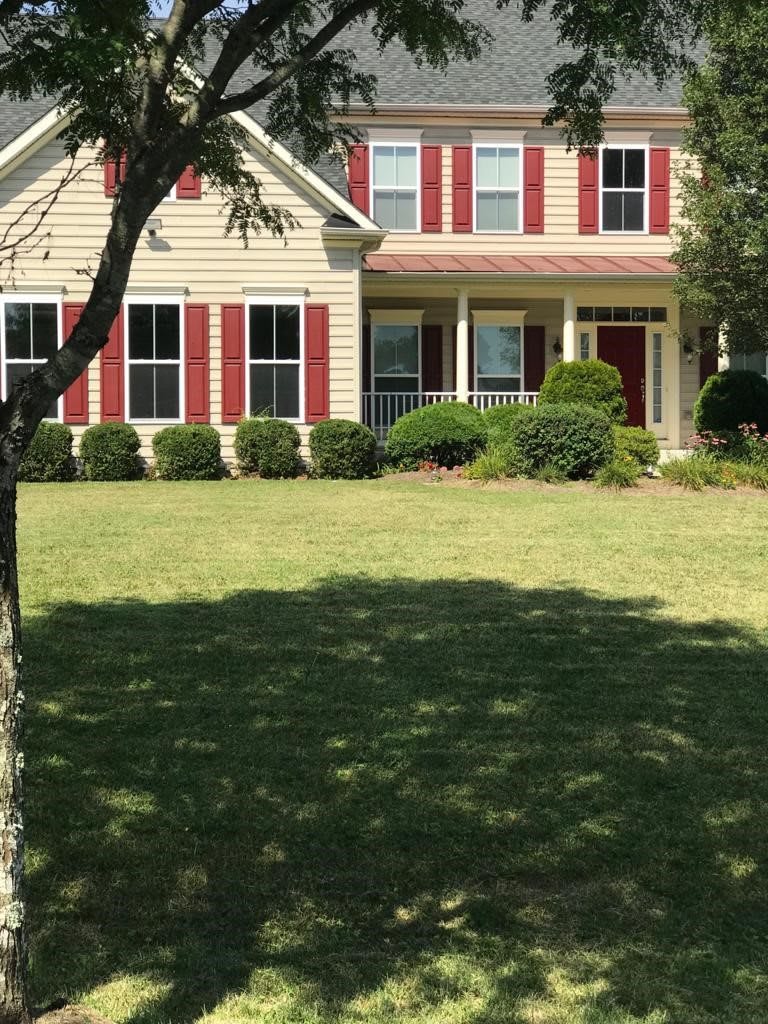
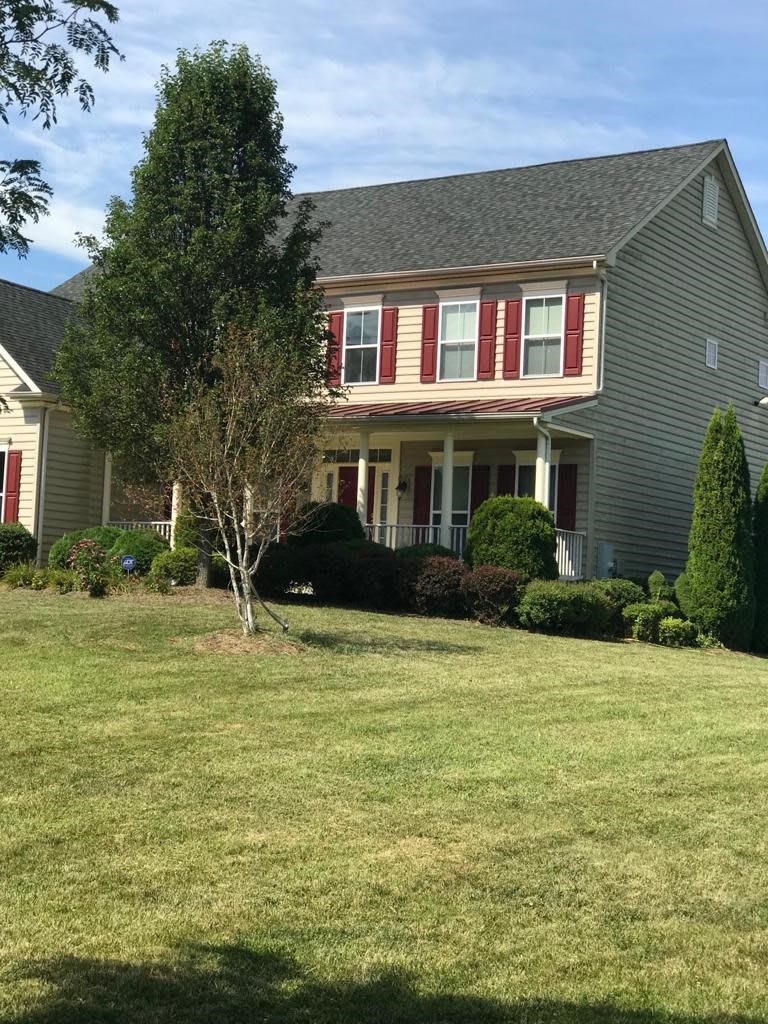
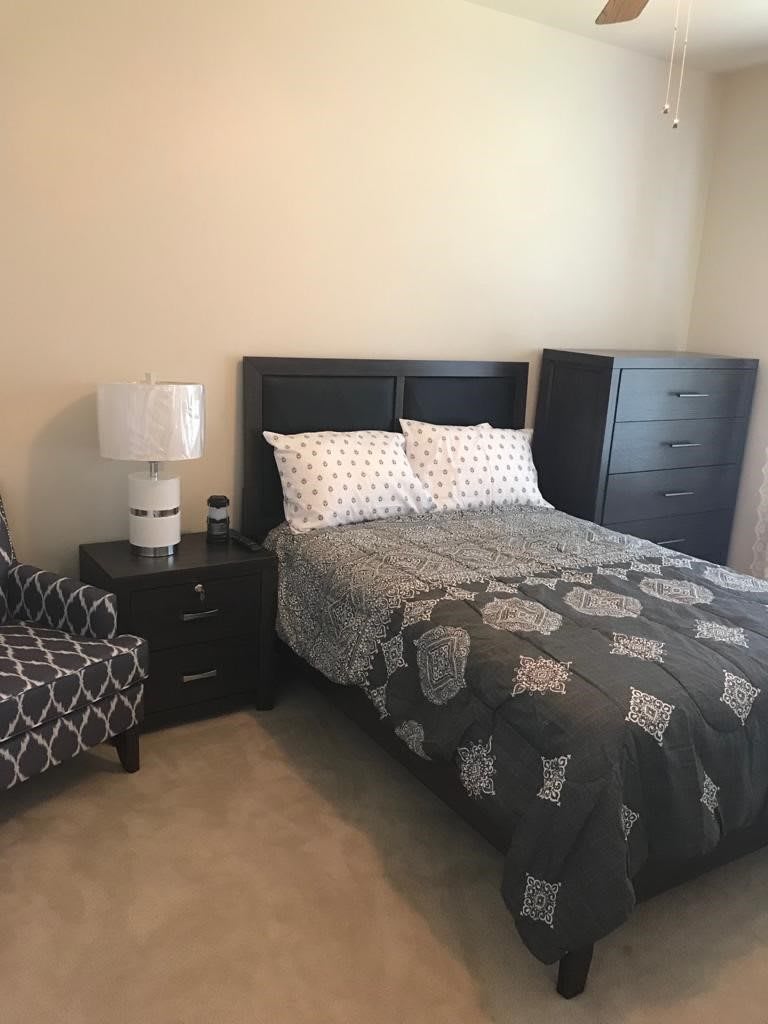
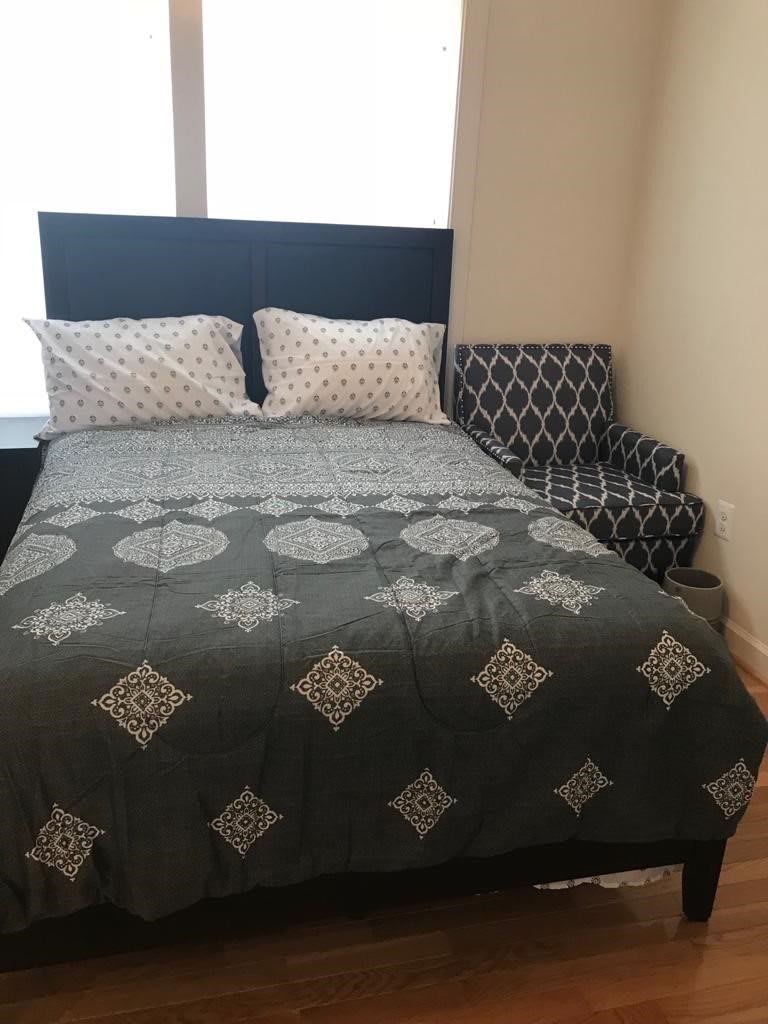
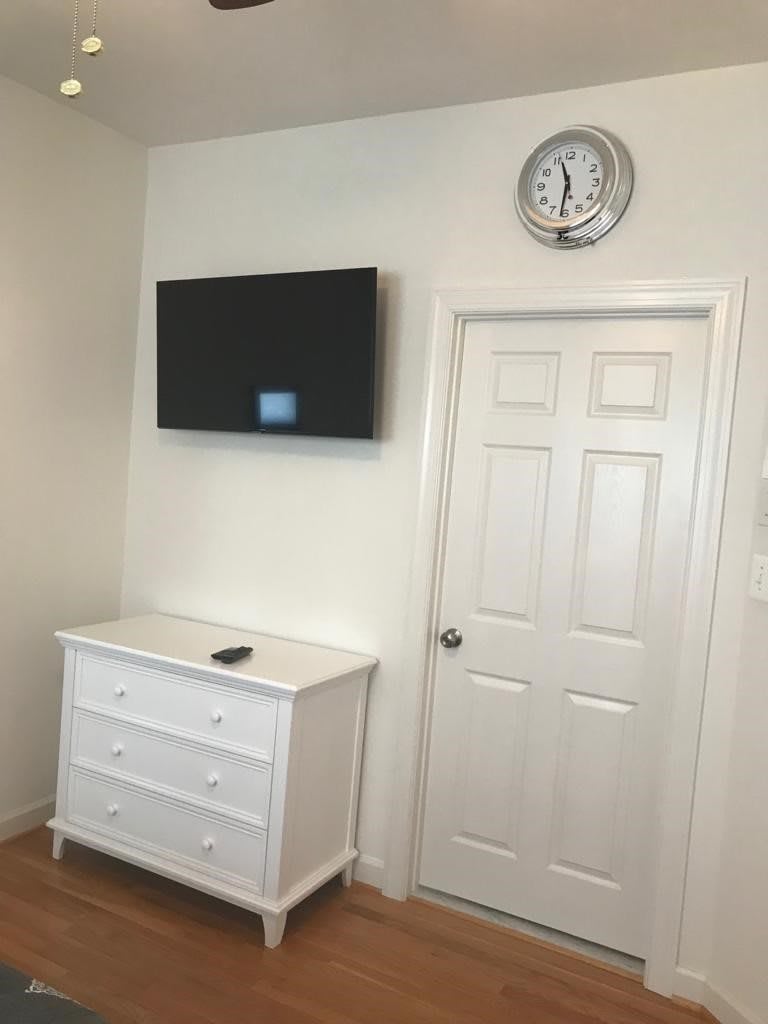
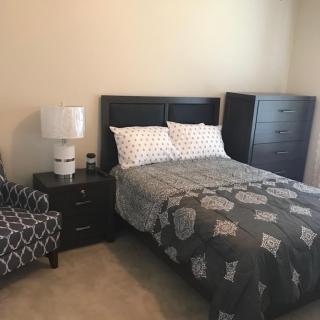
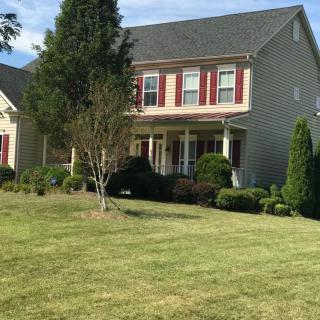
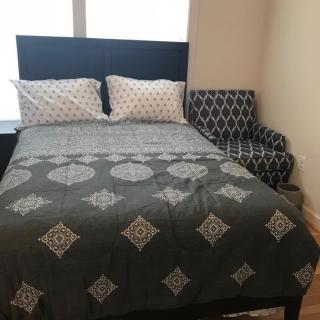
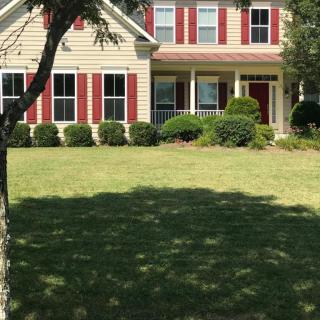
21714 Rolling Ridge Ln, Laytonsville, MD 20882
To contact a resident: (301) 675-9463
For more information about senior living options: (866) 208-4318
Superior Care, Inc Costs & Pricing
At Superior Care, Inc., the monthly costs for room types reflect a higher pricing structure compared to the broader averages in Montgomery County and the state of Maryland. For a semi-private room, residents are charged $6,500, which is significantly higher than the county average of $4,337 and the state average of $3,545. Similarly, for a private room, the cost is set at $7,500; this amount also exceeds both the county's rate of $5,009 and the state's average of $4,112. These figures suggest that while Superior Care offers quality services that may justify its premium pricing, potential residents should consider how these rates compare with other local options when making their decision for long-term care.
| Floor plans | Superior Care, Inc | Montgomery County | Maryland |
|---|---|---|---|
| Semi-Private | $6,500 | $4,337 | $3,545 |
| Private | $7,500 | $5,009 | $4,112 |
Senior living communities with a similar price nearby
-
About the same
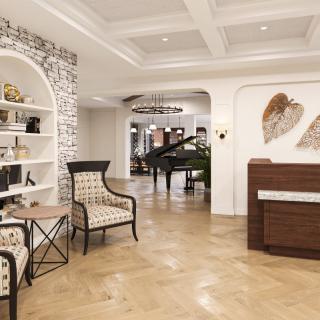
The Residence at Colvin Run
$6,615 to $10,225 / month18.6 miles away -
from -$1000 / mo
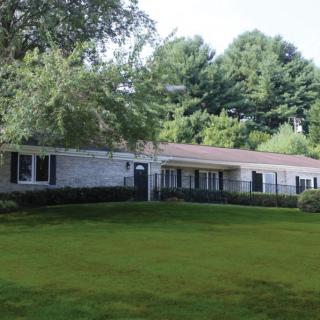
Glen Hill
$5,500 / month7.1 miles away -
from +$550 / mo
Maple Ridge Group Home
$7,050 / month7.2 miles away -
from +$1150 / mo
Cedar Glen
$7,650 / month10.0 miles away -
from -$1000 / mo
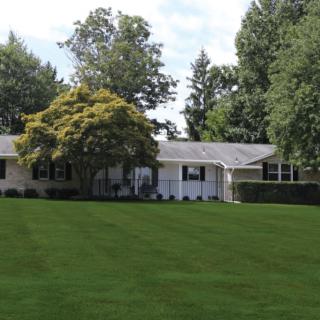
Autumn Hill
$5,500 / month11.6 miles away
Overall Review of Superior Care, Inc
Pros
 The staff make residents feel comfortable, respected, and truly cared for.
- Caregivers are kind, patient, and attentive, taking the time to know each resident personally.
- The facility is spotless, well-organized, and welcoming.
- There are plenty of activities that keep residents engaged.
- Pauline and Ellen are compassionate, professional, and genuinely care about residents' well-being.
- Their hands-on approach and attention to detail create an environment of trust and comfort.
- Residents receive outstanding care and are treated like family.
- The staff keep families informed about residents' progress.
Review
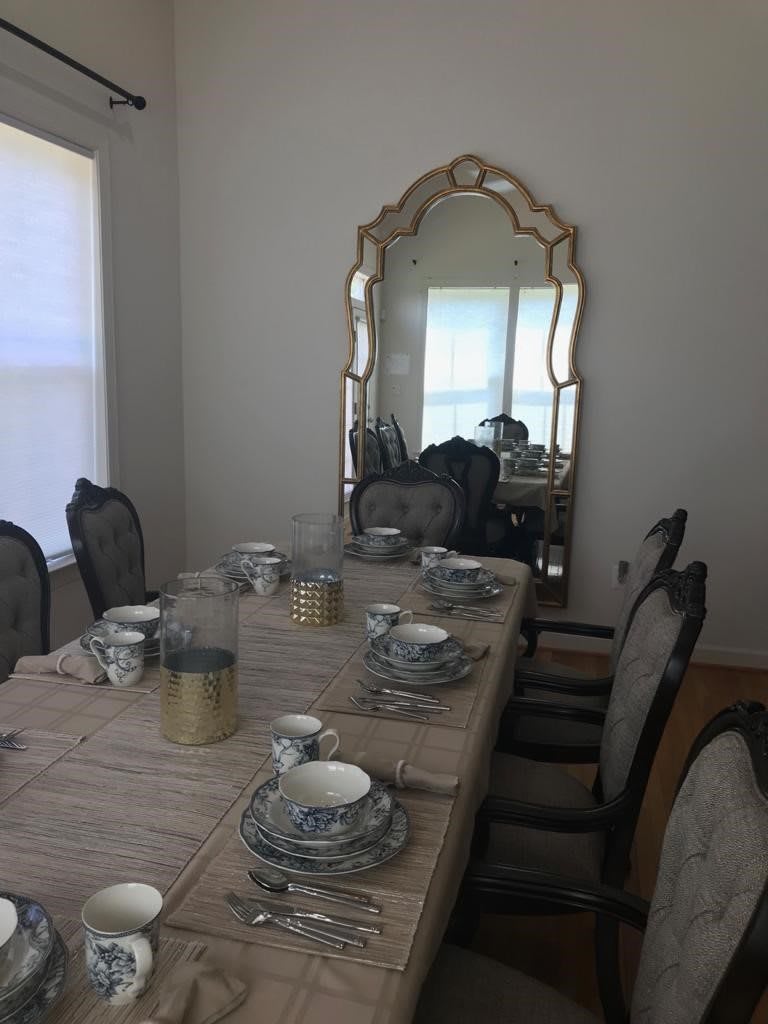
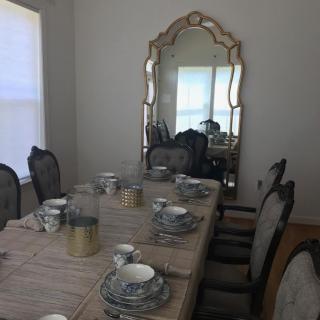
Superior Care Assisted Living in Laytonsville is best suited for families seeking a small, hands-on, family-like environment where residents are treated as individuals and daily attentiveness is the norm. This community excels for seniors who prioritize personal connection, respectful interaction, and a clean, welcoming setting with ample activities to keep minds and bodies engaged. The tone and style favor relationship-building over clinical show, and that approach translates into consistently positive experiences for residents who thrive on steady routines, familiar faces, and a sense of belonging.
Those with high medical needs or specialized memory-care requirements should consider alternatives. The reviews highlight a warm, attentive staff and a tight-knit operation, but they do not position the community as a large-scale medical campus. For residents needing around-the-clock skilled nursing, intensive dementia programming, or hospital-grade support, larger facilities with dedicated on-site medical teams may be more appropriate. Families should assess the level of clinical oversight and confirm the availability of nurses for emergencies or medication management, especially as health needs evolve.
On the positive side, the standout value here is the caregiving culture. Caregivers are described as kind, patient, and genuinely invested in getting to know each resident personally. The owners, Pauline and Ellen, are repeatedly cited as hands-on leaders whose compassion, professionalism, and attention to detail foster an environment of trust. This personal leadership translates into responsive problem-solving, transparent communication, and a sense that residents are cherished rather than processed. The effect is palpable: routines feel predictable in a good way, staffing feels stable, and families notice timely updates about progress and well-being.
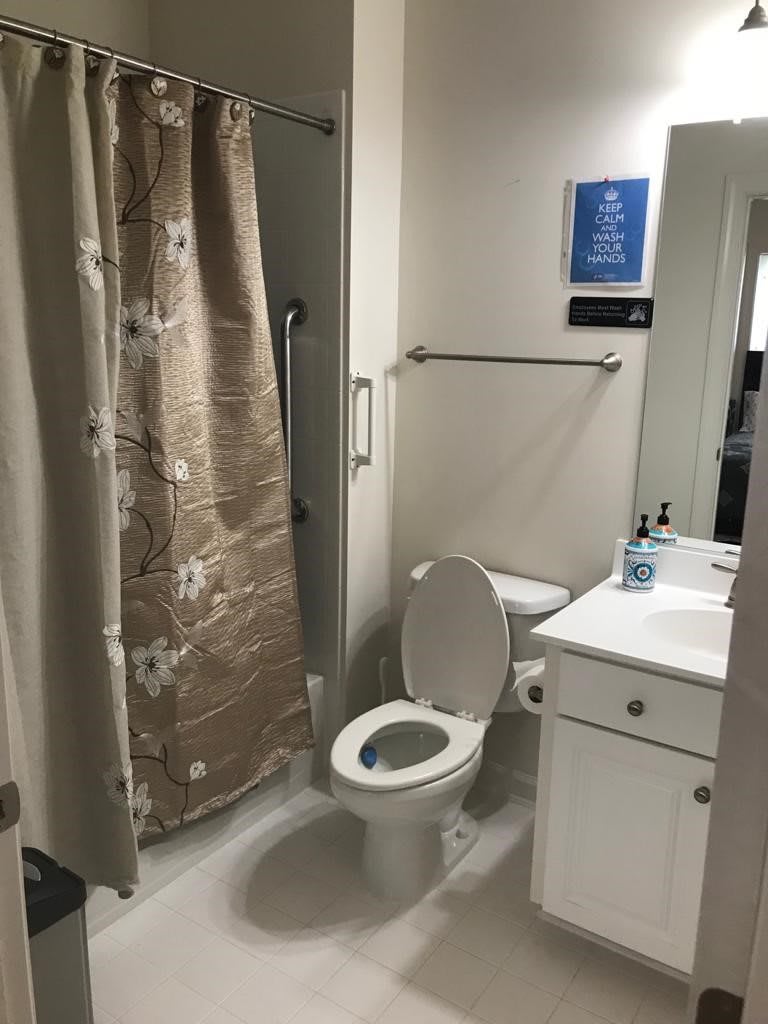
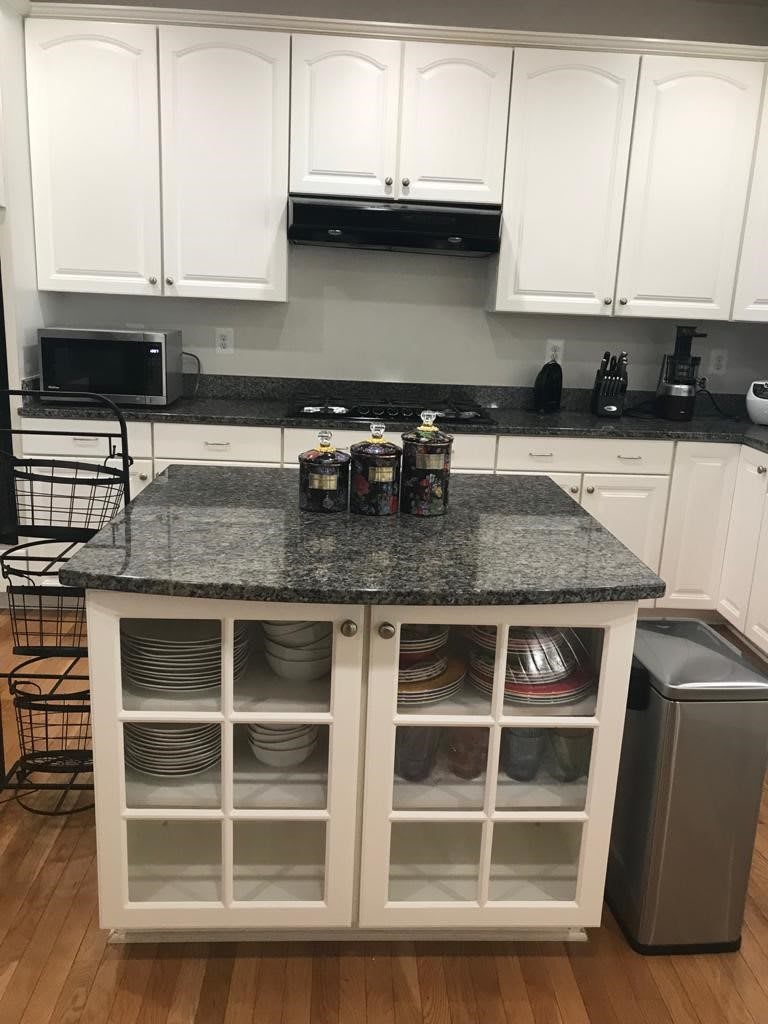
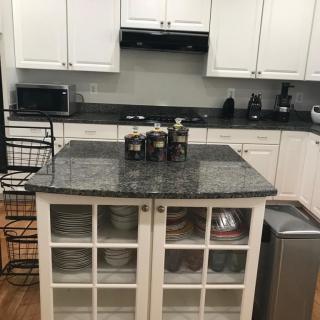
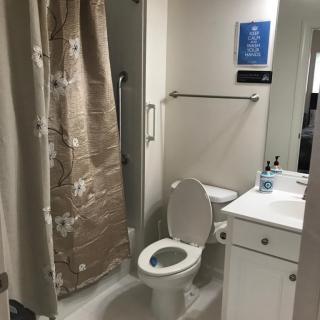
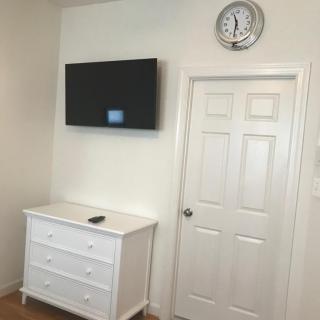
Another clear strength is the environment itself. The facility is portrayed as well maintained, organized, and welcoming, with a homelike atmosphere that reduces typical anxieties around aging in place. Staff members are praised for their ability to balance structured activities with meaningful downtime, ensuring residents remain engaged without feeling overwhelmed. The combination of cleanliness, order, and purposeful programming contributes to a lived-in sense of safety and comfort, which in turn supports peace of mind for families who cannot be on site full-time.
The strongest case for choosing Superior Care rests on the alignment between what families want and what the operation delivers: genuine warmth, reliability, and a family-first ethos. However, the realities of a smaller, non-hospital setting mean certain expectations should be calibrated. Pros offset potential gaps by offering near-constant staff visibility, straightforward communication, and proactive involvement from the owners. The risk, if any, lies in the potential for limited high-acuity resources. Yet for many residents, those who do not require continuous medical interventions, the advantages of trust, personal attention, and a bright, engaging daily routine far outweigh those considerations.
In the end, this community stands out for families seeking a compassionate, intimate environment where staff know residents by name and care feels personalized. It is particularly well-suited for seniors who value daily engagement, regular family updates, and a nurturing, home-like setting. For families with residents who demand intensive clinical oversight, highly specialized memory-care programming, or expansive on-site medical services, alternatives with larger clinical footprints may be more appropriate. A prudent next step is to schedule a visit, meet the caregiving team and the owners, review the activity calendar, and inquire about nurse availability and care planning processes to ensure alignment with current and anticipated needs.
 Board and Care Home
 Private

 Urinary Tract Infections in Older Adults: Comprehensive Insights on Symptoms, Treatment, and Prevention
 California's Form 602A: An In-Depth Examination of Senior Care Assessment
 Comprehensive Look at Senior Blood Pressure Charts: Normal and Elevated Levels by Age