
8212 Brink Road, Laytonsville, MD 20882
For more information about senior living options: (866) 208-4318
Overall Review of Laytonsville Estates Assisted Living
Pros
 The staff provide extraordinary care and cultivate a warm, uplifting environment.
- The facility significantly improves residents' quality of life.
- The atmosphere at Laytonsville Estates is phenomenal.
- Residents walk unassisted, eat well, stay engaged, and feel genuinely happy.
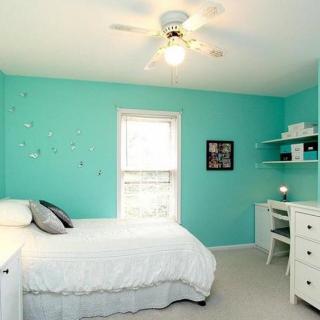
- Rooms are spotless and inviting, and residents are well cared for and upbeat.
- Meals are beautifully prepared and nourishing.
- The facility blends professionalism with genuine compassion.
- The staff's kindness, attentiveness, and joy enable residents to thrive.
- The director and staff are dedicated to providing the best possible care and collaborate with families.
Review
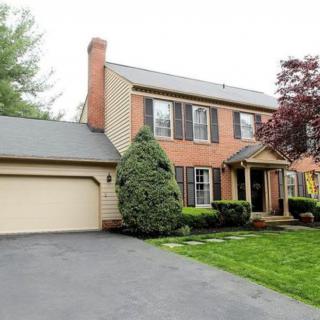
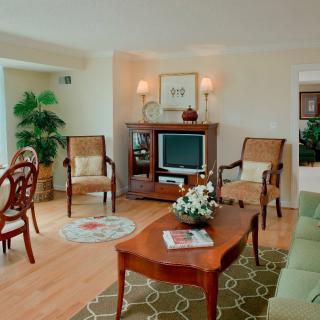
Laytonsville Estates Assisted Living in Laytonsville, MD is best suited for seniors who want a small, home-like setting where personal attention and family collaboration are the default, not the exception. This community shines for residents who benefit from a tightly woven care team, consistent staff, and a warm, intimate atmosphere. It is particularly well matched to dementia care needs, where individualized plans and ongoing family involvement translate into steady improvements in mood, engagement, and daily functioning. The environment itself, clean, neatly kept rooms, nourishing meals, and a layout that fosters easy social connection, creates the kind of stability families crave when a loved one is transitioning from independent living.
There are clear alternatives worth considering for families with different priorities. If a resident requires higher-acuity medical oversight, a larger campus with more on-site specialists or a busier, more varied activity schedule might be preferable. Those seeking a broader social scene, more formal programming, or extensive on-premises healthcare resources may find the footprint and pace of Laytonsville Estates too compact. The same holds for families who prioritize expansive amenities or a more institutional feel; the quiet, personalized approach here is a strength, but it naturally comes with a trade-off.
On the strengths side, the staff’s kindness, professionalism, and genuine compassion stand out. Families repeatedly note that the atmosphere is simultaneously professional and comforting, with a leadership team that collaborates closely with families to tailor care. The owner, Betty Kasasa, and the director are described as dependable, hands-on leaders who respond quickly to needs and coordinate care in a team-oriented way. This translates into real, practical benefits: residents who are clean, well-dressed, and upbeat; meals that are both nourishing and thoughtfully prepared; and a living space that feels more like a home than a facility. The staff’s capacity to foster genuine happiness and engagement is repeatedly highlighted as a differentiator.
The best-proven offset to the potential limits of a smaller setting is the depth of personal attention and family partnership. While the campus may not offer the breadth of services found at larger communities, the direct access to a stable caregiving team, the willingness to address individual dementia challenges, and the rapid availability of respite care create a strong counterbalance. The testimony that a resident has been able to walk unassisted again, eat well, and participate meaningfully in daily life demonstrates how the core advantages, small size, attentive staff, home-like meals, and a warm community, produce tangible quality-of-life gains that offset any limits in scale or scope.
For families weighing a decision, concrete considerations flow from these strengths. If dementia care and caregiver collaboration are priorities, Laytonsville Estates delivers with a level of responsiveness and a team approach that reduces caregiver anxiety and improves day-to-day well-being for residents. Prospective residents should confirm staffing ratios, the structure of care plans, and how the director engages with families during care transitions. It is also wise to discuss how respite stays are arranged, and to observe a day in the living areas to gauge how the small-community dynamics play out in practice. The positive feedback from families underscores that these elements are not merely theoretical but actively shaping residents’ lives.
Ultimately, Laytonsville Estates stands out for those who prize a intimate, compassionate setting where staff know residents by name and families feel involved. It is an especially compelling choice for dementia-focused care and for anyone seeking peace of mind that the person will be treated with warmth, consistency, and respect. For seniors who crave a larger social calendar, more medical-on-site capabilities, or a more institutional rhythm, alternatives may be more suitable. If the goal is to maximize comfort, dignity, and everyday happiness in a small-community frame, this is a top-tier option that consistently earns strong, practical results.
 8 resident community capacity
 Assisted Living
 Cable or satellite TV
 Dining room
 Fully furnished
 Garden
 Housekeeping services
 Move-in coordination
 Outdoor space
 Telephone
 Wi-Fi/high-speed internet available
 Washington Dulles International (24 miles away)
 24-hour supervision
 Activities of daily living assistance
 Assistance with bathing
 Assistance with dressing
 Assistance with transfers
 Diabetes diet
 Meal preparation and service
 Medication management
 Special dietary restrictions
 Transportation arrangement (medical)
 Transportation to doctors appointments



 Comprehensive Insights into Activities of Daily Living (ADLs) and Their Assessment
 Medicare Coverage for Assisted Living: An In-Depth Exploration
 Your Comprehensive Guide to Luxury Assisted Living: Elevated Facilities, Amenities, and Costs