Heartfields at Easton offers a range of accommodations, and its pricing reflects the quality of services and amenities provided. For a semi-private room, residents can expect to pay $5,200 per month, which is notably higher than both Talbot County's average of $4,598 and Maryland's overall average of $3,545. Studio apartments are priced at $7,000, again exceeding local ($6,407) and state averages ($4,656). The costs continue to rise with one-bedroom units at $7,500 - significantly more than Talbot County's $4,978 and Maryland's average of $3,904. Finally, two-bedroom options at Heartfields are available for $8,910 each month; this figure stands in stark contrast to the county ($4,972) and state averages ($3,497). Overall, while Heartfields at Easton may have higher costs compared to regional norms, these prices likely reflect an emphasis on premium care and quality living environments for residents.
Floor plans
Heartfields at Easton
Talbot County
Maryland
Semi-Private
$5,200
$4,598
$3,545
Studio
$7,000
$6,407
$4,656
1 Bedroom
$7,500
$4,978
$3,904
2 Bedrooms
$8,910
$4,972
$3,497
Memory care communities with a similar price nearby
Residents and families consistently describe the staff as kind, attentive, and supportive.
Multiple reviews describe staff members as friendly, caring, and responsive, including regular check-ins and help when families have concerns. Several residents are described as happiest when they’re engaged in activities, and caregivers are credited with supporting that day-to-day experience. Families also mention communication—such as being called when there’s a medical issue—along with cleanliness and ongoing room care.
differentiator28 reviews mention this
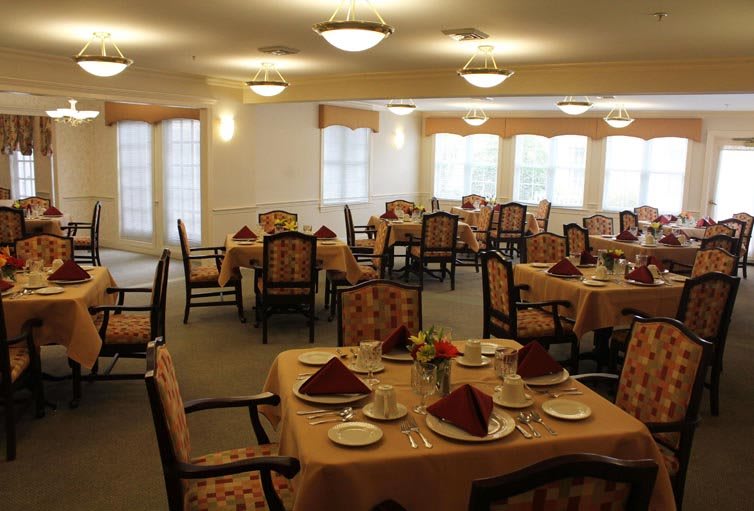
Dining feels restaurant-style
Meals are frequently praised as delicious and fresh, with an on-site chef.
Reviews repeatedly call out the food as delicious, fresh, and a highlight of life there. Families also mention chef involvement and specific meals like chef salad and soup of the day. This matches what the community offers, including restaurant-style dining, room service, and meal programs designed for different dietary needs.
common22 reviews mention this
Activities help residents stay engaged
Residents are described as staying engaged thanks to frequent activities and events.
Many reviews point to a steady calendar of activities, special events, and outings that residents can join. Families describe residents getting involved with things like exercise classes, happy hour, crafts, and live performances. The community also offers on-site and off-site activities, plus devotional activities and live music or theater events.
common16 reviews mention this
Nursing care and medication support
Care support is described as organized, with staff taking vitals and managing medications.
Some reviews describe nursing staff looking after residents when families are concerned and being proactive about health updates. Others mention residents receiving daily care that includes monitoring and attention when complications arise. The community offers several care services, including ambulatory care and medication management, which aligns with these observations.
caveat6 reviews mention this
Pricing runs high for many families
Several families raise concerns about the overall cost.
A few reviews explicitly characterize the price as high, even while noting they chose the community for the level of care and support. That concern lines up with the community being priced above county and state benchmarks across unit types. If you’re comparing options, this appears to be the main recurring hesitation in otherwise strongly positive reviews.
How we summarize
Counts show how many written reviews mention each theme; a review can touch several themes, and only frequently mentioned themes are displayed.
Features
Types of Care
Assisted Living
Memory Care
Amenities
Activities off-site
Activities on-site
Air-conditioning
Bath tubs
Beautician on-site
Devotional services on-site
Ground floor units
Handicap accessible
Indoor common areas
Kitchenette
Outdoor common areas
Respite or short term stays offered
Wheelchair accessible showers
Wi-Fi/high-speed internet available
Care Services
Ambulatory care
Diabetic care
Incontinence care
Medication management
Dining
Anytime dining
Guest meals
Low / no sodium
Meals provided
No Sugar
Professional chef
Restaurant style dining
Room service
Special dining programs
Activities
Art classes
Cooking classes
Day trips and outings
Devotional activities on-site
Educational speakers / life long learning
Happy hour
Live dance or theater performances
Live musical performances
Live well programs
Stretching classes
Yoga / chair yoga
Nearby Places of Interest
This part of Easton, Maryland offers a variety of amenities and services that would be beneficial for senior living. In close proximity to several hospitals and physicians, residents have easy access to healthcare facilities. There are also numerous places of worship for spiritual fulfillment, as well as pharmacies for medication needs. The area boasts a selection of restaurants and cafes for dining out, theaters for entertainment, and parks for leisurely walks or outdoor activities. Additionally, there are transportation options nearby such as car rental services and the Easton Municipal Airport for convenient travel. Overall, this part of Easton provides a mix of essential resources and recreational opportunities that cater to the needs and interests of seniors looking to settle in a vibrant community.
Hospitals
Shore Health System (0.6 miles)
Memorial Hospital At Easton (0.6 miles)
Shore Health System (0.7 miles)
Shore Regional Cancer Center (1.2 miles)
The Pines (1.5 miles)
UM Shore Medical Center at Dorchester (13.7 miles)
Shore Health System (13.7 miles)
Places of Worship
Webster Samuel L Jr (0.6 miles)
Oasis Easton (1 miles)
Church of Christ In Easton (1.2 miles)
Easton Church of God (2 miles)
Cordova Baptist Church (8.7 miles)
Wye Parish (11.7 miles)
Southern Baptist Convention (13.4 miles)
Physicians
Easton Family Dental (0.7 miles)
Scribner Brenda C MD (0.8 miles)
Scribner C Brenda, MD (0.9 miles)
MyEyeDr (1 miles)
Um Community Medical Group Neurosurgery UM SMG Neurosurgery Easton (1 miles)
Maguire Maria A University Of Maryland Community Medical Group Easton (1.1 miles)
Talbot Dermatology & Dermatologic Surgery (1.1 miles)
Restaurants
Sunflowers & Greens (0.8 miles)
Doc's Downtown Grille (0.8 miles)
Out of the Fire (0.8 miles)
Rude Burger (1 miles)
In Japan (1 miles)
McDonald's (1 miles)
Chick-Fil-A (1 miles)
Pharmacies
Health Mart Pharmacy (0.8 miles)
Hill's Drug Stores (0.8 miles)
Clinical Pharmacy Associates (1 miles)
Hill's Drug Stores (1.3 miles)
Mulvey's Preston Pharmacy (10.7 miles)
Theaters
Easton Premier Cinemas (0.8 miles)
Parks
Idlewild Park (0.9 miles)
Stoney Ridge Park (2.2 miles)
Oxford Town Park (7.2 miles)
Wye Island Natural Resources Management Area (9 miles)
Heartfields at Easton offers a range of accommodations, and its pricing reflects the quality of services and amenities provided. For a semi-private room, residents can expect to pay $5,200 per month, which is notably higher than both Talbot County's average of $4,598 and Maryland's overall average of $3,545. Studio apartments are priced at $7,000, again exceeding local ($6,407) and state averages ($4,656). The costs continue to rise with one-bedroom units at $7,500 - significantly more than Talbot County's $4,978 and Maryland's average of $3,904. Finally, two-bedroom options at Heartfields are available for $8,910 each month; this figure stands in stark contrast to the county ($4,972) and state averages ($3,497). Overall, while Heartfields at Easton may have higher costs compared to regional norms, these prices likely reflect an emphasis on premium care and quality living environments for residents.
Heartfields at Easton ensures effective medication management by closely monitoring residents' prescriptions, dosages, and schedules, which is vital for individuals with dementia or Alzheimer's who may struggle with memory and comprehension. This dedicated oversight minimizes the risk of missed doses or medication errors, promoting both physical health and cognitive stability. Incontinence care is another essential feature that addresses the dignity and comfort of residents. By providing discreet and compassionate assistance, caregivers help alleviate the anxiety often associated with incontinence issues, allowing residents to focus on their daily activities without the added stress of managing such personal challenges. Together, these features create a supportive environment that enhances overall well-being for individuals facing cognitive decline.
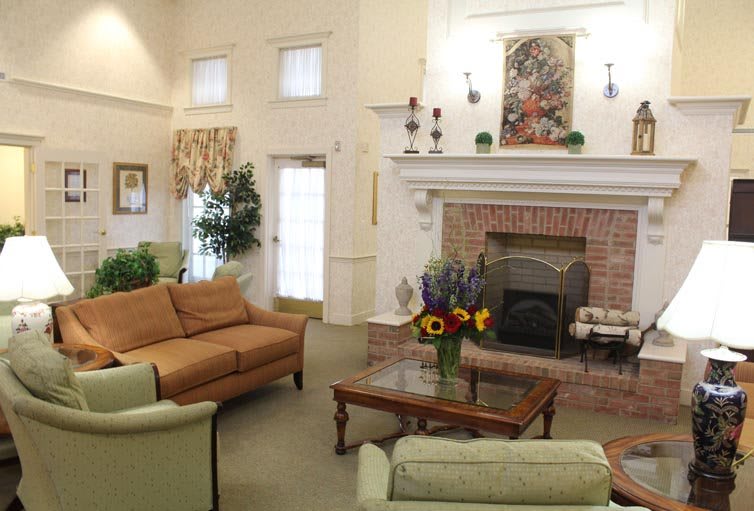
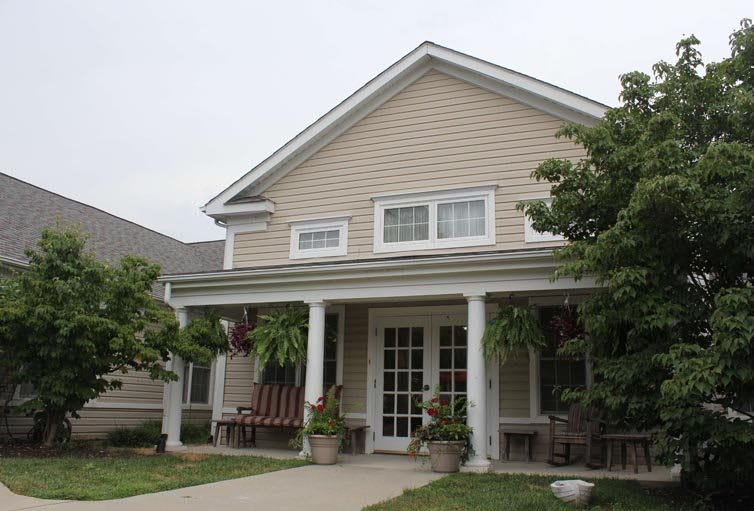
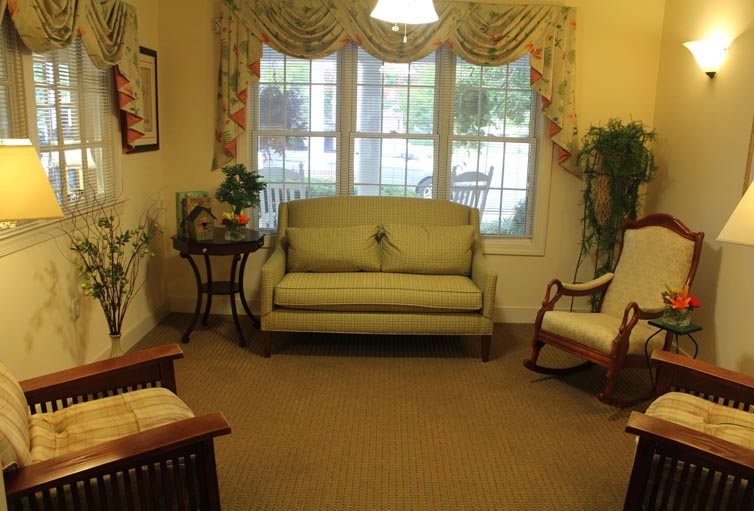
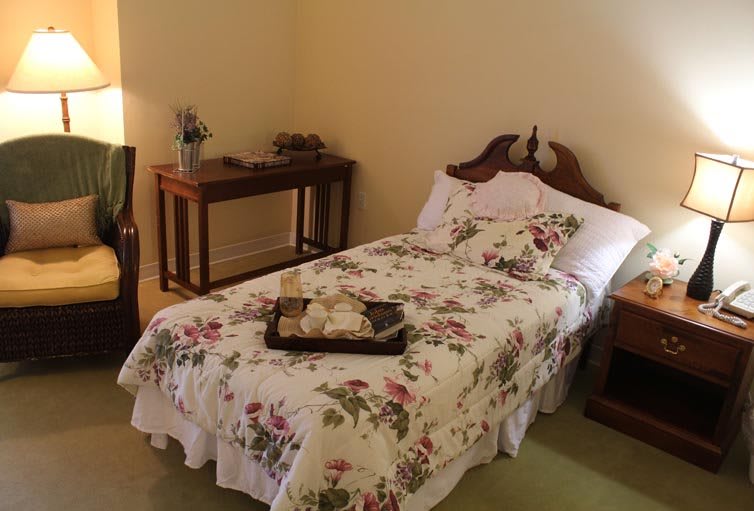
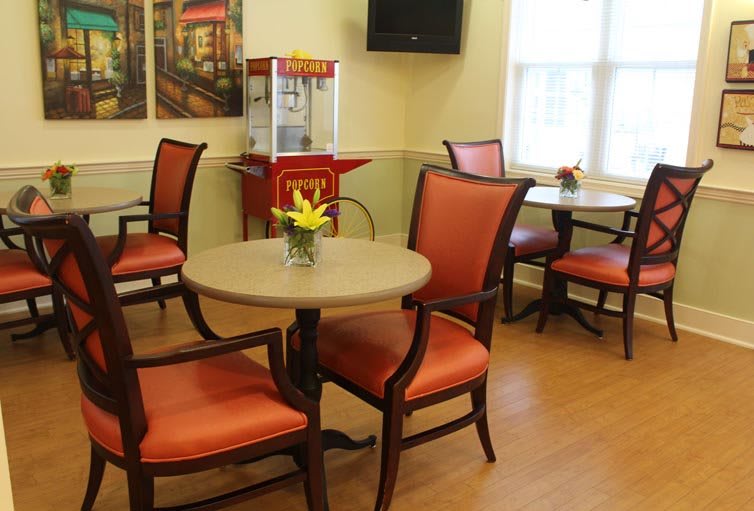
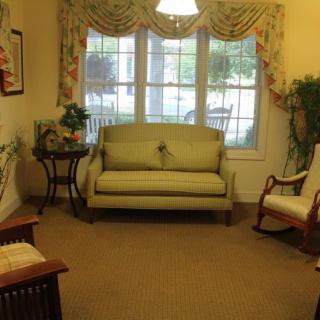
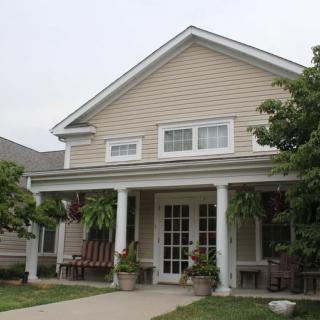
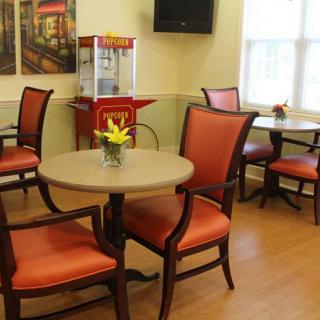
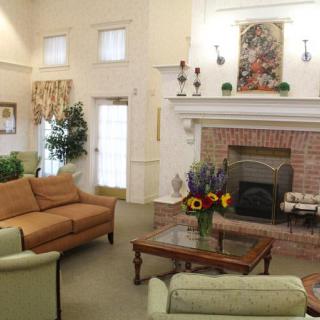
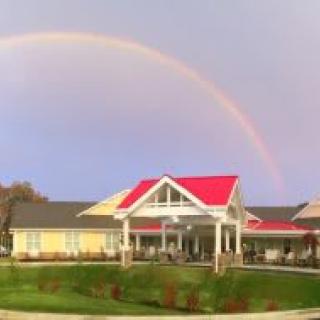
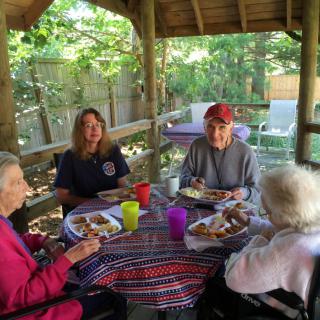
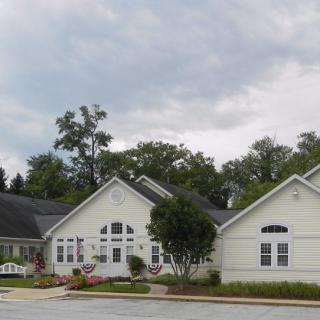
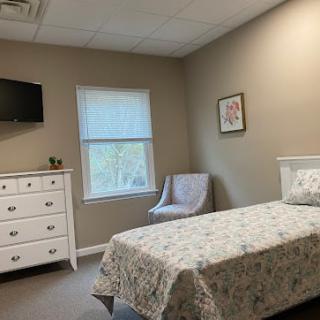
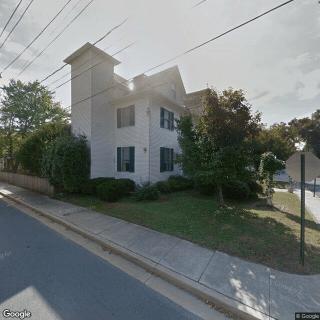
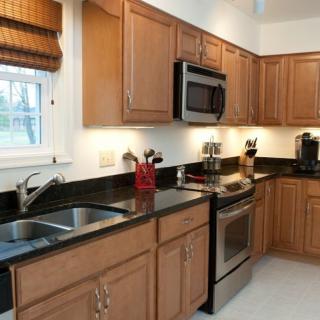
Heartfields at Easton on seniors.fyi includes 6 photos including images showing interior, dining, bedroom, decor, windows, living room, rocking chairs, indoor plants, and more.
Nearby Communities
Heart Fields Assisted Living At Easton
Easton, MD
4.8 from 81 reviews
Friendly staff, quality dining, and engaging activities.
Candle Light Cove
Easton, MD
4.9 from 83 reviews
$5,290 to $6,568 / month
Caring, stable staff in a warm, well-maintained, family-like setting with memory-care focus.
A Homemade Plan -Easton
Easton, MD
5 from 6 reviews
Strong dietary accommodations and nearby healthcare/amenities.
Home Instead - Easton, MD
Easton, MD
4.9 from 80 reviews
Caring, professional staff with responsive management.
The Dixon House, Inc
Easton, MD
$3,000 / month
Affordable private rooms with comprehensive on-site care and amenities.
Integrace Bayleigh Chase
Easton, MD
4.3 from 4 reviews
Excellent staff, clean facility, delicious meals, engaging activities, and strong family communication.
Park View at Easton
Easton, MD
4.7 from 3 reviews
$866 to $1,033 / month
Affordable pricing with strong amenities and accessible outdoor spaces.
Rayland Acres I
Trappe, MD
4.3 from 14 reviews
$2,800 to $2,900 / month
Caring, knowledgeable staff and clean, well-maintained facilities.
Caroline Nursing Home
Denton, MD
3.7 from 24 reviews
Friendly staff with engaging activities and uplifting animal visits.
Dementia often results in disrupted sleep patterns, leading to excessive daytime sleeping due to factors like brain damage affecting circadian rhythms, medication side effects, and lack of structure in daily activities. Caregivers must monitor these changes closely, as oversleeping can increase risks such as malnutrition or dehydration, and provide necessary support and routines to enhance patient engagement and well-being.
The transition from assisted living to skilled nursing care is often prompted by complex medical needs that assisted living cannot meet, with key indicators including frequent health declines, increased falls, severe memory issues, and caregiver burnout. Families should recognize these signs early to discuss options with healthcare providers and prepare for the emotional and logistical aspects of moving to a facility that offers comprehensive medical support.
Dementia is characterized by cognitive decline, with nutrition playing a vital role in brain health; while no specific diet can prevent or reverse it, a nutrient-dense diet rich in antioxidants and healthy fats may support cognitive function. The MIND diet, which emphasizes beneficial foods and limits processed items, along with proper hydration and individualized meal strategies, can enhance the well-being of dementia patients.
Get PricingAsk A QuestionSchedule A TourContact Senior Advisor
By clicking submit, you agree to our Partner's Terms of Use. You
also consent to receive calls and texts, which may be autodialed, from our Partner. Your consent is not a condition to
using our Partner's service. Please visit our Partner's Privacy Policy for information about their privacy practices.

 Assisted Living
 Memory Care
 Activities off-site
 Air-conditioning
 Bath tubs
 Beautician on-site
 Devotional services on-site
 Ground floor units
 Handicap accessible
 Indoor common areas
 Kitchenette
 Outdoor common areas
 Respite or short term stays offered
 Wheelchair accessible showers
 Wi-Fi/high-speed internet available
 Ambulatory care
 Diabetic care
 Incontinence care
 Medication management
 Anytime dining
 Art classes
 Cooking classes
 Day trips and outings
 Educational speakers / life long learning
 Happy hour
 Live dance or theater performances
 Live musical performances
 Live well programs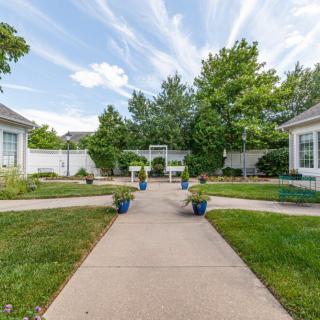
 Friendly staff, quality dining, and engaging activities.
 Why Do Dementia Patients Sleep So Much? Understanding Oversleeping, Stages, and Care Approaches
 8 Key Indicators That Suggest It May Be Time to Transition from Assisted Living to Skilled Nursing Care
 Nourishing the Mind: Essential Dietary Approaches for Dementia