Overall Review of Heart Fields Assisted Living At Easton
common
Kind, attentive staff stand out
Residents and families repeatedly describe staff as kind and attentive.
Across many reviews, families say the staff is friendly, caring, and responsive to day-to-day needs. Multiple reviewers mention good communication and that the nursing team follows up when questions or health concerns come up. In memory care, reviewers also describe patient, respectful support from the director and staff.
common
Meals are repeatedly called delicious
Dining gets frequent praise for quality and variety.
Residents and families often single out the food as delicious, fresh, and satisfying. Several reviews reference themed meals or special events that include music and a meal experience. The community offers restaurant-style dining and meal preparation and service, which aligns with the way residents describe eating together.
common
Activities and community events
Reviews consistently highlight activities that keep residents engaged.
Many reviewers describe a steady calendar of activities and special events, including social gatherings and off-site options. Several mention residents joining exercise, happy hour, and groups once they arrived. The community also lists scheduled daily activities and a range of on-site activity options, supporting the day-to-day engagement families describe.
caveat
Memory care has serious concerns
Some reviewers raise significant concerns about Alzheimer’s care.
While many memory care reviews are positive, at least one reviewer reports serious problems they associate with Alzheimer’s support, including medical errors and behavior challenges. That review recommends avoiding the Alzheimer’s unit specifically. Because the concerns are focused on a particular memory care situation, it’s worth asking detailed questions about how behavioral needs are managed.
How we summarize
We summarize when many written reviews mention each theme; a review can touch several themes, and only frequently mentioned themes are displayed.
Features
Housing
74 resident community capacity
1-bedroom apartments
2-bedroom apartments
Types of Care
Assisted Living
Memory Care
Amenities
Air-conditioning
Beautician on-site
Beauty salon
Cable or satellite TV
Computer center
Dining room
Financing advice
Fitness room
Fully furnished
Gaming room
Garden
Guasts at mealtime
Guest parking
Housekeeping services
Kitchenette
Laundry
Move-in coordination
Outdoor space
Party space
Pet friendly
Private bathrooms
Resident parking
Respite or short term stays offered
Restaurant-style dining
Small library
Spa
TV room
Telephone
VA Benefits Consultation
Wellness center
Wi-Fi/high-speed internet available
Transportation
Community operated transportation
Transportation & parking
Transportation arrangement
Transportation arrangement (non-medical)
Transportation to doctors appointments
Care Services
12-16 hour nursing
24-hour call system
24-hour supervision
Activities of daily living assistance
Assistance with bathing
Assistance with dressing
Assistance with transfers
Coordination with health care providers
Dementia waiver
Diabetes diet
Hospice waiver
Meal preparation and service
Medication management
Mental wellness program
Mild cognitive impairment
Special dietary restrictions
Specialized memory care programming
Transportation arrangement (medical)
Transportation to doctors appointments
Dining
Diabetes diet
Low / no sodium
Special dietary restrictions
Vegetarian
Activities
Activities off-site
Arts and crafts
Book club
Community-sponsored activities
Concierge services
Cooking club
Educational speakers / life long learning
Fitness programs
Games
Gardening club
Live musical performances
Planned day trips
Religious services
Resident-run activities
Scheduled daily activities
Stories
Yoga / chair yoga
Languages Spoken
English
Nearby Places of Interest
Places of Worship
Webster Samuel L Jr (0.6 miles)
Oasis Easton (1 miles)
Church of Christ In Easton (1.2 miles)
Easton Church of God (2 miles)
Cordova Baptist Church (8.8 miles)
Wye Parish (11.7 miles)
Southern Baptist Convention (13.3 miles)
Hospitals
Shore Health System (0.6 miles)
Memorial Hospital At Easton (0.6 miles)
Shore Health System (0.7 miles)
Shore Regional Cancer Center (1.2 miles)
The Pines (1.4 miles)
UM Shore Medical Center at Dorchester (13.6 miles)
Shore Health System (13.6 miles)
Physicians
Easton Family Dental (0.8 miles)
Scribner Brenda C MD (0.8 miles)
Scribner C Brenda, MD (0.9 miles)
Um Community Medical Group Neurosurgery UM SMG Neurosurgery Easton (1 miles)
Maguire Maria A University Of Maryland Community Medical Group Easton (1 miles)
Talbot Dermatology & Dermatologic Surgery (1.1 miles)
MyEyeDr (1.1 miles)
Restaurants
Sunflowers & Greens (0.8 miles)
Doc's Downtown Grille (0.8 miles)
Out of the Fire (0.8 miles)
Rude Burger (1 miles)
In Japan (1 miles)
McDonald's (1 miles)
Bāgery (1.1 miles)
Pharmacies
Health Mart Pharmacy (0.8 miles)
Hill's Drug Stores (0.8 miles)
Clinical Pharmacy Associates (1 miles)
Hill's Drug Stores (1.3 miles)
Mulvey's Preston Pharmacy (10.6 miles)
Theaters
Easton Premier Cinemas (0.9 miles)
Parks
Idlewild Park (0.9 miles)
Stoney Ridge Park (2.1 miles)
Oxford Town Park (7.2 miles)
Wye Island Natural Resources Management Area (9 miles)
Heart Fields Assisted Living At Easton offers a comprehensive suite of features that effectively support residents with dementia or Alzheimer's disease. The 24-hour supervision ensures a safe environment, allowing residents to move about freely while minimizing the risk of wandering or accidents. Assistance with activities of daily living, including bathing and dressing, not only promotes hygiene and dignity but also fosters a sense of routine, which is crucial for individuals with memory impairments. Coordination with health care providers facilitates seamless medical oversight, ensuring medications are managed appropriately while catering to specific health needs through specialized programming tailored for cognitive challenges. Additionally, the mental wellness program and meal preparation services focus on nurturing both physical health and emotional well-being. Transportation arrangements for medical appointments further enhance access to essential healthcare resources, making it easier for families to engage in supportive care. Each feature is designed to create a holistic approach that nurtures independence while providing necessary support at every stage of dementia's progression.
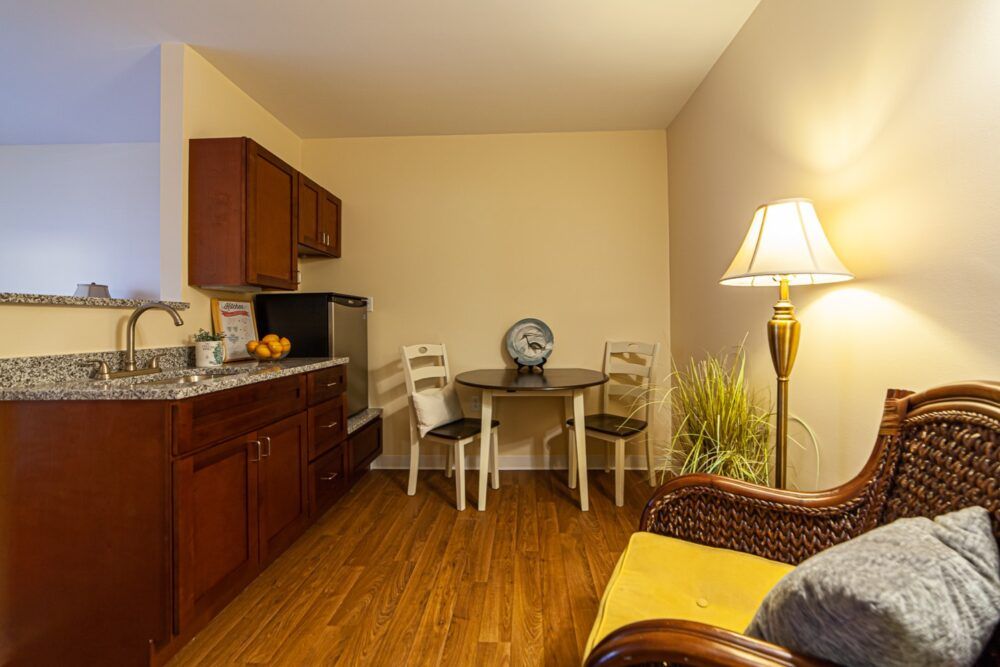
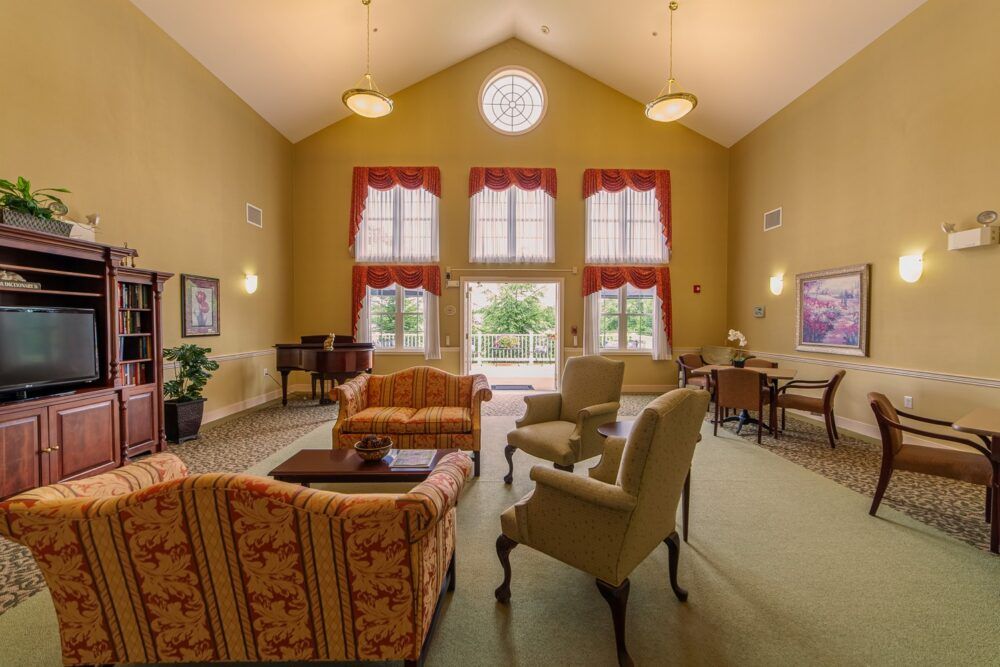
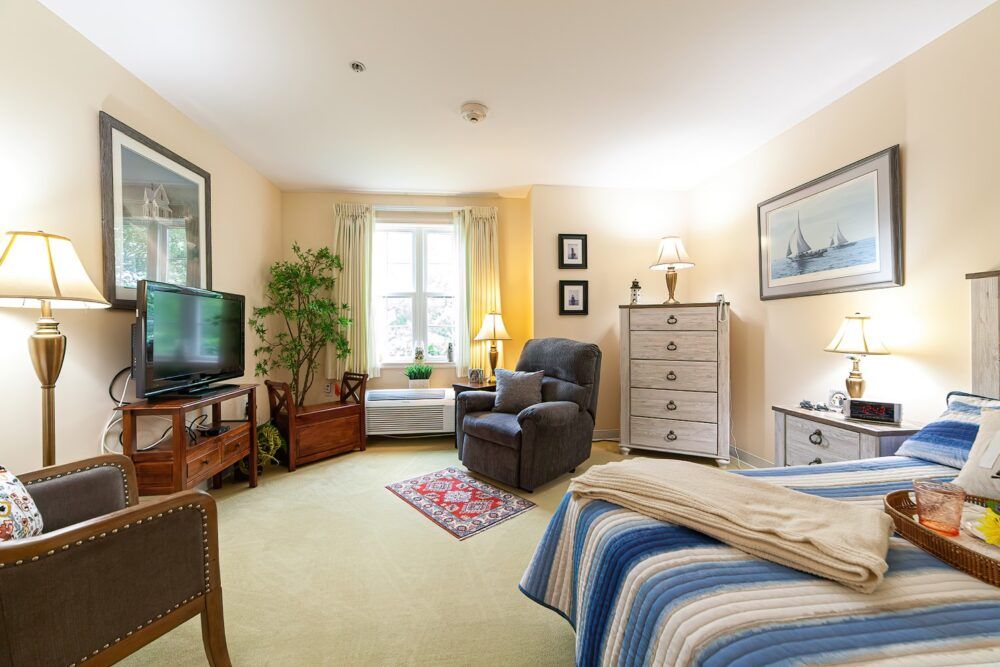
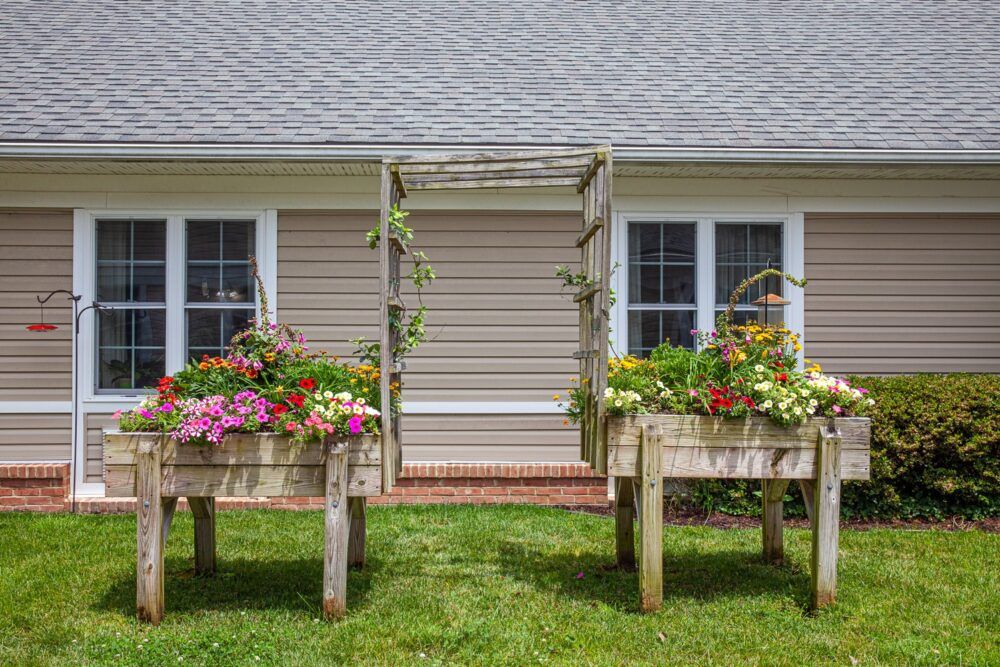
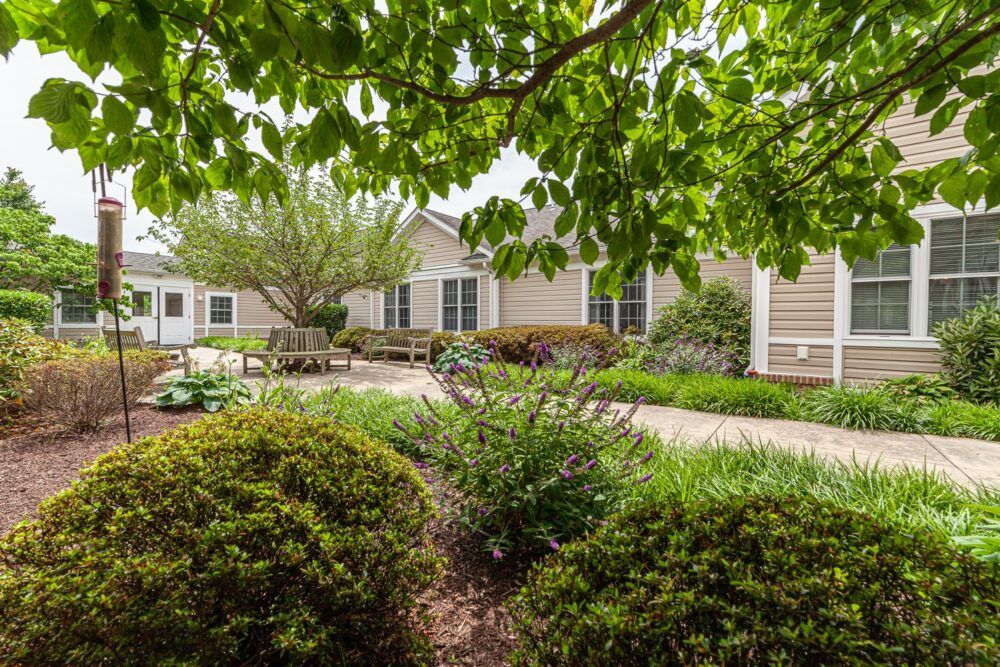
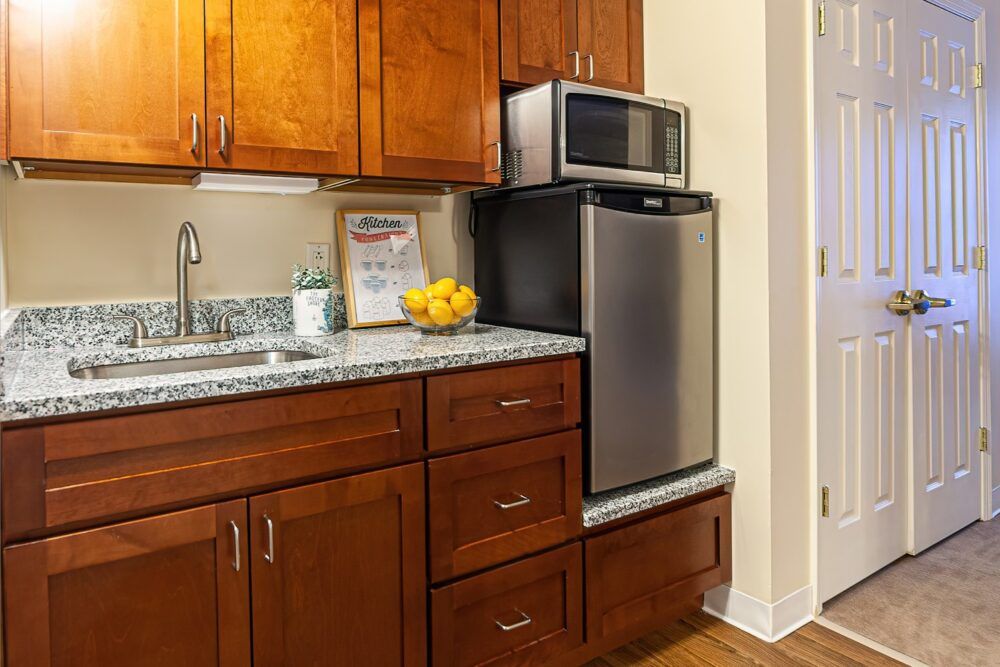
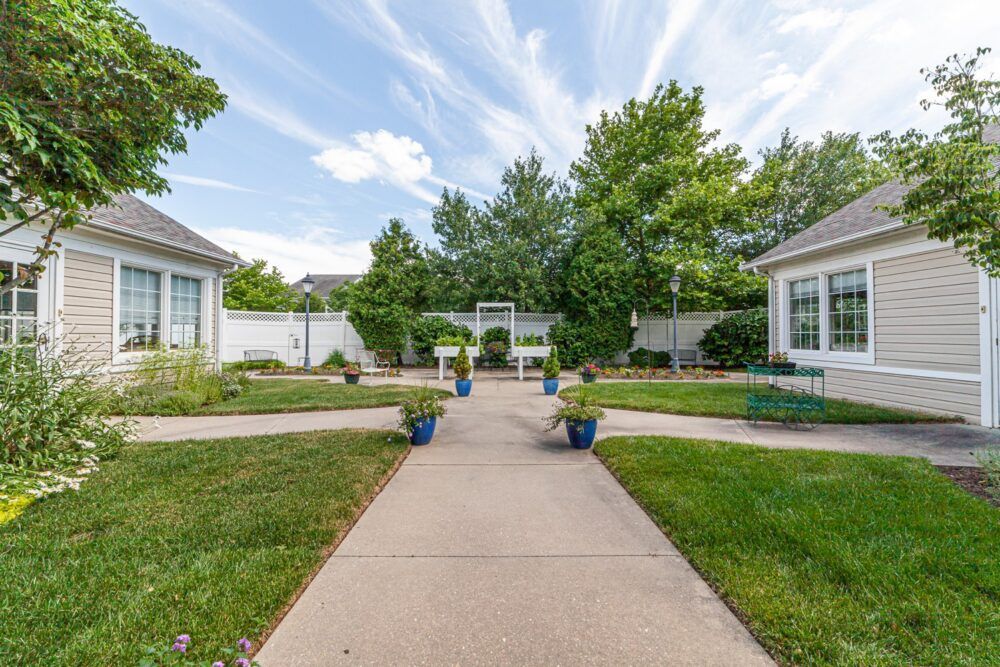
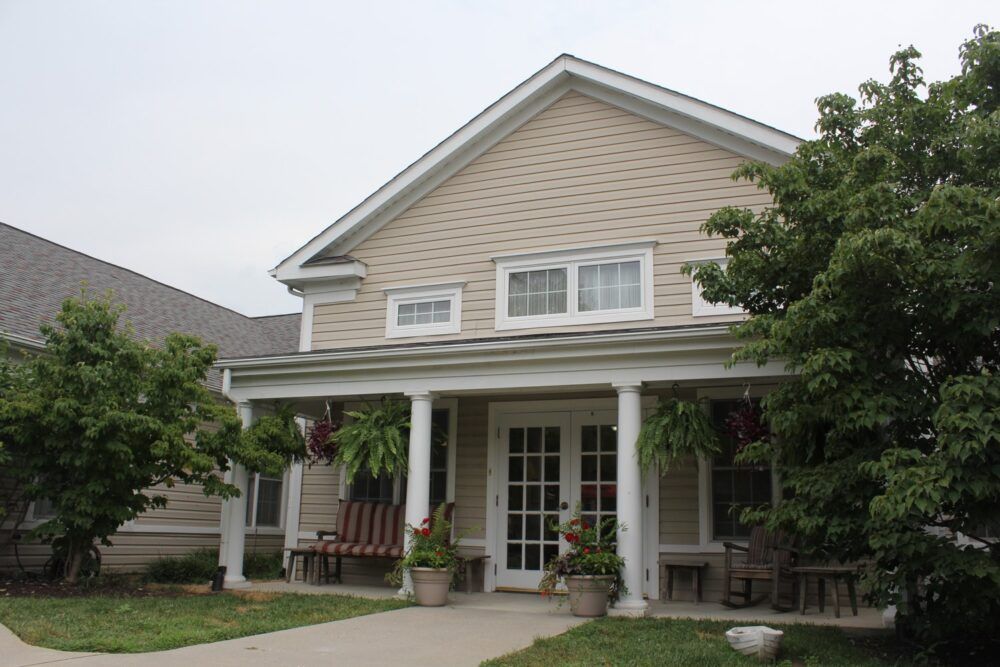
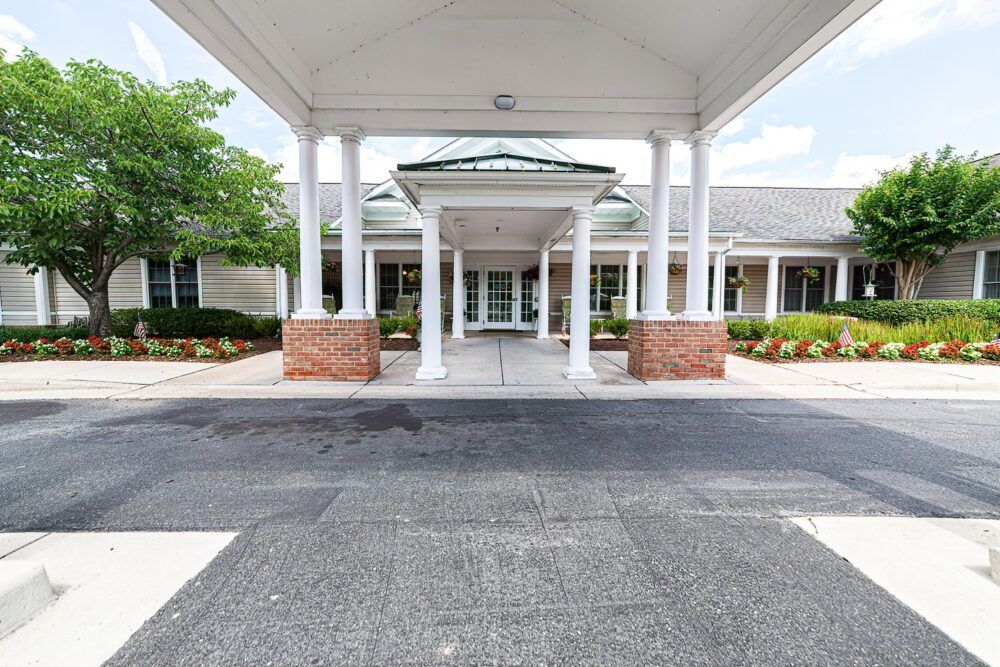
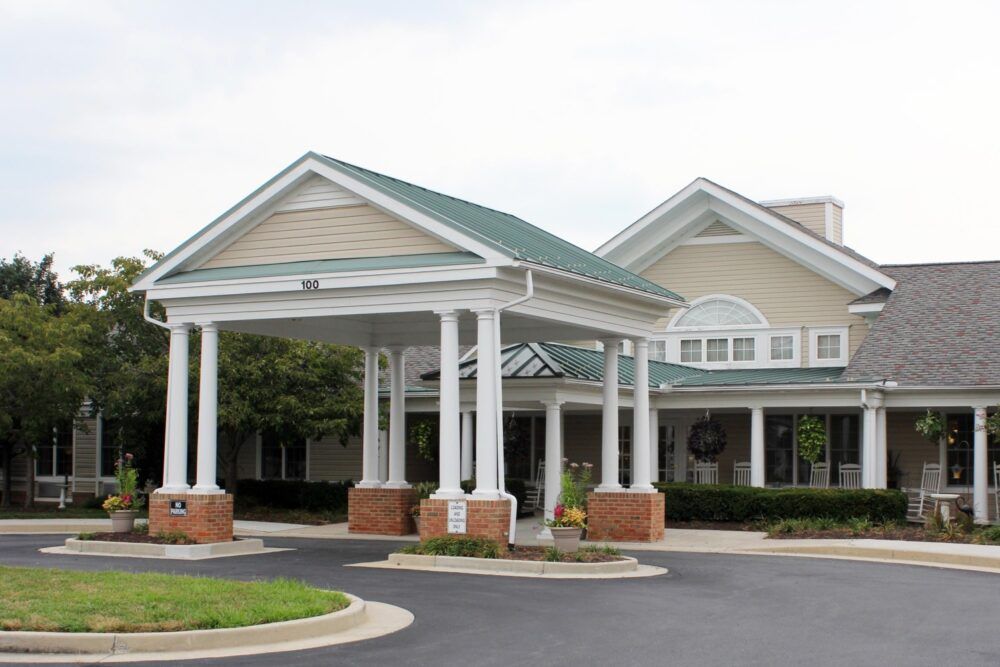
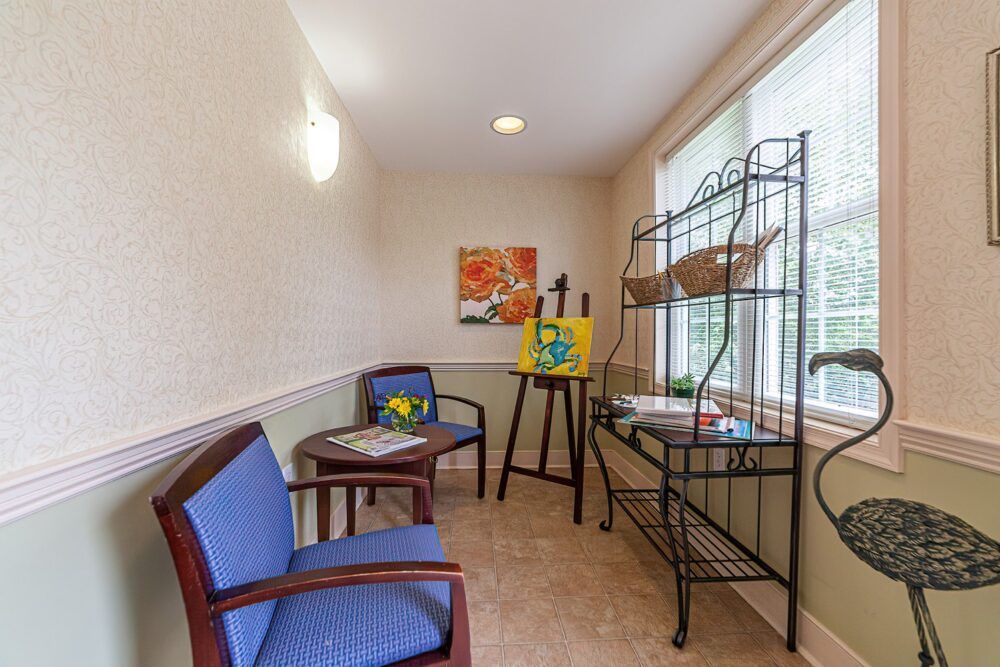
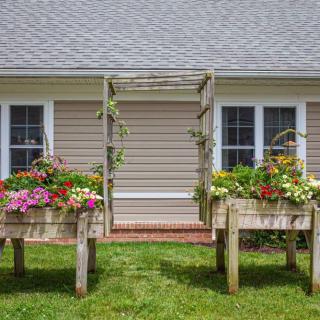
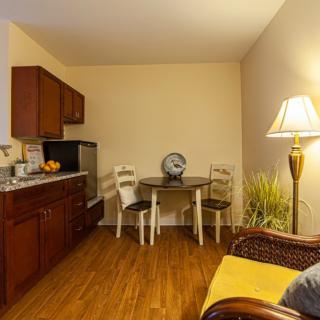
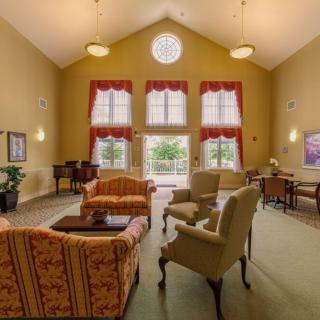
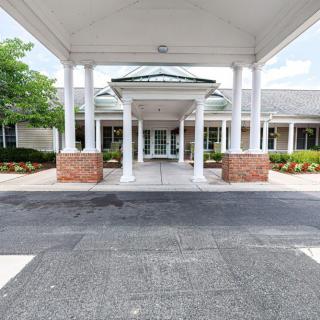
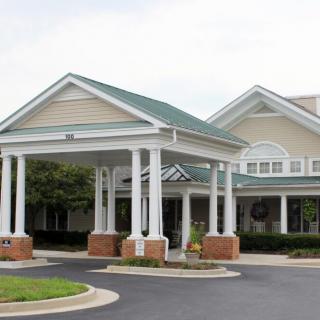
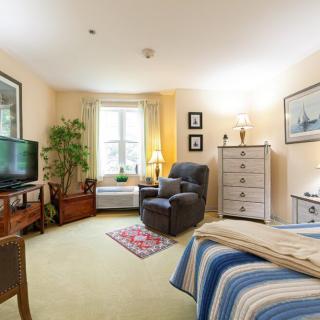
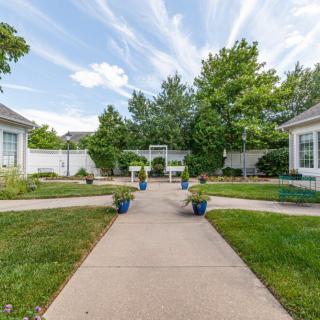
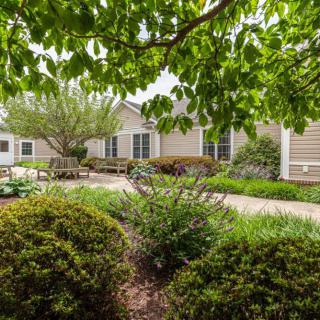
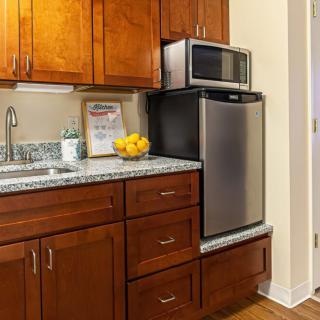
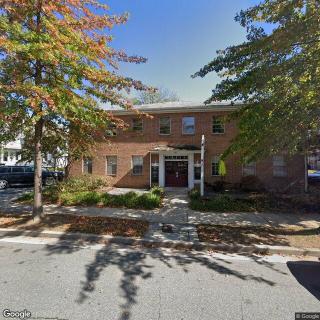
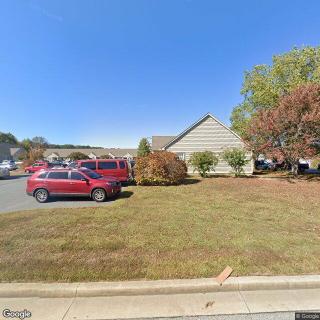
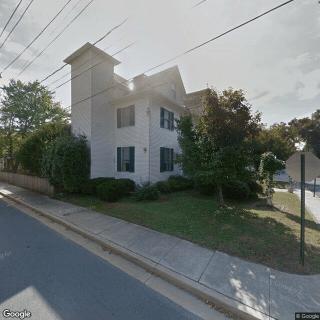
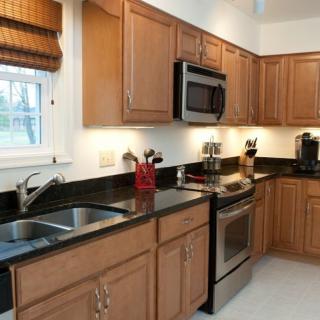
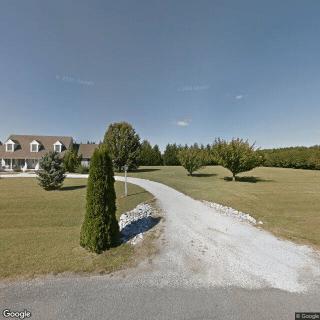
Heart Fields Assisted Living At Easton on seniors.fyi includes 11 photos including images showing landscaping, decor, interior, windows, garden, building, entrance, trees, and more.
Nearby Communities
Heartfields at Easton
Easton, MD
4.9 from 117 reviews
$5,200 to $8,910 / month
Professional, caring staff with a warm, home-like atmosphere.
Candle Light Cove
Easton, MD
4.9 from 83 reviews
$5,290 to $6,568 / month
Caring, stable staff in a warm, well-maintained, family-like setting with memory-care focus.
A Homemade Plan -Easton
Easton, MD
5 from 6 reviews
Strong dietary accommodations and nearby healthcare/amenities.
Home Instead - Easton, MD
Easton, MD
4.9 from 80 reviews
Caring, professional staff with responsive management.
The Dixon House, Inc
Easton, MD
$3,000 / month
Affordable private rooms with comprehensive on-site care and amenities.
Integrace Bayleigh Chase
Easton, MD
4.3 from 4 reviews
Excellent staff, clean facility, delicious meals, engaging activities, and strong family communication.
Park View at Easton
Easton, MD
4.7 from 3 reviews
$866 to $1,033 / month
Affordable pricing with strong amenities and accessible outdoor spaces.
Rayland Acres I
Trappe, MD
4.3 from 14 reviews
$2,800 to $2,900 / month
Caring, knowledgeable staff and clean, well-maintained facilities.
Caroline Nursing Home
Denton, MD
3.7 from 24 reviews
Friendly staff with engaging activities and uplifting animal visits.
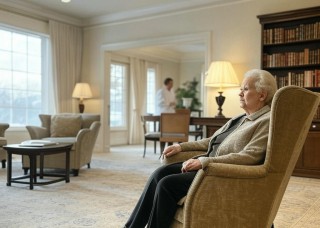
Dementia encompasses progressive neurological disorders that impair cognitive functions and can lead to paranoia due to cognitive decline and emotional changes. The article discusses the triggers of paranoia in dementia, caregiver strategies for managing it, and the importance of distinguishing between dementia-related paranoia and other psychiatric conditions.
Memory care activities are essential for improving the quality of life of seniors with cognitive impairments, as they stimulate cognitive function, promote well-being, and encourage social interaction through tailored strategies. These activities combine structured exercises with spontaneous tasks, sensory engagement, physical workouts, creative pursuits, and intergenerational interactions to enhance emotional connection and a sense of purpose.
Transitioning from assisted living to memory care is driven by an individual's cognitive decline and specific needs, requiring careful evaluation of indicators like increased confusion and wandering. The process involves consulting medical professionals, researching suitable communities, considering financial and legal aspects, and ensuring effective communication for personalized care plans.
Get PricingAsk A QuestionSchedule A TourContact Senior Advisor
By clicking submit, you agree to our Partner's Terms of Use. You
also consent to receive calls and texts, which may be autodialed, from our Partner. Your consent is not a condition to
using our Partner's service. Please visit our Partner's Privacy Policy for information about their privacy practices.

 74 resident community capacity
 1-bedroom apartments
 Assisted Living
 Memory Care
 Air-conditioning
 Beautician on-site
 Cable or satellite TV
 Computer center
 Dining room
 Financing advice
 Fitness room
 Fully furnished
 Gaming room
 Garden
 Guest parking
 Housekeeping services
 Kitchenette
 Laundry
 Move-in coordination
 Outdoor space
 Party space
 Pet friendly
 Private bathrooms
 Respite or short term stays offered
 Restaurant-style dining
 Small library
 Spa
Spa Telephone
 Wi-Fi/high-speed internet available
 Community operated transportation
 12-16 hour nursing
 24-hour call system
 Activities of daily living assistance
 Assistance with bathing
 Assistance with dressing
 Assistance with transfers
 Diabetes diet
 Hospice waiver
 Medication management
 Mental wellness program
 Special dietary restrictions
 Transportation arrangement (medical)
 Arts and crafts
 Book club
 Concierge services
 Cooking club
 Educational speakers / life long learning
 Games
Games Live musical performances
 Planned day trips
 Religious services
 English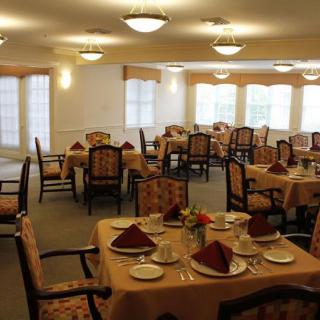
 Professional, caring staff with a warm, home-like atmosphere.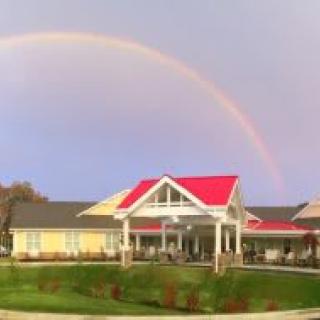
 Dementia, Paranoia, and Caregiver Guidance: Understanding the Connection
 Engaging Memory Care Activities That Enhance Quality of Life
 When to Transition from Assisted Living to Memory Care: Key Indicators, Steps, and Finding the Right Community