
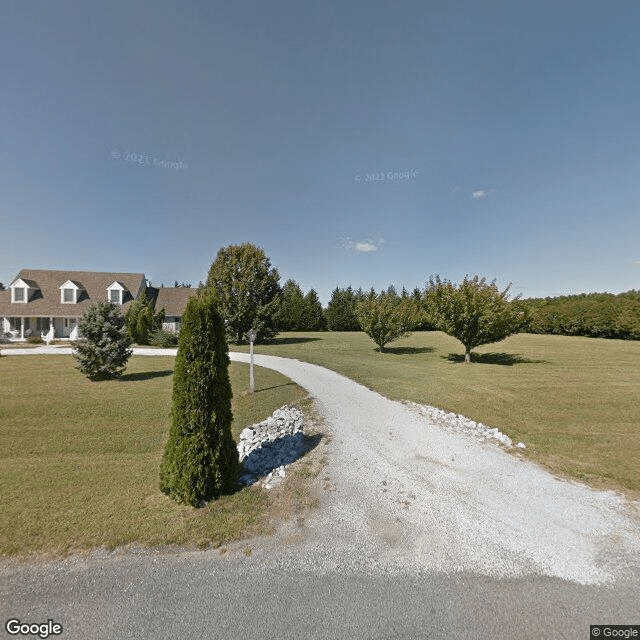
29160 Krismor Court, Trappe, MD 21673
For more information about senior living options: (866) 208-4318
Rayland Acres I Costs & Pricing
Rayland Acres I offers a competitive pricing structure for its residential accommodations, particularly when compared to both Talbot County and the broader Maryland state averages. For semi-private rooms, Rayland Acres I has an attractive monthly cost of $2,800, significantly lower than Talbot County's average of $4,598 and even more affordable than the state's average of $3,545. Additionally, private room rates at Rayland Acres I are set at $2,900, which again undercuts Talbot County's typical charge of $3,837 and Maryland's average of $4,112. This pricing not only reflects a cost-effective option for potential residents but also highlights Rayland Acres I's commitment to providing quality care at accessible prices.
| Floor plans | Rayland Acres I | Talbot County | Maryland |
|---|---|---|---|
| Semi-Private | $2,800 | $4,598 | $3,545 |
| Private | $2,900 | $3,837 | $4,112 |
Overall Review of Rayland Acres I
Pros
 Rayland Acres Assisted Living is very nice and very clean.
- It is a well-run establishment with knowledgeable, caring staff.
- The apartments are very clean and residents are very happy.
- Rose is accommodating, and the staff are dedicated to keeping residents safe and cared for.
- Rayland Acres is expanding to a new one-floor facility.
- Chesapeake Caregivers is easy to work with, with a friendly and thorough caregiver.
- The care team at Chesapeake Caregivers is caring, professional, calm, and efficient.
- The facility is clean, the food is good, and residents are content and happy.
- Mr. John Degen and Mrs. Phyllis Sanders are right on top of everything at all times.
- The home-like feel and peaceful community are noted as positive aspects.
Cons
 The reviewer felt the facility would not be suitable for their mother.
- The bedrooms were small.
- The facility had close quarters, insufficient privacy, and too many steps and obstacles for the husband.
- There was not enough staff to care for walkers and bed-bound clients, which had led to accidents in the past with no explanations.
- The facility failed to read the new medication dosage and almost harmed the reviewer’s family member.
- Prices changed as they saw fit, not based on requirements.
Review
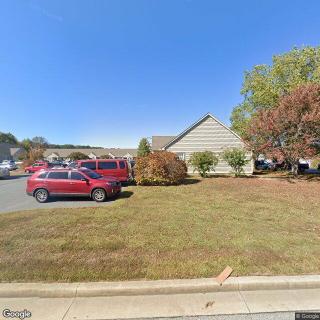
Rayland Acres I in Trappe, MD is best suited for families seeking a compact, home-like assisted living option where the emphasis is on attentive, consistent care and a calm daily rhythm. It works well for seniors who value cleanliness, a personable staff, and regular activities that foster a sense of community. The property’s current footprint and the anticipated single-story facility being developed suggest a good fit for residents who prefer easier access and predictable routines, especially those with evolving mobility needs who would benefit from later relocation to a one-floor environment.
Those who may want to consider alternatives are residents with higher activity levels who crave roomier living spaces, greater privacy, or more expansive common areas. A few reviews flagged the current layout as “close quarters” with limited privacy and a dining area on the smaller side. For families whose loved ones require robust, high-touch care, or who need strong memory-care specialization with dedicated footprints, it would be prudent to compare with facilities that offer larger apartments, more segmented memory-care wings, or higher staff-to-resident ratios.
The strongest positives are the basics: a very clean, well-run setting with consistently caring staff. Families repeatedly highlighted the facility’s maintenance of a homey, orderly environment, and residents appearing content. The leadership, particularly figures like Rose, is frequently praised for staff management and a proactive, safety-oriented approach. Daily activities are described as a meaningful part of life there, delivering engagement that discourages restlessness and fosters a sense of purpose for residents who thrive on routine and social contact.
On the downside, the most frequently cited drawbacks center on space and mobility. The current two-story arrangement can feel limiting for mobility-impaired residents, and some rooms are relatively small or lack the privacy options that can help with personal dignity. The upcoming single-floor facility addresses these concerns directly, promising easier navigation and better access to communal spaces. A minority of reviewers also raised concerns about staffing clarity and timely responses to safety incidents, including medication oversight in certain cases; while these do not reflect the consensus experience, they warrant careful inquiry before making a choice.
These pros offset the cons most decisively when the family prioritizes a stable, intimate environment with steady, compassionate caregiving and a visible commitment to activity and safety. The new-build promise of a one-floor layout strengthens this balance, suggesting that current mobility limitations will be alleviated and privacy will improve in the near term. The combination of cleanliness, staff dedication, and a genuine home atmosphere creates a reassuring baseline for seniors who do not require aggressive clinical intervention but do need reliable daily support and social connection.
In practical terms, Rayland Acres I is a strong fit for seniors who value a quiet, well-managed, community-focused setting and who can adapt to a smaller living space or are patient about the transition to a future single-story facility. Families should verify current staffing patterns, tour the existing space with questions about privacy and dining logistics, and seek explicit clarity on how the new building will handle memory-care needs if applicable. For those prioritizing larger living quarters, stronger privacy assurances, or intensive memory-care programming, it is wise to compare with other options that foreground expansive floor plans and specialized wings. Ultimately, the decision should hinge on whether the resident’s comfort with a homelike pace and the assurance of attentive, involved caregiving outweighs the wish for more expansive space and advanced, specialized care.
 8 resident community capacity
 Assisted Living
 Board and Care Home
 Activities off-site
 Bath tubs
 Cable or satellite TV
 Devotional services off-site
 Dining room
 Fully furnished
 Garden
 Housekeeping services
 Indoor common areas
 Move-in coordination
 Outdoor common areas
 Private
 Private bathrooms
 Respite or short term stays offered
 Swimming pool / hot tub
 Telephone
 Wi-Fi/high-speed internet available
 24-hour supervision
 Assistance with bathing
 Assistance with dressing
 Assistance with transfers
 Diabetes diet
 Diabetic care
 High acuity care
 Incontinence care
 Meal preparation and service
 Medication management
 Special dietary restrictions
 Transportation arrangement (medical)
 Transportation to doctors appointments



 Senior Transition Services: Understanding Their Role, Cost, and Importance
 Exploring the Path to Senior Living: A Comprehensive Look at Independent Living and Assisted Living
 Is Assisted Living Deductible on Your Taxes? Understanding the Complexities of Assisted Living Expenses and Deductions