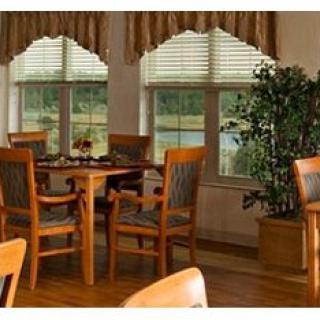


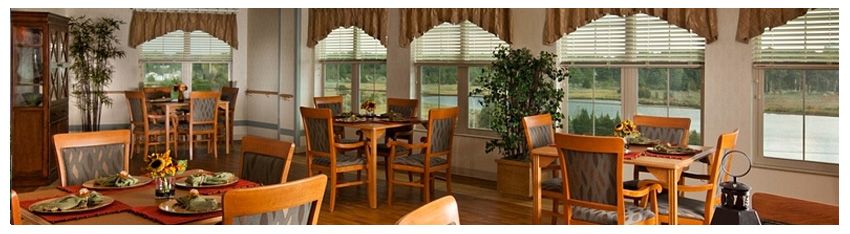

203 Hall Highway, Crisfield, MD 21817
For more information about senior living options: (866) 208-4318
Chesapeake Cove Costs & Pricing
Chesapeake Cove offers competitive pricing for its studio accommodations, aligning perfectly with the rates in Somerset County at $3,230 per month. This represents a significant advantage when compared to the broader Maryland state average of $4,656 for similar units. By positioning itself at the county's rate, Chesapeake Cove not only provides affordability but also ensures residents enjoy a high-quality living environment without the added financial burden typically associated with larger metropolitan areas within the state. This strategic pricing makes Chesapeake Cove an appealing option for those seeking both value and a sense of community.
| Floor plans | Chesapeake Cove | Somerset County | Maryland |
|---|---|---|---|
| Studio | $3,230 | $3,230 | $4,656 |
Assisted Living communities with a similar price nearby
-
About the same
Commonwealth Senior Living at the Eastern Shore
$3,255 to $3,910 / month20.0 miles away
Overall Review of Chesapeake Cove
Pros
 The staff are consistently monitoring residents, showing attentive care.
- They provide a clear list of activities for residents to enjoy.
- The staff are friendly and hospitable.
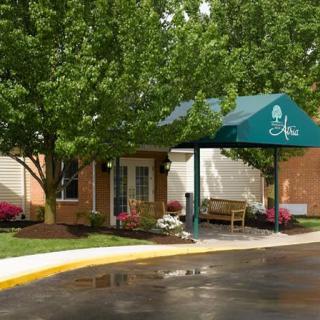
- The environment is clean and well maintained.
- Relatives report nothing but good things about the community.
- It is located in a very small town and offers a welcoming, intimate atmosphere.
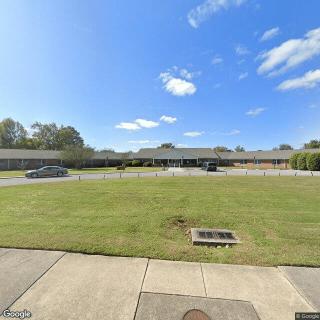
- It sits on the water with a gorgeous view, and residents socialize through programs and Friday outings.
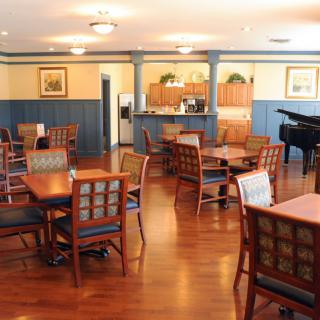
- Meals are provided, including breakfast, lunch, dinner, and snacks.
Cons
 The facility is very small.
Review
Chesapeake Cove in Crisfield, Maryland is best suited for seniors who savor an intimate, small-town atmosphere paired with a genuine sense of community and a scenic water view. The setting lends itself to residents who prefer easy neighborly interactions, predictable routines, and a manageable footprint where staff can know residents well. It suits families seeking hands-on staff engagement, reliable monitoring, and programming that feels personal rather than corporate. In short, this is a strong fit for those who prize warmth, accessibility, and a homelike vibe over a large, campus-style experience.
Those who may want to consider alternatives include seniors who require more expansive on-site services or a broader medical support network, which a very small facility may struggle to provide. A larger campus with a wider array of activities, or a different locale with greater access to hospitals and specialized care, could be more appropriate. For residents who need more privacy or a greater variety of outing options beyond a weekly Friday excursion, another community might deliver the scope they expect. The small-town, waterfront appeal is a strength, but it also signals a trade-off for those seeking a broader spectrum of amenities.
Key pros align with the setting: staff are described as friendly and hospitable, with ongoing monitoring to ensure safety. The caregiving team is local, which often translates to a grounded, consistent approach to daily needs. The environment is clean and well maintained, reinforcing comfort and trust for families. Residents benefit from a plan that includes meals, breakfast, lunch, dinner, and snacks, and a schedule of activities that span arts, games, and crafts. Regular outings, including Friday shopping trips and social events, help sustain social connections and a sense of purpose within a compact footprint.
On the con side, the facility’s small size can limit the breadth of people and activities in any single day. That constraint may matter to residents who crave a bigger social circle or who want a wider menu of programming beyond the basics. Yet the intimate setting tends to deepen relationships, and the waterfront location enhances overall mood and enjoyment. The consistent care, attentiveness, and clean environment often offset the smaller scale by delivering a dependable, low-drama daily life where residents are seen and known.
For families weighing Chesapeake Cove, practical diligence matters: verify room options and whether private or shared accommodations are available, confirm what meals and snacks cover, and inquire about the cadence of outings and whether transportation is provided for off-site activities. Speak with current residents or families about the consistency of staffing, and ask about any limitations in medical support or response times for changing needs. The balance of a welcoming staff, scenic setting, and structured daily life makes the community compelling, but clarity on care capabilities and scheduling will help ensure it fits long-term expectations.
Ultimately Chesapeake Cove is a strong choice for seniors who prioritize a welcoming, small-community experience with frequent social programming and dependable care in a picturesque, water-adjacent setting. It excels for families who value warmth, cleanliness, routine, and accessible outings over size or breadth of services. Those who want more expansive services, a larger resident pool, or a broader medical footprint should explore alternatives that align with a bigger-campus model. When the priority is a serene, neighborly atmosphere led by local caregivers, Chesapeake Cove delivers with confident, practical competence.
 30 resident community capacity
 Assisted Living
 Respite Care
 Activities on-site
 Air-conditioning
 Beautician on-site
 Cable or satellite TV
 Devotional services off-site
 Dining room
 Fully furnished
 Garden
 Housekeeping services
 Indoor common areas
 Kitchenette
 Move-in coordination
 Outdoor space
 Restaurant-style dining
 Small library
 Telephone
 Wheelchair accessible showers
 Wi-Fi/high-speed internet available
 24-hour call system
 Ambulatory care
 Assistance with bathing
 Assistance with dressing
 Assistance with transfers
 Diabetes diet
 Diabetic care
 High acuity care
 Incontinence care
 Medication management
 Mental wellness program
 Special dietary restrictions
 Birthday parties
 Day trips and outings
 Live musical performances
 Trivia games
 Wii bowling



 Understanding the Distinctions: Assisted Living and Memory Care Explained
 Guiding Elderly Parents Who Refuse Assisted Living: 6 Practical Steps
 Your Comprehensive Guide to Luxury Assisted Living: Elevated Facilities, Amenities, and Costs