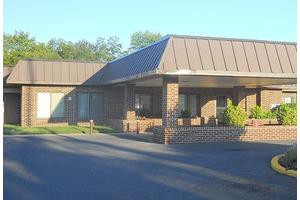
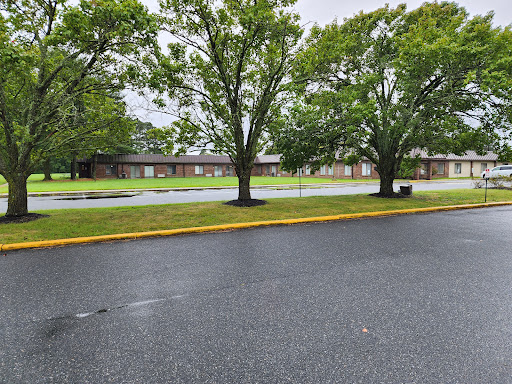
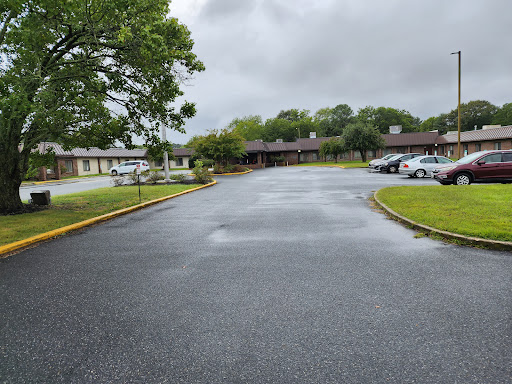
11974 Edgehill Terrace, Princess Anne, MD 21853
For more information about senior living options: (866) 208-4318
Overall Review of Aurora Senior Living Of Manokin
Pros
 The people they've met have been nice and have guided the resident through the financial process.
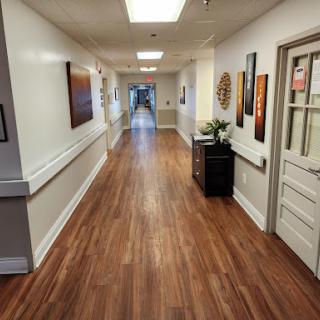
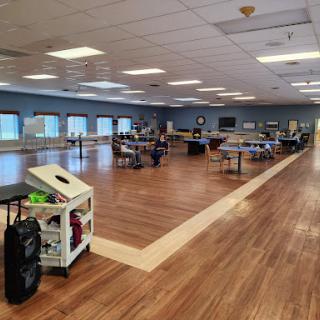
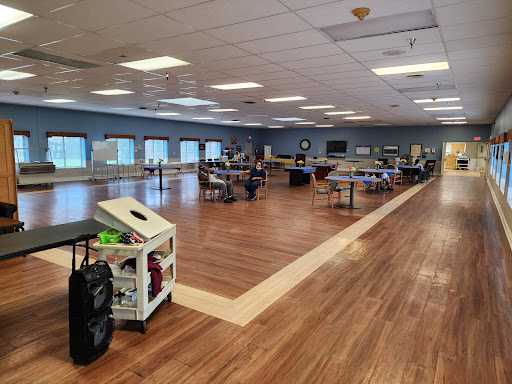
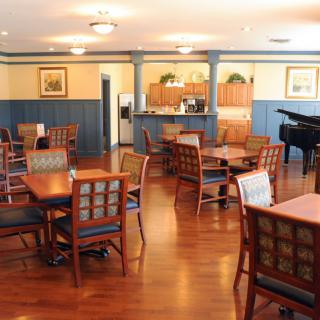
- The facility features a cafeteria and a gathering area where residents can sit and socialize.
- Manokin Manor offers activities for the residents.
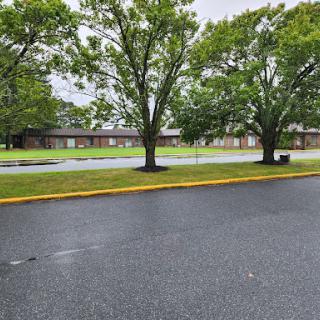
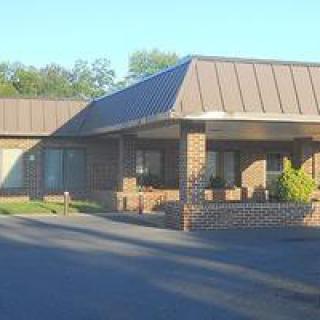
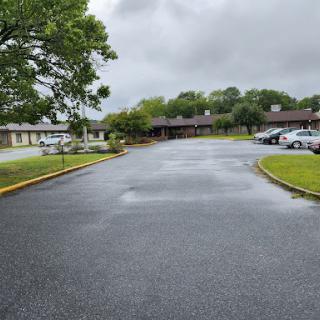
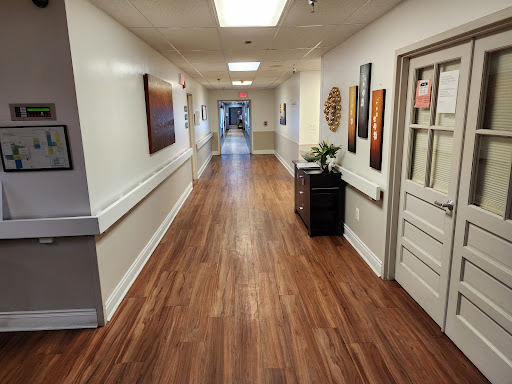
- The building has improved over time, with renovations underway.
- Manokin Manor is fully covered by the VA.
Cons
 The staff at Manokin Manor is awful.
- The staff is inattentive and not friendly.
- The facility seems to have gotten worse and struggles to find compassionate staff.
- The bathroom arrangement forces four residents to share a single bathroom.
- A staff member was rude, sarcastic, and accusatory during a medicine drop-off and refused to identify herself.
- A family member's medicine was not received by the patient, with the staff keeping the item and giving unclear explanations.
Review
Aurora Senior Living of Manokin in Princess Anne is best suited for veterans and seniors who are comfortable living in shared accommodations and who can benefit from VA coverage to keep costs manageable, all while seeking a built-in social scene and access to dementia-specific support. The community offers a dementia ward, a cafeteria, and gathering spaces that encourage residents to socialize, which can be a crucial fit for those who value daily activities and peer engagement. For families, the moving-in process and initial financial guidance can be workable, and the facility has shown progress through renovations that aim to brighten common areas and improve the overall environment over time.
Those who may want to consider alternatives fall into two buckets. First, families that place a premium on privacy and intimate care relationships should look elsewhere, as a number of units rely on shared bedrooms and even multi-resident bathrooms. Second, anyone who cannot tolerate inconsistent service, rigid policies, or unreliable medication handling should be wary. Several reviews cite rude or unhelpful interactions with staff, lapses in med drop-off and communication, and ongoing staffing challenges that undermine everyday reliability. Those prioritizing quiet, predictable operations, or amenities beyond a basic social framework may find other communities better aligned with their expectations.
On the positive side, the strongest anchors are the social and care-oriented features that persist despite turnover. The presence of a dedicated dementia ward signals a targeted approach to memory-care needs, while the on-site cafeteria and common areas provide structured opportunities for residents to engage in meals and social activities without leaving the building. For families, the fact that staff can guide through financial processes and that there is some continuity in care planning is helpful, particularly for veterans navigating VA benefits. Renovation activity hints at a future-proofing mindset, with ongoing improvements to the building that could translate into a more comfortable living environment as work progresses.
However, the main drawbacks are nontrivial and carry real implications for daily life. Staffing is a recurring concern, with reports of inattentive or unfriendly behavior and difficulties in attracting reliable caregivers. Medication handling appears inconsistent, with at least one incident involving a drop-off that did not reach the intended patient, coupled with complaints about policy rigidity and poor responsiveness from front-line staff. The physical plant has its blemishes, roof leaks have been noted in the past, and while renovations are underway, they remind families that the facility may still feel unsettled in parts. Shared bathrooms and limited amenities further dilute privacy and upscale comfort.
These pros can offset some cons, but only to a point. VA coverage remains a meaningful financial advantage for eligible residents, potentially lowering ongoing costs and aligning with benefits already received by veterans. The dementia ward and structured activity schedule contribute to engagement and can slow the progression of isolation and boredom, which matters greatly for cognitive and emotional well-being. Renovations offer hope for a brighter environment, yet they do not instantly fix staffing gaps or policy friction. For many, the question becomes whether the value of social programming and VA-supported care justifies enduring the variability in daily service and the trade-offs in privacy.
In practical terms, families evaluating this community should go beyond a tour and press for concrete assurances. Request current staffing ratios by shift, and ask to see med-pass procedures, error logs, and the process for addressing any medication discrepancies. Inspect bathrooms and room configurations to understand how much privacy a resident will actually have, and confirm whether private rooms or partner arrangements are possible should a resident require more personal space. Inquire about the scope and timeline of ongoing renovations, and seek a transparent maintenance response plan. Finally, verify VA benefits eligibility for the prospective resident and enlist the benefits coordinator’ s help to model long-term costs. When alignment is found, valuing VA support, dementia-capable care, and social engagement, Aurora Senior Living of Manokin can be a reasonable choice; when reliability, privacy, and consistently warm staff are non-negotiable, pursuing alternatives is prudent.
 135 resident community capacity
 Skilled Nursing Facility
 Air-conditioning
 Beauty salon
 Cable or satellite TV
 Computer center
 Dining room
 Fitness room
 Fully furnished
 Gaming room
 Garden
 Housekeeping services
 Kitchenette
 Move-in coordination
 Outdoor space
 Private bathrooms
 Restaurant-style dining
 Small library
 Telephone
 Wellness center
 Wi-Fi/high-speed internet available
 Community operated transportation
 12-16 hour nursing
 24-hour call system
 Activities of daily living assistance
 Assistance with bathing
 Assistance with dressing
 Assistance with transfers
 Diabetes diet
 Medication management
 Mental wellness program
 Special dietary restrictions
 Concierge services
 Planned day trips
 Recognizing the Journey: Understanding and Navigating Anticipatory Grief
 Encouraging Participation in Adult Day Care: A Guide to Supporting a Hesitant Parent
 Comprehensive Exploration of Living Wills and Other Advance Directives