
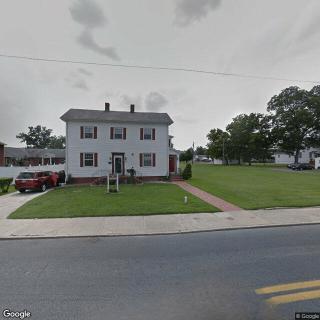
12360 Palmetto Church Road, Princess Anne, MD 21853
For more information about senior living options: (866) 208-4318
Overall Review of Somerset Gardens
Pros
 Palmetto's program can transform a person's lifestyle.
- It serves mental and physical well-being.
- The staff are patient and deeply caring.
- The program helps individuals discover strengths they never knew they had.
- People would recommend Palmetto's to anyone seeking to turn their life around.
- The treatment center provides strong guidance and builds a solid foundation.
- Miss Muzette and the Jessicas contribute to lasting personal improvement.
- The director, Mark, is fair and kind.
- Palmetto Corner is absolutely wonderful and the staff go above and beyond for clients.
Review
Somerset Gardens in Princess Anne, Maryland is best suited for adults who want a tightly knit, home-like recovery environment where staff engagement runs high and leadership stays hands-on. The community earns strong, sustained praise from residents and families, with a clear emphasis on personal attention, predictable routines, and a sense of belonging. The eight reviews paint a picture of a small, intimate setting rather than a clinical campus, where staff members know names, check in regularly, and structure days around activities designed to support mood, motivation, and accountability. For families evaluating recovery housing, the combination of warmth, consistency, and a manageable pace often translates into steady engagement and a dependable sense of progress.
Who may want alternatives becomes important to highlight. Clients who require deeper clinical depth, broader therapeutic offerings, or a longer-term continuum may find the setting less robust than what larger, more diverse centers provide. If the aim is a program with extensive, multi-modal therapies, strong medical oversight around the clock, or a structure that extends well beyond a brief stay, Somerset Gardens may feel limited. The presence of a solitary one-star review, without detail, serves as a warning sign that not every experience matches the premise of a uniformly positive outcome. In such cases, prospective residents should probe the facility’s capacity for individualized therapy plans, continuity of care, and a transparent discharge strategy before committing.
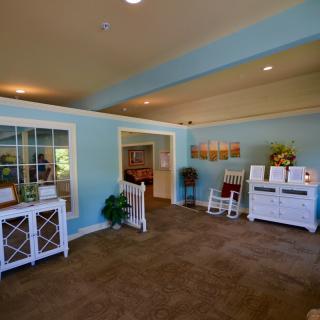
The strongest positives center on staff devotion and a home-like atmosphere. Counselors, nurses, and support staff are repeatedly described as caring, accessible, and willing to go above and beyond. Leadership is viewed as hands-on and responsive, with directors who foster a family-like dynamic rather than a distant administrative tone. Residents report meaningful improvements in mood and motivation thanks to guided activities, stable routines, and reliable daily structure. The meals and the outdoor spaces contribute to overall well-being, lending comfort and a sense of normalcy that supports recovery efforts. Taken together, these elements create a supportive cocoon in which hard work and accountability feel achievable and sustainable over time.
Yet the light is not without its shadows. The same small scale that yields warmth can also limit the range of programs, therapies, and extracurricular options, potentially reducing anonymity and pace. For some, the intensity or variety of care may not meet expectations, and scheduling or service access can feel constrained if demand exceeds supply. Still, the core strengths, high staff engagement, visible leadership, and an unmistakably personal, routine-driven approach, tend to compensate for these gaps when the goal is steady, relationship-based progress. In practice, trust, rapport, and regular accountability can be decisive factors in long-term outcomes, and those elements frequently outpace what larger, more impersonal facilities can offer.
Families evaluating Somerset Gardens should pursue practical assurances. Clarify acceptable lengths of stay and whether the program accommodates longer-term or relapse-management plans, confirm staff-to-resident ratios, and request concrete examples of individualized care planning. Seek conversations with current residents or recent alumni to gauge real-world experience and outcome consistency, and ask about how actively the director participates in daily operations and family communication. Inquire about meal quality, activity calendars, and opportunities for outdoor time, since these seemingly simple factors often anchor recovery in a tangible, repeatable routine. Given the presence of at least one less-than-satisfied review, insist on candid references about problem resolution, responsiveness, and ongoing quality improvement. A structured site visit combined with targeted questions will illuminate whether the environment can deliver on its promises.
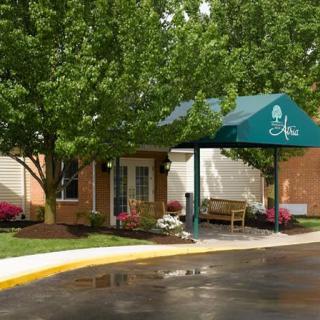
In the end, Somerset Gardens appears best suited for adults who want a high-touch, family-forward approach to recovery, where staff presence and daily routines create a steady drumbeat for progress. It’s a compelling option for those who prioritize human connection, a calm rural setting, and a home-like atmosphere over a larger, more clinical campus. For residents with complex or specialized needs requiring extensive therapeutic modalities, or for families seeking a broader continuum of care and longer-term guarantees, it may be prudent to compare alternatives that promise a wider range of services. The prudent path is a site visit paired with a clear set of expectations, ensuring that the chosen environment aligns with the resident’s recovery goals, the family’s level of engagement, and the willingness to invest in a highly relational, mentorship-style approach to healing.
 16 resident community capacity
 Assisted Living
 Board and Care Home
 Cable or satellite TV
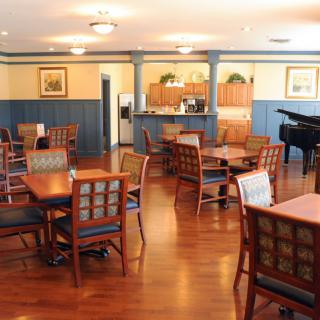
 Dining room
 Fully furnished
 Garden
 Housekeeping services
 Move-in coordination
 Outdoor space
 Telephone
 Wi-Fi/high-speed internet available
 24-hour supervision
 Activities of daily living assistance
 Assistance with bathing
 Assistance with dressing
 Assistance with transfers
 Diabetes diet
 Meal preparation and service
 Medication management
 Special dietary restrictions
 Transportation arrangement (medical)
 Transportation to doctors appointments

 Beyond the Bingo Hall: 50+ Enriching Activities for Seniors in Assisted Living
 Understanding the Distinctions: Assisted Living and Memory Care Explained
 Guiding Elderly Parents Who Refuse Assisted Living: 6 Practical Steps