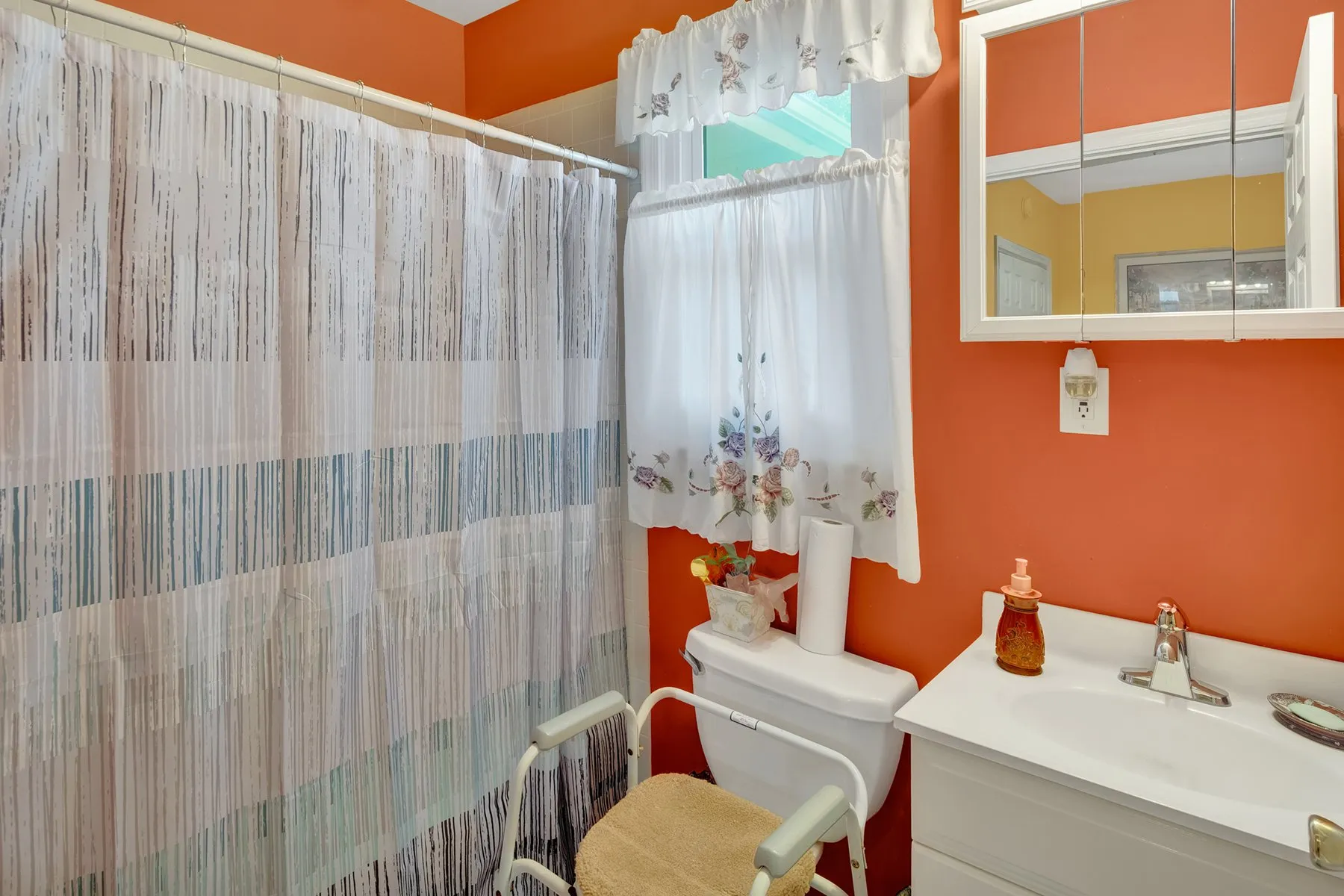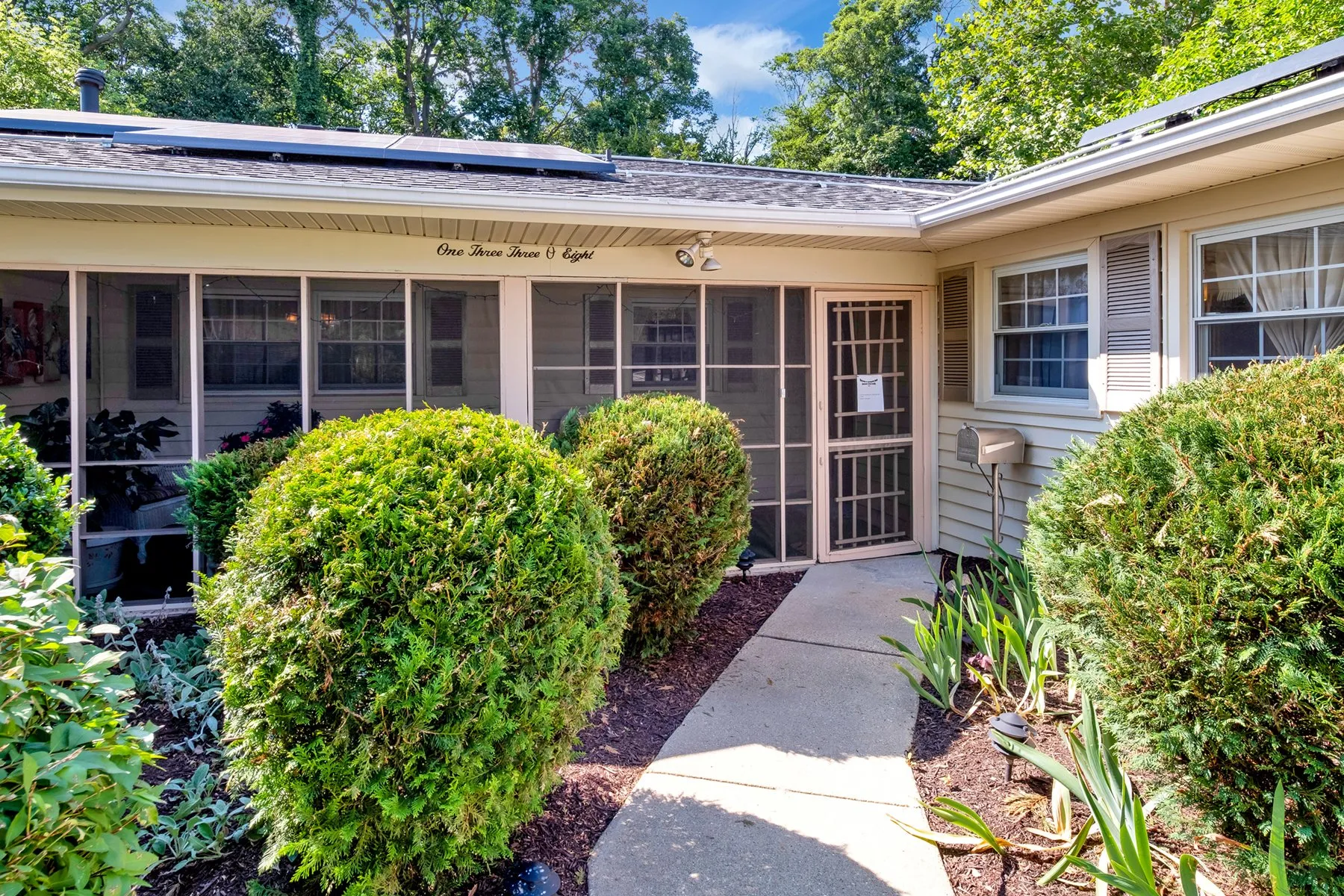
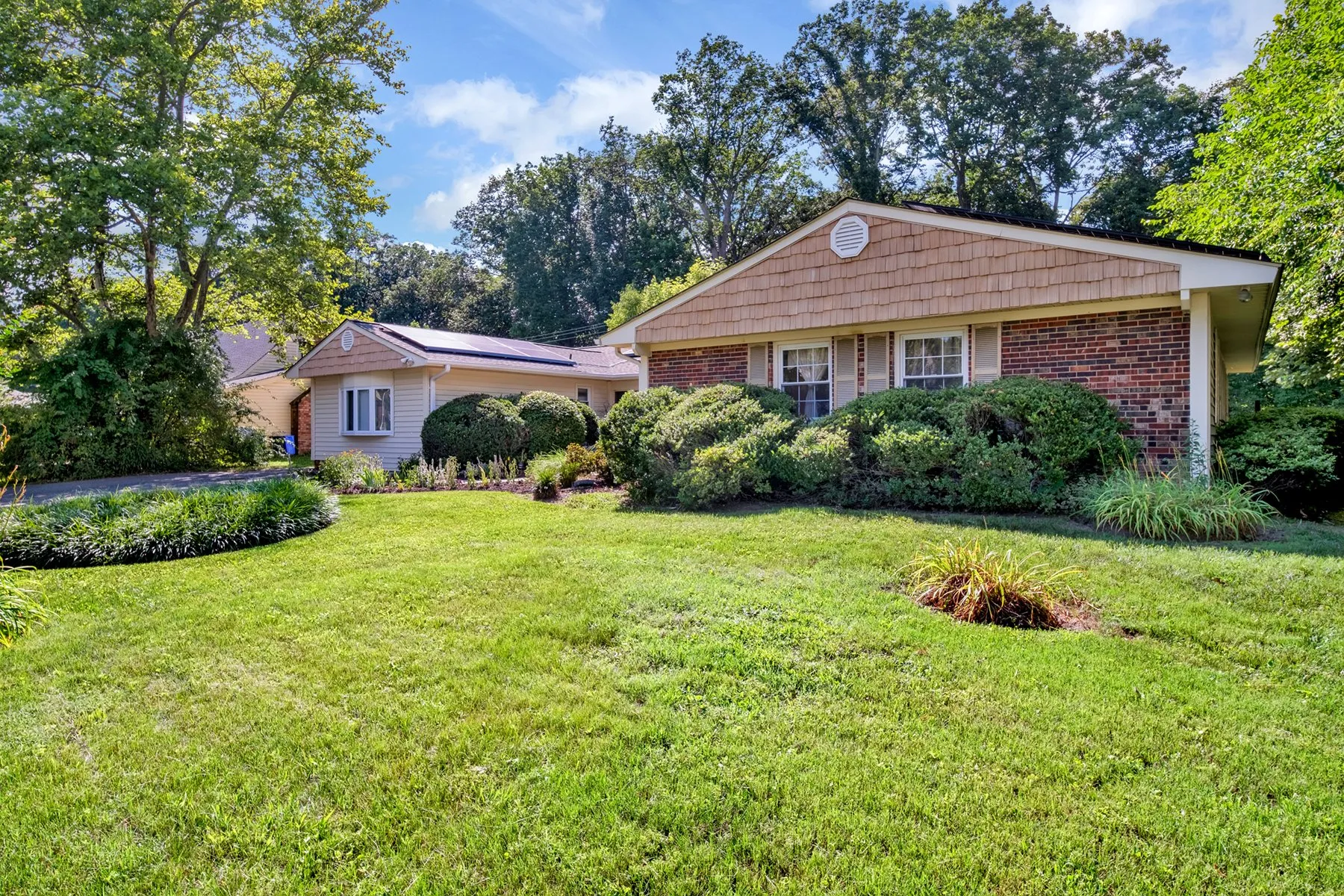
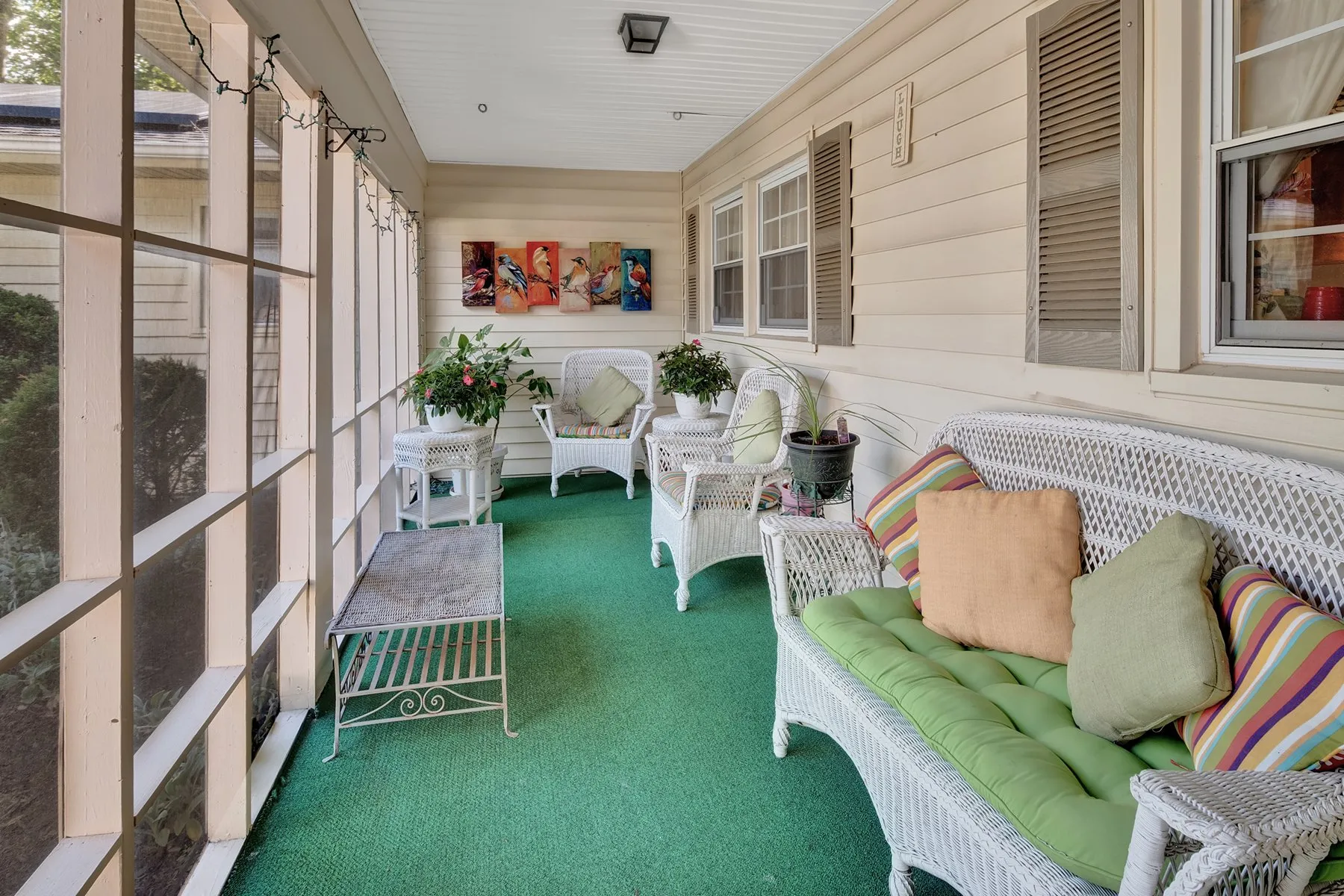
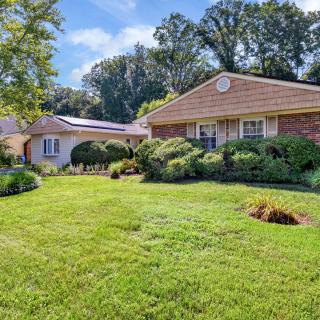
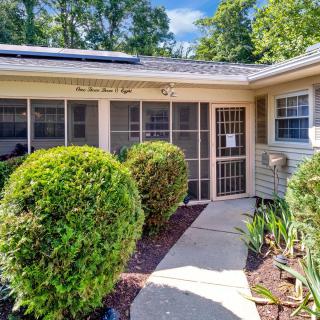
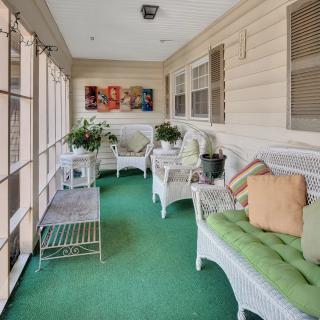

13308 Yorktown Drive, Bowie, MD 20715
For more information about senior living options: (866) 208-4318
Springtime Home III Costs & Pricing
Springtime Home III offers competitive pricing for its accommodations, with monthly costs that are notably lower than both Prince George's County and the broader state of Maryland. For private rooms, residents pay $3,000, which is significantly less than the county's average of $3,792 and the state's average of $4,112. Similarly, semi-private rooms at Springtime Home III are also priced affordably at $3,000 compared to $3,058 in Prince George's County and $3,545 statewide. Even for studio apartments, priced at $4,000, Springtime Home III remains a more economical option against the regional averages of $4,428 in Prince George's County and $4,656 across Maryland. This pricing structure reflects an attractive value proposition for potential residents seeking quality care without compromising their financial stability.
| Floor plans | Springtime Home III | Prince George's County | Maryland |
|---|---|---|---|
| Private | $3,000 | $3,792 | $4,112 |
| Semi-Private | $3,000 | $3,058 | $3,545 |
| Studio | $4,000 | $4,428 | $4,656 |
Memory care communities with a similar price nearby
-
from -$500 / mo

Amazing Grace Senior Care
$2,500 to $3,000 / month9.8 miles away -
from -$530 / mo
Ovalstone Comfort Home
$2,470 to $3,300 / month0.1 miles away -
from +$350 / mo

Paul Spring Retirement Community
$3,350 to $7,180 / month23.9 miles away -
About the same
Residences at Vantage Point CCRC
$3,000 to $4,709 / month17.2 miles away -
from +$500 / mo
Able Plus Assisted Living
$3,500 to $5,000 / month15.9 miles away
Overall Review of Springtime Home III
Pros
 The staff were very caring and seemed to genuinely like the resident.
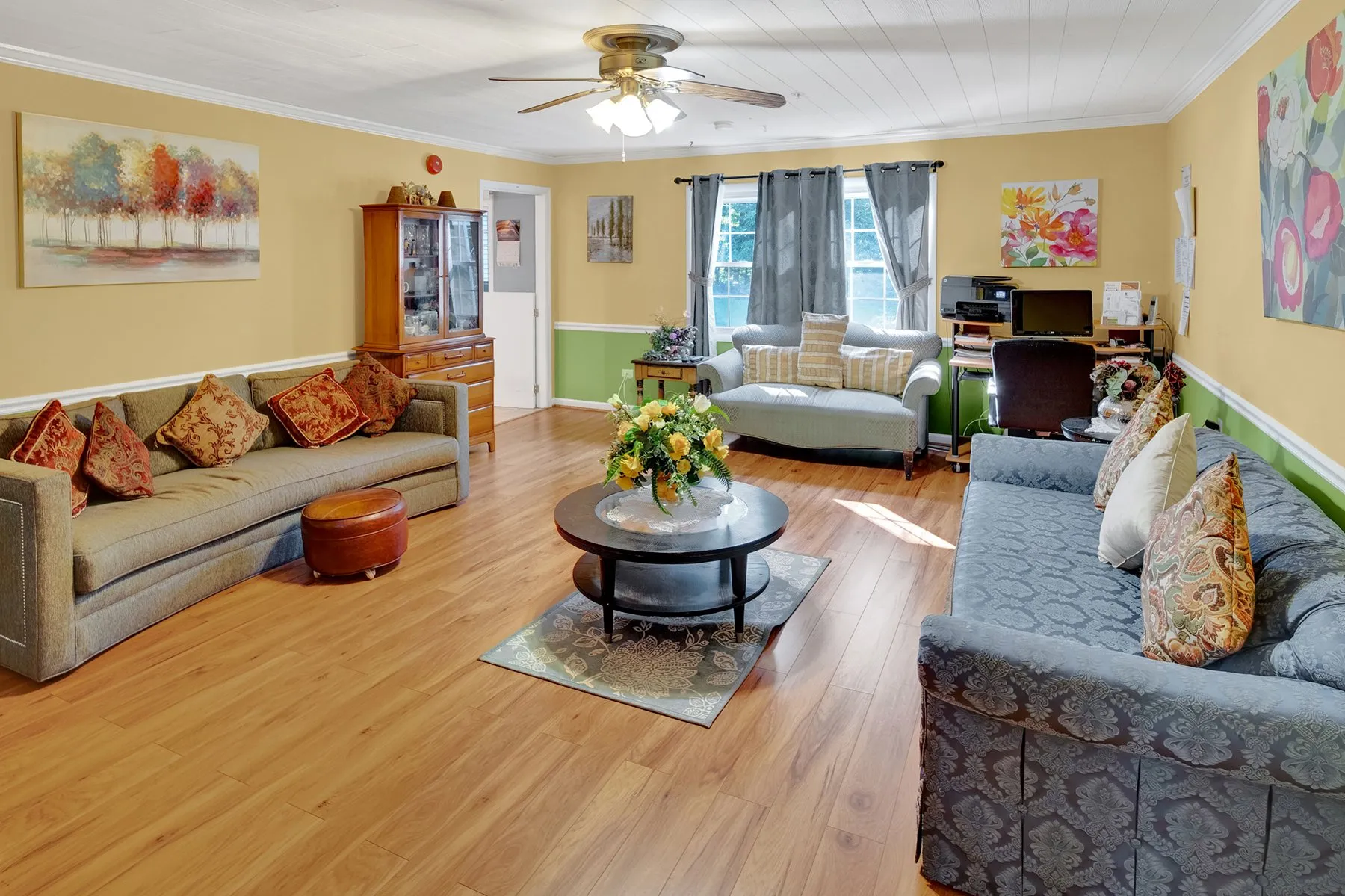
- The facility is a very nice, modern mansion.
- The owner is a registered nurse with over 28 years of experience and has operated six licensed facilities for over 21 years.
- The staff have a wealth of knowledge in elderly care.
- The most recent state review shows compliance with all state and COMAR regulations.
- The facility is lively, clean, and well-lit, with adequate staff on duty and a medical doctor on call.
- All residents are very happy and engaged in activities.
- The resident is having the time of her life.
Cons
 They wouldn’t recommend this facility at all.
- They believed there were other good assisted living homes in Bowie and that people should shop around to get satisfactory service for their money.
- They had to take their relative out of the place after two months and place her in a much better facility for nearly the same price.
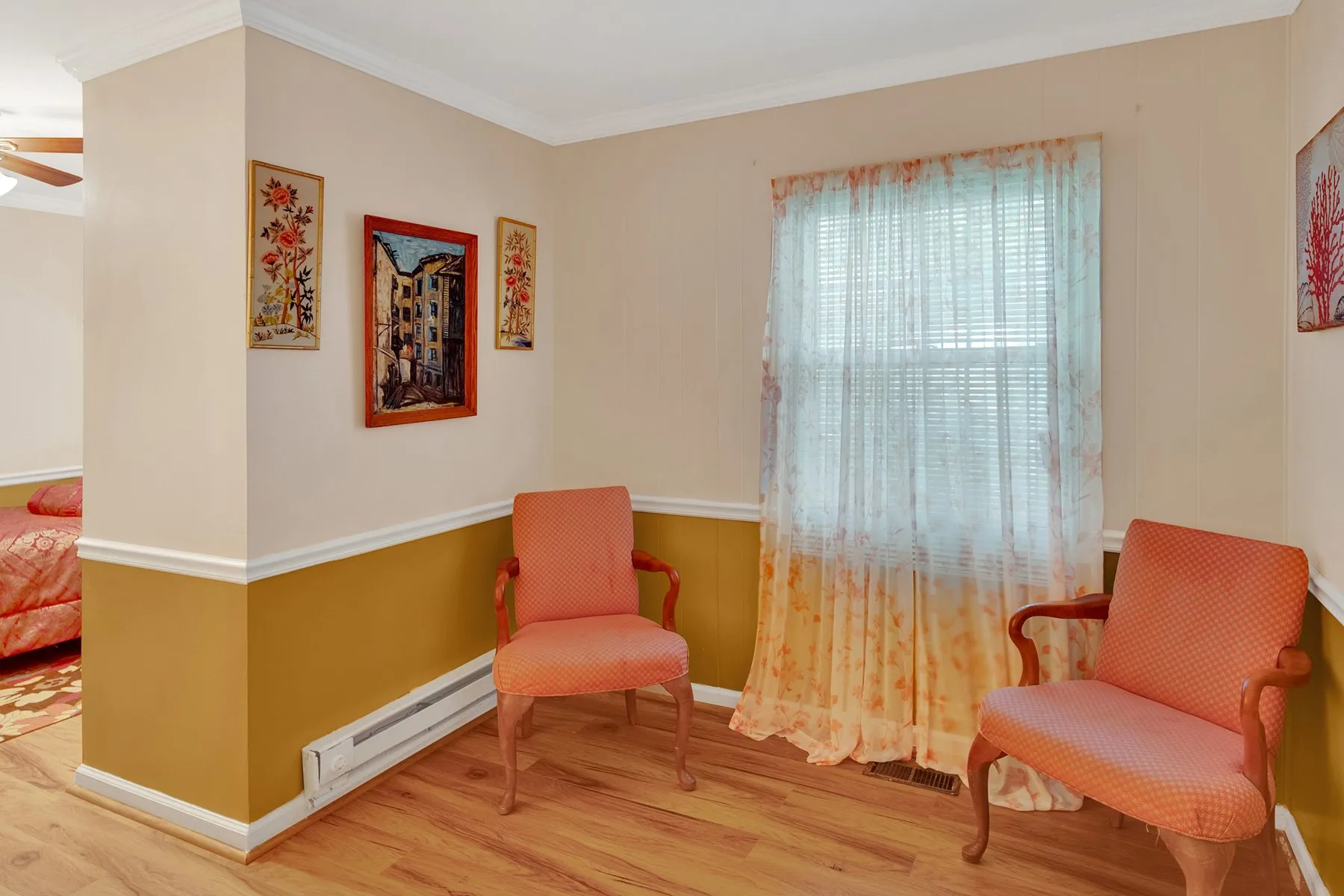
- They were not crazy about the common areas, the size of the room, and the runner rugs.
- They noted there was no pull cord or system for residents to notify staff when they needed assistance in the bathroom or bedroom.
Review
Springtime Home III in Bowie is best suited for families seeking a warm, hands-on, nurse-led approach to assisted living where care feels personal and residents stay actively engaged. The setting plays to those who value a homelike, modern mansion atmosphere, bright and clean spaces, and a community that emphasizes social activities and meaningful interaction. For families prioritizing attentive caregivers, steady clinical oversight, and a reasonable price point, this community presents a compelling option grounded in experienced leadership and visible resident satisfaction.
Those considering alternatives should note a few caveats. It may not be ideal for families that want larger private rooms, expansive common areas, or in-room safety features with robust alert systems. One reviewer highlighted dissatisfaction with room size and the lack of a bedside call system, a safety gap that can be significant for seniors with mobility or incontinence needs. Another voice warned against over-reliance on decor or atmosphere when evaluating value, and a separate account described a decision to move a relative after only two months for a markedly better fit elsewhere. For families where privacy, space, or highly formalized safety protocols are nonnegotiable, shopping around is prudent.
The strongest positives here, caring staff, an owner who is a registered nurse with decades of elderly-care leadership, and a consistently compliant operations record, tend to offset several of the drawbacks. Reviews repeatedly praise the genuine warmth of caregivers and the sense that staff genuinely likes and attends to residents. The owner’s clinical background and the facility’s track record of state compliance provide a bedrock of trust, especially for families seeking reassurance that medical oversight isn’t merely theoretical. The setting is described as bustling and well-lit, with enough staff on duty to keep routines and activities flowing, and a doctor on call adds a layer of medical reassurance when concerns arise. In addition, the community reports that residents are engaged and cheerful, which matters when evaluating long-term well-being.
Yet the practical gaps cannot be dismissed. The absence of a reliable in-room call system raises legitimate safety concerns for residents needing immediate assistance, and small room sizes coupled with a modest common-area footprint matter for those who value privacy and generous pacing in daily life. The decor and layout may feel cramped to some, and the emphasis on activity and sociability might not suit every senior’s preference for a quieter or more spacious environment. Budget-conscious families will find the price point appealing in some cases, with at least one report noting a monthly figure around the mid-$2,600s, but perceived value will hinge on how comfortably a resident can access help and move about the living spaces.
Practically, families should front-load questions during tours: what room options exist and whether larger rooms are available or can be modified; how the call-for-assist system is implemented (and whether bedside pull cords or automatic alerts are standard); who staffs the building in typical shifts and how quickly staff respond to needs; and whether the on-call physician is truly available for both routine and urgent needs. Request a candid cross-section of current residents and families to discuss daily life, safety, and the consistency of staff. If the plan is to maintain an active social calendar and rely on strong staff familiarity with residents, Springtime Home III can deliver a high-quality, cost-conscious experience. If, however, space, immediate in-room assistance, or a more expansive environment drive the decision, the field should be broadened.
In sum, Springtime Home III offers a practical, compassionate option for Bowie families who prize hands-on care, leadership with real clinical roots, and an engaging, community-oriented daily life. The combination of devoted staff, compliant operation, and a lively resident culture creates significant value for those who can live with smaller rooms and a lighter in-room safety setup. For residents who require more space, stronger in-room alerts, or a quieter setting, alternatives deserve serious consideration. This community earns its stripes through care quality and vitality, then leaves the final call to whether those strengths align with a specific senior’s priorities and safety expectations.
 8 resident community capacity
 Assisted Living
 Board and Care Home
 Memory Care
 Cable or satellite TV
 Dining room
 Fully furnished
 Garden
 Housekeeping services
 Move-in coordination
 Outdoor space
 Private
 Private bathrooms
 Telephone
 Wi-Fi/high-speed internet available
 Baltimore-Washington International (13 miles away)
 24-hour supervision
 Activities of daily living assistance
 Assistance with bathing
 Assistance with dressing
 Assistance with transfers
 Diabetes diet
 Diabetic care
 High acuity care
 Meal preparation and service
 Medication management
 Special dietary restrictions
 Transportation arrangement (medical)
 Transportation to doctors appointments
 Christian services





 Understanding Dementia Through Its Seven Stages: A Comprehensive Look at Progression and Expectations
 Safeguarding Your Memory Through the Golden Years: Eight Ways to Preserve Cognitive Health
 Comprehensive Insights into Activities of Daily Living (ADLs) and Their Assessment