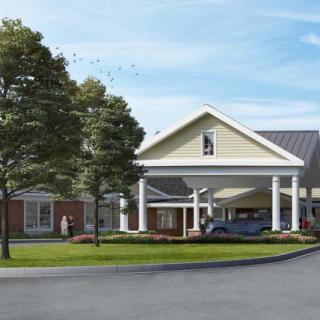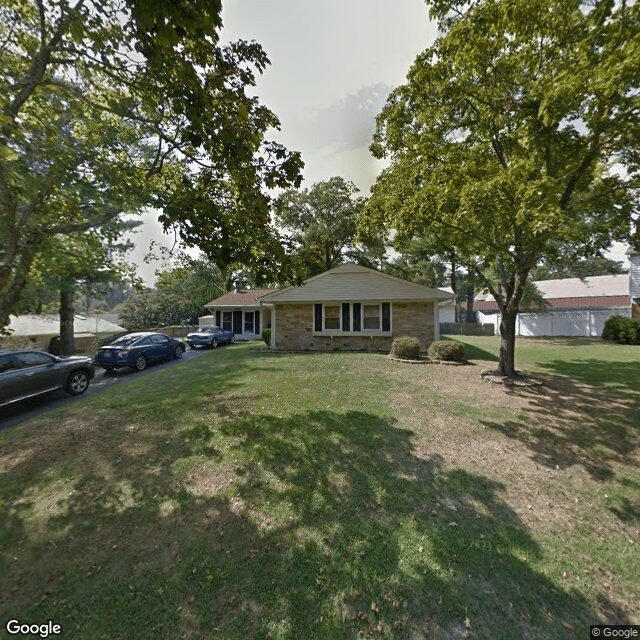
Cridge Home Care Assisted Living in Bowie, MD

Save
Cridge Home Care Assisted Living

Cridge Home Care Assisted Living in Bowie, MD

3802 Viser Court, Bowie, MD 20715

For more information about senior living options: (844) 490-3973

4.3 from 13 reviews
5 stars
7
4 stars
5
3 stars
0
2 stars
0
1 stars
1

Assisted Living Board and Care Home Memory Care

Cridge Home Care Assisted Living Costs & Pricing

Cridge Home Care Assisted Living offers competitive pricing compared to the local and statewide averages in Prince George's County and Maryland. For instance, residents can expect to pay $3,000 for a semi-private room, which is slightly lower than the county average of $3,058 and significantly more affordable than the state average of $3,545. Private rooms at Cridge are priced at $4,000, aligning closely with Prince George's County's average of $3,792 while remaining within reach of Maryland's overall average of $4,112. Additionally, the one-bedroom option is available for $5,000 - this rate is notably higher than both county ($3,568) and state averages ($3,904), suggesting that Cridge may offer enhanced amenities or services that justify this premium cost. Overall, Cridge stands out as a cost-effective choice for assisted living while still considering local market trends.

Floor plansCridge Home Care Assisted LivingPrince George's CountyMaryland
Semi-Private$3,000$3,058$3,545
Private$4,000$3,792$4,112
1 Bedroom$5,000$3,568$3,904

Overall Review of Cridge Home Care Assisted Living

Pros

  • pro The facility is clean and well maintained.
  • pro The staff are very professional and friendly.
  • pro The manager is knowledgeable about dementia care and has a solid plan of care.
  • pro They can communicate easily with the nurse and receive regular updates on the care plan.
  • pro The owner being a registered nurse provides accessible medical input for families.
  • pro The meals are homemade and look and smell really good.
  • pro The staff-to-resident ratio allows individualized care with attention to medical, hygienic, nutritional, and social needs.
  • pro The community offers good value for money in a smaller setting with attentive care.
  • pro Activities such as spiritual, music, and arts and crafts are an integral part of life.
  • pro The staff go the extra mile every day to ensure residents are well cared for.

Cons

  • pro Caregivers are on visas for 2-3 months at a time and are constantly changing.
  • pro The majority of caregivers were awful and did not care about their job, including smoking on the property, blaring music, and walking around in a towel.
  • pro The owner is terrible and puts on a great show at first but is all talk.
  • pro Groceries are never delivered on time, leaving residents without food on numerous occasions.
  • pro There are no activities for residents as promised.
  • pro The owner is not responsive, does not listen to concerns, and overworks the caregivers.
  • pro There is no office staff, and communication is limited to the owner, affecting the overall experience.

Review

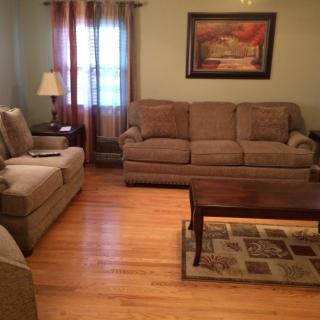
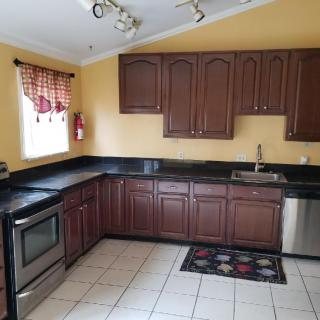
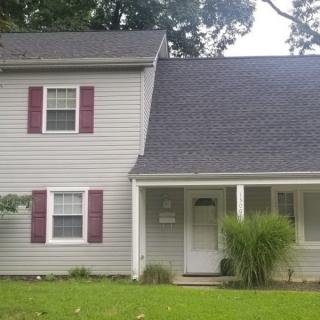
Cridge Home Care Assisted Living in Bowie is best suited for families seeking a small, hands-on care environment where dementia-focused planning and direct access to management are central to daily life. The community shines for loved ones who benefit from close supervision, a nurse-led framework, and frequent family updates. Residents who respond well to a home-like setting, personalized attention, and meals prepared on site will feel the advantages quickly. The setting matters: this is not a sprawling campus with a wide calendar of activities; it is a tighter, more intimate operation that leans on the caregiver-to-resident ratio to deliver consistent, individualized care.

At the same time, certain realities push families to consider alternatives. Overnight coverage is not consistently assured, with some accounts describing live-in caregivers who work standard daytime hours rather than around the clock. Staffing stability is another concern, as several reviews note turnover and varying backgrounds among aides, with the implication that the most reliable care often depends on the owner's direct involvement. Office presence and formal, round-the-clock administration are not universally evident, which can slow response times for routine questions or urgent concerns. For families needing robust 24/7 staffing, a larger community with salaried, long-tenured teams may offer greater consistency and predictability.

The strongest positives here - nurse-led oversight, a dementia-aware care plan, and very hands-on family communication - do create a meaningful offset to the drawbacks when aligned with the right resident. The owner's nursing background makes medical conversations straightforward, and families frequently report being able to discuss care plans, medications, and dietary needs with a trusted professional who truly knows the resident. The smaller scale often translates into a calmer environment, where staff can tailor activities and routines to the individual rather than chasing a fixed daily agenda. Cleanliness, a homelike atmosphere, and homemade meals contribute to a sense of security and comfort that many families value highly for a frail senior or a person with wandering risk.

Care planning for dementia is repeatedly highlighted as a strong feature. The most credible accounts describe a thoughtful plan of care, proactive communication about changes in condition, and measurable efforts to keep family members informed even when visits aren't possible. Residents' safety is a clear emphasis, with attention to secure wandering controls and careful documentation around medications and dietary needs. When these elements align, the environment feels reliable and responsive, which matters greatly for families navigating difficult stages of dementia or Lewy body conditions. Yet the flip side remains real: the same reviews warn that without steady, long-tenured staff or consistent overnight coverage, the level of daily reassurance may ebb, especially during busy periods or staffing gaps.

Daily life at Cridge reflects a blend of strengths and caveats. Meals are frequently praised as homemade and appealing, a simple but powerful factor for resident satisfaction. The small-scale setting can foster a sense of community and familiarity, and several families point to responsive communication with nursing staff as a plus. However, reports of inconsistent office staff presence and turnover among caregivers can undermine that warmth, particularly when families expect routine updates or timely groceries and supplies. For seniors who thrive on purposeful activities and social engagement, the promise of organized programming may be hit-or-miss; some residents enjoy meaningful activities, while others describe a quieter rhythm than anticipated.

Conclusion and decision guidance: Cridge is a compelling fit for families prioritizing intimate, nurse-guided care with accessible management and a homey, meal-forward environment. It is less ideal for those who require unwavering 24/7 staffing clarity, a large, highly structured activity calendar, or a facility-wide administrative presence. Prospects should enter with clear questions about overnight coverage, staff tenure, and who sets and reviews the care plan. Prospective families should request a candid conversation with the owner about scheduling, staffing rosters, and contingency plans for holidays or staff shortages. Tour with a checklist: verify the current care plan, review the menu samples, observe interactions between staff and residents, and ask for recent family communication examples. For a resident who values close, personal attention and dementia-focused planning in a compact, home-like setting - and who can tolerate potential gaps in overnight coverage - Cridge offers a practical, confident solution.

Features

Housing

  • 5 resident community capacity 5 resident community capacity

Types of Care

  • Assisted Living Assisted LivingAssisted living facilities provide crucial support and care for seniors who may need help with daily tasks such as medication management, bathing, and meal preparation. These communities offer a safe and comfortable environment where seniors can maintain their independence while receiving the assistance they need to thrive in their golden years.
  • Board and Care Home Board and Care HomeBoard and care homes provide a smaller, more intimate setting for seniors who require assistance with daily tasks but do not need the level of care offered by a nursing home. They offer personalized care, meals, and social activities in a homelike environment, ensuring that seniors receive individualized attention and support in their golden years.
  • Memory Care Memory CareMemory care is crucial for seniors as it provides specialized support and services for individuals with dementia or Alzheimer's disease. These programs offer a safe and secure environment where residents receive personalized care, cognitive stimulation, and help with daily activities. Memory care helps seniors maintain their independence, quality of life, and dignity while also providing peace of mind for their families.

Amenities

  • Activities on-site Activities on-siteActivities on-site are important for seniors because they provide opportunities for socialization, mental stimulation, physical activity, and overall well-being. Engaging in activities can help seniors stay active, maintain their independence, and improve their quality of life.
  • Bath tubs Bath tubsBath tubs are important for seniors because they provide a safe and relaxing way to bathe, helping to prevent slips and falls while promoting independence and overall well-being.
  • Cable or satellite TV Cable or satellite TVCable or satellite TV is important for seniors because it provides entertainment, news, and companionship, helping to combat loneliness and boredom. It also offers a wide range of programming options tailored to different interests and preferences.
  • Devotional services off-site Devotional services off-siteDevotional services off-site are important for seniors as they provide spiritual nourishment, social engagement, and a sense of community outside of the senior living facility. This can enhance overall well-being and help combat feelings of isolation and loneliness often experienced by older adults.
  • Dining room Dining roomDining rooms are important for seniors as they provide a space for socialization, connection, and nutritious meals. They offer opportunities for residents to bond over shared meals, foster a sense of community, and promote healthy eating habits. Dining rooms also ensure that seniors have access to well-balanced meals tailored to their dietary needs and preferences.
  • Fully furnished Fully furnishedFully furnished senior living communities are important for seniors because they provide convenience, comfort, and a hassle-free moving experience. Seniors can easily settle into their new living space without the stress of having to buy and move furniture. This allows them to focus on enjoying their new home and community.
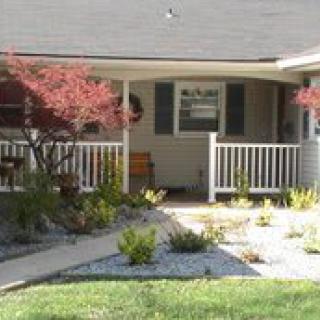
  • Garden GardenGardens are important for seniors as they provide a peaceful and therapeutic environment for relaxation, physical activity, and socialization. Being in nature has been shown to reduce stress, improve mood, and promote overall well-being. Gardens also offer opportunities for seniors to engage in gardening activities, which can improve mobility, flexibility, and cognitive function. Additionally, gardens create a sense of community and connection with others who share a passion for plants and outdoor spaces.
  • Housekeeping services Housekeeping servicesHousekeeping services are important for seniors because they help maintain a clean and safe living environment, promote independence, and reduce the risk of accidents or illnesses. Additionally, having assistance with household chores can alleviate physical strain and allow seniors to focus on other aspects of their well-being.
  • Indoor common areas Indoor common areasIndoor common areas are crucial for seniors as they provide a space for socialization, recreation, and community engagement, promoting overall well-being and reducing feelings of isolation and loneliness.
  • Move-in coordination Move-in coordinationMove-in coordination is important for seniors because it helps ease the transition into their new living environment. It ensures that all logistics, such as packing, organizing movers, and setting up utilities are taken care of, allowing seniors to focus on settling in and adjusting to their new home. Having a smooth move-in process can alleviate stress and anxiety, making the transition smoother and more enjoyable for seniors.
  • Outdoor common areas Outdoor common areasOutdoor common areas are important for seniors as they provide a space for socialization, physical activity, and relaxation. Being outside in nature can improve mood and overall well-being, while also encouraging movement and engagement with others. These spaces can help combat feelings of isolation and promote a sense of community among residents.
  • Outdoor space Outdoor spaceOutdoor spaces are important for seniors as they provide opportunities for physical activity, social interaction, exposure to natural light and fresh air, and a sense of connection to nature. Having access to outdoor spaces can improve overall well-being and quality of life for older adults living in senior communities.
  • Private PrivatePrivacy is important for seniors as it allows them to maintain their independence, dignity, and sense of control over their own lives. It also gives them the space and freedom to relax, reflect, and engage in activities that bring them joy and fulfillment. Creating private spaces within senior living facilities is crucial for promoting overall well-being and quality of life.
  • Telephone TelephoneTelephones are important for seniors as they provide a lifeline for communication with loved ones, emergency services, and healthcare providers. They offer a sense of security and independence, enabling seniors to stay connected and access assistance when needed.
  • Wi-Fi/high-speed internet available Wi-Fi/high-speed internet availableWi-Fi/high-speed internet is important for seniors to stay connected with loved ones, access online resources, and participate in virtual activities to combat feelings of loneliness and isolation. It also allows them to easily manage healthcare needs, access entertainment, and engage in lifelong learning opportunities.

Transportation

  • Baltimore-Washington International (13 miles away) Baltimore-Washington International (13 miles away)
  • Ronald Reagan Washington National (19 miles away) Ronald Reagan Washington National (19 miles away)

Care Services

  • 24-hour supervision 24-hour supervision24-hour supervision is important for seniors to ensure their safety, well-being, and access to immediate assistance in case of emergencies or health issues. This constant support provides peace of mind for both seniors and their loved ones, allowing them to age in place with dignity and security.
  • Activities of daily living assistance Activities of daily living assistanceActivities of daily living assistance are important for seniors because they provide essential support with tasks such as eating, bathing, dressing, and mobility. This assistance helps seniors maintain their independence, dignity, and overall quality of life as they age.
  • Ambulatory care Ambulatory care"Ambulatory care services provide essential medical support and treatment to seniors without requiring hospitalization, allowing them to maintain their independence and quality of life while managing chronic conditions or receiving routine medical care."
  • Assistance with bathing Assistance with bathingAssistance with bathing is crucial for seniors as it helps maintain personal hygiene, prevents infections, and ensures their overall well-being and comfort. It also provides a sense of dignity and independence for seniors who may struggle with this task on their own.
  • Assistance with dressing Assistance with dressingAssistance with dressing is important for seniors because it helps maintain their independence, promotes personal hygiene, prevents accidents and injuries, and improves overall quality of life. This service ensures that seniors can continue to dress comfortably and confidently, despite any physical limitations they may have.
  • Assistance with transfers Assistance with transfersAssistance with transfers is crucial for seniors as it helps prevent falls and injuries, maintains their independence, and ensures they can safely navigate their living environment. It also provides peace of mind for both seniors and their loved ones.
  • Coordination with health care providers Coordination with health care providersCoordination with health care providers is crucial for seniors to ensure proper medical care, medication management, and overall well-being. This collaboration helps prevent overlapping treatments, track progress more effectively, and provide comprehensive support tailored to individual needs.
  • Diabetes diet Diabetes dietA diabetes diet is crucial for seniors as it helps manage blood sugar levels, reduce risks of complications, and improve overall health and well-being. By following a balanced and nutritious diet tailored to their specific needs, seniors can better control their diabetes and enhance their quality of life.
  • Diabetic care Diabetic careDiabetic care is crucial for seniors as they are more susceptible to developing diabetes due to aging and other health conditions. Proper management of diabetes can help prevent complications such as heart disease, vision loss, and nerve damage, improving the overall quality of life for seniors in senior living communities.
  • Incontinence care Incontinence careIncontinence care is essential for seniors to maintain their dignity, hygiene, and overall quality of life. By addressing incontinence issues promptly and effectively, seniors can enjoy a sense of independence and comfort in their daily activities.
  • Meal preparation and service Meal preparation and serviceMeal preparation and service are crucial for seniors as they may have limited mobility or energy to cook nutritious meals. Having access to healthy and convenient food options can ensure they are getting the proper nutrition needed to maintain their overall health and well-being.
  • Medication management Medication managementMedication management is crucial for seniors to ensure they are taking the right medications at the correct dosages and times. This helps prevent adverse drug interactions, reduces the risk of medication errors, and promotes overall health and well-being. Proactive management also allows for adjustments as needed based on changing health conditions or new prescriptions.
  • Special dietary restrictions Special dietary restrictionsSpecial dietary restrictions are important for seniors because age-related changes in metabolism and health conditions can make it difficult for their bodies to process certain foods. By following a diet tailored to their specific needs, seniors can maintain their overall health and well-being, manage chronic conditions, and reduce the risk of complications such as malnutrition or food interactions with medications.
  • Transportation arrangement (medical) Transportation arrangement (medical)Transportation arrangements for medical purposes are essential for seniors as they may have difficulty driving themselves to appointments or accessing public transportation. Having reliable and safe transportation options ensures that seniors can receive timely medical care and maintain their health and well-being.
  • Transportation to doctors appointments Transportation to doctors appointmentsTransportation to doctors' appointments is crucial for seniors as it ensures they have access to necessary medical care and support for their health needs. Without reliable transportation, seniors may struggle to attend important appointments, leading to potential delays in treatment and health complications. Providing transportation services helps seniors maintain their overall well-being and quality of life.

Dining

  • Diabetes diet Diabetes dietA diabetes diet is crucial for seniors as it helps manage blood sugar levels, reduce risks of complications, and improve overall health and well-being. By following a balanced and nutritious diet tailored to their specific needs, seniors can better control their diabetes and enhance their quality of life.
  • Meals provided Meals provided"Meals provided" are crucial for seniors in assisted living communities as it ensures they have access to nutritious, balanced meals without the stress of meal planning and preparation. This can help promote overall health and well-being for seniors who may have limited mobility or cognitive abilities.
  • Special dietary restrictions Special dietary restrictionsSpecial dietary restrictions are important for seniors because age-related changes in metabolism and health conditions can make it difficult for their bodies to process certain foods. By following a diet tailored to their specific needs, seniors can maintain their overall health and well-being, manage chronic conditions, and reduce the risk of complications such as malnutrition or food interactions with medications.
  • Vegetarian VegetarianA vegetarian diet is important for seniors because it can help lower the risk of chronic diseases, maintain a healthy weight, and provide essential nutrients needed for aging bodies. Additionally, plant-based diets are often easier on digestive systems and can contribute to overall well-being in older adults.

Activities

  • Activities on-site Activities on-siteActivities on-site are important for seniors because they provide opportunities for socialization, mental stimulation, physical activity, and overall well-being. Engaging in activities can help seniors stay active, maintain their independence, and improve their quality of life.
  • Community-sponsored activities Community-sponsored activitiesCommunity-sponsored activities are important for seniors as they provide opportunities for social interaction, mental stimulation, and physical activity. These activities can help improve overall well-being, combat loneliness and isolation, and promote a sense of belonging and purpose among older adults.
  • Devotional activities offsite Devotional activities offsiteDevotional activities offsite are important for seniors because they provide social engagement, spiritual growth, and a sense of community outside of their living environment. This can improve overall well-being, mental health, and combat feelings of isolation or loneliness.
  • Scheduled daily activities Scheduled daily activitiesScheduled daily activities are important for seniors because they provide structure, socialization, mental stimulation, and physical activity. Engaging in regular activities can improve overall well-being and quality of life for seniors living in a community setting.

Description

Cridge Home Care Assisted Living in Bowie, MD is a warm and inviting community that offers various types of care, including Board and Care Home and Memory Care. Our residents enjoy a comfortable and fully furnished living space with amenities such as bath tubs, cable or satellite TV, Wi-Fi/high-speed internet, and private telephone lines.

We provide exceptional care services to assist our residents with their daily activities, including bathing, dressing, transferring, and ambulatory care. Our dedicated staff also coordinates with healthcare providers to ensure continuous and personalized care for our residents. We specialize in diabetes diet and care, as well as providing assistance with incontinence management. Medication management is also available to promote the health and well-being of our residents.

The dining experience at Cridge Home Care is delightful, with delicious meals provided that cater to special dietary restrictions and vegetarian preferences. Our residents can enjoy their meals in our elegant dining room or take advantage of the beautiful outdoor common areas for an al fresco dining experience.

Engaging in various activities is an important aspect of life at Cridge Home Care. We offer community-sponsored activities that promote socialization among our residents. Devotional activities are also available offsite for those who seek spiritual fulfillment. Scheduled daily activities keep our residents entertained and active throughout the day.

Our location in Bowie, MD provides convenience with numerous amenities nearby. There are two cafes nearby for socializing or enjoying a cup of coffee with friends. Two parks offer serene settings for leisurely walks or picnics surrounded by nature. Several pharmacies are easily accessible for any medical needs, as well as ten physicians' offices for convenient healthcare consultations. When it comes to dining out or entertainment options, we have fourteen restaurants, one theater, and two places of worship nearby. Additionally, there is a hospital located conveniently close by.

At Cridge Home Care Assisted Living in Bowie, MD, we strive to create a comfortable and vibrant community where our residents receive high-quality care and enjoy a fulfilling lifestyle.

Nearby Places of Interest

This part of Bowie, Maryland offers a convenient and bustling community with easy access to essential services such as pharmacies like Walgreens and CVS, as well as a variety of dining options including Chick-Fil-A, McDonald's, and Bob Evans. Places of worship such as Christian Community Presbyterian Church and St Elizabeth Ann Seton Church are within reach for spiritual nourishment. For medical needs, there are reputable physicians like The Pediatric Group and hospitals like Bowie Health Center-Emergency Medical Care nearby. Residents can also enjoy the outdoors at parks like Allen Pond Park and Watkins Regional Park. In terms of entertainment, Regal Waugh Chapel & IMAX theater is a short drive away for movie lovers. Public transportation options such as the Greenbelt Metro Station provide easy access to explore the surrounding areas. Overall, this neighborhood offers a vibrant and diverse community for seniors looking to settle down in Bowie.

Pharmacies

  • Walgreens (0.4 miles)
  • CVS Pharmacy (1.4 miles)
  • CVS Pharmacy (3 miles)
  • Giant Pharmacy (3.1 miles)
  • Wegmans (3.9 miles)
  • Walgreens (4.7 miles)
  • CVS Pharmacy (5 miles)

Restaurants

  • Chick-Fil-A (0.6 miles)
  • McDonald's (1.6 miles)
  • Bob Evans (2.7 miles)
  • McDonald's (2.7 miles)
  • Wendy's (2.8 miles)
  • Taco Bell (2.9 miles)
  • Applebee's (3 miles)

Places of Worship

  • Christian Community Presbyterian Church (1 miles)
  • St Elizabeth Ann Seton Church (3.4 miles)
  • Heritage Community Church (9.9 miles)

Physicians

  • The Pediatric Group (1.7 miles)
  • Malouf Eye Center (2 miles)
  • Johns Hopkins (2.1 miles)
  • MyEyeDr (2.7 miles)
  • TLC Pediatrics (2.7 miles)
  • Maryland Primary Care Physicians (2.9 miles)
  • Dr Vanessa Allen (3.7 miles)

Hospitals

  • Bowie Health Center-Emergency Medical Care (2.7 miles)
  • Kimbrough Ambulatory Care Clinic Main Pharmacy (7.6 miles)

Cafes

  • Chesapeake Bay Roasting Company (2.9 miles)
  • Panera Bread (4 miles)
  • Starbucks (7.6 miles)
  • Starbucks (7.6 miles)
  • Starbucks (9.9 miles)
  • Starbucks (9.9 miles)

Parks

  • Allen Pond Park (3.6 miles)
  • Piney Orchard Nature Preserve (4.9 miles)
  • Watkins Regional Park (7.8 miles)

Theaters

  • Regal Waugh Chapel & IMAX (4 miles)

Transportation

  • New Carrollton Amtrak Station (7.9 miles)
  • Greenbelt Station (9.7 miles)
  • Greenbelt Metro Station (9.7 miles)

Frequently Asked Questions

How much does it cost to live at Cridge Home Care Assisted Living in Bowie, MD?
Where is Cridge Home Care Assisted Living?
Does Cridge Home Care Assisted Living provide care for residents with dementia or Alzheimer's disease?

Nearby Communities

  • Caring Hearts Assisted Living II

    Caring Hearts Assisted Living II

    Bowie, MD

     
    $2,300 to $3,000 / month

    pro Affordable pricing with comprehensive memory/high-acuity care in a small, pet-friendly, fully furnished setting.

  • A C E

    A C E

    Bowie, MD

    4.9 from 16 reviews
    $3,800 / month

    pro Attentive staff, meticulous cleanliness, and high-quality, home-like meals and activities.

  • Home Helpers of Bowie

    Home Helpers of Bowie

    Bowie, MD

    5 from 2 reviews
     

    pro Excellent, flexible care staff and dependable support during crises.

  • Holy Hills Assisted Living

    Holy Hills Assisted Living

    Bowie, MD

    4.8 from 6 reviews
    $4,000 to $5,000 / month

    pro Organized facility with attentive staff in a bright, clean setting.

  • CONA Assisted Living Facility

    CONA Assisted Living Facility

    Bowie, MD

    5 from 3 reviews
    $3,000 to $5,895 / month

    pro Professional, compassionate staff providing 24-hour care in a peaceful, home-like setting.

  • Ameristar Assisted Living Inc

    Ameristar Assisted Living Inc

    Bowie, MD

     
    $3,500 to $4,000 / month

    pro Vibrant, well-connected community with abundant nearby amenities (restaurants, parks, pharmacies, doctors, worship, theaters).

  • Tribute at Melford

    Tribute at Melford

    Bowie, MD

    4.5 from 101 reviews
    $4,735 to $5,620 / month

    pro Beautiful, hotel-like setting with caring staff and engaging activities, including strong memory care.

  • Spring Arbor of Crofton

    Spring Arbor of Crofton

    Crofton, MD

    4.3 from 63 reviews
    $5,895 to $7,400 / month

    pro Caring, professional staff with strong communication and engaging activities in a clean, well-maintained memory-care environment.

  • Arbor Terrace Waugh Chapel

    Arbor Terrace Waugh Chapel

    Gambrills, MD


    pro Specialized memory care with 24/7 supervision and dementia programming.

Related Resources

  • sundown syndromeComprehending Evening Confusion in Dementia: Causes, Manifestations, and Support

    Sundown syndrome, or sundowning, is a phenomenon in dementia patients characterized by increased confusion and agitation during late afternoon and evening, influenced by factors like disrupted circadian rhythms and fatigue. Effective caregiver strategies include establishing routines and managing environmental light while addressing caregiver stress through support services.

  • delirium vs dementiaDelirium and Dementia: Unraveling the Key Differences

    Delirium is a rapidly onset, reversible cognitive disturbance often caused by acute medical issues, while dementia is a gradual and irreversible decline due to chronic neurodegenerative diseases. Accurate differentiation between the two is essential for appropriate treatment and management in older adults.

  • can you die from dementiaAre Dementia and Alzheimer's Disease Lethal? A Comprehensive Exploration

    Dementia, including Alzheimer’s disease, is often mischaracterized in terms of lethality as it leads to complications that can be fatal rather than being a direct cause of death; it causes a progressive decline in cognitive and physical health, making patients vulnerable to infections and other health crises. Effective management of nutrition, hydration, and communication is crucial in patient care, with palliative care becoming vital in advanced stages to enhance comfort and quality of life while caregivers play a key role amidst the challenges posed by the disease.