
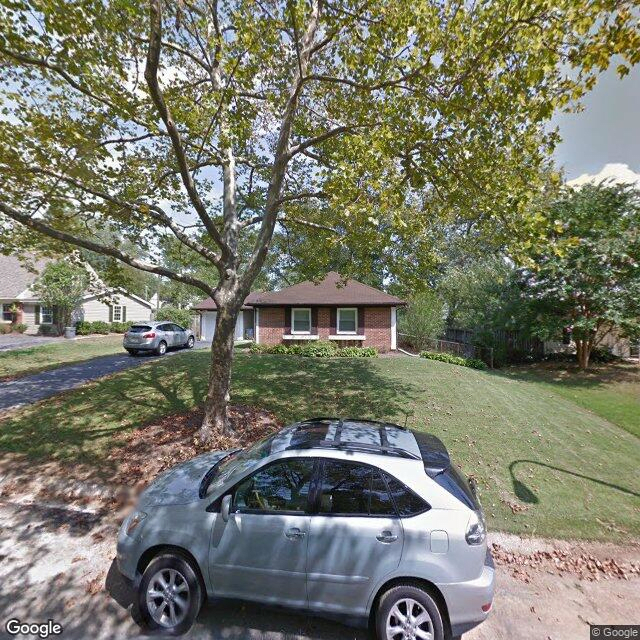
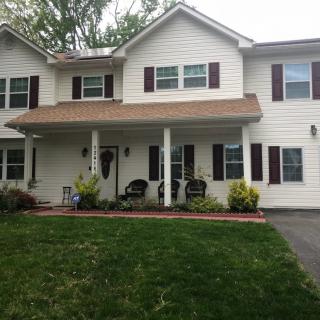
12414 Stretton Lane, Bowie, MD 20715
For more information about senior living options: (866) 208-4318
Refreshing Springs Assisted Living I At Stretton Costs & Pricing
At Refreshing Springs Assisted Living I At Stretton, the monthly costs for semi-private and private rooms are positioned competitively within both Prince George's County and the broader Maryland state context. The cost for a semi-private room is set at $3,500, which notably exceeds the county average of $3,058 but remains slightly below the state average of $3,545. In contrast, the private room rate at $4,000 aligns closely with county rates ($3,792) while falling slightly short of the state average of $4,112. This pricing structure reflects a commitment to providing comfort and quality care while also remaining mindful of local market dynamics.
| Floor plans | Refreshing Springs Assisted Living I At Stretton | Prince George's County | Maryland |
|---|---|---|---|
| Semi-Private | $3,500 | $3,058 | $3,545 |
| Private | $4,000 | $3,792 | $4,112 |
Assisted Living communities with a similar price nearby
-
About the same
Best Home for Mom and Dad
$3,500 to $4,500 / month21.0 miles away -
from +$500 / mo
Montgomery Eldercare I
$4,000 to $5,900 / month16.6 miles away -
from -$525 / mo
Gneale Home Care
$2,975 / month21.8 miles away -
from +$300 / mo

Montgomery Eldercare II
$3,800 to $5,000 / month15.5 miles away -
About the same

Greenway Manor
$3,500 to $3,800 / month22.7 miles away
Overall Review of Refreshing Springs Assisted Living I At Stretton
Pros
 The caregivers at Refreshing Springs Assisted Living are wonderful.
- The staff are angels on earth for the care they provide to residents.
- The home is clean and tidy without feeling sterile.
- The home feels comfortable, warm, and inviting.
- The care provided is professional, experienced, and compassionate.
- The mom is treated with dignity, respect, and tender loving care.
- The family is very thankful to Vida and her amazing caregivers.
Review
This community is best suited for families seeking an intimate, home-like setting where a senior loved one receives exceptionally attentive, dignified care. In Bowie, Maryland, Refreshing Springs Assisted Living I at Stretton presents as a small, warm residence rather than a sprawling campus, and the experience described here centers on caregivers who feel more like partners in daily life than mere staff. The resident’s four-plus-year tenure in this one home is framed by praise for caregivers who are described as angels, with a home that is clean and tidy without an antiseptic, nursing-home vibe. The tone from the family is overwhelmingly grateful, emphasizing professional, experienced, and compassionate care that treats the resident with dignity, respect, and tender loving care. That combination, personalized attention within a true home atmosphere, defines who this community serves best.
Those who may want to consider alternatives are families facing needs beyond the scope of a small, home-style setting. If memory care is a primary requirement, if medical oversight needs to be more robust, or if a larger community with more structured activities, on-site rehabilitation, or broader social programming is essential, this option may not check every box. Potential residents who anticipate frequent physician visits or more complex nursing needs, or who prefer a more bustling, campus-like environment with a wider array of services, would benefit from comparing with other Bowie-area communities that offer deeper medical integration or expanded amenities. In short, this is a strong fit for those who value warmth and continuity over sheer size.
The key pros, exceptional caregiving quality, a home-like atmosphere, and a respectful, dignified approach to daily life, clearly offset potential drawbacks inherent in smaller settings. The reviewers stress professional, experienced caregivers who stay attentive over years, not months, which translates into consistent routines, fewer disruptions, and deeper trust. A home that feels comfortable rather than clinical reduces anxiety and confusion for residents, enhancing mood, cooperation with care plans, and overall well-being. The emphasis on dignity and “tender loving care” makes difficult days more manageable, and the family’s gratitude to Vida and the caregiving team signals a level of reliability and emotional safety that is hard to match in larger facilities.
The caregiving culture itself stands out as the defining strength. The reference to Vida and her “amazing caregivers” points to a leadership approach that values both professional standards and heartfelt connections. The setting’s cleanliness and coziness, described as “home,” not sterile, contributes to daily life that can feel normal and reassuring, rather than institutional. For families weighing options, these qualities create a meaningful container for daily routines, meals, and social interaction, which are essential to quality of life in assisted living. When staff appear genuinely connected to the resident’s well-being, the likelihood of miscommunication, frustration, or resistance to care diminishes, and the resident’s sense of security and belonging grows.
Practical questions should guide next steps, even in light of the strong impression this review leaves. Prospective families should inquire about staffing ratios across day and night shifts, the extent of medical oversight (including access to a nurse on-site, if needed, and how medication management is handled), and how care plans are developed, updated, and communicated to families. It is prudent to ask about on-site services such as meals, housekeeping, laundry, transportation, and activities, how varied the calendar is, how residents’ preferences are incorporated, and how often family input is solicited. Understanding emergency procedures, incident reporting, and the process for escalating concerns will also help determine whether the “home-like” security aligns with the resident’s medical and safety needs.
In the end, Refreshing Springs Assisted Living I at Stretton represents a compelling, practical choice for families prioritizing intimate, attentive care delivered in a genuine home environment. It is particularly strong for residents who thrive on consistent caregiver relationships, dignity-led daily routines, and a setting that feels like a welcoming home. Alternatives should be considered for those requiring more extensive medical oversight, memory-care specialization, or a larger community lifestyle with a broader slate of amenities. For families ready to establish a trusted, long-term caregiving relationship, scheduling a visit and meeting Vida and the caregiving team is the prudent next move. The glowing testimony from the resident’s family offers a persuasive signal: this is a community where compassionate care is not just promised, but practiced daily.
 4 resident community capacity
 Assisted Living
 Board and Care Home
 Activities on-site
 Cable or satellite TV
 Devotional services off-site
 Dining room
 Fully furnished
 Garden
 Housekeeping services
 Indoor common areas
 Move-in coordination
 Outdoor space
 Private
 Private bathrooms
 Respite or short term stays offered
 Telephone
 Wi-Fi/high-speed internet available
 Baltimore-Washington International (15 miles away)
 24-hour supervision
 Assistance with bathing
 Assistance with dressing
 Assistance with transfers
 Diabetes diet
 Diabetic care
 High acuity care
 Incontinence care
 Meal preparation and service
 Medication management
 Special dietary restrictions
 Transportation arrangement (medical)
 Transportation to doctors appointments
 Birthday parties
 Stretching classes





 Understanding the Distinctions: Assisted Living and Memory Care Explained
 Guiding Elderly Parents Who Refuse Assisted Living: 6 Practical Steps
 Your Comprehensive Guide to Luxury Assisted Living: Elevated Facilities, Amenities, and Costs