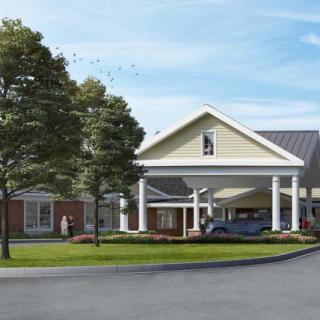
Ne'ville's

Save
Ne'ville's

Ne'ville's

4101 Chelmont Lane, Bowie, MD 20715

For more information about senior living options: (844) 490-3973

4.6 from 29 reviews
5 stars
22
4 stars
5
3 stars
0
2 stars
0
1 stars
2

Assisted Living

Overall Review of Ne'ville's

Pros

  • pro Ronnie Bryant is an incredibly personable individual who has a unique ability to connect with clients and build strong, lasting relationships.
  • pro His energetic personality and enthusiasm are contagious, making him a motivating force within Stanley Martin's team.
  • pro Ronnie's dedication to his clients is truly commendable.
  • pro Ron Bryant has exceptional service, very professional and personable.
  • pro The sales manager is incredibly pleasant and personable as she walked us through both homes.
  • pro Ronnie Bryant impressed the reviewer with his professionalism and knowledge, and went above and beyond the call of duty.

Cons

  • pro The receptionist was rude, dismissive, and failed to acknowledge the visitors.
  • pro The receptionist abruptly claimed the E12 model was under contract, misleading them about its status.
  • pro The visitors felt the receptionist intentionally misled them.
  • pro The staff's behavior was disrespectful and dismissive from the moment they entered.
  • pro The employee refused to provide pricing details and adequate information about the community and did not ask them to fill out an interest form.
  • pro The employee did not introduce herself or provide her name or contact information.
  • pro The response to the racism question was "I hope not," which the reviewer found unprofessional.
  • pro The experience was described as the worst they have ever had, with a perceived lack of remorse and accountability.

Review

Two experiences with Stanley Martin Homes, at different communities, paint a picture of a company that can deliver exceptionally strong personal service in some moments while struggling with consistency in others. On the one hand, there is frustration with how a front-d desk interaction unfolded at the Hartford model site, especially around a discounted E12 lot. On the other hand, there is a stark contrast in accountability and courtesy when a visitor met a Mill Branch Crossing representative who left a family feeling dismissed and even questioned about racism. Between these disparate encounters, there is also a consistent thread of praise for one salesperson who repeatedly stood out for his genuine warmth, knowledge, and client-first approach.

The Hartford model experience began with a sense of anticipation, as the sales manager had suggested the family stop by to view the E12 model - a lot that had been highlighted as discounted. The first contact was at the reception, where the receptionist, with her back to the door and still on the phone, did not acknowledge the guests immediately. When she finally turned toward them, she paused the ongoing call and said, "folks, I'm on the phone here how can I help you?" The guests explained they were there to look at a particular house, and the receptionist directed them to "just go look at the model homes" so she could finish her call. When shown the flyer with E12 highlighted, she insisted with a curt tone that "that one's under contract." The visitors doubted her certainty, asking, "This one? Are you sure?" She confirmed it, which later seemed incorrect.

What followed was a brief contact with the sales manager, who had invited them to visit. The on-site manager was the first to reflect a more positive energy: she was pleasant and personable while guiding the family through both model homes. The visitors asked specifically about E12, and the manager clarified that it wasn't under contract, though an offer had come in. This clarification changed the initial impression created by the receptionist, underscoring a discrepancy between the two frontline experiences. Even though the guests decided to stay the course with their original plan, the sense of being misled by the receptionist hung in the air. The situation also echoed a broader pattern observed in past reviews, where similar friction at the front desk had been noted.

The Mill Branch Crossing visit escalated the concern into a more pointed critique of frontline service. From the moment the family entered, the impression was of disrespect and indifference: there was no acknowledgment, no inquiry into their needs, and no visible effort to engage or welcome them. When the guest addressed the staff directly about the dismissive tone and asked whether the behavior might be rooted in racism, the reply was chillingly blunt: "I hope not." That single statement, paired with the staff member's reluctance to provide community details, pricing information, or even an encouragement to fill out an interest form, left a sour aftertaste. The staff member did not introduce herself or share contact details, further eroding trust and raising concerns about accountability and brand representation.

The reviewer did not rely on a single negative moment to condemn the whole experience. They contrasted the Mill Branch Crossing encounter with a different, more consistently positive thread that ran through the same broader organization: Ronnie Bryant. The reviewer had previously met Ronnie at The Woodlands in Brandywine, before Mill Branch was built, and described him as amazing. Across multiple messages, Ronnie Bryant emerged as a standout: personable, energetic, and genuinely focused on the client's best interests. The praise extended to his ability to connect with people, his responsiveness, and his capacity to educate potential buyers about the process. Separate comments lauded his professionalism, his approachable demeanor, and his fashion sense - described in affectionate terms as a polished, well-presented representative who could always be counted on to understand and answer questions.

Several testimonials emphasized Ronnie's capacity to build lasting relationships. One reviewer specifically highlighted his three-hour conversation about the home-buying process, the emotional support he offered, and how his encouragement helped the buyer see their own potential and value. They praised his consistency, noting that if Ronnie wasn't present, other staff at different properties still recognized his name and spoke highly of him. The sentiment was that Ronnie Bryant embodies the kind of customer-centric approach that strengthens trust in the brand, with comments ranging from his "amazing" demeanor to his ability to pull together timely answers from contractors and other on-site professionals.

Taken together, the accounts reflect a mixed reality: a front-desk experience that can undermine even a promising visit, contrasted with a sales leadership figure who can elevate a prospective buyer's experience through empathy, expertise, and genuine care. The call for accountability at Mill Branch Crossing - explicit in the request that the company address the behavior of the employee who spoke inappropriately about racism and failed to provide basic information - speaks to a broader desire for consistent brand stewardship. Yet within the same ecosystem, Ronnie Bryant's presence across communities provided a counterpoint that demonstrates what a high-quality, customer-first salesperson can achieve: trust-building, clarity, and a sense of partnership in the home-buying journey.

In the end, it seems there is both opportunity and risk for Stanley Martin Homes. The potential for positive, lasting relationships is clearly within reach when a client-facing professional like Ronnie Bryant is in the mix, delivering warmth, knowledge, and accountability. But there is also a pressing need to address the missteps at the front desk that can erode trust and deter buyers, and to ensure that all staff, from reception to sales, reflect the company's best intentions. For buyers weighing options, the lesson is straightforward: the experience at the door matters as much as the model inside, and the right combination of courtesy, transparency, and responsiveness can make all the difference in deciding where to invest a family's future.

Features

Housing

  • 5 resident community capacity 5 resident community capacity

Types of Care

  • Assisted Living Assisted LivingAssisted living facilities provide crucial support and care for seniors who may need help with daily tasks such as medication management, bathing, and meal preparation. These communities offer a safe and comfortable environment where seniors can maintain their independence while receiving the assistance they need to thrive in their golden years.

Amenities

  • Activities on-site Activities on-siteActivities on-site are important for seniors because they provide opportunities for socialization, mental stimulation, physical activity, and overall well-being. Engaging in activities can help seniors stay active, maintain their independence, and improve their quality of life.
  • Cable or satellite TV Cable or satellite TVCable or satellite TV is important for seniors because it provides entertainment, news, and companionship, helping to combat loneliness and boredom. It also offers a wide range of programming options tailored to different interests and preferences.
  • Devotional services off-site Devotional services off-siteDevotional services off-site are important for seniors as they provide spiritual nourishment, social engagement, and a sense of community outside of the senior living facility. This can enhance overall well-being and help combat feelings of isolation and loneliness often experienced by older adults.
  • Dining room Dining roomDining rooms are important for seniors as they provide a space for socialization, connection, and nutritious meals. They offer opportunities for residents to bond over shared meals, foster a sense of community, and promote healthy eating habits. Dining rooms also ensure that seniors have access to well-balanced meals tailored to their dietary needs and preferences.
  • Fully furnished Fully furnishedFully furnished senior living communities are important for seniors because they provide convenience, comfort, and a hassle-free moving experience. Seniors can easily settle into their new living space without the stress of having to buy and move furniture. This allows them to focus on enjoying their new home and community.
  • Garden GardenGardens are important for seniors as they provide a peaceful and therapeutic environment for relaxation, physical activity, and socialization. Being in nature has been shown to reduce stress, improve mood, and promote overall well-being. Gardens also offer opportunities for seniors to engage in gardening activities, which can improve mobility, flexibility, and cognitive function. Additionally, gardens create a sense of community and connection with others who share a passion for plants and outdoor spaces.
  • Housekeeping services Housekeeping servicesHousekeeping services are important for seniors because they help maintain a clean and safe living environment, promote independence, and reduce the risk of accidents or illnesses. Additionally, having assistance with household chores can alleviate physical strain and allow seniors to focus on other aspects of their well-being.
  • Indoor common areas Indoor common areasIndoor common areas are crucial for seniors as they provide a space for socialization, recreation, and community engagement, promoting overall well-being and reducing feelings of isolation and loneliness.
  • Move-in coordination Move-in coordinationMove-in coordination is important for seniors because it helps ease the transition into their new living environment. It ensures that all logistics, such as packing, organizing movers, and setting up utilities are taken care of, allowing seniors to focus on settling in and adjusting to their new home. Having a smooth move-in process can alleviate stress and anxiety, making the transition smoother and more enjoyable for seniors.
  • Outdoor common areas Outdoor common areasOutdoor common areas are important for seniors as they provide a space for socialization, physical activity, and relaxation. Being outside in nature can improve mood and overall well-being, while also encouraging movement and engagement with others. These spaces can help combat feelings of isolation and promote a sense of community among residents.
  • Outdoor space Outdoor spaceOutdoor spaces are important for seniors as they provide opportunities for physical activity, social interaction, exposure to natural light and fresh air, and a sense of connection to nature. Having access to outdoor spaces can improve overall well-being and quality of life for older adults living in senior communities.
  • Telephone TelephoneTelephones are important for seniors as they provide a lifeline for communication with loved ones, emergency services, and healthcare providers. They offer a sense of security and independence, enabling seniors to stay connected and access assistance when needed.
  • Wi-Fi/high-speed internet available Wi-Fi/high-speed internet availableWi-Fi/high-speed internet is important for seniors to stay connected with loved ones, access online resources, and participate in virtual activities to combat feelings of loneliness and isolation. It also allows them to easily manage healthcare needs, access entertainment, and engage in lifelong learning opportunities.

Transportation

  • Baltimore-Washington International (13 miles away) Baltimore-Washington International (13 miles away)
  • Ronald Reagan Washington National (19 miles away) Ronald Reagan Washington National (19 miles away)

Care Services

  • 24-hour supervision 24-hour supervision24-hour supervision is important for seniors to ensure their safety, well-being, and access to immediate assistance in case of emergencies or health issues. This constant support provides peace of mind for both seniors and their loved ones, allowing them to age in place with dignity and security.
  • Activities of daily living assistance Activities of daily living assistanceActivities of daily living assistance are important for seniors because they provide essential support with tasks such as eating, bathing, dressing, and mobility. This assistance helps seniors maintain their independence, dignity, and overall quality of life as they age.
  • Ambulatory care Ambulatory care"Ambulatory care services provide essential medical support and treatment to seniors without requiring hospitalization, allowing them to maintain their independence and quality of life while managing chronic conditions or receiving routine medical care."
  • Assistance with bathing Assistance with bathingAssistance with bathing is crucial for seniors as it helps maintain personal hygiene, prevents infections, and ensures their overall well-being and comfort. It also provides a sense of dignity and independence for seniors who may struggle with this task on their own.
  • Assistance with dressing Assistance with dressingAssistance with dressing is important for seniors because it helps maintain their independence, promotes personal hygiene, prevents accidents and injuries, and improves overall quality of life. This service ensures that seniors can continue to dress comfortably and confidently, despite any physical limitations they may have.
  • Assistance with transfers Assistance with transfersAssistance with transfers is crucial for seniors as it helps prevent falls and injuries, maintains their independence, and ensures they can safely navigate their living environment. It also provides peace of mind for both seniors and their loved ones.
  • Coordination with health care providers Coordination with health care providersCoordination with health care providers is crucial for seniors to ensure proper medical care, medication management, and overall well-being. This collaboration helps prevent overlapping treatments, track progress more effectively, and provide comprehensive support tailored to individual needs.
  • Diabetes diet Diabetes dietA diabetes diet is crucial for seniors as it helps manage blood sugar levels, reduce risks of complications, and improve overall health and well-being. By following a balanced and nutritious diet tailored to their specific needs, seniors can better control their diabetes and enhance their quality of life.
  • Diabetic care Diabetic careDiabetic care is crucial for seniors as they are more susceptible to developing diabetes due to aging and other health conditions. Proper management of diabetes can help prevent complications such as heart disease, vision loss, and nerve damage, improving the overall quality of life for seniors in senior living communities.
  • High acuity care High acuity careHigh acuity care is important for seniors because it provides specialized medical attention and support for individuals with complex medical needs. This level of care ensures that seniors receive the appropriate treatment and assistance to maintain their health and quality of life as they age.
  • Incontinence care Incontinence careIncontinence care is essential for seniors to maintain their dignity, hygiene, and overall quality of life. By addressing incontinence issues promptly and effectively, seniors can enjoy a sense of independence and comfort in their daily activities.
  • Meal preparation and service Meal preparation and serviceMeal preparation and service are crucial for seniors as they may have limited mobility or energy to cook nutritious meals. Having access to healthy and convenient food options can ensure they are getting the proper nutrition needed to maintain their overall health and well-being.
  • Medication management Medication managementMedication management is crucial for seniors to ensure they are taking the right medications at the correct dosages and times. This helps prevent adverse drug interactions, reduces the risk of medication errors, and promotes overall health and well-being. Proactive management also allows for adjustments as needed based on changing health conditions or new prescriptions.
  • Special dietary restrictions Special dietary restrictionsSpecial dietary restrictions are important for seniors because age-related changes in metabolism and health conditions can make it difficult for their bodies to process certain foods. By following a diet tailored to their specific needs, seniors can maintain their overall health and well-being, manage chronic conditions, and reduce the risk of complications such as malnutrition or food interactions with medications.
  • Transportation arrangement (medical) Transportation arrangement (medical)Transportation arrangements for medical purposes are essential for seniors as they may have difficulty driving themselves to appointments or accessing public transportation. Having reliable and safe transportation options ensures that seniors can receive timely medical care and maintain their health and well-being.
  • Transportation to doctors appointments Transportation to doctors appointmentsTransportation to doctors' appointments is crucial for seniors as it ensures they have access to necessary medical care and support for their health needs. Without reliable transportation, seniors may struggle to attend important appointments, leading to potential delays in treatment and health complications. Providing transportation services helps seniors maintain their overall well-being and quality of life.

Dining

  • Diabetes diet Diabetes dietA diabetes diet is crucial for seniors as it helps manage blood sugar levels, reduce risks of complications, and improve overall health and well-being. By following a balanced and nutritious diet tailored to their specific needs, seniors can better control their diabetes and enhance their quality of life.
  • Low / no sodium Low / no sodiumLow/no sodium options are important for seniors because excessive sodium intake can lead to high blood pressure, heart disease, and other health issues commonly experienced by older adults. By choosing low/no sodium foods, seniors can better manage their health and reduce their risk of developing these conditions.
  • Meals provided Meals provided"Meals provided" are crucial for seniors in assisted living communities as it ensures they have access to nutritious, balanced meals without the stress of meal planning and preparation. This can help promote overall health and well-being for seniors who may have limited mobility or cognitive abilities.
  • No Sugar No SugarNo sugar diets are important for seniors because they can help prevent or manage chronic conditions such as diabetes, heart disease, and obesity. Sugar can also contribute to cognitive decline and inflammation in the body, so reducing sugar intake can lead to overall improved health and well-being in older adults.
  • Restaurant style dining Restaurant style diningRestaurant style dining is important for seniors as it offers them a social and enjoyable dining experience, promotes healthy eating habits, and provides personalized menu options to cater to their dietary needs and preferences. This type of dining setting can enhance their overall quality of life and create a sense of community within the senior living facility.
  • Special dietary restrictions Special dietary restrictionsSpecial dietary restrictions are important for seniors because age-related changes in metabolism and health conditions can make it difficult for their bodies to process certain foods. By following a diet tailored to their specific needs, seniors can maintain their overall health and well-being, manage chronic conditions, and reduce the risk of complications such as malnutrition or food interactions with medications.
  • Vegetarian VegetarianA vegetarian diet is important for seniors because it can help lower the risk of chronic diseases, maintain a healthy weight, and provide essential nutrients needed for aging bodies. Additionally, plant-based diets are often easier on digestive systems and can contribute to overall well-being in older adults.

Activities

  • Activities on-site Activities on-siteActivities on-site are important for seniors because they provide opportunities for socialization, mental stimulation, physical activity, and overall well-being. Engaging in activities can help seniors stay active, maintain their independence, and improve their quality of life.
  • Birthday parties Birthday partiesBirthday parties are important for seniors as they provide an opportunity for celebration, socialization, and joy. They allow seniors to feel special and appreciated, boosting their mood and overall well-being. Additionally, birthday parties can help combat feelings of isolation and loneliness by fostering connections with friends, family, and community members.
  • Brain fitness Brain fitnessBrain fitness is important for seniors as it helps to maintain cognitive function, memory, and overall mental well-being. Engaging in activities that challenge the brain can help prevent cognitive decline and promote a healthier, more fulfilling quality of life in older adults.
  • Community-sponsored activities Community-sponsored activitiesCommunity-sponsored activities are important for seniors as they provide opportunities for social interaction, mental stimulation, and physical activity. These activities can help improve overall well-being, combat loneliness and isolation, and promote a sense of belonging and purpose among older adults.
  • Day trips and outings Day trips and outingsDay trips and outings are important for seniors as they provide opportunities for socialization, mental stimulation, physical activity, and a break from daily routines. These experiences can enhance overall well-being and quality of life for older adults living in senior communities.
  • Devotional activities offsite Devotional activities offsiteDevotional activities offsite are important for seniors because they provide social engagement, spiritual growth, and a sense of community outside of their living environment. This can improve overall well-being, mental health, and combat feelings of isolation or loneliness.
  • Holiday parties Holiday partiesHoliday parties are important for seniors because they provide opportunities for socialization, community involvement, and mental stimulation. These festive events offer a sense of belonging and connection during a time that can be lonely for many older adults. Additionally, participating in holiday celebrations can boost mood and overall well-being for seniors living in senior living communities.
  • Scheduled daily activities Scheduled daily activitiesScheduled daily activities are important for seniors because they provide structure, socialization, mental stimulation, and physical activity. Engaging in regular activities can improve overall well-being and quality of life for seniors living in a community setting.
  • Stretching classes Stretching classesStretching classes are important for seniors because they help improve flexibility, reduce the risk of injury, and promote overall health and well-being. Regular stretching can also help alleviate joint pain and stiffness, enhance balance and coordination, and increase range of motion.
  • Trivia games Trivia gamesTrivia games are important for seniors because they provide mental stimulation, social interaction, and a fun way to keep the mind sharp. They can help improve memory, cognitive function, and overall well-being in older adults.

Description

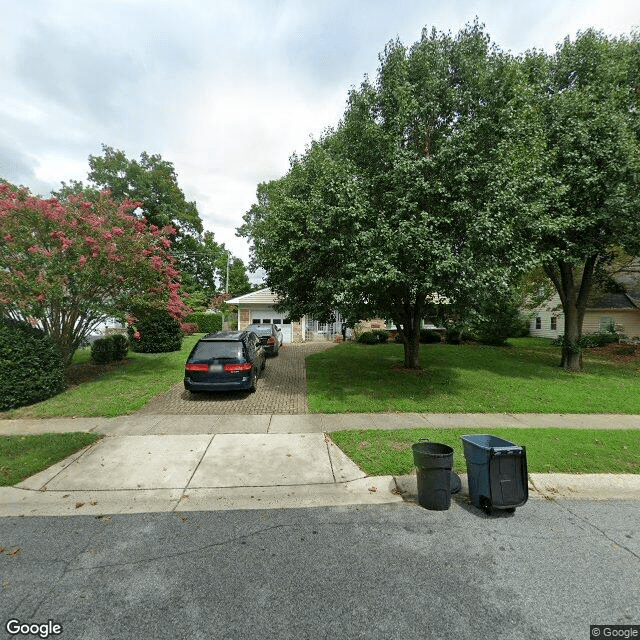
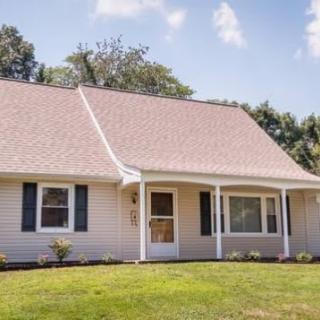
Welcome to Ne'ville's, a vibrant assisted living community located in Bowie, MD, where comfort and care come together to create a nurturing environment for our residents. Our community is thoughtfully designed to cater to the diverse needs of seniors, offering a wide array of amenities and services that enhance quality of life.

At Ne'ville's, residents can enjoy a variety of enriching amenities including cable or satellite TV, Wi-Fi/high-speed internet access, and cozy indoor common areas perfect for socializing with friends or relaxing in solitude. Our beautiful outdoor spaces and gardens provide serene settings for leisurely strolls or enjoying nature's beauty. Additionally, housekeeping services ensure that each resident enjoys a clean and tidy living space without the hassle of daily chores.

We understand the importance of personalized care and support. Our dedicated team provides assistance with activities of daily living such as bathing, dressing, transfers, and medication management. We also offer specialized care for those managing diabetes or other health conditions. Coordination with healthcare providers ensures that all medical needs are met seamlessly within our community.

Dining at Ne'ville's is an enjoyable experience with restaurant-style meals tailored to meet individual dietary preferences—including low/no sodium options, no sugar selections, vegetarian choices, and special dietary restrictions. Residents can savor delicious meals prepared by our skilled culinary team while engaging in communal dining experiences that foster connection.

Our activity calendar is brimming with options designed to enrich the lives of our residents. From engaging brain fitness games and trivia sessions to holiday parties and day trips—there’s always something happening at Ne'ville's! Devotional activities offsite allow for spiritual connections while scheduled daily activities keep everyone engaged.

Conveniently situated near two cafes, multiple parks for outdoor enjoyment, pharmacies for easy access to medications, numerous physicians for health consultations, a variety of restaurants for dining out experiences, places of worship for spiritual fulfillment, theaters for entertainment opportunities, and hospitals should any medical needs arise—our location provides both convenience and community connection.

Choose Ne'ville's as your new home where compassionate care meets an active lifestyle in an inviting community setting!

Nearby Places of Interest

This part of Bowie, Maryland offers a convenient and diverse range of amenities for seniors considering the area for living. There are several pharmacies nearby, including Walgreens and CVS Pharmacy, providing easy access to medication and health supplies. A variety of restaurants such as Chick-Fil-A and McDonald's offer dining options in close proximity. Places of worship like Christian Community Presbyterian Church cater to spiritual needs, while healthcare facilities such as The Pediatric Group and Malouf Eye Center ensure quality medical care. Nearby parks like Allen Pond Park provide opportunities for outdoor recreation, and theaters like Regal Waugh Chapel offer entertainment options. Transportation options like the Greenbelt Metro Station make it easy to navigate the area. Overall, this part of Bowie provides a convenient and well-rounded community for seniors to consider for their living needs.

Pharmacies

  • Walgreens (1 miles)
  • CVS Pharmacy (1 miles)
  • CVS Pharmacy (3.2 miles)
  • Giant Pharmacy (3.2 miles)
  • Wegmans (4 miles)
  • Walgreens (4.8 miles)
  • CVS Pharmacy (5.4 miles)

Restaurants

  • Chick-Fil-A (1 miles)
  • McDonald's (1.6 miles)
  • Bob Evans (3.1 miles)
  • McDonald's (3.2 miles)
  • Wendy's (3.2 miles)
  • McDonald's (3.3 miles)
  • Chick-Fil-A (3.4 miles)

Places of Worship

  • Christian Community Presbyterian Church (1.2 miles)
  • St Elizabeth Ann Seton Church (3.7 miles)
  • College Park United Methodist Church (9.7 miles)
  • Heritage Community Church (9.8 miles)

Physicians

  • The Pediatric Group (2.2 miles)
  • Malouf Eye Center (2.6 miles)
  • Johns Hopkins (2.6 miles)
  • TLC Pediatrics (3 miles)
  • MyEyeDr (3.1 miles)
  • Maryland Primary Care Physicians (3.3 miles)
  • Dr Vanessa Allen (3.5 miles)

Hospitals

  • Bowie Health Center-Emergency Medical Care (3 miles)
  • Kimbrough Ambulatory Care Clinic Main Pharmacy (7.3 miles)

Cafes

  • Chesapeake Bay Roasting Company (3 miles)
  • Panera Bread (4.1 miles)
  • Starbucks (7.3 miles)
  • Starbucks (7.5 miles)
  • Starbucks (9.6 miles)
  • Starbucks (9.6 miles)
  • Starbucks (10.2 miles)

Parks

  • Allen Pond Park (3.9 miles)
  • Piney Orchard Nature Preserve (4.7 miles)
  • Watkins Regional Park (7.9 miles)
  • Duvall Playground (9.8 miles)
  • Randazzo Softball Park (10.2 miles)

Theaters

  • Regal Waugh Chapel & IMAX (4.1 miles)

Transportation

  • New Carrollton Amtrak Station (7.6 miles)
  • Greenbelt Station (9.2 miles)
  • Greenbelt Metro Station (9.2 miles)
  • College Park - University of Maryland Metro Station (10.1 miles)

Frequently Asked Questions

Where is Ne'ville's?

Nearby Communities

  • Chesney House Assisted Living

    Chesney House Assisted Living

    Bowie, MD

    4.7 from 6 reviews
     

    pro Beautiful, well-lit, single-level layout with accessible design and attentive management.
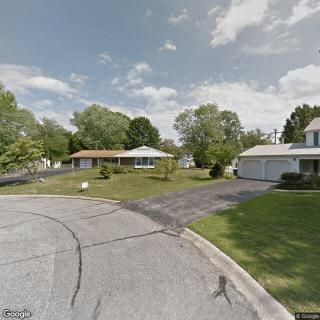
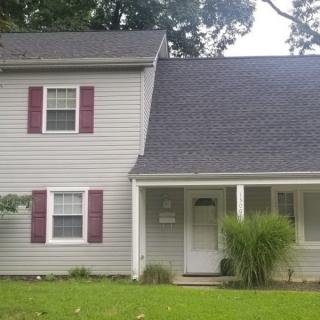
  • Access Care

    Access Care

    Bowie, MD

     
    $3,000 to $3,800 / month

    pro Small 5-bed community with comprehensive care and on-site activities.

  • CONA Assisted Living Facility

    CONA Assisted Living Facility

    Bowie, MD

    5 from 3 reviews
    $3,000 to $5,895 / month

    pro Professional, compassionate staff providing 24-hour care in a peaceful, home-like setting.

  • Ameristar Assisted Living Inc

    Ameristar Assisted Living Inc

    Bowie, MD

    5 from 1 review
    $3,500 to $4,000 / month

    pro Vibrant, well-connected community with abundant nearby amenities (restaurants, parks, pharmacies, doctors, worship, theaters).

  • Home Helpers of Bowie

    Home Helpers of Bowie

    Bowie, MD

    5 from 2 reviews
     

    pro Excellent, flexible care staff and dependable support during crises.

  • Holy Hills Assisted Living

    Holy Hills Assisted Living

    Bowie, MD

    4.8 from 6 reviews
    $4,000 to $5,000 / month

    pro Organized facility with attentive staff in a bright, clean setting.

  • Tribute at Melford

    Tribute at Melford

    Bowie, MD

    4.5 from 101 reviews
    $4,735 to $5,620 / month

    pro Beautiful, hotel-like setting with caring staff and engaging activities, including strong memory care.

  • Spring Arbor of Crofton

    Spring Arbor of Crofton

    Crofton, MD

    4.3 from 63 reviews
    $5,895 to $7,400 / month

    pro Caring, professional staff with strong communication and engaging activities in a clean, well-maintained memory-care environment.

  • Arbor Terrace Waugh Chapel

    Arbor Terrace Waugh Chapel

    Gambrills, MD

    4.7 from 83 reviews
     

    pro Specialized memory care with 24/7 supervision and dementia programming.

Related Resources

  • assisted living vs memory careAssisted Living and Memory Care: Understanding Their Core Differences
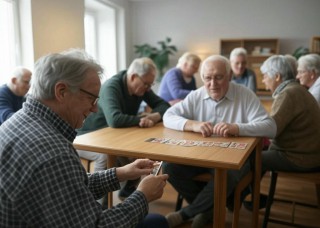
    Assisted living provides moderate support for seniors seeking independence, while memory care offers specialized support for individuals with dementia or cognitive impairments through structured routines and trained staff. Key differences include care approaches, environment security measures, staff training levels, activity types, and cost considerations.

  • assisted living activitiesBeyond the Bingo Hall: 50+ Enriching Activities for Seniors in Assisted Living

    Assisted living communities offer diverse activities beyond traditional games to enhance seniors' physical health, cognitive well-being, emotional enrichment, and social connections, including fitness classes, creative expression, and intergenerational interactions. These enriching programs foster community bonds and support residents' independence and happiness.

  • assisted living vs memory careUnderstanding the Distinctions: Assisted Living and Memory Care Explained

    The article differentiates between assisted living and memory care, explaining that assisted living supports seniors with daily activities while promoting independence, whereas memory care provides specialized services for individuals with dementia, focusing on secure environments and cognitive support. It also addresses staff training, safety considerations, costs, family involvement, and transition strategies for families navigating these care options.