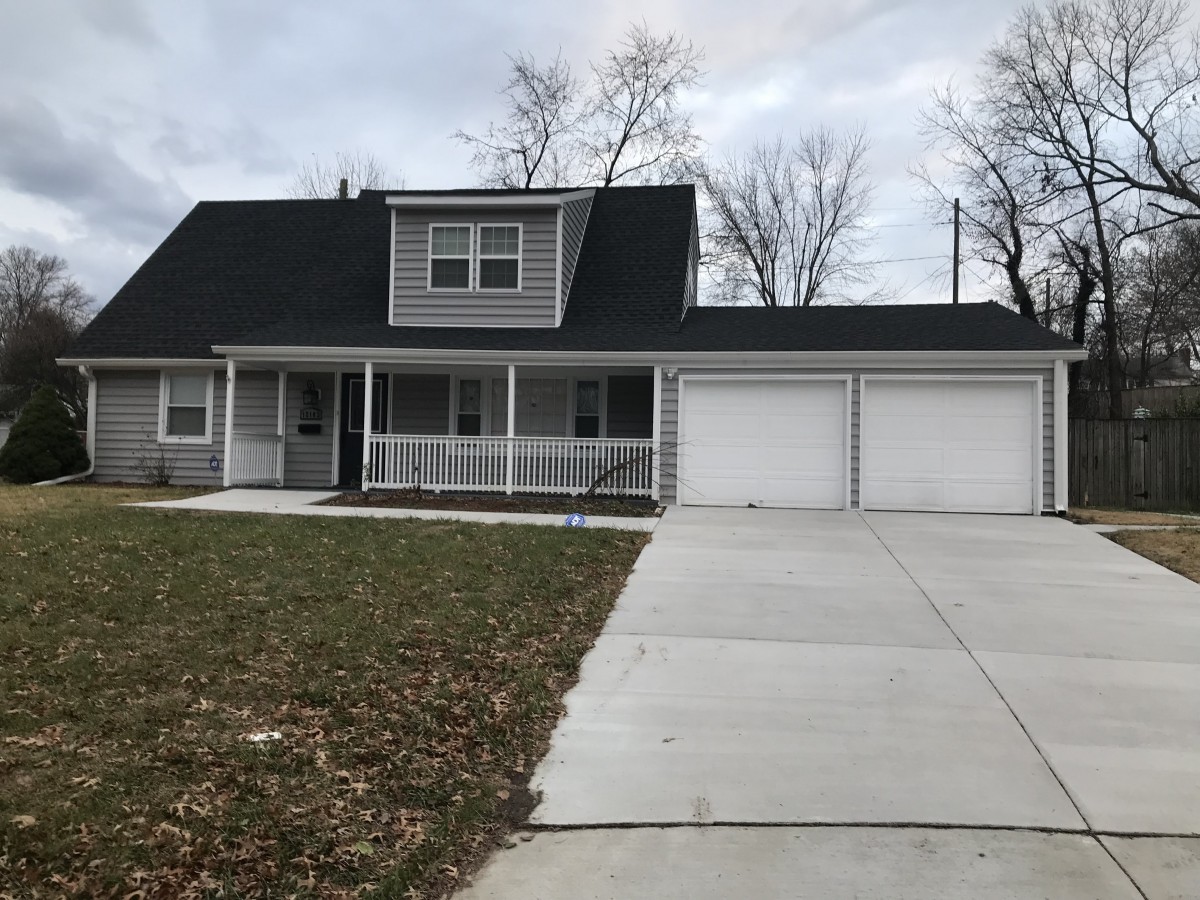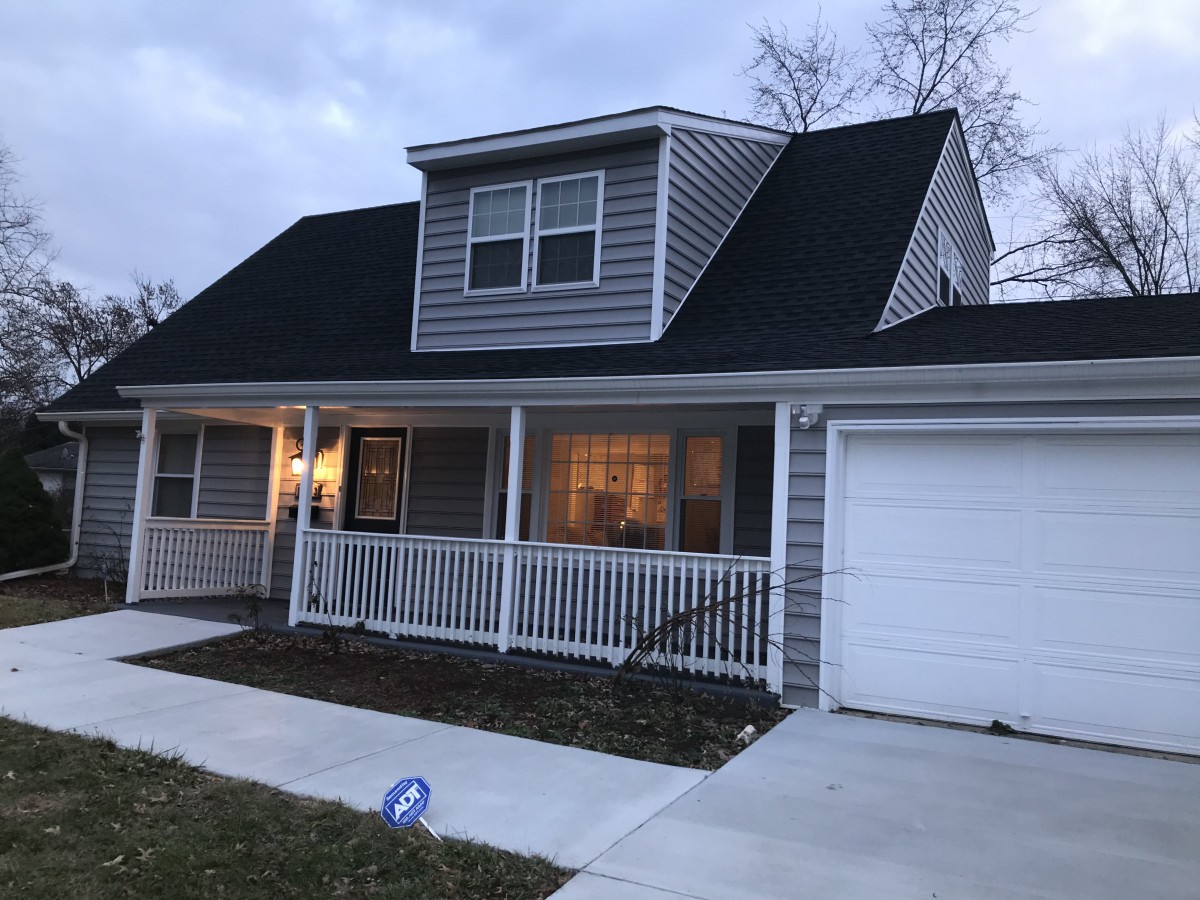
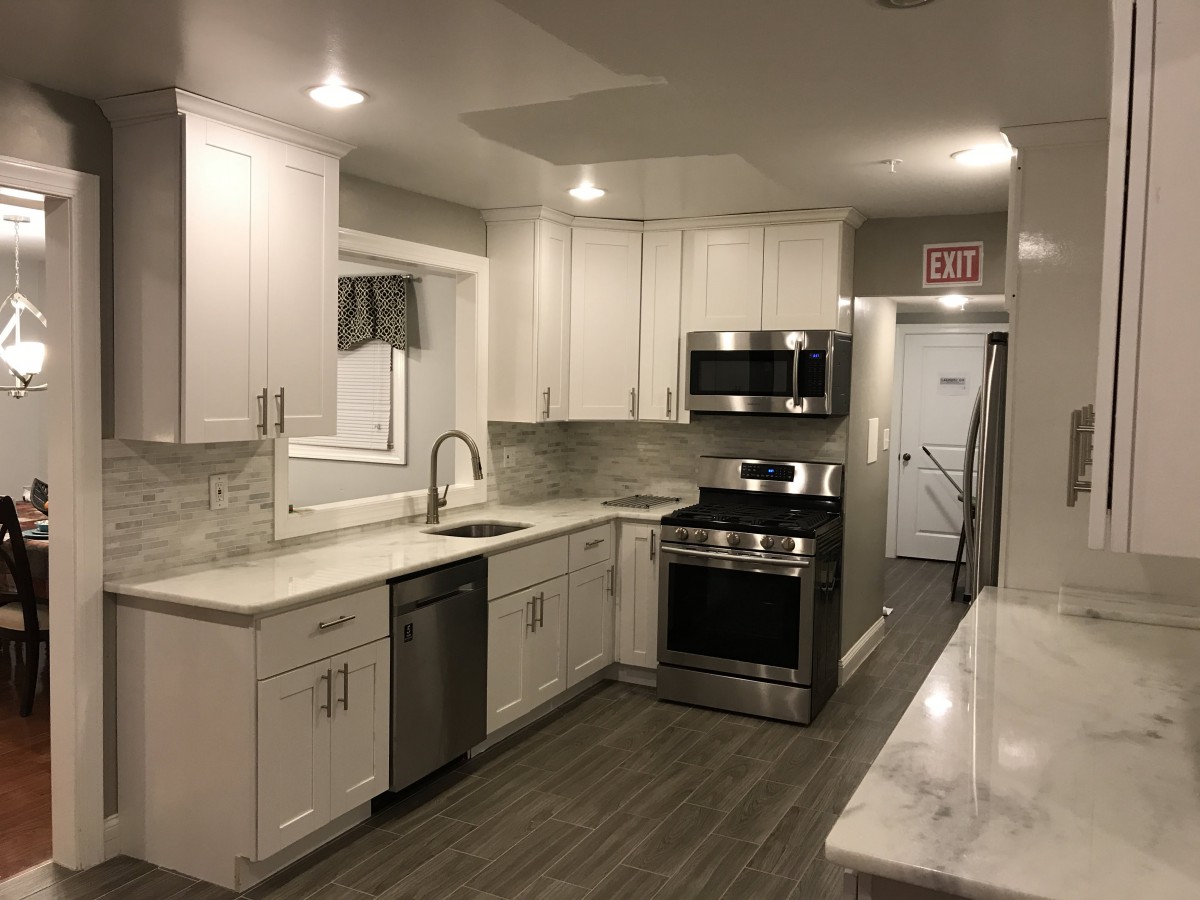
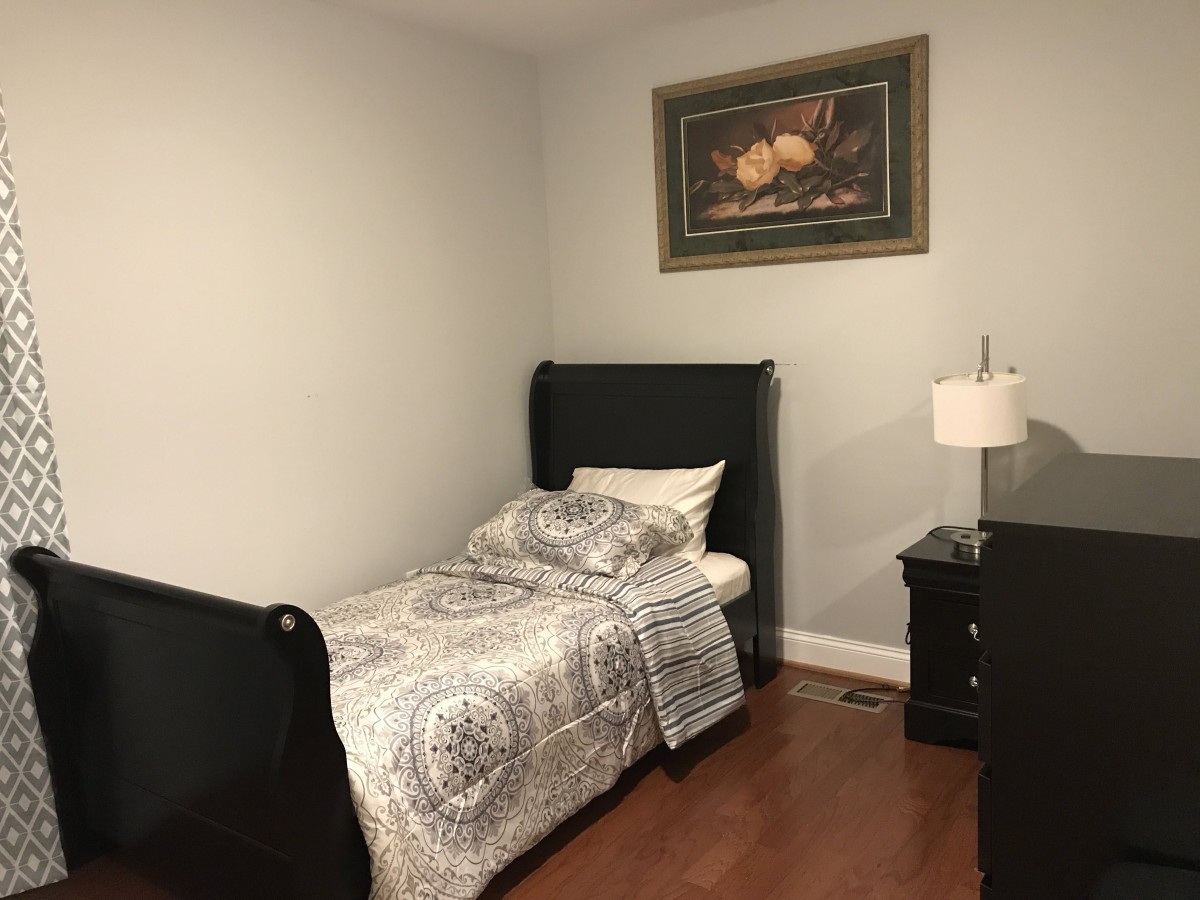
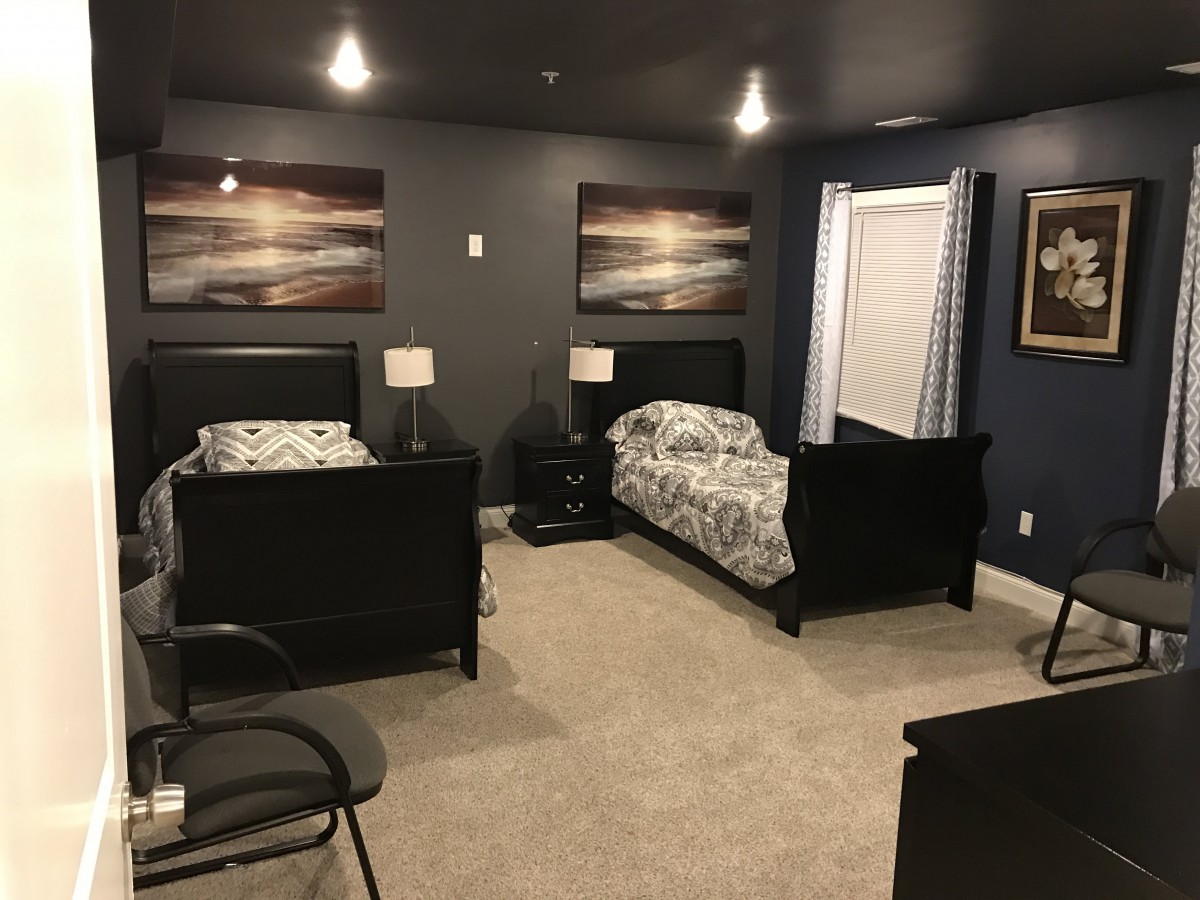
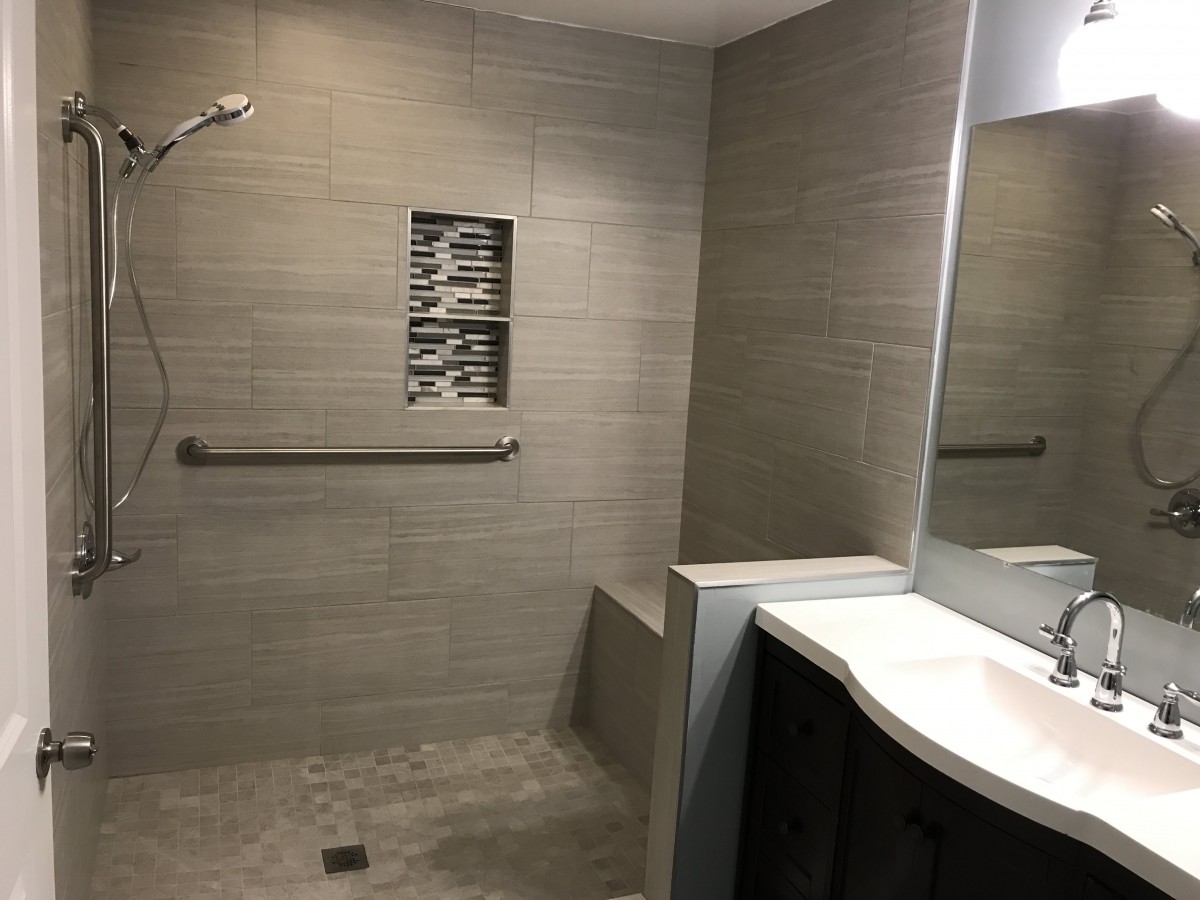
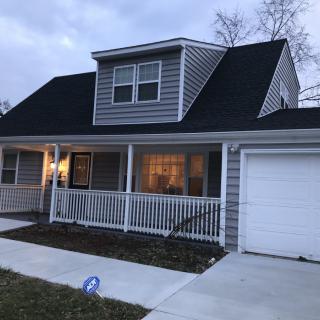
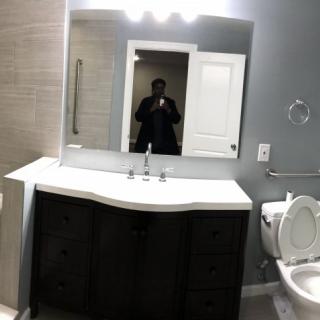
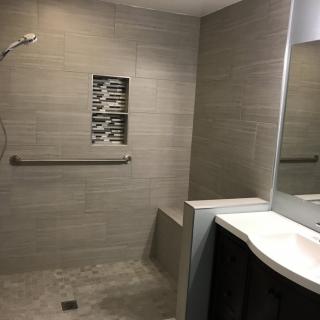
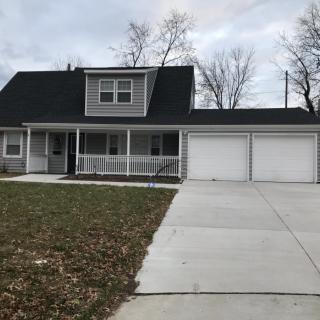
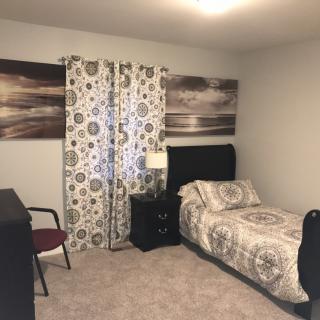
12103 Myra Pl, Bowie, MD 20715
To contact a resident: (301) 275-1805
For more information about senior living options: (866) 208-4318
Miracle Hands Senior Care Services Assised Living Costs & Pricing
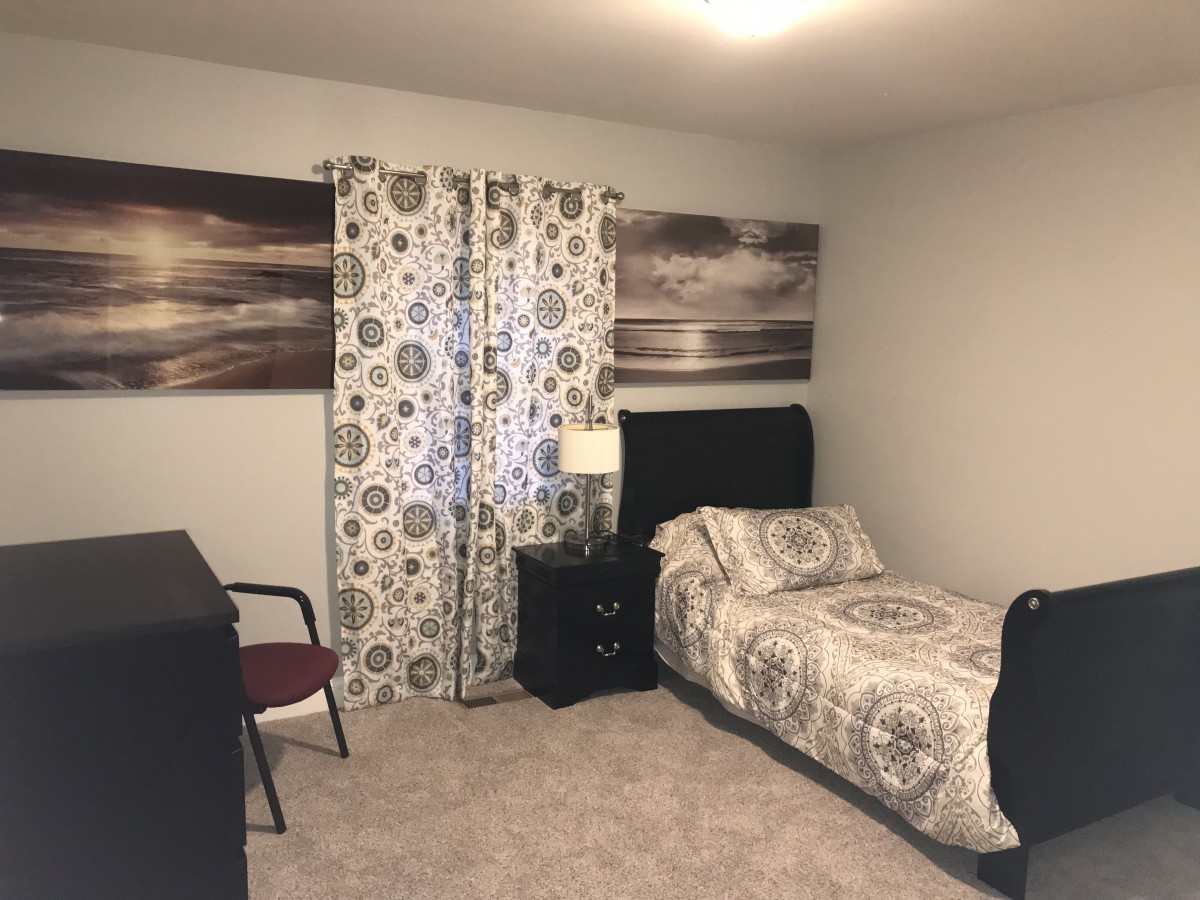
Miracle Hands Senior Care Services Assisted Living offers competitive pricing for its residents, particularly in comparison to both Prince George's County and the broader state of Maryland. For a semi-private room, Miracle Hands charges $2,500 per month, which is significantly lower than the county average of $3,058 and the state average of $3,545. Similarly, their private rooms are priced at $3,500, offering substantial savings compared to the county's average of $3,792 and the state's $4,112. This positioning not only highlights Miracle Hands' commitment to affordability but also underscores its value as an inviting option for families seeking quality care for their loved ones without compromising on excellence or comfort.
| Floor plans | Miracle Hands Senior Care Services Assised Living | Prince George's County | Maryland |
|---|---|---|---|
| Semi-Private | $2,500 | $3,058 | $3,545 |
| Private | $3,500 | $3,792 | $4,112 |
Senior living communities with a similar price nearby
-
from +$475 / mo
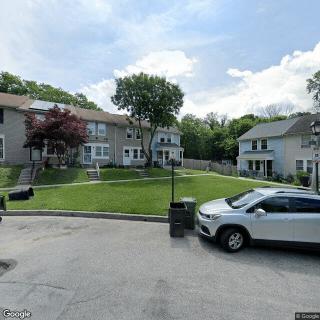
Gneale Home Care
$2,975 / month21.6 miles away -
from +$200 / mo
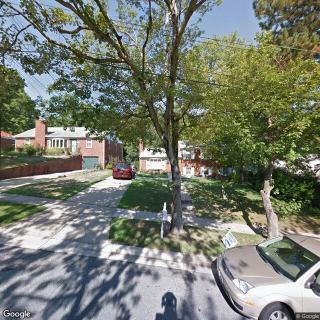
Lifesprings Eldercare II
$2,700 to $3,100 / month14.9 miles away -
About the same
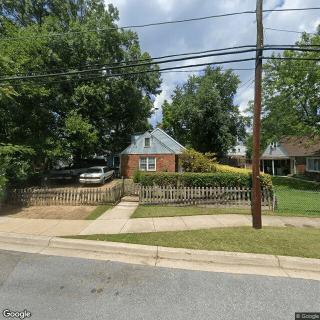
Amazing Grace Senior Care
$2,500 to $3,000 / month8.3 miles away -
from +$350 / mo

Cascadia Courts II, LLC
$2,850 / month16.8 miles away -
from +$100 / mo
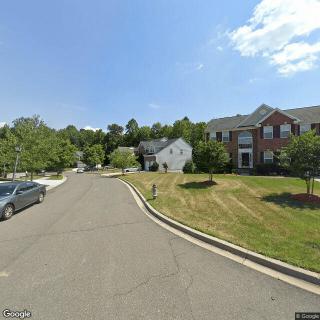
My Parent's Place
$2,600 to $3,000 / month15.2 miles away
Overall Review of Miracle Hands Senior Care Services Assised Living
Pros
 Miracle Hands earns five stars across the board.
- The initial tour left the reviewers pleasantly surprised, and that positivity continues.
- The facility’s smaller size with fewer residents allows for more one-on-one attention.
- Activities are aligned with residents’ levels, focusing on small board games rather than flashy options.
- The caregivers consistently interact with families.
- Everyone there appears to be highly qualified, with credentials visibly displayed.
Review
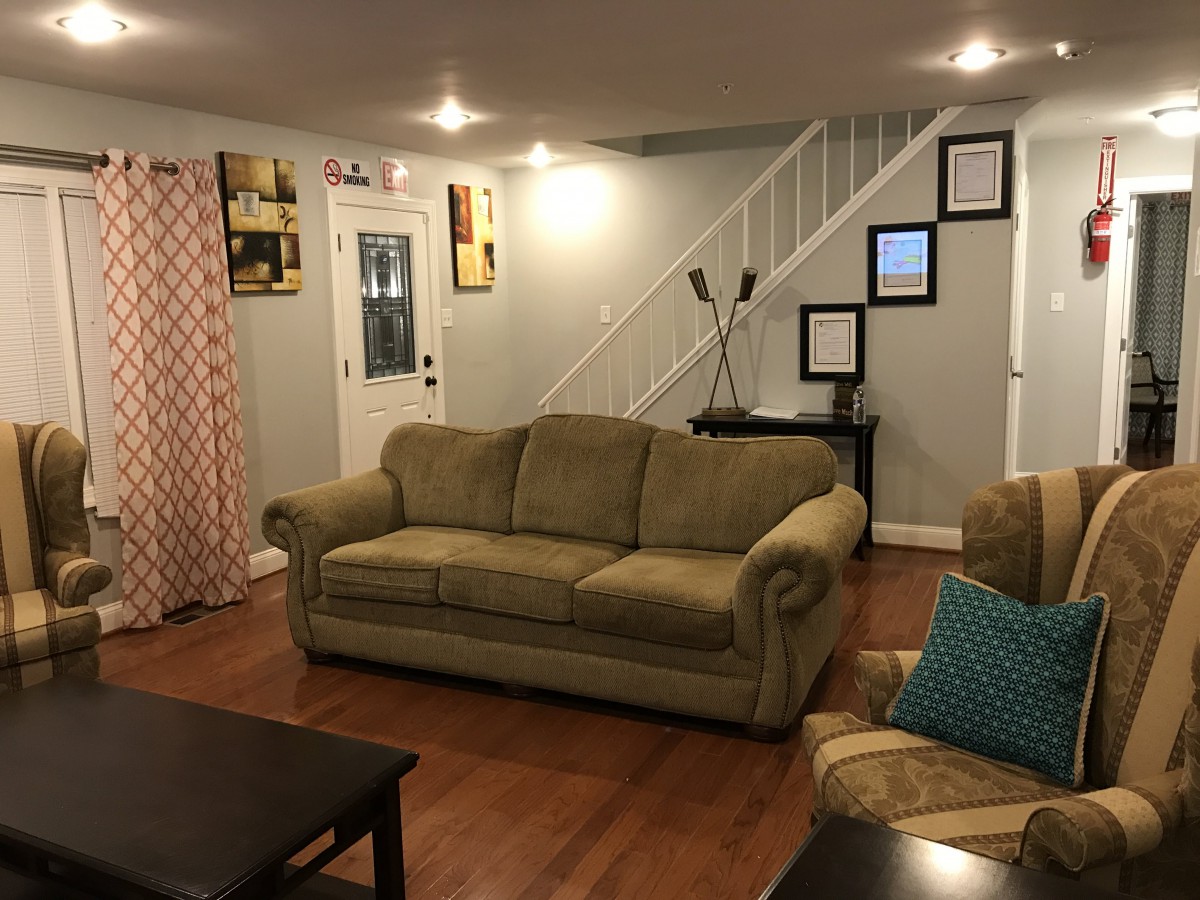
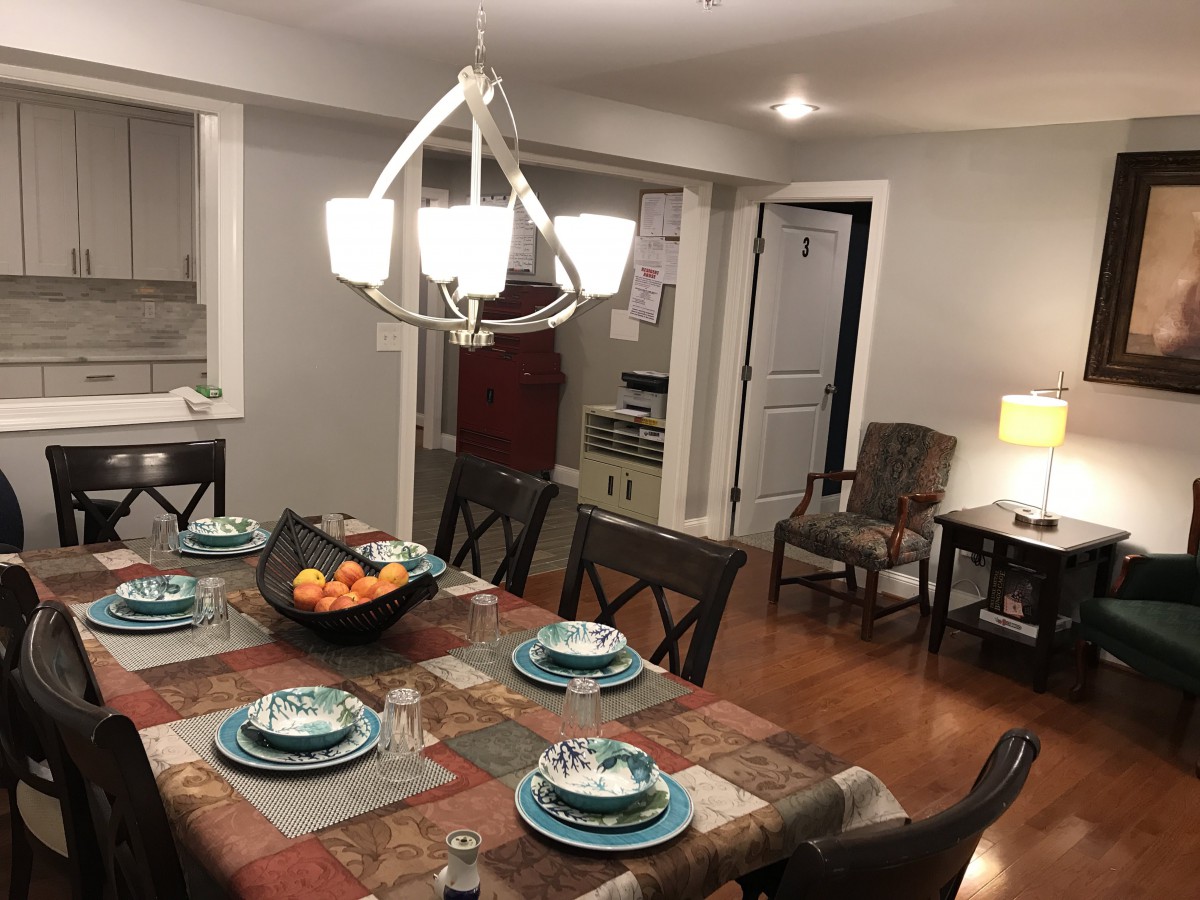
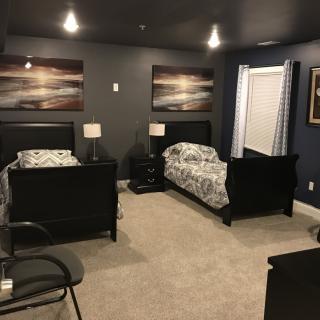
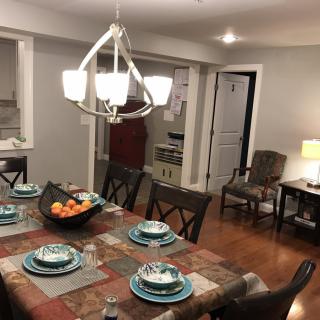
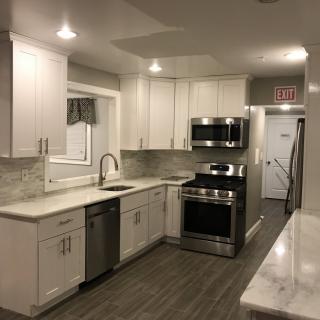
Miracle Hands Senior Care Services Assisted Living in Bowie, MD is best suited for families seeking a highly personalized, home-like environment where seniors receive substantial one-on-one attention. The community’s small size translates into a noticeably close-knit feel, with fewer residents and more staff availability to respond quickly to daily needs. This is not a campus designed for spectacle or bustle; it’s a setting where attentiveness and responsiveness come first, and where routines can be tuned to the individual preferences and pace of each resident.
That intimacy makes a strong case for those prioritizing relationship quality over breadth of services. It may not be the right fit for families weighing options that center on a bustling social calendar, expansive amenities, or specialized programming beyond the basics. Alternatives worth considering include larger communities with more varied activity rosters, or facilities that emphasize memory care tracks, complex medical oversight, or post-acute recovery programs. For seniors who require frequent nursing oversight or a wider array of on-site therapies, a comparison with other providers becomes essential.
The core advantages revolve around care depth and communication. With fewer residents, the staff-to-resident ratio naturally improves, enabling more consistent one-on-one care and greater responsiveness to changes in health or mood. Families report that caregivers actively engage with loved ones, not only attending to chores or routines but also maintaining ongoing dialogue with relatives. The visible credentials of staff on display reinforce confidence that trained, qualified professionals are delivering daily care. This combination, hands-on attention, transparent qualifications, and proactive family interaction, creates a reliable safety net for guardians worried about slipping through the cracks in a larger operation.
Activity programming is steady and grounded, designed to suit residents who appreciate calm, predictable routines rather than high-energy or “crazy” outings. Small board games and simple social activities fill the day, and staff consistently involve families in updates and planning. While the schedule may feel modest, the targeted approach minimizes overstimulation and keeps residents engaged at a comfortable pace. When the goal is maintaining dignity, continuity, and familiar daytime rhythms, this approach often yields steady mood, fewer disruptions, and a sense of security for both residents and their families.
The few potential drawbacks are balanced by the very strengths described. A smaller facility may not satisfy families seeking a broad social scene, extensive off-site excursions, or a wide variety of programming. However, the upshot is greater continuity, more predictable days, and fewer opportunities for caregiver turnover to unsettle routines. The strongest offset comes from the quality of caregivers and the frequency of meaningful interaction: residents feel seen, and families feel informed. In practice, these factors translate into genuinely improved peace of mind for loved ones who must rely on others to protect independence while ensuring safety.
In making a decision, Miracle Hands stands out for those who value intimate, attentive care and the reassurance of consistent staff involvement. It is less compelling for families chasing a large-scale social environment or advanced specialty care that go beyond what a small home-like setting can realistically provide. Pros and cons are not abstract here; they map directly to real daily experiences: personalized attention, clear communication, and a calm, predictable routine offset the limits of a modest activity calendar and a smaller footprint. For the right senior, this combination is decisive, schedule a direct tour, insist on meeting the caregiving team, and request a detailed care plan and staffing ratios to confirm alignment with specific needs.
 Board and Care Home
 Activities on-site
 Air-conditioning
 Bath tubs
 Cable or satellite TV
 Devotional services off-site
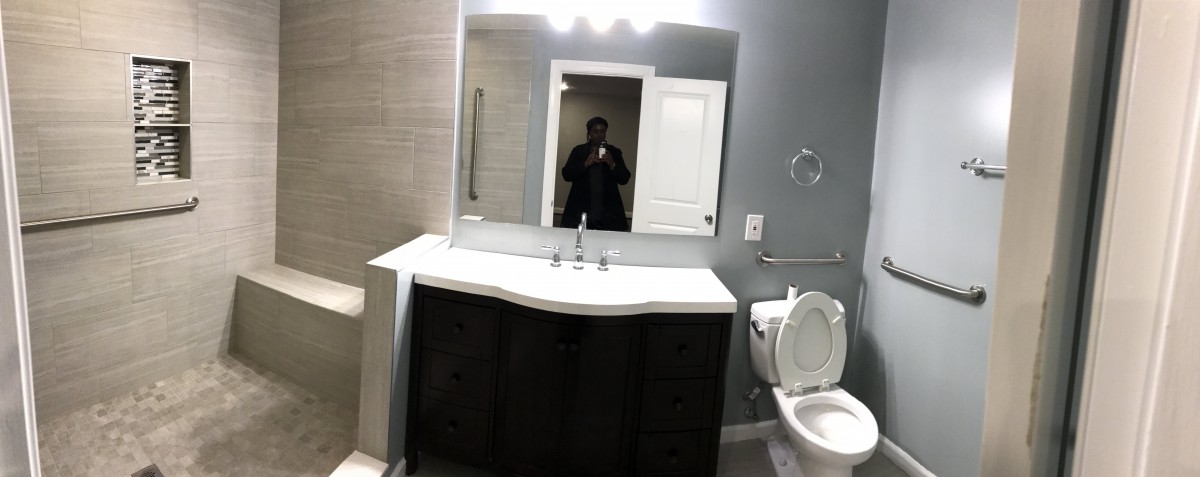
 Handicap accessible
 Indoor common areas
 Outdoor common areas
 Private
 Private bathrooms
 Respite or short term stays offered
 Wi-Fi/high-speed internet available
 Baltimore-Washington International (14 miles away)
 Diabetic care
 High acuity care
 Incontinence care
 Medication management
 Anytime dining
 Art classes
 BBQs or picnics
 Birthday parties
 Day trips and outings
 Gardening club
 Intergenerational programs
 Live well programs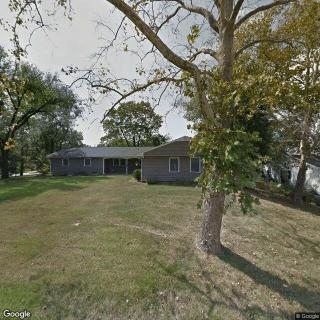


 Comprehensive Exploration of Living Wills and Other Advance Directives
 A Detailed Exploration of Living Wills and Advance Directives
 Comprehensive Guide to Medicare Coverage for Hospice Care