
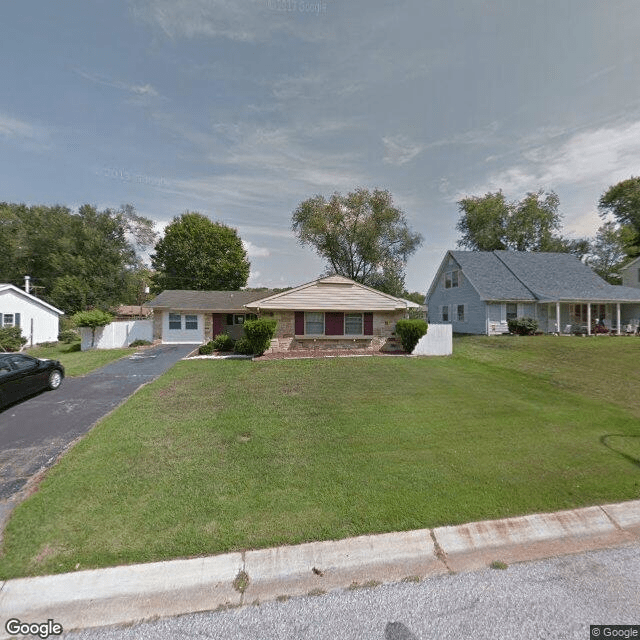
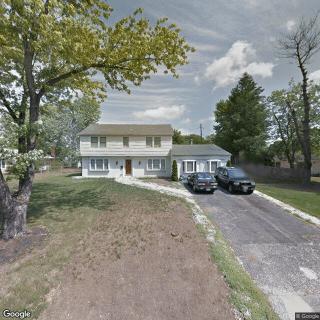
3513 Mase Lane, Bowie, MD 20715
To contact a resident: (301) 728-7377
For more information about senior living options: (866) 208-4318
Overall Review of Beas Hive Assisted Living
Pros
 One reviewer described the facility as a good place.
- The reviewer noted that his father was a resident for about three years with few complaints about the care.
- The reviewer would highly recommend Bea's Hive to anyone needing assisted living.
- Snow White was described as good and very clean.
- The one-floor layout was noted as beneficial for people with walking problems.
Cons
 They view placing the mother in this facility as a huge mistake, citing safety concerns and lack of caregivers after an incident.
 - They encountered move-in readiness issues with the room and had to complain twice to get it fixed.
- They say the owner misrepresented Maryland law to prohibit baby monitors, despite cameras being allowed to monitor elders; she suggested cameras only in public areas or with other residents' consent, which made no sense.
- After multiple delays, they were forced to move the mother out less than 24 hours after she was moved in.
- The experience was traumatic for the mother and the caregiver; the contract did not state that monitors or cameras were not allowed, and the insistence against devices was a red flag; they would not recommend the facility.
- Snow White was clean and one-floor, but expensive for the size of the facility.
- During a visit, the house was not cleaned, meals were processed/canned/boxed, and staff were on the phone.
Review
Beas Hive Assisted Living in Bowie, Maryland is best suited for families who want a compact, single-floor environment and are prepared to exercise hands-on oversight with a vigilant eye on safety and care continuity. The one-story layout can make navigation easier for residents with mobility issues and reduces some fall risks associated with multi-level buildings. There is a thread of longer-tenure care in at least one case, suggesting that when operations run smoothly, the home can sustain a resident for years. Yet this is not a uniform experience, and the most telling question is whether staff responsiveness and daily safeguards match the level of concern typical in dementia or memory-impaired care.
Alternatives should be seriously considered for families prioritizing predictable safety, transparent policies, and consistent housekeeping. Some reviewers report dangerous lapses, no apology after a fall and apparent caregiver gaps when a need arises. Others encounter drift on move-in readiness, unclear policies about cameras and monitoring, and disputes with ownership over privacy rights. For seniors who cannot advocate effectively, these patterns can translate into real risk. If a loved one depends on constant supervision, or if privacy protections and personal autonomy are top concerns, it is prudent to look elsewhere.
Against that backdrop, the pros that do exist matter. The facility’s one-story footprint is repeatedly cited as a practical advantage for walking-impaired residents. A few families report long-term residency with generally positive care, indicating that the level of attention can be solid when staffing aligns and routines are stable. Cleanliness is not uniformly praised, but a couple of positive comments signal that, in some units, the environment can feel neat and manageable. In short, the core appeal lies in accessible layout and the potential for steady care, provided the atmosphere remains professional and responsive.
Where Beas Hive routinely stalls is safety oversight and day-to-day reliability. One grave incident, a man in a wheelchair allegedly knocked a resident down with no apology or apparent caregiver intervention, illustrates what can go wrong when supervision falters. Move-in logistics have also been mishandled, with rooms not ready and escalations required to fix basic accommodations. Privacy and monitoring policies emerge as a red flag: misstatements about state law, resistance to cameras for resident well-being, and proposals to place cameras in public areas that would intrude on others. Additional concerns include reported uncleaned spaces, meals dominated by processed options, and staff members absorbed by phone use during visits. Finally, pricing is described as high for the facility’s size and offerings.
These cons overwhelm the occasional positives unless a facility proves otherwise through consistent performance. The one-floor layout and potential for calm routines can offset some mobility concerns, but only if staffing is visible, responsive, and governed by clear, resident-focused policies. The father’s experience shows that when care stabilizes, progress can be meaningful; however, the contrasting episodes, traumatic move-ins, privacy disputes, and visible neglect, undercut confidence. The decision, therefore, hinges on whether commitments to safety, transparency, and quality can be verified before admission: request current caregiver-to-resident ratios, get a precise emergency-response protocol, insist on a documented cameras policy with resident consent, review the room readiness checklist, and demand a recent, independent inspection report or survey results.
Bottom line: Beas Hive Assisted Living is a conditional choice. It can work for a resident who can advocate for themselves, thrives in a straightforward, single-floor space, and benefits from a calmer environment when staffing is steady and procedures are clear. For families prioritizing rigorous safety, dependable caregiver presence, and transparent operations, alternatives should be pursued. Enter with a concrete checklist: verify staffing levels across shifts, confirm move-in readiness, document monitoring allowances and privacy safeguards, scrutinize food quality and housekeeping routines, and obtain recent inspection findings. If the facility cannot offer airtight answers and a demonstrable plan to address the identified concerns, steer toward a community with a proven safety record and consistently reliable care.
 Activities off-site
 Bath tubs
 Devotional services off-site
 Outdoor common areas
 Respite or short term stays offered
 Wheelchair accessible showers
 Baltimore-Washington International (14 miles away)
 Ambulatory care
 Diabetic care
 High acuity care
 Incontinence care
 Meals provided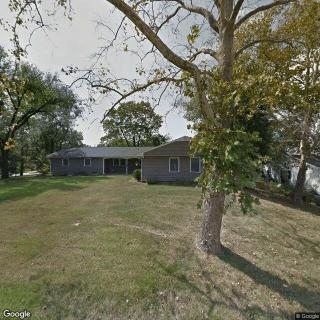





 Comprehensive Insights into Palliative Home Care: What It Is and What to Expect
 Skilled Nursing Facilities vs. Nursing Homes: Making Sense of the Differences
 A Detailed Examination of Nursing Home Costs Across the U.S.